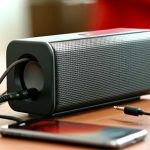
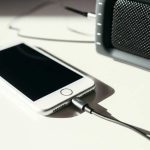
An Aux-in Bluetooth speaker lets you connect devices wirelessly via Bluetooth OR with a simple audio cable. It’s like having two ways to play your music, giving you awesome flexibility for any situation.
Hey there, tech explorer! Ever feel like your music just isn’t loud enough, or maybe you’ve got a favorite old gadget that still sounds great but can’t connect to your fancy new speaker? I totally get it. Picking out speakers can sometimes feel like learning a new language, with all those different terms and features. But don’t worry, that’s exactly why I’m here!
We’re going to dive into something super handy that many Bluetooth speakers have: an Aux-in port. Think of it as a secret superpower for your speaker. It means you can enjoy all the freedom of wireless sound, but also keep those older, trusty devices connected. We’ll break down exactly what it is, why it’s awesome, and how you can use it to get the most out of your audio. Let’s make this tech stuff simple and fun, shall we? Let’s break it down step by step.
What’s the Big Deal About Aux-In on a Bluetooth Speaker?
So, you’ve probably heard of Bluetooth speakers, right? They’re amazing for streaming music from your phone or tablet without any wires. It’s pure magic when you can just tap a button and your favorite playlist fills the room. But what happens when your device doesn’t have Bluetooth, or maybe the Bluetooth connection is being a bit flaky?
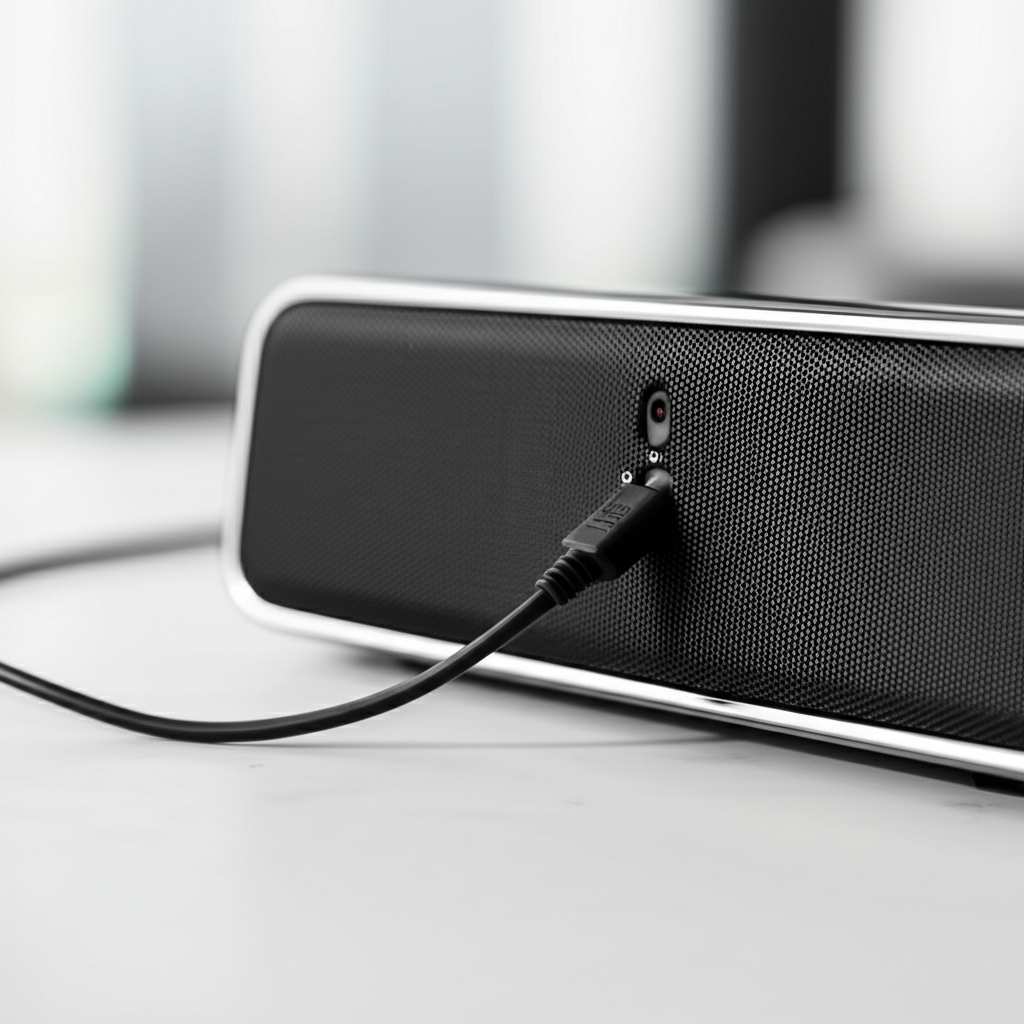
That’s where the “Aux-In” part comes in, and it’s a total game-changer. It’s like a backup plan for your sound. This little port gives your speaker a whole new way to connect to things, making it way more versatile. It’s this simple feature that makes a good speaker even better.
Let’s Talk About Aux-In: The Simple Connection
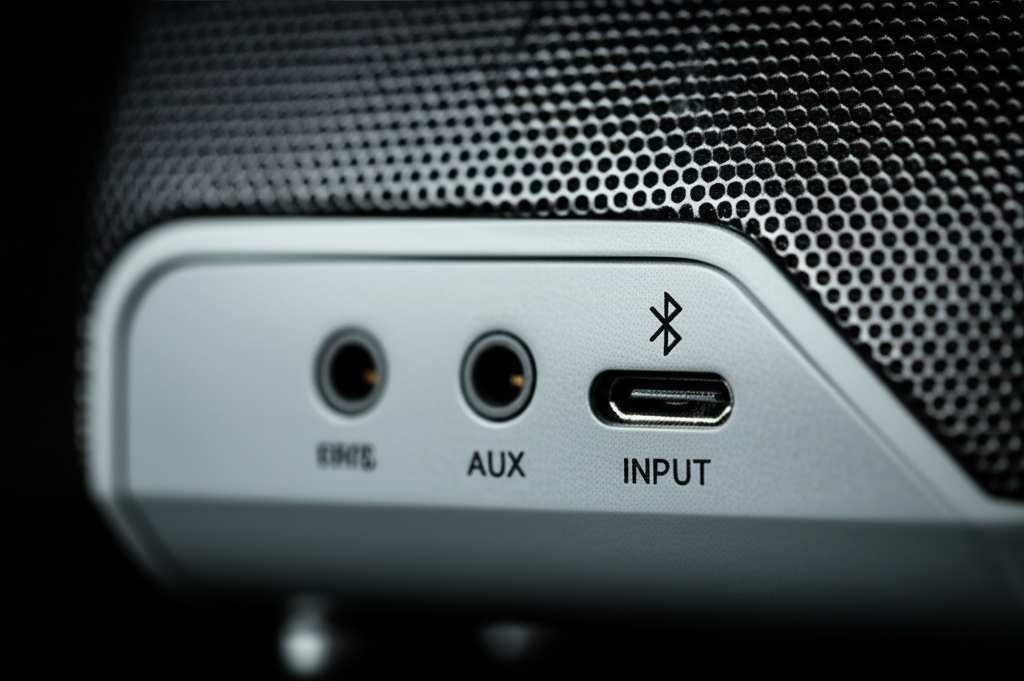
Okay, so what exactly is “Aux-In”? “Aux” is short for auxiliary, which basically means “extra” or “additional.” So, an Aux-In port is an extra way to get audio into your speaker. It’s a tiny hole, usually round, where you plug in a special cable called an audio cable.
This audio cable typically has a small plug on each end. You plug one end into your device (like an MP3 player, an older phone, or even a laptop) and the other end into the Aux-In port on your speaker. And voilà! Your device is now sending its sound directly to the speaker, no Bluetooth needed.
The Mighty Audio Cable
The cable you’ll usually need is called a 3.5mm audio cable. It’s super common! You’ve probably seen them before, maybe even used them to plug headphones into an old phone or computer. It’s a standard size, so it’s easy to find and usually pretty inexpensive.
These cables are great because they transmit sound signals directly. It’s a wired connection, so it’s super reliable. Think of it like a direct highway for your music, straight from the source to your speaker. This means you often get a really clear and stable sound experience.
Why Is Aux-In on a Bluetooth Speaker So Cool?
You might be thinking, “I have Bluetooth, why do I need this old-school cable thing?” Well, that’s a fair question! But this little Aux-In port offers some pretty amazing benefits that go beyond just wireless convenience.
It’s all about options and reliability. Sometimes, Bluetooth can be a little tricky. Maybe your phone’s Bluetooth is acting up, or you’re in a crowded place with lots of signals. A wired connection is always there for you, stable and steady. Plus, it opens up a whole world of devices you can connect!
More Device Compatibility
This is a big one! Not all devices have Bluetooth. Think about older MP3 players, some laptops, older TVs, or even some gaming consoles. If you want to play audio from these devices through your modern Bluetooth speaker, Aux-In is your ticket. It bridges the gap between old and new tech.
It’s like having an adapter that lets your vintage record player jam with your smart speaker. You can bring new life to older gadgets and enjoy their sound on a better speaker. This makes your Bluetooth speaker a much more universal audio solution for your whole household.
A Reliable Backup
Let’s be honest, sometimes technology can be a bit finicky. Bluetooth connections can drop, pairing can fail, or your device might just be out of range for a stable connection. When that happens, your Aux-In port is your knight in shining armor.
Just plug in that audio cable, and you’re instantly connected. No troubleshooting, no re-pairing, just instant sound. This is especially useful if you’re using your speaker for an important event, like a presentation or a party, where a dropped connection would be a disaster. It’s a guarantee of sound when you need it most.
Potentially Better Sound Quality
While Bluetooth technology has gotten really good, there’s still a slight chance of audio compression. This means the sound file might be slightly tweaked to make it easier to send wirelessly. For most people, this is unnoticeable, but audiophiles might notice a difference.
A direct wired connection via Aux-In bypasses any potential Bluetooth compression. This can sometimes result in a cleaner, more direct, and arguably higher-fidelity audio signal. So, for those who are really particular about their sound, Aux-In can be a secret weapon for pristine audio quality.
No Battery Drain on Your Source Device
Using Bluetooth constantly can drain the battery on your phone or tablet faster. This is because the Bluetooth radio is actively transmitting. When you use an Aux-In connection, your device is just sending a simple audio signal, which uses much less power.
This means you can play music for longer periods without worrying about your phone dying. It’s a small thing, but it can make a big difference if you’re using your device as a music source for a long time, like during a road trip or a day at the park.
How to Use the Aux-In on Your Bluetooth Speaker: A Step-by-Step Guide
Ready to put this handy feature to work? It’s super simple! You really only need two things: your Bluetooth speaker with an Aux-In port and a 3.5mm audio cable. Let’s walk through it.
- Find the Aux-In Port: First, take a look at your speaker. You’re looking for a small, round port, usually labeled “AUX,” “Audio In,” or sometimes it might just have a little headphone jack icon next to it. It’s often found on the back or side of the speaker, sometimes hidden under a rubber flap.
- Get Your Audio Cable: Make sure you have a 3.5mm male-to-male audio cable. One plug goes into your device, and the other goes into the speaker. If you don’t have one, they are readily available at electronics stores or online.
- Connect Your Device: Plug one end of the audio cable into the headphone jack (or audio output) of your device – this could be your phone, tablet, laptop, MP3 player, or any other audio source.
- Connect to the Speaker: Plug the other end of the audio cable into the Aux-In port on your speaker.
- Switch Your Speaker to Aux Mode: This is a crucial step! Your speaker needs to know you want to use the Aux-In connection. There’s usually a button on the speaker itself, or an option in its app, to switch the input mode. You might have to press a “Mode” or “Source” button until it cycles to “Aux.” Some speakers automatically detect when a cable is plugged in and switch over, but it’s always good to check.
- Play Your Audio: Now, simply play your music, podcast, or any audio on your connected device. The sound should automatically come out of your Bluetooth speaker. If it doesn’t, double-check that the speaker is indeed in Aux mode and that both ends of the cable are firmly plugged in.
See? Easy peasy! You’ve just turned your wireless speaker into a wired powerhouse.
When to Use Aux-In: Real-Life Scenarios
Okay, so we know how to use it, but when would you actually want to? Let me paint a picture with a few scenarios where Aux-In shines.
Scenario 1: The Family Road Trip
Imagine you’re on a long car ride with the family. Your kids want to listen to their favorite playlist on an old iPod that doesn’t have Bluetooth. Your phone’s battery is almost dead from navigation. Your Bluetooth speaker is in the back, ready to go. Plug the iPod into the speaker with an Aux cable, and everyone is happy! No fuss, no Bluetooth pairing drama, just music for the whole journey.
Scenario 2: The Retro Gaming Night
You’ve decided to dust off your old Nintendo GameCube for a fun night with friends. The GameCube’s sound output is basic, and it definitely doesn’t have Bluetooth. You want to experience those classic game sounds with some real oomph. Connect the GameCube’s audio output to your modern Bluetooth speaker via Aux-In. Suddenly, those retro sound effects are booming, making the game even more immersive!
Scenario 3: The Uncooperative Conference Call
You’re trying to join an important work call on your laptop, but the built-in speakers are tinny and distorted. Your laptop’s Bluetooth is being stubborn and won’t connect to your speaker. No worries! Grab that Aux cable, plug your laptop into the speaker, switch the speaker to Aux mode, and boom – crystal-clear audio for your call. You’ll sound professional and hear everyone perfectly.
Scenario 4: The Music Lover’s Dilemma
You have a fantastic collection of high-quality audio files on a portable music player that’s not a smartphone. Maybe it’s a dedicated digital audio player (DAP) that prioritizes sound quality over connectivity. Using Aux-In ensures you get the purest audio signal from your player directly to your speaker, bypassing any wireless interference or compression. It’s the purist’s choice for maximum fidelity.
Comparing Connectivity: Bluetooth vs. Aux-In
To really understand the magic of Aux-In, it helps to see how it stacks up against its wireless cousin, Bluetooth. Both have their strengths, and knowing them helps you pick the best method for any situation. Here’s a quick look:
| Feature | Bluetooth | Aux-In (Wired) |
|---|---|---|
| Convenience | Very high – no cables to manage. | Lower – requires a physical cable. |
| Setup Time | Initial pairing can take a moment. | Very quick – plug and play (after mode selection). |
| Reliability | Can be affected by distance, interference, and device issues. | Extremely reliable – stable connection. |
| Sound Quality | Good to excellent, but can involve minor compression. | Potentially excellent – direct signal, minimal compression. |
| Device Compatibility | Requires devices with Bluetooth capability. | Works with almost any device with a headphone jack or audio output. |
| Power Consumption (Source Device) | Higher – uses battery to transmit signal. | Lower – minimal battery drain. |
| Range | Typically up to 30-100 feet (9-30 meters). | Limited by cable length (usually 3-6 feet / 1-2 meters). |
As you can see, Bluetooth is king for sheer convenience and freedom of movement. But when you need rock-solid reliability, compatibility with older gear, or that absolute best sound purity, Aux-In steps up to the plate. It’s not an either/or situation; it’s about having both options available!
Choosing the Right Bluetooth Speaker with Aux-In
If you’re in the market for a new speaker and the Aux-In feature sounds like a must-have for you, here are a few things to keep in mind when you’re shopping. You want a speaker that works great wirelessly and has that handy wired option.
Key Features to Look For:
- The Aux-In Port Itself: Sounds obvious, right? But double-check the product description or images to ensure it’s there and clearly marked.
- Easy Mode Switching: How does the speaker switch between Bluetooth and Aux mode? Is it a dedicated button? Does it switch automatically? A simple, intuitive switching mechanism is best.
- Sound Quality: Even with Aux-In, the speaker’s overall audio quality matters. Read reviews or look for specs that mention driver size, wattage, and audio tuning.
- Portability and Battery Life: If you plan to move your speaker around, check its battery life and how easy it is to carry.
- Durability: Will it be used outdoors or in a busy household? Look for rugged designs or water resistance if needed.
- Bluetooth Version: For the wireless side, a newer Bluetooth version (like 5.0 or higher) means better stability, range, and power efficiency.
Top Picks for Aux-In Friendly Speakers (Examples)
Many fantastic speakers offer both Bluetooth and Aux-In. Brands like JBL, Sony, and Bose often include this feature on their portable and home speakers. For example, many of JBL’s popular Charge and Flip series speakers come equipped with an Aux-In port, making them incredibly versatile. Sony also offers several portable speakers with this option. Even some higher-end home audio systems might have an Aux-In for connecting older audio sources. Always check the specific model’s specifications!
For a deeper dive into current speaker models, you can often find helpful reviews and comparisons on tech sites like CNET or TechRadar. They break down features and performance in detail.
Maintenance and Care for Your Aux-In Speaker
Keeping your speaker in top shape is easy, especially when you know how to care for it. The Aux-In port is pretty robust, but a little attention can go a long way.
Keeping the Port Clean
Dust and debris can sometimes find their way into ports. If you notice the Aux-In connection seems loose or intermittent, the port might just be dirty. Gently use a can of compressed air to blow out any dust. You can also try a toothpick very carefully, but avoid pushing anything too hard inside.
Cable Care
The audio cable itself needs a little love too. Avoid tightly coiling or sharply bending the cable, as this can damage the internal wires. Store it loosely or use a Velcro strap to keep it tidy. If the cable starts to fray or you hear crackling, it’s probably time for a new one. Luckily, they are very affordable!
When to Prefer Bluetooth
While Aux-In is fantastic, don’t forget the joys of Bluetooth! If you’re lounging on the couch and want to control your music from your phone without getting up, or if you want to move freely around the room while the music plays, Bluetooth is your go-to. It’s all about choosing the right tool for the job.
Frequently Asked Questions (FAQ)
Got more questions buzzing around your head? That’s perfectly normal! Here are some common queries beginners have about Aux-In on Bluetooth speakers.
Q1: My speaker isn’t playing sound from the Aux-In. What should I do?
First, make sure you’ve switched your speaker to “Aux” or “Audio In” mode. Sometimes, it won’t automatically detect the cable. Also, double-check that both ends of the audio cable are plugged in securely. If the cable is old, try a different one, as the cable itself might be faulty.
Q2: Can I charge my device using the Aux-In port?
No, the Aux-In port is only for audio input. It cannot be used to charge your phone or any other device. Charging is usually done via a USB port or a dedicated power adapter.
Q3: Does Aux-In work with microphones?
Generally, Aux-In ports on speakers are designed for audio output from devices like phones or computers, not for microphone input. If you need to connect a microphone, you’ll typically need a speaker with a dedicated microphone input or a mixer.
Q4: What’s the difference between Aux-In and Line-Out?
Aux-In (Auxiliary Input) is where you send audio into the speaker. Line-Out (often found on audio sources like CD players or some computers) is where you send audio out from that device. So, you connect a Line-Out to an Aux-In to send sound.
Q5: Can I use a Bluetooth adapter with the Aux-In port?
Yes, absolutely! This is a super clever way to make a non-Bluetooth device wireless. You can plug a small Bluetooth audio receiver into the Aux-In port of your speaker. Then, you can pair your phone or tablet to that receiver, and the sound will travel through the Aux cable to your speaker.
Q6: Will Aux-In sound better than Bluetooth 4.0?
It often can! While Bluetooth 4.0 is good, it can sometimes compress audio. A direct Aux-In connection bypasses this compression, potentially offering a cleaner, more direct audio signal. However, the quality of the audio cable and the output quality of your source device also play a role.
Q7: My speaker has both Bluetooth and Aux-In. Which should I use?
It really depends on your situation! Use Bluetooth for convenience, wireless freedom, and when you don’t need to worry about cable management. Use Aux-In for maximum reliability, connecting older devices, or if you suspect Bluetooth interference is affecting your sound quality.
Wrapping It Up: Your Speaker’s Superpower Revealed!
So there you have it! We’ve explored the wonderful world of Aux-In on Bluetooth speakers. It’s more than just a port; it’s a gateway to more possibilities for your audio. You’ve learned what it is, why it’s incredibly useful, how to connect it, and even how to choose a speaker that offers this fantastic feature.
Having an Aux-In port on your Bluetooth speaker means you’re never limited. You get the best of both worlds: the freedom of wireless and the unwavering reliability of a wired connection. It’s the perfect way to keep your older gadgets sounding great and ensure your music never stops, no matter the situation.
Don’t be afraid to experiment! Grab that audio cable, try connecting a few different devices, and see how much more versatile your speaker becomes. Now go enjoy amazing sound and make every moment louder and better!