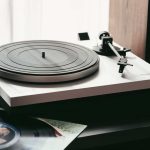
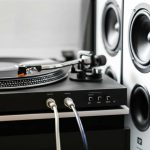
Looking for the best speaker brand for your record player? We’ve got you covered! Get ready to enjoy amazing vinyl sound with our simple guide to awesome speaker choices that make your music shine.
Hey there, music lover! You’ve got a record player, and that’s awesome. There’s something special about the warm sound of vinyl. But to really hear those records sing, you need the right speakers. Picking them can feel a bit like trying to find a needle in a haystack, right? So many brands, so many fancy words!
Don’t worry, I’m here to help. We’ll cut through all the noise and find speakers that make your vinyl sound incredible. Think of me as your friendly guide to awesome audio. We’ll break down what really matters and find the perfect match for your record player and your ears.
Ready to dive into the world of fantastic sound? Let’s make this easy and fun!
Why Speakers Matter for Your Record Player
Your record player is the heart of your vinyl setup. It spins the record and reads the music. But the speakers are the voice. They take that signal and turn it into the sound you hear. Without good speakers, even the best record player won’t sound its best.
Imagine listening to your favorite band on a tin can. That’s kind of what bad speakers do to your music. They can make the sound flat, muffled, or just plain wrong. The right speakers, though, can bring your music to life. They add richness, detail, and a feeling of being right there in the room with the musicians.
This is where choosing the right speaker brand becomes super important. It’s not just about loudness; it’s about clarity, depth, and how faithfully the speakers reproduce the sound. We want speakers that respect the analog magic of your vinyl.
Understanding Speaker Types for Vinyl
When you’re pairing speakers with a record player, you’ll mostly be looking at a few main types. Each has its own vibe and how it works with your turntable.
Passive vs. Active Speakers
This is a big one to know. Passive speakers need a separate amplifier to power them. Think of your record player sending a weak signal, and the amplifier makes it strong enough for the speakers to play. This is a traditional setup and often gives you more flexibility to upgrade parts later.
Active speakers, on the other hand, have the amplifier built right into them. This means they plug directly into your record player (or a phono preamp). It’s a simpler setup, often with fewer wires. They’re great for a clean look and easy connection.
Bookshelf vs. Floorstanding Speakers
Bookshelf speakers are smaller. They’re designed to sit on shelves, stands, or your desk. They’re usually more affordable and great for smaller rooms. They offer a good balance of sound quality and size.
Floorstanding speakers are larger. They sit directly on the floor and tend to have bigger drivers (the parts that make sound). This usually means they can produce a fuller, more powerful sound, especially in larger rooms. They can really fill a space with music.
What Makes a Great Speaker for Record Players?
So, what should you look for? It’s not just about the brand name. It’s about how the speaker handles the specific sound profile of vinyl.
Sound Signature: Warmth and Detail
Vinyl is known for its warm, natural sound. Some speakers can exaggerate this, making it sound muddy. Others might be too bright, losing that vinyl charm. You want speakers that offer a balanced sound. They should have a bit of warmth but also be clear enough to hear all the details in your music.
Think about the difference between a raw recording and a well-mixed song. Good speakers help you hear that polished sound. They reveal the subtle nuances that make a track special.
Frequency Response: Balanced Sound Across the Board
This sounds technical, but it’s simple. Frequency response is how well a speaker can reproduce different pitches, from deep bass to high treble. For record players, you want a speaker with a relatively flat frequency response. This means it plays all the notes accurately without boosting some and ignoring others.
A good range means you’ll hear deep, satisfying bass, clear mids (where vocals live), and crisp highs without any harshness. It’s like having a full spectrum of sound.
Impedance and Sensitivity: Compatibility
These are two specs that matter for connecting speakers, especially passive ones. Impedance is like the speaker’s resistance to electrical current, measured in ohms (Ω). Sensitivity tells you how loud a speaker gets with a certain amount of power.
You want your amplifier and speakers to be a good match. Most home audio gear works well together. But it’s good to know that a lower impedance or higher sensitivity speaker will play louder with less power from your amp.
Build Quality and Materials
The way a speaker is built matters. A solid cabinet (the box) helps reduce unwanted vibrations. This means cleaner sound. High-quality drivers (the cones and domes that make sound) are also key. They are the parts that actually create the music you hear.
A well-built speaker will last longer and sound better over time. It’s an investment in your listening experience.
Top Speaker Brands for Your Record Player
Now for the fun part: looking at some brands that are known for making speakers that shine with vinyl. These brands often have a great understanding of what makes music sound good.
Klipsch: The Powerful Choice
Klipsch is famous for its horn-loaded tweeters. This design makes them incredibly efficient and dynamic. What does that mean for you? It means they can play loud and clear without a lot of power. Their sound is often described as energetic and lively.
They’re great for rock, jazz, and anything that needs a bit of punch. Many audiophiles love Klipsch for its engaging sound. It makes music feel exciting and alive.
KEF: For Clarity and Precision
KEF speakers are known for their incredible clarity and detailed sound. They use advanced technology, like their Uni-Q driver, which places the tweeter inside the mid-range cone. This helps sound come from a single point, creating a very focused and realistic soundstage.
If you love hearing every little detail in your music, from a singer’s breath to the strum of a guitar string, KEF is a fantastic option. They offer a very refined listening experience.
Bowers & Wilkins (B&W): The Premium Sound
Bowers & Wilkins is a premium brand that offers exceptional sound quality. Their speakers are engineered for accuracy and sonic purity. They aim to reproduce sound exactly as the artist intended.
B&W speakers often have a smooth, natural, and detailed sound. They are a top choice for serious listeners who want the best possible audio reproduction. They can be a bit pricier, but many feel they are worth every penny.
Wharfedale: Classic Warmth and Value
Wharfedale has a long history of making great-sounding speakers. They are particularly known for their warm and musical sound signature. This makes them a natural fit for the analog sound of vinyl.
They offer excellent value, providing high-quality audio at more accessible price points. If you want that classic, inviting speaker sound without breaking the bank, Wharfedale is a brand to consider.
ELAC: Innovation and Performance
ELAC has made a big splash in the audio world with its innovative designs and excellent performance. Their Debut series, designed by the legendary Andrew Jones, offers incredible sound for the money. They focus on accurate sound reproduction.
ELAC speakers are known for their clarity, detail, and surprisingly good bass. They are a great choice for anyone looking for modern, high-performance speakers that won’t cost a fortune.
How to Choose the Right Speaker Brand for You
Picking the best brand is just the first step. Now, let’s talk about finding the perfect model.
Consider Your Room Size
A big speaker in a small room can sound boomy. A small speaker in a huge room might sound weak.
Small Rooms (e.g., bedrooms, offices): Bookshelf speakers or smaller floorstanders are usually ideal. Brands like ELAC, Wharfedale, and KEF offer excellent compact options.
Medium Rooms (e.g., living rooms): You have more flexibility. Mid-sized bookshelf speakers or standard floorstanders from most reputable brands will work well.
Large Rooms (e.g., open-plan spaces): Larger floorstanding speakers or powered monitors with subwoofers can fill the space effectively. Klipsch and B&W have powerful options here.
Match Your Record Player and System
If you have a high-end turntable and a great phono preamp, you’ll want speakers that can keep up. If you have a more entry-level setup, you might not need the most expensive speakers. The goal is a balanced system where no single component overpowers the others.
Entry-level turntables: Look for good value speakers. Wharfedale or ELAC Debut series are great starting points.
Mid-range setups: You can explore more detailed options from KEF or Klipsch.
Audiophile setups: Bowers & Wilkins or higher-end models from KEF or Klipsch might be your sweet spot.
Listen if You Can
The absolute best way to choose is to listen. Visit a local audio store if possible. Take some of your favorite records with you. Hearing the speakers with your own music is invaluable.
Even if you can’t listen, reading reviews from trusted sources can help. Sites like CNET and TechRadar offer in-depth reviews of audio gear.
Set a Budget
Speakers can range from a couple of hundred dollars to tens of thousands. Decide how much you’re willing to spend. Remember to factor in potential costs for speaker wire, stands, or an amplifier if you’re going with passive speakers.
Speaker Comparison: A Quick Look
Let’s make it easy to see how some popular choices stack up. This table compares general characteristics, but remember, specific models within a brand can vary a lot!
| Brand | Typical Sound Profile | Best For | Price Range (General) |
|---|---|---|---|
| Klipsch | Dynamic, energetic, lively | Rock, pop, high-energy genres; large rooms | $$ – $$$$ |
| KEF | Clear, detailed, precise, neutral | All genres, critical listening, revealing details | $$ – $$$$ |
| Bowers & Wilkins | Smooth, natural, refined, detailed | High-fidelity listening, all genres, premium setups | $$$$ – $$$$$ |
| Wharfedale | Warm, musical, inviting, balanced | Classic sound, jazz, vocals, budget-conscious listeners | $ – $$$ |
| ELAC | Clear, detailed, dynamic, good value | All genres, modern setups, excellent performance-to-price ratio | $ – $$$ |
This table gives you a snapshot. For example, if you love the raw power of a live rock concert, Klipsch might be your go-to. If you’re more about hearing the subtle whispers in a folk song, KEF or B&W could be better. Wharfedale and ELAC are fantastic all-rounders that offer great sound without demanding the highest prices.
Active vs. Passive Speakers: Which is Right for You?
This choice really impacts your setup. Let’s break down the pros and cons.
Active Speakers:
Pros:
Simpler setup: Often just plug and play.
Integrated amplifier: No need for a separate amp.
Space-saving: Fewer components to clutter your room.
Often have modern features: Bluetooth, digital inputs.
Cons:
Less flexibility: You can’t easily swap out the amplifier.
May have fewer inputs than a separate system.
If the amp fails, the whole speaker might need repair.
Passive Speakers:
Pros:
More flexibility: You can choose your amplifier and upgrade components separately.
Wider selection of models and brands.
Can often handle more power for larger rooms.
Cons:
Requires a separate amplifier or receiver.
More complex setup with more wires.
Can be more expensive due to needing separate components.
Think about what’s easiest for you and what kind of sound you’re aiming for. For beginners, active speakers are often a fantastic, hassle-free way to get great sound. If you’re a budding audiophile who loves tinkering, passive speakers offer more room to grow.
Setting Up Your New Speakers
Once you’ve chosen your speakers, setting them up is usually straightforward.
For Active Speakers:
1. Connect to your record player: Most active speakers will have RCA inputs. You’ll need an RCA cable to connect from your record player’s output (or your phono preamp’s output) to the speakers.
2. Plug them in: Each speaker needs to be plugged into a power outlet.
3. Turn them on: Power them up and select the correct input on the speakers.
4. Adjust volume: Use the volume control on the speakers or your record player.
For Passive Speakers:
1. Connect to your amplifier: You’ll need speaker wire. Connect one end to the positive (+) terminal on your amplifier and the other to the positive (+) terminal on the speaker. Do the same for the negative (-) terminals.
2. Connect your record player to the amplifier: This usually involves RCA cables to the phono input on your amplifier.
3. Plug in your amplifier: Ensure your amplifier is powered.
4. Turn everything on: Power on your record player, then your amplifier. Select the correct input on the amplifier.
5. Adjust volume: Use the volume knob on your amplifier.
Pro Tip: Ensure you use good quality speaker wire. It doesn’t have to be super expensive, but avoid the thinnest, cheapest stuff you can find. For longer runs or more demanding speakers, thicker gauge wire is better.
Maintaining Your Speakers for Longevity
Keeping your speakers sounding great for years is easy.
Keep them clean: Dust them gently with a soft, dry cloth. Avoid harsh chemicals.
Avoid direct sunlight: Prolonged exposure can fade finishes and damage materials.
Control the volume: While speakers can play loud, constantly pushing them to their absolute limit can cause damage over time. Listen at sensible levels.
Protect from moisture: Keep them away from humid areas like bathrooms or steamy kitchens.
Frequently Asked Questions (FAQs)
Do I need special speakers for a record player?
You don’t necessarily need “special” speakers, but you do need speakers that sound good with the analog signal from your turntable. Brands known for their natural sound reproduction often pair very well.
Can I use Bluetooth speakers with my record player?
Most modern record players have a Bluetooth transmitter built-in, or you can add one. If your record player has Bluetooth, you can easily connect to Bluetooth speakers. However, for the absolute best sound quality, wired connections are usually preferred.
What is a phono preamp, and do I need one?
A phono preamp boosts the very weak signal from your turntable’s cartridge to a level that a regular amplifier or active speakers can use. Many modern turntables have one built-in. If yours doesn’t, you’ll need an external phono preamp to connect to your speakers or amplifier.
How important is speaker placement?
Speaker placement is crucial! Ideally, place them at ear level, away from walls, and form an equilateral triangle with your listening position. Experimenting with placement can significantly improve the sound.
Should I buy powered speakers or passive speakers?
It depends on your setup and preference. Powered (active) speakers are simpler and great for beginners. Passive speakers offer more flexibility if you already have or plan to buy an amplifier.
What does “warm sound” mean for speakers?
A “warm sound” typically means the speakers emphasize the lower-midrange frequencies. This can make music sound rich, full, and inviting, which is often associated with the natural character of vinyl.
Are expensive speakers always better?
Not necessarily. While higher prices often mean better components and engineering, there are many fantastic speakers at various price points. It’s more about finding the best match for your specific needs and budget.
Conclusion: Your Vinyl Sound Journey
So there you have it! Choosing the best speaker brand for your record player doesn’t have to be overwhelming. We’ve explored why speakers are so vital, what to look for in terms of sound, and highlighted some fantastic brands like Klipsch, KEF, Bowers & Wilkins, Wharfedale, and ELAC.
Remember, the “best” speaker is the one that sounds best to you* and fits your setup and budget. Whether you go for the dynamic punch of Klipsch, the refined clarity of KEF, or the classic warmth of Wharfedale, you’re on your way to an amazing listening experience.
Don’t be afraid to experiment a little, read reviews, and if possible, listen before you buy. Your vinyl collection deserves to be heard in all its glory.
Now go enjoy amazing sound and make every moment louder and better!