Connect your Bluetooth speaker easily! This guide shows you simple steps to pair your devices for great sound anywhere, in minutes. No tech jargon, just clear instructions for awesome audio.
Hey there, tech explorers! Max here from AffTechy.com. So, you’ve got this cool new Bluetooth speaker, right? You’re ready to blast your favorite tunes, dive into an epic podcast, or make movie night sound incredible. But then comes that little question mark: how do you actually get your phone or tablet to talk to your speaker?
It can feel a bit like learning a new language sometimes, with all the buttons and blinking lights. But trust me, it’s way easier than it looks! I remember my first Bluetooth speaker; I thought I needed a degree in computer science. Turns out, it’s just a few simple steps.
We’re going to make connecting your Bluetooth speaker super simple. Think of me as your tech buddy, guiding you through it. We’ll cover everything from turning it on to getting that perfect connection. Let’s dive in and get your sound system rocking!

What is Bluetooth, Anyway?
Before we start pairing, let’s quickly chat about Bluetooth. It’s like a secret, invisible handshake between your devices. It lets them talk to each other wirelessly over short distances. This means no messy cables getting in your way!
Bluetooth is super handy for all sorts of gadgets, not just speakers. Think wireless headphones, car stereos, and even smartwatches. It’s all about making life a little more convenient and a lot less tangled.
Getting Your Speaker Ready
The first step is always to get your speaker ready to play. Most Bluetooth speakers need a little juice to get going.
Step 1: Power Up Your Speaker
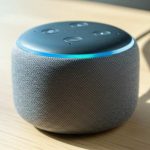
Most Bluetooth speakers have a power button. You might need to press and hold it for a few seconds. Look for a light that turns on, often blue or white. This usually means it’s awake and ready.

Some speakers have a charging port. Make sure it has enough battery before you start. A dead speaker won’t be much fun, even with the perfect connection!
Step 2: Put Your Speaker in Pairing Mode
This is the most important part! Your speaker needs to tell other devices, “Hey, I’m available to connect!” This is called “pairing mode.”
How you do this varies a bit by speaker. Often, there’s a dedicated Bluetooth button. You might need to press and hold this button until a light starts blinking rapidly. Sometimes, it’s the same power button you use to turn it on.
Check your speaker’s manual if you’re unsure. It’s usually a small booklet that came in the box. Or, you can often find it online by searching for your speaker’s model number.
Connecting Your Phone or Tablet
Now that your speaker is ready, let’s get your phone or tablet involved. The process is very similar for most smartphones and tablets, whether they’re iPhones, Androids, or iPads.
Step 3: Turn On Bluetooth on Your Device
On your phone or tablet, you need to switch on Bluetooth.
For iPhones/iPads: Go to `Settings`. Tap on `Bluetooth`. Make sure the switch is turned ON (it will be green).
For Android Devices: Go to `Settings`. Tap on `Connections` or `Connected devices`. Tap on `Bluetooth`. Make sure the switch is turned ON.
Once Bluetooth is on, your device will start looking for nearby Bluetooth devices.
Step 4: Find and Select Your Speaker
Your phone or tablet will show a list of available Bluetooth devices. Look for the name of your speaker. It might be something like “JBL Flip 5” or “Bose SoundLink Mini.”
Tap on the name of your speaker in the list. Your device will then try to connect.
Step 5: Confirm the Connection
Sometimes, you might see a prompt asking you to confirm the pairing. This is like a security check. You might see a code or just a simple “Pair” button. Tap to confirm.
Once connected, your speaker will usually make a little sound, and the blinking light on the speaker will often turn solid. Your phone or tablet will also show that the speaker is connected.
Connecting to Other Devices
Once your speaker is paired with one device, it remembers it. But what if you want to connect to a laptop or a different phone?
Connecting to a Computer (Windows)
1. Put your Bluetooth speaker in pairing mode.
2. On your Windows computer, go to `Settings`.
3. Click on `Devices` (or `Bluetooth & devices`).
4. Make sure Bluetooth is turned ON.
5. Click on `Add Bluetooth or other device`.
6. Select `Bluetooth`.
7. Your computer will search for devices. Select your speaker from the list.
8. Click `Connect`.
Connecting to a Computer (Mac)
1. Put your Bluetooth speaker in pairing mode.
2. On your Mac, click the Apple menu ().
3. Go to `System Preferences`.
4. Click on `Bluetooth`.
5. Make sure Bluetooth is turned ON.
6. Your Mac will search for devices. Select your speaker from the list.
7. Click `Connect`.
Connecting to a Second Device
Many Bluetooth speakers can connect to more than one device, but usually only play audio from one at a time. To switch devices, you often just need to pause playback on the first device and start playback on the second.
Some advanced speakers might allow you to “multi-point pairing,” meaning they can remember two devices simultaneously. You’ll usually find this feature mentioned in the speaker’s specs.
Troubleshooting Common Connection Issues
Sometimes, things don’t connect perfectly on the first try. Don’t worry, this happens to everyone! Here are a few common fixes.
Speaker Not Showing Up in the List?
Is it in pairing mode? Make sure the Bluetooth light is blinking. If it’s solid, it might already be connected to something else.
Is Bluetooth on your device enabled? Double-check your phone or tablet settings.
Are they close enough? Bluetooth works best when devices are within about 30 feet (10 meters) of each other.
Restart everything! Turn off Bluetooth on your device, turn off your speaker, then turn them back on and try again.
Connection Keeps Dropping?
Distance: Try moving your device and speaker closer together.
Interference: Other wireless devices, microwaves, or even thick walls can sometimes interfere with the signal. Try moving to a different spot.
Low Battery: A low battery on either the speaker or your device can sometimes cause connection problems.
Outdated Software: Make sure your device’s operating system and the speaker’s firmware (if applicable) are up to date.
Speaker Won’t Play Sound?
Volume: Check the volume on both your device and the speaker itself.
Correct Device Selected: Make sure your phone or tablet is actually set to play audio through the Bluetooth speaker. Sometimes, it might default back to the device’s internal speaker.
App Issues: Try playing audio from a different app to see if the problem is with a specific app.
Understanding Bluetooth Speaker Features
When you’re looking at Bluetooth speakers, you’ll see all sorts of specs. Here’s a quick rundown of what some of them mean.
Key Features to Know
Bluetooth Version: Newer versions (like Bluetooth 5.0 or 5.1) offer better range, faster speeds, and more stable connections than older ones.
Battery Life: This tells you how long the speaker can play music on a single charge. Look for something that fits your needs, whether it’s a few hours for a picnic or all day for a party.
Water Resistance (IP Rating): An IP rating (like IPX7) tells you how well the speaker can handle water and dust. IPX7 means it can be submerged in water up to 1 meter for 30 minutes! Perfect for pool parties or the bathroom.
Sound Quality: This is subjective, but brands often talk about bass, clarity, and loudness. Reading reviews can help you get a sense of how it sounds.
Portability: Some speakers are small and light for easy carrying, while others are larger for better sound but less portable.
Connectivity Options: Some speakers also have an AUX input (a headphone jack-style port) so you can connect devices with a cable if Bluetooth isn’t an option.
Here’s a quick comparison of some popular Bluetooth speaker types:
| Speaker Type | Typical Battery Life | Portability | Water Resistance | Best For |
| :—————– | :——————- | :———- | :————— | :——————————————- |
| Mini/Portable | 6-12 hours | High | Often basic | On-the-go, travel, small rooms |
| Mid-Size | 10-20 hours | Medium | Varies | Gatherings, outdoor use, living rooms |
| Rugged/Waterproof | 8-15 hours | Medium | High (IPX7+) | Adventures, beach, poolside, shower |
| Smart Speaker | N/A (needs Wi-Fi) | Low | Varies | Home audio, voice control, smart home |
| High-Fidelity (Hi-Fi) | 15+ hours | Low | Rarely | Audiophiles, dedicated listening rooms |
This table gives you a good starting point for what to expect from different kinds of speakers. For example, if you plan to take your music to the beach, a rugged speaker with a high IP rating is a must-have. If you just want background music in your office, a smaller, more portable option might be perfect.
Tips for the Best Bluetooth Experience
Want to get the most out of your Bluetooth speaker? Here are a few pro tips.
Maximize Your Sound
Placement Matters: Don’t hide your speaker in a corner! Placing it out in the open, ideally at ear level, can make a big difference in sound quality.
Firm Surfaces: Putting your speaker on a solid surface can help improve bass response. Avoid soft, absorbent surfaces like thick carpets or beds.
Keep it Charged: Most speakers sound their best when they have a full charge.
Maintaining Your Speaker
Clean Gently: Use a soft, dry cloth to wipe down your speaker. For stubborn grime, a slightly damp cloth might work, but avoid getting water into any openings, especially if it’s not waterproof.
Update Firmware: Some speakers can be updated via an app or a computer. Check the manufacturer’s website periodically for updates, as they can sometimes improve performance or fix bugs.
* Store Properly: If you’re not using your speaker for a while, store it in a cool, dry place.
A fun fact: The first Bluetooth-enabled commercial product was actually a headset, released in 2000! It was a far cry from today’s sleek speakers, but it paved the way for all the wireless convenience we enjoy now.
For more in-depth reviews and comparisons of the latest Bluetooth speakers, sites like CNET and TechRadar are fantastic resources. They test a wide range of products and give you the lowdown on what’s worth your money.
Frequently Asked Questions (FAQ)
Let’s clear up a few more common questions you might have.
Q1: Do I need Wi-Fi to connect a Bluetooth speaker?
A1: Nope! Bluetooth speakers use Bluetooth technology, not Wi-Fi, to connect to your devices. So, you can use them anywhere, even without an internet connection.
Q2: Can I connect my Bluetooth speaker to my TV?
A2: Some TVs have built-in Bluetooth, and if yours does, you can connect your speaker just like you would your phone. If your TV doesn’t have Bluetooth, you might need a separate Bluetooth transmitter that plugs into your TV’s audio output.
Q3: How far can my Bluetooth speaker be from my device?
A3: The typical range for Bluetooth is about 30 feet (10 meters) in an open area. Obstacles like walls can reduce this range.
Q4: Why does my speaker sound distorted or crackly?
A4: This could be due to a few things: the volume is too high on either the speaker or your device, the speaker is too far from your device, or there’s interference from other wireless signals. Try moving closer and checking the volume levels.
Q5: Can I connect two Bluetooth speakers at once to my phone?
A5: Most phones and speakers only support connecting to one Bluetooth audio device at a time. However, some newer phones (like certain iPhones and Android models) and some specific speaker systems allow for “stereo pairing” or connecting multiple speakers for a more immersive sound experience. You’ll need to check your phone and speaker’s capabilities for this.
Q6: How do I update my Bluetooth speaker’s software?
A6: Many manufacturers offer a companion app for their speakers. You can usually download this app from your phone’s app store. The app will guide you through checking for and installing any available firmware updates for your speaker.
Q7: What does it mean when my speaker’s light is blinking blue versus solid blue?
A7: A blinking blue light usually means the speaker is in pairing mode and is actively looking to connect to a new device. A solid blue light typically indicates that the speaker is successfully connected to a device and is ready to play audio.
Enjoy Your Wireless Sound!
See? Connecting a Bluetooth speaker is really that straightforward. You’ve learned how to power it up, get it into pairing mode, and link it with your phone, tablet, or computer. We even covered some common troubleshooting tips and what those technical terms really mean.
Now you’re all set to enjoy your favorite music, podcasts, and movies with awesome wireless sound. Whether you’re relaxing at home, having a backyard barbecue, or heading out on an adventure, your Bluetooth speaker is ready to go. Don’t be afraid to experiment and find the perfect spot for your speaker to sound its best.
Go ahead, give it a try! You’ve got this. Now go enjoy amazing sound and make every moment louder and better!