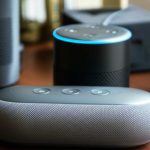
Yes, a portable sound box can often connect with Alexa, but not all of them. The connection method depends on the sound box’s capabilities, typically involving Bluetooth or Wi-Fi integration. This allows you to control music playback and other Alexa functions through your portable speaker for an enhanced audio experience.
So, you’ve got this awesome portable sound box, right? It’s perfect for jamming out at the park, chilling on the patio, or just bringing your tunes anywhere. And then there’s Alexa, your trusty voice assistant, always ready to play your favorite song or tell you the weather. The big question pops up: can your portable sound box actually connect with Alexa? It’s a super common question, and the answer is, well, it’s a bit of a mixed bag, but often, the answer is a resounding “yes,” with a few important “buts.”
Think of it like this: your portable sound box is a fantastic musician, and Alexa is the conductor. For them to perform together seamlessly, they need to speak the same language or have a reliable intermediary. Not every sound box is equipped to directly understand Alexa’s commands, but many can be brought into the fold through clever connections. We’re going to dive deep into how this can work, what you need to look for, and how you can get your portable audio setup talking to your favorite voice assistant.
This isn’t just about playing music louder. It’s about unlocking a new level of convenience and control over your audio experience. Imagine asking Alexa to play a specific playlist on your portable speaker while you’re busy cooking, or setting the mood for a party without even touching your phone. That’s the magic we’re exploring. Let’s break down the ways your portable sound box can connect with Alexa, making your listening experience smarter and more immersive.
Key Takeaways
- Not all portable sound boxes are Alexa-compatible out-of-the-box. The ability to connect depends on whether the sound box has built-in smart capabilities or supports standard connectivity like Bluetooth.
- Bluetooth is a common connection method. Many portable sound boxes use Bluetooth, which allows them to pair with Alexa-enabled devices like Echo speakers.
- Wi-Fi connectivity opens up more possibilities. Sound boxes with Wi-Fi can sometimes be directly integrated with Alexa for seamless voice control and music streaming.
- Some sound boxes are designed with Alexa integration in mind. Brands like Bose and Sonos offer smart speakers that work natively with Alexa.
- Using an Echo device as an intermediary is often necessary. If your portable sound box only has Bluetooth, you’ll likely connect it to an Echo speaker, which then acts as the hub for Alexa commands.
- Direct Alexa integration requires specific features. For a portable sound box to be controlled directly by Alexa without an intermediary device, it typically needs to be a smart speaker itself or have Alexa built-in.
- Check your sound box’s specifications. Always refer to your portable sound box’s manual or manufacturer’s website to confirm its compatibility and connection methods with Alexa.
📑 Table of Contents
Understanding the Connectivity Landscape
The core of whether your portable sound box can connect with Alexa lies in its connectivity features. Most portable sound boxes, especially the more budget-friendly ones, rely on Bluetooth for audio playback. Higher-end or specifically designed smart speakers might offer Wi-Fi connectivity as well. Alexa, on the other hand, operates primarily over Wi-Fi and utilizes Bluetooth for pairing with other devices. This difference in how they “talk” is what dictates the connection possibilities.
Bluetooth: The Most Common Bridge
Bluetooth is the unsung hero of portable audio. Your portable sound box likely has Bluetooth. This is great news because Alexa-enabled devices, like the Amazon Echo series, also have Bluetooth capabilities. This means you can often pair your portable sound box directly to an Echo device. In this scenario, the Echo device is the one communicating with Alexa, and it then streams the audio to your portable sound box via Bluetooth. This effectively turns your portable sound box into a wireless speaker for Alexa.
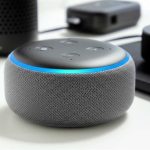
For example, if you have an Amazon Echo Dot, you can go into the Alexa app, navigate to the settings for your Echo Dot, and find the option to “Pair a New Device” under Bluetooth. Once paired, you can ask Alexa to play music, podcasts, or audiobooks, and the sound will come out of your portable sound box. This is a fantastic way to get richer sound from your Alexa interactions without needing a dedicated smart speaker in every room. It’s a similar principle to how Can Alexa Connect To Bluetooth Speaker works, where the Alexa device acts as the source.
Wi-Fi: For Deeper Integration
Some portable sound boxes are more advanced and come equipped with Wi-Fi connectivity. These are often marketed as “smart speakers.” If your portable sound box has Wi-Fi and supports direct integration with voice assistants, then it’s a much more seamless experience. These speakers can often connect directly to your home Wi-Fi network and might even have Alexa built-in, or they can be controlled by Alexa through specific skills or integrations.
Brands like Sonos and Bose have offerings that are designed to work with Alexa, either by having Alexa built-in or by being compatible with Alexa’s ecosystem. When a sound box uses Wi-Fi for integration, it means it can receive commands directly from Alexa over the internet, rather than relying on a Bluetooth link. This often results in better audio quality, more stable connections, and the ability to use more advanced Alexa features. This is the route to consider if you’re looking for true smart speaker functionality from a portable device. We explore this further in articles like Can Alexa Connect To Wifi Speakers Instead Of Bluetooth Amazing.
Methods for Connecting Your Portable Sound Box to Alexa

Visual guide about Can Portable Sound Box Connect with Alexa
Image source: techsynchron.com
The actual process of getting your portable sound box and Alexa to work together can vary. It mostly boils down to whether you’re using an Alexa-enabled device (like an Echo) as an intermediary or if your portable sound box is smart enough to connect directly.
Method 1: Using an Echo Device as a Bluetooth Speaker Hub
This is the most common and accessible method for many users. If your portable sound box has Bluetooth but isn’t a smart speaker itself, you’ll pair it with an Amazon Echo device.
Step-by-Step Bluetooth Pairing:
- Put your portable sound box into pairing mode. This usually involves pressing and holding a Bluetooth button until an indicator light flashes or you hear a pairing tone. Refer to your sound box’s manual for specific instructions.
- Enable Bluetooth on your Echo device. Open the Alexa app on your smartphone or tablet. Go to Devices, select your Echo device, and then choose “Bluetooth.”
- Initiate pairing from the Alexa app. Tap “Pair a New Device.” Alexa will then search for nearby Bluetooth devices.
- Select your portable sound box from the list. Once your sound box appears in the list of available devices, tap on it to connect.
- Confirm the connection. You should hear a confirmation sound from your Echo device, and your portable sound box should indicate it’s connected.
Once connected, any audio played through your Echo device will now come out of your portable sound box. This is an excellent way to enhance the sound of your Echo without replacing it. It’s akin to how you might connect an Echo Dot to a Bluetooth speaker for improved audio, as discussed in Can Echo Dot Connect To Bluetooth Speaker Amazing Guide.
Method 2: Direct Wi-Fi Integration (for Smart Sound Boxes)
If your portable sound box is a smart speaker with Wi-Fi capabilities and Alexa integration, the process is usually managed through the manufacturer’s app and the Alexa app.
Steps for Direct Integration:
- Set up your portable sound box. Follow the manufacturer’s instructions to connect your sound box to your home Wi-Fi network using its dedicated app.
- Enable Alexa skills. In the Alexa app, go to “Skills & Games” and search for the skill associated with your sound box’s brand (e.g., “Sonos Skill,” “Bose Skill”). Enable the skill.
- Link your accounts. You’ll likely need to link your account from the sound box manufacturer’s app to your Amazon account.
- Discover devices. Once linked, ask Alexa to “Discover devices.” Alexa should then find your connected portable sound box.
This method allows your portable sound box to function as a standalone Alexa device or be part of an Alexa multi-room audio setup. For instance, if you have a Bose or Sonos speaker that supports Alexa, you can control it directly, as covered in Can I Use Alexa With Bose Or Sonos Speakers Amazing.
What to Look for in an Alexa-Compatible Portable Sound Box
When you’re in the market for a new portable sound box and want it to play nicely with Alexa, there are a few key features to keep an eye out for. These will help you avoid disappointment and ensure you get a device that meets your needs.
Built-in Alexa or Alexa Compatibility
The most straightforward option is a portable sound box that has Alexa built-in. These devices are essentially portable Echo devices with enhanced audio. You can control them directly with your voice, and they connect to your Wi-Fi network for all Alexa functionalities.
Alternatively, look for sound boxes that explicitly state they are “Works with Alexa” or have an Alexa certification. This usually means they can be controlled via an Alexa command through an intermediary Echo device, or they integrate with Alexa through a specific skill.
Bluetooth Version and Stability
If you’re planning to use Bluetooth connectivity, ensure your portable sound box has a relatively recent Bluetooth version (e.g., Bluetooth 4.2 or higher). Newer versions offer better range, faster pairing, and more stable connections, which are crucial for a smooth audio experience when streaming from an Alexa device.
App Support and Ecosystem Integration
Many smart sound boxes come with companion apps that allow for advanced settings, firmware updates, and integration with other smart home devices. Check if the manufacturer’s app is user-friendly and if it offers seamless integration with the Alexa app. This is particularly important for Wi-Fi connected devices.
Portability vs. Smart Features
There’s often a trade-off between how portable a sound box is and how many smart features it offers. True smart speakers with Wi-Fi can sometimes be bulkier or have shorter battery lives compared to simpler Bluetooth-only portable speakers. Decide what your priorities are: maximum portability or advanced voice control and smart home integration.
Maximizing Your Portable Sound Box with Alexa
Once you have your portable sound box connected to Alexa, you can unlock a world of possibilities. It’s not just about playing music; it’s about making your life easier and your entertainment more engaging.
Voice-Controlled Music Playback
This is the most obvious benefit. You can ask Alexa to play specific songs, artists, albums, genres, or playlists from services like Amazon Music, Spotify, Apple Music, and more. For example, “Alexa, play my ‘Chill Vibes’ playlist on Spotify.” The sound will stream through your connected portable sound box.
Hands-Free Smart Home Control
If you have other smart home devices, like lights, thermostats, or smart plugs, you can control them using voice commands through your portable sound box if it’s connected to an Echo device. “Alexa, turn off the living room lights” can be spoken while you’re relaxing outdoors with your portable speaker.
Setting Timers, Alarms, and Reminders
Need to set a timer for cooking or an alarm for a meeting? Just ask Alexa. The audible alerts will come from your portable sound box, ensuring you don’t miss a thing, even if you’re in another part of the house or yard.
Getting Information and Answering Questions
Curious about the weather, the latest news headlines, or a trivia question? Alexa can provide answers, and you’ll hear them clearly through your portable sound box.
Troubleshooting Common Connection Issues
Sometimes, technology doesn’t cooperate perfectly. If you’re having trouble connecting your portable sound box with Alexa, here are a few common issues and how to fix them.
Bluetooth Pairing Problems
* Ensure devices are in pairing mode: Double-check that both your portable sound box and your Echo device are discoverable.
* Distance and interference: Keep the devices relatively close to each other and away from other potential sources of wireless interference (like microwaves or other Bluetooth devices).
* Forget and re-pair: In the Alexa app, “forget” your sound box from the Bluetooth settings and then try pairing again. Do the same on your sound box if it has a list of paired devices.
* Restart devices: Sometimes a simple power cycle of both the sound box and the Echo device can resolve connection glitches.
Wi-Fi Connectivity Issues (for Smart Speakers)
* Check your Wi-Fi network: Ensure your home Wi-Fi is working correctly and that your portable sound box is within range of your router.
* Restart your router: A common fix for many connectivity problems is to simply restart your home router.
* Update firmware: Make sure both your portable sound box and your Echo devices have the latest firmware updates installed.
* Re-link accounts: If you’re experiencing issues with Alexa skills, try unlinking and then relinking the manufacturer’s skill in the Alexa app.
Audio Quality or Lag
* Bluetooth codecs: While less common for users to adjust, different Bluetooth codecs can affect audio quality. Newer devices usually handle this automatically.
* Wi-Fi signal strength: For Wi-Fi connected devices, a weak Wi-Fi signal can lead to stuttering or dropouts.
* Interference: Other wireless devices can interfere with the signal, causing lag. Try moving devices around.
Are There Any Limitations?
While connecting a portable sound box to Alexa is often possible and beneficial, it’s important to be aware of potential limitations. The most significant limitation is that not all portable sound boxes are created equal. If a sound box lacks Bluetooth or Wi-Fi connectivity entirely, it simply won’t be able to connect to Alexa in any meaningful way.
Also, when using Bluetooth, your Echo device is doing the heavy lifting of processing Alexa commands. This means that the performance of your sound box is dependent on the capabilities of your Echo device. If you’re trying to stream high-fidelity audio or use complex Alexa routines, the Bluetooth connection might introduce some lag or a slight degradation in audio quality compared to a direct Wi-Fi connection. For the best experience with Alexa, look for devices specifically designed for smart home integration or those with Alexa built-in.
In conclusion, the ability for your portable sound box to connect with Alexa is very real and achievable for many users. Whether it’s through the straightforward Bluetooth pairing with an Echo device or a more integrated Wi-Fi connection with a smart speaker, you can certainly enhance your audio experience and unlock the convenience of voice control. By understanding the connectivity options available and knowing what to look for in a sound box, you can ensure your portable audio setup becomes a powerful extension of your smart home ecosystem. So go ahead, explore the possibilities, and let your portable sound box and Alexa work together to create a more dynamic and responsive listening environment.
Frequently Asked Questions
Can I use any portable Bluetooth speaker with Alexa?
Generally, yes, you can connect most portable Bluetooth speakers to an Alexa-enabled device like an Echo speaker. The Alexa device will act as the source, and the Bluetooth speaker will play the audio. However, the portable speaker itself won’t have Alexa built-in unless specifically designed to do so.
What is the difference between connecting via Bluetooth and Wi-Fi for Alexa?
Bluetooth is a direct device-to-device connection, useful for streaming audio from an Alexa device (like an Echo) to your portable speaker. Wi-Fi integration usually involves the portable speaker connecting directly to your network and potentially having Alexa features built-in or controlled via a specific skill, offering a more seamless smart experience.
Do I need an Amazon Echo device to connect my portable sound box to Alexa?
If your portable sound box only has Bluetooth, then yes, you typically need an Alexa-enabled device (like an Echo, Echo Dot, or Echo Show) to act as the intermediary to send commands to Alexa and stream audio to your speaker.
Can my portable sound box control Alexa directly?
Only if your portable sound box is a smart speaker with Alexa built-in or has explicit Alexa compatibility that allows direct integration. A standard Bluetooth speaker cannot directly control Alexa; it can only play audio streamed to it by an Alexa-enabled device.
How can I tell if my portable sound box is compatible with Alexa?
Check the product’s specifications or manual. Look for mentions of “Alexa compatibility,” “Works with Alexa,” or features like built-in Alexa, Wi-Fi streaming capabilities, or specific integration with voice assistants.
Will connecting my portable speaker to Alexa improve its sound quality?
Connecting a portable Bluetooth speaker to an Alexa device can provide richer audio than a smaller smart speaker might offer. However, the sound quality ultimately depends on the quality of your portable speaker itself. It’s more about convenience and enhanced volume or bass.