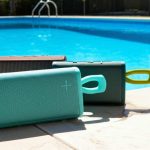
When choosing a waterproof sound box, understanding IP ratings is crucial. IP67 offers superior protection against dust and immersion compared to IPX5, which primarily guards against water jets. Therefore, for robust outdoor use, IP67 is generally better than IPX5.
## Is IP67 Better Than IPX5 for a Waterproof Sound Box? Let’s Dive In!
So, you’re on the hunt for a sound box that can keep the tunes flowing, no matter where your adventures take you. Beaches, poolsides, mountaintops, or just your own backyard – you want a speaker that’s tough. And when it comes to toughness, you’ll inevitably bump into terms like “IP ratings.” You’ve probably seen “IP67” or “IPX5” plastered on product descriptions. But what do they actually mean, and which one is actually better for your waterproof sound box?
This is a question many music lovers ask when they want a speaker that can handle a bit of life’s chaos. Is one simply “more waterproof” than the other? The answer isn’t always a simple yes or no, but understanding the nuances can save you from a soggy, silent speaker and ensure you get the right protection for your needs. Let’s break down these mysterious codes and figure out which IP rating truly offers superior protection for your sound box.
### Demystifying the IP Rating System: What Do Those Numbers Mean?
The International Protection (IP) rating system is designed to give you a clear idea of how well a device is protected against solid objects (like dust) and liquids (like water). It’s a standardized system, so you can compare protection levels across different brands and products. An IP rating consists of two digits. The first digit refers to solid particle protection, and the second digit refers to liquid ingress protection.
* The First Digit (Solids): This number ranges from 0 to 6. A ‘0’ means no protection, while a ‘6’ means the device is completely dust-tight. This is super important because dust can wreak havoc on electronic components, causing them to overheat or short circuit.
* The Second Digit (Liquids): This number ranges from 0 to 9. It tells you how protected the device is against water. The higher the number, the greater the protection. ‘0’ means no protection, while ‘9’ offers protection against high-pressure, high-temperature water jets.
So, when we talk about IP67 and IPX5, we’re looking at different levels of defense against the elements. Let’s dissect each one.
### Understanding IPX5: Protection Against Water Jets
Let’s start with IPX5. The ‘X’ in the rating means that the device has not been specifically tested or rated for dust ingress. So, we’re focusing solely on the water protection.
* The ‘5’ in IPX5: This digit signifies that the device is protected against water jets. Imagine your sound box sitting on the deck of a boat, and someone splashes water on it, or it’s caught in a light sprinkler system. An IPX5-rated speaker should be able to withstand this.
* What it means in practice: The device can be exposed to water projected from a nozzle (6.3 mm) at a flow rate of 12.5 liters per minute from a distance of 3 meters, for at least 3 minutes. This is essentially protection against splashes and low-pressure water streams from any direction.
* Where it’s useful: An IPX5 rating is pretty good for everyday use where your speaker might encounter splashes. Think about using it in the kitchen while washing dishes, on a patio during a light rain shower, or by the pool where casual splashes might occur. It’s a decent level of water resistance for many common scenarios.
However, the ‘X’ is a significant point. It means you can’t assume any level of dust protection. If you’re planning to take your sound box to a dusty beach or a construction site, IPX5 might leave it vulnerable to grit and grime that can get inside and cause damage.
### Understanding IP67: The Gold Standard for Water and Dust Resistance
Now, let’s look at IP67. This rating is often considered a sweet spot for robust portable electronics, especially those intended for outdoor use.
* The ‘6’ in IP67: This is the highest rating for dust protection. It means the device is completely dust-tight. No dust or solid particles of any size should be able to enter the enclosure. This is a major advantage in dusty environments.
* The ‘7’ in IP67: This digit signifies a high level of water resistance. Specifically, it means the device can be submerged in water up to 1 meter deep for 30 minutes without water ingress that could cause harm.
* What it means in practice: This is a much more significant level of protection than IPX5. Not only is it dust-tight, but it can also survive a temporary dip in the water. If your sound box accidentally falls into a shallow pool, a puddle, or even the sink, it has a good chance of coming out unscathed. This is incredibly reassuring for outdoor activities.
Think about taking your speaker on a camping trip where dust and dew are common, or kayaking where it might get splashed or even briefly submerged if dropped. The IP67 rating provides a much higher degree of confidence in these situations. For any activity where your sound box is likely to be exposed to more than just casual splashes, IP67 is a clear winner.
### Comparing IP67 and IPX5: Which Offers Better Protection?
When directly comparing IP67 and IPX5 for a waterproof sound box, **IP67 is unequivocally better**. Here’s why:
* Dust Protection: The ‘6’ in IP67 means it’s dust-tight, a feature completely absent from the IPX5 rating (indicated by the ‘X’). Dust can be incredibly damaging to electronics. It can clog vents, wear down moving parts (though less common in modern speakers), and create short circuits. If your sound box will be used in environments where dust is present, like a beach, a campsite, or even a workshop, IP67 offers a crucial layer of protection that IPX5 simply doesn’t.
* Water Immersion vs. Water Jets: While IPX5 protects against water jets, IP67 offers protection against immersion. Being submerged in 1 meter of water for 30 minutes is a far more rigorous test than being sprayed by water jets. This means an IP67 speaker is designed to withstand accidental drops into water, which is a common mishap for portable electronics. IPX5 speakers are not designed for submersion, so even a short time underwater could be disastrous.
* Robustness for Outdoor Adventures: If you’re looking for a sound box to accompany you on kayaking trips, hiking adventures, or beach parties, you need a device that can handle a variety of potential hazards. For kayaking, for example, it’s not just about splashes; it’s also about the possibility of it falling into the water. For hiking, dust is a constant companion. In these scenarios, an IP67 rating provides the necessary reassurance.
### Practical Scenarios: When Does Each Rating Shine?
Let’s put these ratings into context with some real-world examples:
* Poolside Parties: If you’re hosting a pool party and your speaker will be near the edge, where splashes are inevitable but the speaker is unlikely to be fully submerged, an IPX5 rating might be sufficient. It can handle the occasional splash and spray from the pool. However, if there’s a chance of it accidentally falling in, you’ll wish you had IP67.
* Beach Day Bliss: A day at the beach is a prime example where IP67 really shines. The sand is fine and gets everywhere. An IP67-rated speaker will keep that sand out. Furthermore, if it gets knocked over and lands near the water’s edge, or even briefly falls into a shallow wave, the immersion protection of IP67 will be invaluable. For beach use, IP67 is the go-to.
* Camping and Hiking: These activities often involve dust, dew, and the potential for rain. An IP67 speaker is ideal. It can handle the dusty trails, unexpected showers, and even the accidental tumble into a stream or lake. If you’re planning on using your speaker in rugged outdoor environments, durability like IP67 is key.
* Shower Singing Sessions: For those who love to sing in the shower, a speaker with at least IPX5 is recommended. The steam and water splashes from the showerhead are what IPX5 is designed to handle. However, some might prefer an IP67 speaker for added peace of mind, in case it gets knocked off a shelf. Many manufacturers specifically recommend speakers with at least IPX5 for shower use.
* Backyard BBQs: For a casual backyard gathering, where the speaker is protected from direct rain and major spills, an IPX5 might be enough. However, if kids are around or drinks are being spilled, the extra protection of IP67 offers more security.
### Beyond the IP Rating: Other Factors to Consider
While the IP rating is a critical indicator of a sound box’s durability, it’s not the only factor.
* Build Quality and Materials: Even with a high IP rating, a speaker made with cheap plastic might not last. Look for sturdy construction, good seals, and durable materials that can withstand bumps and drops.
* Sound Quality: A waterproof speaker is still a speaker! Don’t sacrifice sound quality for durability. Read reviews and compare audio performance. For outdoor use, you might want a loud and clear speaker.
* Battery Life: If you’re taking your sound box on an adventure, good battery life is essential. You don’t want the music to stop prematurely.
* Connectivity: Bluetooth is standard, but consider the version (e.g., Bluetooth 5.0 offers better range and stability) and whether it has any auxiliary inputs.
* Portability and Size: Consider how you’ll be carrying your sound box. Some are designed for rugged portability, like those for long-distance trekking, while others are more stationary.
### The Verdict: IP67 Wins for Superior Protection
In the battle of IP67 versus IPX5 for a waterproof sound box, **IP67 clearly emerges as the superior rating**. It offers a comprehensive shield against both dust and water, including the ability to withstand temporary submersion. This makes it the ideal choice for anyone who plans to use their sound box in challenging outdoor environments, from sandy beaches and dusty trails to poolside adventures where accidental drops are a possibility.
While IPX5 provides decent protection against splashes and water jets, it lacks the critical dust-tight seal and immersion resistance that makes IP67 so reliable. If you’re investing in a portable speaker that you want to last through all your adventures, opting for an IP67 rating will give you significantly more peace of mind and a much higher degree of protection against the elements. Always consider where you’ll be using your sound box most often, and choose the IP rating that best matches those conditions.
### FAQs
What does the ‘X’ in IPX5 mean?
The ‘X’ in IPX5 signifies that the device has not been rated for solid particle protection (dust). The rating focuses solely on its water resistance capabilities against water jets.
Can an IPX5 speaker be submerged in water?
No, an IPX5 speaker is not designed for submersion. It can withstand water jets, but prolonged or deep immersion could lead to water ingress and damage.
Is IP67 truly dustproof?
Yes, the ‘6’ in IP67 is the highest dust protection rating, meaning the enclosure is completely dust-tight. No dust should be able to enter under any circumstances.
If my IP67 speaker falls into the pool, will it be okay?
An IP67-rated speaker can be submerged in up to 1 meter of water for 30 minutes without harmful water ingress. So, a brief drop into a pool should be fine, provided it’s within those parameters.
Should I always choose the highest IP rating available?
Not necessarily. The highest rating (like IP68 or IP69K) may come with a higher cost. Choose the rating that best matches your intended use. For basic splash protection, IPX4 or IPX5 might be sufficient and more budget-friendly.
Does IP67 mean it’s also saltwater resistant?
The IP rating itself does not specify resistance to saltwater. While IP67 protects against fresh water immersion, saltwater can be more corrosive. If using near the ocean, it’s best to rinse the speaker with fresh water after exposure and check the manufacturer’s specific guidelines.
Key Takeaways
- IP Ratings Explained: The first digit (6 in IP67) signifies dust protection, while the second (7 in IP67) indicates water resistance level.
- IP67: Superior Protection: IP67 means the sound box is dust-tight and can be submerged in water up to 1 meter for 30 minutes.
- IPX5: Water Jet Protection: IPX5 means the sound box is protected against low-pressure water jets from any direction.
- Dust is a Factor: For outdoor environments, dust ingress can be as damaging as water, making IP67’s dust-tight rating a significant advantage.
- Submersion vs. Splashes: IP67 offers protection against accidental drops into water, whereas IPX5 only protects against direct water sprays.
- Application Matters: For casual use near splashes, IPX5 might suffice, but for adventurous outings, IP67 provides much greater peace of mind.
- Cost vs. Protection: Generally, higher IP ratings like IP67 come with a higher price tag due to more advanced sealing and construction.
Frequently Asked Questions
What is is ip67 better than ipX5 for waterproof sound box?
is ip67 better than ipX5 for waterproof sound box is an important topic with many practical applications.