Find the perfect waterproof Bluetooth speaker for hiking by focusing on durability, sound quality, battery life, and easy portability. We’ll cover the must-have features to keep your tunes going, rain or shine, on any trail.
Hey there, fellow adventurers and music lovers! You know how much a good playlist can amp up a hike, right? It’s like having your own personal soundtrack to the great outdoors. But let’s be honest, trying to pick the right Bluetooth speaker can feel like navigating a dense forest of specs and jargon. It’s enough to make anyone’s head spin!
That’s where I come in. Think of me as your friendly guide, here to help you find that perfect, tough-as-nails, waterproof Bluetooth speaker that will be your trusty sidekick on every trail. We’re going to ditch the confusing tech talk and focus on what really matters for your outdoor adventures.
We’ll break down exactly what makes a speaker “waterproof,” what to look for in sound quality when you’re miles from anywhere, and how to make sure it lasts as long as your longest trek. Ready to find a speaker that can handle anything? Let’s make this easy and fun!

Why You Need a Waterproof Speaker for Hiking
Imagine this: you’re halfway up a mountain, the sun is shining, and your favorite upbeat song comes on. Perfect hiking vibes, right? Now, imagine a sudden downpour hits, or you accidentally drop your speaker near a stream. Uh oh. That’s why a waterproof speaker isn’t just a nice-to-have for hikers; it’s practically a must-have.
Regular speakers just aren’t built for the wild. A little splash of water can short-circuit them, dust can clog them, and a drop can shatter them. Hiking means dealing with unpredictable weather, dusty paths, and the occasional fumble. A speaker designed for these conditions means you can enjoy your music without worrying about damaging your gear. It’s about peace of mind and keeping the good times rolling, no matter what nature throws at you.
Let’s Talk About “Waterproof”: What Does It Really Mean?
When you see “waterproof” on a speaker, it’s easy to think it can go for a deep-sea dive. But it’s a bit more nuanced than that. Manufacturers use a rating system called IP (Ingress Protection) to tell you how well a device is protected against solids (like dust) and liquids (like water).
For hiking, you’ll mostly see speakers with IPX4, IPX5, IPX6, or IPX7 ratings. Here’s what those mean in plain English:
IPX4: This means the speaker is protected against splashes from any direction. So, a little rain or sweat won’t hurt it.
IPX5: It can handle low-pressure water jets. Think a gentle hose spray. Good for cleaning or light rain.
IPX6: This is tougher. It can withstand high-pressure water jets. So, if it gets caught in a strong shower or you spray it down, it should be fine.
IPX7: This is the gold standard for waterproofing. It means the speaker can be submerged in water up to 1 meter (about 3 feet) for 30 minutes. This is great if you’re hiking near lakes or rivers and it accidentally takes a dip.
So, when you’re shopping, look for those numbers! An IPX7 rating is your safest bet for serious outdoor use. It means your speaker can handle more than just a few drops.
Key Features to Look for in a Hiking Speaker
Picking the right speaker means looking beyond just the waterproof rating. There are several other things that make a speaker truly great for hitting the trails. Let’s dive into what really matters for your outdoor audio companion.
Durability is King
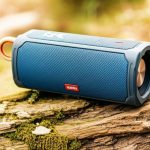
Hiking isn’t a gentle stroll in the park. Your speaker needs to be tough. Look for speakers with rugged designs, often featuring rubberized exteriors or a hard-shell casing. These materials help absorb shock if the speaker gets dropped. Think of it like a protective bumper for your music player.
Many rugged speakers also have a good weight to them, which can make them feel more stable. But you also don’t want it to be too heavy, as you’ll be carrying it in your backpack. It’s a balance!
Sound Quality That Carries
Even the most waterproof speaker is useless if it sounds tinny or weak. When you’re outdoors, there’s ambient noise from wind, birds, and other hikers. You need a speaker that can produce clear, robust sound.
Look for speakers with decent bass response and clarity. Brands often mention driver sizes or power output (in watts), but don’t get too bogged down by numbers. Reading reviews from other hikers is a great way to gauge real-world sound performance. A speaker that sounds good in a quiet room might struggle against the sounds of nature.
Battery Life: Go the Distance
Nothing kills a good hike vibe faster than a dead battery. For hiking, you want a speaker that can keep the music going for as long as possible. Aim for speakers that offer at least 10-15 hours of playback time on a single charge.
Some speakers even have power bank capabilities, meaning you can use them to charge your phone! This is a lifesaver when you’re out for extended periods and need to keep your GPS or communication devices powered up. Always check the advertised battery life and consider how much you’ll actually be using it.
Portability and Attachment Options
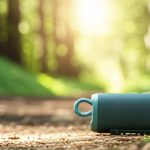
You’ll be carrying this speaker, so size and weight matter. Most waterproof Bluetooth speakers are designed to be compact and lightweight. Some are small enough to fit in a water bottle pocket, while others might be a bit larger but come with handy straps.
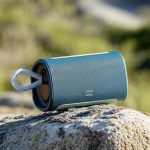
Speaking of straps, many hiking-friendly speakers include a carabiner clip or a loop. This is fantastic for attaching the speaker directly to your backpack or a tent. It keeps it accessible and out of the way. Check for these attachment points when you’re choosing.
Bluetooth Connectivity: Stable and Easy
You want your music to play without skipping or dropping out. Look for speakers that use the latest Bluetooth versions (like Bluetooth 4.2 or 5.0). Newer versions offer better range and a more stable connection. This means you can leave your phone in your pocket and the music will keep playing smoothly.
Some speakers also feature multi-point connectivity, allowing you to connect two devices at once. This can be fun if you and a hiking buddy want to share DJ duties!
Comparing Popular Waterproof Speaker Features for Hiking
To give you a clearer picture, let’s look at how some popular types of waterproof speakers stack up for hiking. These aren’t specific brands, but rather common categories you’ll find.
| Feature | Compact & Clip-On (e.g., tiny, carabiner) | Medium Rugged (e.g., classic bottle shape) | Large & Powerful (e.g., boombox style) |
|---|---|---|---|
| Waterproof Rating | IPX7 (Common) | IPX6-IPX7 (Common) | IPX5-IPX6 (More common) |
| Durability | Very High (Often rubberized, impact-resistant) | High (Robust casing, often shock-absorbent) | Moderate (Can be bulky, might be less impact-resistant) |
| Sound Quality | Decent for size, can be a bit thin | Good to Excellent, balanced sound | Excellent, loud and deep bass |
| Battery Life | 8-12 hours | 12-20 hours | 15-30+ hours |
| Portability | Excellent (Very light, clip-on) | Very Good (Fits in pockets/bags easily) | Good (Can be heavier, bulkier) |
| Attachment | Built-in carabiner or loop | Often has a loop or strap | Rarely has dedicated attachment |
| Best For | Solo hikes, minimalist packing, clipping to pack | Most hikers, balanced needs for sound, battery, and durability | Base camps, group hikes, car camping before/after hikes |
This table gives you a quick snapshot. For most hikers, a medium-sized rugged speaker often hits the sweet spot. It offers a great balance of sound, battery life, and toughness without being too bulky. However, if you’re all about saving space and just need some background tunes, a compact one is perfect. And for those who love to have a party at the campsite after a long day, the larger ones bring the boom!
Making Sure It Survives the Elements: Beyond Waterproofing
Waterproofing is a big deal, but other elements can also challenge your gear. Dust, mud, and even extreme temperatures can affect how your speaker performs.
Dust and Sand: Many IP-rated speakers are also dustproof. This is great for trails that are dry and sandy. Look for that “dust-tight” claim, often indicated by the second digit in the IP rating (e.g., IP67 means it’s dustproof and waterproof).
Mud and Grime: If your speaker gets muddy, most IPX5-rated or higher speakers can be easily rinsed off under a tap or with a gentle stream of water. Just make sure all ports are sealed before you do!
Temperature Extremes: While not always advertised, extreme heat or cold can affect battery performance and even the speaker’s materials. It’s usually best to keep your speaker out of direct, scorching sun for long periods and store it at a moderate temperature when not in use.
Thinking about these factors helps you choose a speaker that will truly stand up to the demands of your hiking adventures.
Putting It All Together: Your Hiking Speaker Checklist
So, you’re ready to shop! Here’s a quick checklist to keep in your pocket (or on your phone) as you browse. It’ll help you remember the most important things.
Waterproof Rating: Aim for at least IPX6, but IPX7 is ideal for maximum protection.
Durability: Does it feel rugged? Does it have protective corners or a rubberized finish?
Sound: Read reviews! Does it sound clear and loud enough for outdoor use?
Battery Life: Look for 10+ hours of playback. Bonus points for power bank features.
Size & Weight: Will it fit comfortably in your pack or on your gear?
Attachment: Is there a loop or carabiner for easy carrying?
Bluetooth Version: Newer versions (4.2+) mean a more stable connection.
Brand Reputation: Stick with well-known brands for better quality and support. Websites like CNET and TechRadar often have great reviews and comparisons.
Little Tips for Big Adventures
Here are a few extra bits of advice to make your speaker experience even better on the trail:
Charge it Up: Always fully charge your speaker before you head out.
Test It Out: Before your big hike, test the speaker at home. Connect it to your phone, play some music, and get familiar with the buttons.
Keep it Sealed: Make sure any port covers or caps are firmly closed before exposing the speaker to water or dust.
Clean Gently: After a muddy hike, rinse it off with cool, clean water and let it air dry completely. Avoid harsh soaps.
Pack it Smart: Use a carabiner to clip it to the outside of your backpack for easy access and to save space inside.
Frequently Asked Questions (FAQ)
Got more questions? We’ve got answers! Here are some common things beginners wonder about waterproof hiking speakers.
Q1: Can I use any Bluetooth speaker for hiking?
While you can use any Bluetooth speaker, it’s not recommended. Regular speakers aren’t built to withstand water, dust, drops, or the general wear and tear of hiking. A dedicated waterproof and rugged speaker is much more reliable and will last longer on the trail.
Q2: What’s the difference between waterproof and water-resistant?
Water-resistant means it can handle some exposure to water, like light splashes or sweat (often IPX4). Waterproof means it can be submerged in water for a specific period and depth (like IPX7). For hiking, where things can get really wet, waterproof is the way to go.
Q3: How much should I expect to spend on a good waterproof hiking speaker?
You can find decent waterproof speakers starting around $30-$50, but for better durability, sound quality, and battery life, expect to spend between $70 and $150. High-end models with premium features can go higher.
Q4: Will my phone’s battery drain faster if it’s connected to a Bluetooth speaker?
Yes, it will use a bit more battery than if it’s not connected. However, modern Bluetooth is quite efficient. The drain is usually minimal, especially compared to using Wi-Fi or having the screen on constantly. If battery is a major concern, consider a speaker with a power bank function!
Q5: Can I take my waterproof speaker swimming?
If it has an IPX7 rating or higher, yes! It’s designed to handle submersion up to a certain depth and time. However, it’s always a good idea to check the specific manufacturer’s instructions. Saltwater can be more corrosive than fresh water, so rinsing is recommended after swimming in the ocean.
Q6: What if my speaker gets dropped on a rocky trail?
If your speaker is designed for rugged use and has good impact resistance (often indicated by rubberized edges or a sturdy build), it has a good chance of surviving. Speakers with lower durability might be more susceptible to damage from drops. Again, checking reviews for drop tests or user experiences is helpful.
Q7: How do I connect my speaker to my phone for the first time?
First, turn on your speaker and put it in pairing mode (usually by pressing and holding a Bluetooth button). Then, on your phone, go to your Bluetooth settings, turn Bluetooth on, and look for your speaker’s name in the list of available devices. Tap it to connect. Easy peasy!
Ready to Hit the Trails with Great Sound!
Finding the perfect waterproof Bluetooth speaker for your hiking adventures doesn’t have to be complicated. By focusing on key features like a solid waterproof rating (IPX7 is your friend!), rugged durability, impressive battery life, and good sound quality, you’ll be well on your way to choosing a speaker that’s up for anything.
Remember to think about how you’ll use it most. Do you need something super compact that clips onto your pack? Or is a slightly bigger speaker with more power and longer battery life more your style? Use the tips and the checklist we covered, and you’ll find a match made in outdoor music heaven.
Now you’re equipped with the knowledge to pick a speaker that will be your reliable soundtrack provider on every single adventure. Go explore, go hike, and go enjoy your tunes without a single worry!