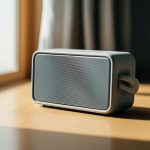
Yes, Bluetooth speaker sound quality can depend on size, but it’s not the only factor! Bigger speakers often have more room for larger drivers, which can produce richer bass and fuller sound. However, clever design and technology in smaller speakers can also deliver impressive audio.
Hey there, tech explorer! Ever find yourself lost in a sea of Bluetooth speakers, wondering which one will actually make your music sound amazing? It’s like trying to pick the perfect snack – so many options, and you just want the one that hits the spot! We all love blasting our favorite tunes, enjoying movie nights with booming sound, or getting lost in a podcast. But sometimes, the sound just doesn’t quite live up to what we imagined.
You see all these speakers, big and small, and a question pops into your head: does the size of a Bluetooth speaker really matter for how good it sounds? It’s a great question, and one that can feel a bit tricky to answer. We’ve all seen those tiny speakers that sound surprisingly good, and then there are the larger ones that leave you a bit underwhelmed. It’s enough to make your head spin!
Well, you’ve come to the right place! I’m Max, your friendly guide to all things tech, and here at AffTechy.com, we make technology simple and fun. We’re going to dive deep into this speaker size mystery. We’ll uncover the truth behind how size affects sound quality and what other cool stuff you should look out for. Get ready to understand Bluetooth speakers like never before! Let’s break it down step by step.
What Exactly Makes a Speaker Sound Good?
Before we talk about size, let’s chat about what makes any speaker sound great. It’s not just magic, although sometimes it feels like it! Several key parts work together to create the sounds you hear. Think of it like baking a cake – you need the right ingredients and the right oven temperature.
The Heart of the Sound: Speaker Drivers
The most important part inside a speaker is called a driver. This is the bit that actually moves air to create sound waves. You know those cone-shaped things you see in speakers? Those are drivers! They vibrate back and forth really fast to make the sound.
Woofers: These are usually larger drivers. They’re designed to make the low sounds, like the bass in music. Bigger woofers can move more air, which usually means deeper, richer bass.
Tweeters: These are smaller drivers. They handle the high sounds, like cymbals or vocals. They need to be precise to make those crisp, clear notes.
Mid-range Drivers: Some speakers have these too. They handle the sounds in between, like most instruments and voices.
The size and quality of these drivers are super important for how a speaker sounds.
The Brains of the Operation: Amplification
A speaker needs power to make those drivers move. This power comes from an amplifier. The amplifier takes the audio signal from your phone or device and makes it strong enough for the drivers to produce sound. A good amplifier ensures the sound is clean and powerful without distortion.
The Speaker’s Body: Enclosure and Design
The box the drivers are in, called the enclosure, also plays a big role. It’s not just a pretty shell! The enclosure helps control sound vibrations and can prevent unwanted noise. It can also affect how bass sounds.
Sealed Enclosures: These are like a perfectly airtight box. They often produce a more accurate, controlled bass sound.
Ported Enclosures: These have a tube or hole (a port) that lets air in and out. This can boost the bass, making it sound louder and deeper, but sometimes it can be less precise.
So, Does Size Really Matter for Bluetooth Speakers?
Okay, let’s get to the big question! Does a bigger Bluetooth speaker automatically sound better? In many cases, yes, but with some important “buts.”
The Advantages of Bigger Speakers
Bigger speakers usually have more space inside. This means they can fit larger drivers, especially woofers.
Better Bass: Larger woofers can move more air. This translates to deeper, more powerful bass. If you love feeling the beat in your music, a bigger speaker might be your friend.
Fuller Sound: With more space, manufacturers can often include multiple drivers (like a woofer and a tweeter) that work together. This can create a richer, more detailed sound across all frequencies.
Louder Volume: Bigger speakers can often handle more power, meaning they can get louder without sounding strained or distorted.
Imagine trying to fit a big, booming subwoofer into a tiny matchbox – it just won’t work well! A larger enclosure gives the sound room to breathe and develop.
The Trade-offs of Big Speakers
But here’s the catch: bigger isn’t always better, and it comes with its own downsides.
Portability: The most obvious one! Bigger speakers are heavier and bulkier. They’re not as easy to toss in a bag for a picnic or carry around the house.
Battery Life: Larger speakers often need more power, which can mean shorter battery life compared to smaller, more efficient models.
Price: Generally, bigger and better-sounding speakers tend to cost more.
The Magic of Small Speakers
Now, don’t count out the little guys! Technology has come a long way. Manufacturers are getting incredibly smart about squeezing great sound out of small packages.
Clever Design: Companies use advanced acoustic engineering. They might use special driver materials or design unique enclosure shapes to maximize sound in a small space.
Digital Signal Processing (DSP): This is like a tiny computer inside the speaker. DSP can adjust the sound electronically to make a small speaker sound fuller or bassier than it physically should. It’s pretty amazing!
Passive Radiators: Some small speakers use these. They look like small speakers but don’t have a voice coil – they just vibrate with the sound from the main driver. They help boost bass without taking up much space.
So, while a big speaker can offer superior bass and volume, a well-designed small speaker can be surprisingly impressive. It’s all about how they’re engineered.
Other Factors That Impact Sound Quality (Besides Size!)
Size is just one piece of the puzzle. Many other things contribute to how good a Bluetooth speaker sounds.
1. Driver Quality and Materials
Not all drivers are created equal. The materials used to make the cones and surrounds can make a huge difference. High-end materials can vibrate more accurately and produce clearer sound.
2. Amplifier Power and Quality
As we mentioned, the amplifier is crucial. A weak or poor-quality amplifier can make even the best drivers sound muddy or distorted.
3. Bluetooth Version and Codecs
This is a techy one, but it’s important! Bluetooth technology has different versions. Newer versions (like Bluetooth 5.0 and above) can offer a more stable connection and sometimes better sound quality.
Codecs: These are like translators for audio data over Bluetooth. Some codecs are better than others.
SBC (Subband Coding): This is the basic, universal codec. It works everywhere but isn’t the best for sound quality.
AAC (Advanced Audio Coding): Used a lot by Apple devices. It’s better than SBC and offers a noticeable improvement.
aptX, aptX HD, LDAC: These are higher-quality codecs. They can transmit more audio data, resulting in clearer, richer sound, especially for bass and detail. For these to work, both your device (phone/tablet) and the speaker need to support the same advanced codec.
4. Battery Life and Power Management
While not directly sound quality, a speaker that runs out of battery quickly or has inconsistent power can’t deliver a consistent listening experience. Good power management ensures the drivers get steady energy.
5. Water Resistance and Durability
This is more about where you use the speaker, but it can indirectly affect sound. Speakers designed for outdoor or rugged use might have robust build quality that also helps with acoustics.
Comparing Speaker Sizes: What to Expect
Let’s look at some general expectations for different speaker sizes. Keep in mind these are broad strokes, and exceptions always exist!
Mini/Ultra-Portable Speakers (Under 6 inches)
Sound Profile: Often lack deep bass. Sound can be a bit tinny or focused on mid-high frequencies. Good for podcasts or background music.
Pros: Super portable, long battery life, often affordable.
Cons: Limited bass, can distort at higher volumes, not ideal for immersive music listening.
Good for: Travel, small rooms, casual listening.
Compact/Portable Speakers (6-10 inches)
Sound Profile: A good balance. Can offer decent bass and clearer mids/highs. Many use passive radiators or clever design for better sound.
Pros: Good portability, decent sound for their size, often good battery life.
Cons: Bass might not be as deep or powerful as larger speakers.
Good for: Picnics, small gatherings, general home use.
Medium/Large Speakers (Over 10 inches)
Sound Profile: Can deliver much richer bass and a fuller, more room-filling sound. Often have multiple drivers for better separation.
Pros: Excellent sound quality, powerful bass, can get very loud without distortion.
Cons: Less portable, heavier, might have shorter battery life, more expensive.
Good for: Parties, home entertainment, dedicated listening.
Here’s a little table to give you a visual idea:
| Speaker Size Category | Typical Dimensions (approx.) | Typical Sound Focus | Portability | Bass Potential |
| :————————- | :————————— | :———————————————— | :———- | :————- |
| Mini/Ultra-Portable | 10 inches | Full-range, deep bass, detailed highs & mids | Fair | High |
| Note: These are general guidelines. Design and technology play a huge role. | | | | |
See? Even within size categories, there’s a range. A premium small speaker could easily outshine a budget large speaker. It’s like comparing a gourmet sandwich to a fast-food burger – size isn’t everything!
How to Choose the Right Bluetooth Speaker for You
Now that you know size isn’t the only game in town, how do you pick the perfect speaker? Think about what you’ll use it for most.
Step 1: Consider Your Listening Habits
Where will you use it? Mostly at home? Outdoors? On the go?
What kind of music do you listen to? Do you need heavy bass for electronic music, or clear vocals for podcasts?
How loud do you need it? Just for personal listening, or for filling a whole backyard?
Step 2: Think About Portability Needs
If you plan to carry it around a lot, a smaller, lighter speaker is a must. If it’s mostly staying in one room, size becomes less of a barrier.
Step 3: Check the Specs (But Don’t Get Overwhelmed!)
Look for things like:
Driver Size: If listed, larger drivers often mean better bass.
Battery Life: How many hours does it last on a charge?
Bluetooth Version: 5.0 or higher is generally better.
Supported Codecs: Look for AAC, aptX, or LDAC if your phone supports them.
Step 4: Read Reviews and Listen if Possible
This is super important! Reviews from reputable sites like CNET or TechRadar can give you real-world insights. If you can, try to listen to the speaker in person. Trust your ears!
Step 5: Set Your Budget
Bluetooth speakers range from $20 to $500+. Decide how much you want to spend. Generally, you get what you pay for, but there are great options at every price point.
Understanding Key Features in Speaker Specs
Let’s demystify some common terms you’ll see when shopping:
Frequency Response: This tells you the range of sounds (from low bass to high treble) the speaker can produce. A wider range (e.g., 50Hz – 20kHz) is generally better.
Wattage (W): This indicates the speaker’s power output. Higher wattage often means louder volume.
IP Rating: This tells you how resistant the speaker is to dust and water (e.g., IPX7 means it’s waterproof). Great for outdoor use!
Stereo Pairing: Some speakers can be paired with another identical speaker to create a true stereo sound experience. This can dramatically improve the soundstage and immersion.
Connectivity Options: Besides Bluetooth, some speakers have aux-in ports (for wired connections) or USB ports (for charging other devices).
Here’s a quick comparison of popular speaker types:
| Speaker Type | Ideal Use Case | Key Sound Characteristic | Size Factor |
| :——————— | :——————————————- | :—————————————————– | :—————— |
| Ultra-Portable | Travel, beach, background music | Clear vocals, decent for podcasts | Very Small |
| Rugged Outdoor | Camping, hiking, poolside | Durable, often water/dust resistant, balanced sound | Small to Medium |
| Home/Lifestyle | General home listening, small gatherings | Good balance of bass, mids, and highs | Medium |
| Party/Boombox | Large gatherings, outdoor events | Loud, powerful bass, room-filling sound | Large |
| Smart Speaker | Home assistant, music streaming | Varies greatly by model, often optimized for voice | Small to Medium |
| Consider your primary need to narrow down the best fit. | | | |
As you can see, size is definitely a consideration, but it’s often tied to the purpose of the speaker. A party speaker needs to be large to deliver that booming sound. A travel speaker needs to be small.
Myths and Truths About Speaker Size and Sound
Let’s bust some common myths!
Myth: Tiny speakers can never sound good.
Truth: Modern technology allows small speakers to produce surprisingly full sound, especially with advanced DSP. They might not have the deep rumble of a large speaker, but they can be very pleasing.
Myth: All large speakers sound amazing.
Truth: A poorly designed large speaker can sound worse than a well-designed small one. Materials, enclosure quality, and driver technology are just as crucial.
Myth: Bluetooth always degrades sound quality.
Truth: With newer Bluetooth versions and high-quality codecs like aptX HD or LDAC, the sound quality difference can be minimal, especially for casual listening. For audiophiles, wired connections or Wi-Fi speakers might still be preferred. You can read more about Bluetooth audio codecs on sites like TechRadar.
Maintaining Your Bluetooth Speaker for Optimal Sound
Once you’ve got your speaker, keeping it in good shape helps it sound its best for longer.
Keep it Clean: Dust can build up on speaker grilles and affect sound. Gently clean with a soft brush or microfiber cloth.
Avoid Extreme Temperatures: High heat or freezing cold can damage the battery and internal components.
Charge Responsibly: Don’t leave it plugged in for days on end if not necessary. Follow the manufacturer’s charging recommendations.
Update Firmware: Some speakers allow firmware updates via an app. These can sometimes improve performance or fix bugs.
Frequently Asked Questions (FAQ)
Q1: If I have a small speaker with good bass, does that mean it’s as good as a big speaker?
A1: It means it’s a very well-designed small speaker! It might sound great for its size, offering a rich experience. However, a larger speaker, with more physical space for drivers, can potentially produce even deeper, more powerful bass and a wider soundstage that a small speaker simply cannot replicate, no matter how clever the design.
Q2: What’s the most important factor for Bluetooth speaker sound quality?
A2: It’s a combination! But if I had to pick, the drivers (what makes the sound) and the enclosure/design (how the sound is shaped) are probably the most critical physical components. Technology like DSP and Bluetooth codecs also play huge roles in the final output.
Q3: Can I make my small Bluetooth speaker sound bigger?
A3: You can try placing it in a corner of a room, as this can naturally boost bass frequencies. Some speakers have a “bass boost” feature or EQ settings in an app that can help. However, you can’t magically add the physical capability of larger drivers.
Q4: Is a speaker with higher wattage always louder and better sounding?
A4: Higher wattage generally means it can get louder without distortion. However, a poorly designed speaker with high wattage can still sound bad. Sound quality also depends on the clarity of the sound and the richness of the tones, not just the volume.
Q5: Should I worry about Bluetooth codecs when buying a speaker?
A5: If you’re an average listener, probably not too much. Most phones and speakers support SBC or AAC, which are fine for most people. If you’re an audiophile and want the best possible wireless sound, then yes, look for speakers and ensure your phone supports higher-quality codecs like aptX HD or LDAC. You can learn more about them on sites like CNET.
Q6: I have two small speakers. Can I pair them for better sound?
A6: Yes! Many small speakers support stereo pairing, allowing you to connect two identical speakers for a left and right channel. This creates a much wider, more immersive sound experience, often making them sound much better than a single speaker.
Q7: Does the shape of a Bluetooth speaker affect its sound?
A7: Absolutely! The shape of the enclosure influences how sound waves are reflected and dispersed. Some shapes are designed to create a wider soundstage or better bass response. It’s part of the acoustic engineering.
Wrapping Up: Your Sound, Your Choice!
So, there you have it! Does Bluetooth speaker sound quality depend on size? Yes, it’s a significant factor, especially for bass and overall volume potential. Bigger speakers often have the physical advantage to produce deeper lows and a fuller sound. But, and this is a big but, clever engineering, advanced technology, and high-quality components mean that smaller speakers can deliver surprisingly impressive audio.
The truth is, the “best” speaker isn’t about size alone. It’s about finding the right balance of size, sound quality, features, and portability that fits your life and your ears. Don’t be afraid to explore! Read reviews, check out the specs, and most importantly, listen for yourself. Whether you’re looking for a tiny speaker to take on an adventure or a larger one to power your next party, there’s a perfect Bluetooth speaker out there waiting for you.
Now go enjoy amazing sound and make every moment louder and better! Happy listening!