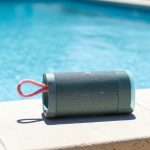
For poolside speakers, aim for an IP rating of IPX5 or higher to protect against water splashes and rain. For full submersion protection, look for IPX7 or even IPX8.
Hey there! So, you’re ready to bring the party to your pool, huh? I get it. Lounging by the water with your favorite tunes playing is pure bliss. But then comes the big question: what kind of speakers can actually handle all that poolside fun without freaking out? It can feel like a maze trying to figure out all those techy terms, right? Don’t worry, that’s exactly why I’m here.
We’ll break down what all those numbers and letters mean. We’ll figure out exactly what you need to keep your music flowing, even if a rogue wave (or a playful splash) heads your way. Think of me as your friendly tech buddy, here to make choosing the perfect poolside speaker super simple and totally stress-free. Let’s dive in and get your poolside sound system sorted!
Why Poolside Speakers Need Special Protection
Imagine this: you’re chilling, music is pumping, and suddenly someone does a cannonball. A few splashes are inevitable, right? That’s where the magic of IP ratings comes in. These little codes tell you how well your speakers can handle water and dust. Without the right rating, your awesome new speaker could turn into a very expensive paperweight after just one pool party.

This isn’t just about surviving a little splash, either. Think about rain, humidity, or even just cleaning your speakers. You want them to be tough enough for real-life situations. We’ll explore how different IP ratings offer different levels of protection, so you can pick one that’s just right for your needs. It’s all about making sure your sound system lasts and keeps the good times rolling.
What Exactly is an IP Rating?
IP stands for “Ingress Protection.” It’s a standard way to rate how well an enclosure (like a speaker’s casing) protects against two things: solid objects (like dust) and liquids (like water). Think of it as a superhero badge for your gadgets, showing their defense capabilities against the elements. It’s an international standard, so you’ll see it on all sorts of electronics, not just speakers.
The rating itself is a two-digit number. The first digit usually tells you about protection against solids, and the second digit tells you about protection against liquids. For poolside speakers, the liquid protection is usually the most important part. We’ll focus on that second digit, but it’s good to know the whole system. It’s like a secret code that unlocks the speaker’s true potential!
Breaking Down the Digits: The Nitty-Gritty
Let’s look at those two digits more closely. The first digit relates to solid particle protection. A ‘6’ here means it’s totally dust-tight – no dust can get in. The second digit is all about liquid protection. This is the one we’re really interested in for poolside speakers. It ranges from ‘0’ (no protection) all the way up to ‘8’ or even ‘9K’ in some cases, meaning it can handle more extreme water conditions.
For our purposes, we’ll mostly be concerned with the second digit. It tells us if the speaker can handle a light spray, heavy rain, or even being submerged. Knowing what each number means will help you make a super informed decision. It’s not as complicated as it sounds, I promise!
The Key IP Ratings for Poolside Speakers
When you’re shopping for speakers to use near water, you’ll see different IP ratings. Some might seem pretty good, while others are clearly built for tougher conditions. We need to know which ones are the real deal for poolside use. Let’s break down the most common and relevant ratings you’ll encounter.
This will help you understand what you’re actually buying. You don’t want to get a speaker that’s only good for a light mist when you’re planning on a full-on pool party! We’ll cover everything from basic splash resistance to full waterproofing.
IPX4: The Bare Minimum Splash Guard
An IPX4 rating means the speaker is protected against splashing water from any direction. Think of it as being able to handle a light spray or a few accidental drips. It’s better than nothing, but it’s not exactly built for heavy-duty pool action. If you’re just worried about the occasional drip from a wet hand, this might be okay.
However, for a poolside environment, I’d usually recommend looking for something a bit more robust. It’s like wearing a light jacket in a downpour – it might help a little, but you’ll probably still get wet. It’s the lowest rating we’d even consider for this kind of use.
IPX5: Ready for Light Jets
Now we’re getting somewhere! An IPX5 rating means the speaker can withstand low-pressure water jets from any direction. Imagine a garden hose set to a gentle spray. This rating is pretty good for everyday poolside use. It can handle splashes from people jumping in, or even a brief, light rain shower.
This is often a sweet spot for many portable Bluetooth speakers. They’re designed to be durable enough for outdoor adventures, and the pool is definitely an adventure! It offers a solid level of confidence that your speaker won’t be damaged by typical poolside water exposure.
IPX6: Stronger Jets, More Confidence
Stepping it up, IPX6 means the speaker is protected against high-pressure water jets. This is like a more powerful hose or even a strong wave crashing over the speaker. If you have kids who love to splash around or you’re worried about stronger sprays, IPX6 offers better peace of mind.
This rating indicates a more robust build quality. The speaker is designed to keep water from penetrating even under more forceful conditions. It’s a great choice if you want that extra layer of security for your audio investment.
IPX7: Submersible for Short Dives
This is where things get really interesting for water lovers! An IPX7 rating means the speaker can be submerged in water up to 1 meter (about 3.3 feet) deep for up to 30 minutes. This is fantastic for poolside use. If your speaker accidentally falls in, it should be just fine!
This rating is a game-changer for pool parties. It means you don’t have to panic if it takes an unexpected dip. It’s also great for bath time listening or using it in very steamy environments like a sauna. It offers a high level of protection against water ingress.
IPX8: The Deep End Champion
The highest common rating for consumer electronics, IPX8 means the speaker can be submerged in water deeper than 1 meter for an extended period. The exact depth and time are usually specified by the manufacturer, but it’s generally considered the ultimate in water protection.
If you’re looking for a speaker that can survive pretty much anything the pool environment can throw at it, including accidental drops into deeper water, IPX8 is your best bet. It’s the gold standard for water resistance in speakers.
What About Dust Protection? (The First Digit)
While water is the main concern for poolside speakers, the first digit of the IP rating still matters. Most good outdoor speakers will have a first digit of ‘5’ or ‘6’.
IP5X: This means the speaker is protected against dust ingress. Not completely dust-tight, but enough dust will not enter to interfere with its operation. This is good for dusty environments.
IP6X: This is the highest level of dust protection. It means the speaker is completely dust-tight. No dust can get in, no matter what.
For a poolside speaker, dust might not be your primary worry unless you live in a very sandy or dusty area. However, a higher first digit generally indicates a more robust and well-sealed unit overall, which is always a good thing!
Comparing IP Ratings: A Quick Look
Let’s put these ratings side-by-side so you can easily see the differences. This table shows what each common second digit means in terms of water protection.
| IP Rating (Second Digit) | Protection Against | Poolside Suitability |
|---|---|---|
| X4 | Splashing water from any direction | Basic; only for light drips or spray. Not recommended for heavy use. |
| X5 | Low-pressure water jets from any direction | Good; can handle splashes and light rain. Popular for portable outdoor speakers. |
| X6 | High-pressure water jets from any direction | Very Good; offers more protection against stronger sprays and waves. |
| X7 | Immersion in water up to 1 meter for 30 minutes | Excellent; can survive accidental drops into the pool. |
| X8 | Continuous immersion in water deeper than 1 meter (depth/time varies by manufacturer) | Ultimate; the best protection against submersion. |
See? It’s pretty straightforward once you break it down. For a truly worry-free poolside experience, you’ll likely want to aim for at least an IPX5 rating. If you’re a bit more adventurous or prone to accidental drops, IPX7 or IPX8 will give you the ultimate peace of mind. It’s like choosing between an umbrella and a full rain suit – both protect you, but one is way more robust!
So, What IP Rating is Best for Poolside Speakers?
Okay, let’s get straight to the point for your poolside adventures.
For general poolside use, splashes, and light rain: Aim for IPX5 or IPX6. This will protect your speaker from most common water encounters around the pool. It’s a solid, reliable choice for most people.
For peace of mind against accidental drops or heavier water exposure: Go for IPX7 or IPX8. If your speaker might take a tumble into the water, or you want maximum security, these are the ratings to look for. They offer submersion protection.
Anything lower than IPX5, and you’re really taking a gamble with your speaker near the water. It’s always better to have a little extra protection than not enough!
Other Features to Consider for Poolside Speakers
While the IP rating is super important, it’s not the only thing to think about. You want a speaker that sounds great and works well in an outdoor setting. Here are a few other features that make a big difference for poolside audio.
Think about how you’ll actually use the speaker. Will it be moving around a lot? Do you need it to connect to multiple devices? These extra features can really enhance your listening experience.
Sound Quality Outdoors
Outdoor spaces are different from indoor rooms. Sound can bounce around differently, and background noise (like pool chatter or traffic) can interfere. Look for speakers that are known for clear, strong sound. Some speakers are designed with EQ settings that can boost bass or clarity to cut through ambient noise.
Many outdoor speakers also feature 360-degree sound, which is perfect for spreading music evenly around a pool area. This means everyone gets to enjoy the tunes, no matter where they’re sitting. Good sound quality makes all the difference for a great atmosphere.
Portability and Battery Life
You’ll likely want a speaker that’s easy to move around. Many poolside speakers are portable and come with carrying straps or compact designs. Also, consider the battery life. You don’t want your music to die halfway through your pool party! Look for speakers that offer at least 10-12 hours of playtime on a single charge.
Some even offer quick-charge features, so you can get a few extra hours of music with just a short charging session. Long battery life means uninterrupted fun, which is exactly what we want!
Connectivity Options
Bluetooth is the most common way to connect your phone or tablet to a speaker. Look for the latest Bluetooth version (like Bluetooth 5.0 or higher) for a more stable connection and better range. Some speakers also offer multi-point pairing, allowing you to connect two devices at once. This is handy if you and a friend want to take turns playing DJ.
Other connectivity options might include aux-in ports or even Wi-Fi capabilities for a more robust setup. But for most poolside users, reliable Bluetooth is all you need.
Durability Beyond Water Resistance
Beyond water, think about other ways your speaker might get banged up. Does it have a sturdy grille to protect the drivers? Is the casing made of tough materials? Some speakers are also designed to float, which is a fun bonus if you plan on having the speaker in the water itself!
A well-built speaker can withstand accidental drops, bumps, and general outdoor wear and tear. This ensures it stays in great condition for many pool seasons to come.
Making the Choice: Step-by-Step
Ready to pick your perfect poolside companion? Follow these simple steps, and you’ll be jamming by the pool in no time. It’s all about matching the speaker’s features to your lifestyle.
This is where we put all the pieces together. Think about your specific needs and what will make your poolside experience the best it can be.
1. Assess Your Pool Environment: How likely is your speaker to get splashed? Will it be near the edge? Is there a chance it could fall in? Be honest about how much water exposure it might face.
2. Prioritize Your IP Rating: Based on your environment assessment, choose the IP rating that gives you confidence. For most, IPX5/IPX6 is great. For accident-prone situations, IPX7/IPX8 is best.
3. Consider Other Features: Think about portability, battery life, and sound quality. Do you need it to be super loud? Do you want it to last all day?
4. Set Your Budget: Poolside speakers come in a wide range of prices. Decide how much you’re comfortable spending. You can often find great options at different price points.
5. Read Reviews: Once you’ve narrowed down your choices, check out reviews from other users. See what people are saying about sound quality, durability, and battery life. Websites like CNET and TechRadar often have great reviews.
Example Scenario: The Family Pool Party
Let’s say you’re planning big family pool parties. There will be lots of splashing, maybe some water guns, and definitely kids running around. Your speaker might get knocked over or accidentally dropped. In this case, I’d highly recommend an IPX7 or IPX8 rated speaker. This way, you don’t have to stress about the inevitable splashes or even an accidental plunge. Look for one with good battery life so the music keeps going all day!
Example Scenario: The Relaxing Solo Lounger
Now, imagine you just want some chill background music while you read by the pool. You’re careful, and you don’t have kids splashing around. A few gentle drips from a wet hand might happen, but nothing extreme. An IPX5 or IPX6 rated speaker would probably be perfectly fine here. It gives you protection against light sprays and rain, and you can focus on the music and relaxation.
Popular Poolside Speaker IP Ratings: What to Look For
When you’re browsing, you’ll notice some common IP ratings that pop up on popular speakers. Here’s a quick rundown of what brands often offer and what they mean for you.
| Speaker Type | Typical IP Rating | Best For |
|---|---|---|
| Basic Portable Bluetooth Speaker | IPX5 / IPX6 | Everyday use, splashes, light rain, general outdoor fun. |
| Rugged Outdoor Speaker | IPX6 / IPX7 | More adventurous use, potential for stronger sprays, light submersion. |
| Floating Pool Speaker | IPX7 / IPX8 | Designed to float and be fully submerged, ultimate water protection. |
This table gives you a general idea of what to expect. Remember, always double-check the specific product details, as some manufacturers might exceed these typical ratings! It’s like knowing that most sedans have four doors, but some might have a sunroof.
Can I Use My Indoor Speaker Outdoors?
Honestly, I wouldn’t recommend it if you can avoid it. Indoor speakers are just not built to handle the moisture, humidity, and potential splashes that come with being poolside. Even if it’s not raining, the humidity in the air can affect electronics over time. Plus, if someone splashes water, you risk permanent damage.
It’s like trying to wear your fancy dress shoes for a hike – they’re just not designed for the job and will likely get ruined. A dedicated outdoor or poolside speaker is a much safer and more reliable bet for your audio enjoyment.
Maintaining Your Poolside Speakers
To keep your speakers in top shape, a little care goes a long way. After using them by the pool, it’s a good idea to give them a quick rinse with fresh water. This helps wash away any chlorine or salt residue that could damage the materials over time.
Make sure to dry them off thoroughly with a soft cloth. If your speaker is rated for submersion, it’s still best to rinse it with fresh water to remove pool chemicals. Think of it like washing your swimsuit after a swim!
Frequently Asked Questions (FAQs)
Got more questions buzzing in your head? Here are some quick answers to common queries about poolside speakers and their IP ratings.
What does “IPX” mean?
“IPX” means that the first digit of the IP rating (which refers to solid particle protection) hasn’t been tested or is not specified. The “X” is replaced by the number that indicates liquid protection. So, IPX5 focuses solely on water resistance.
Can I leave my IPX7 speaker in the pool all day?
While IPX7 means it can survive submersion for 30 minutes up to 1 meter, it’s not designed for continuous submersion for extended periods. It’s best to retrieve it after its intended use or if it accidentally falls in. Always check the manufacturer’s specific guidelines.
Does a higher IP rating mean better sound?
Not necessarily. The IP rating is about durability and protection against elements, not sound quality. A speaker with an IPX5 rating could sound amazing, while a speaker with an IPX8 rating might have mediocre sound. You need to look at both the IP rating and the audio specifications.
Are floating speakers always waterproof?
Most floating speakers are designed to be waterproof, often with an IPX7 or IPX8 rating. This is because they are intended to be in the water. However, it’s always best to confirm the specific IP rating listed by the manufacturer to be sure.
What if my speaker is only rated IPX4? Is it really that bad?
An IPX4 speaker is protected against splashes, which might be okay for very light use. However, poolside environments can be unpredictable. If you want to avoid any worry about damage from stronger splashes or accidental drops, it’s better to upgrade to at least an IPX5.
How do I know if my speaker is truly waterproof or just water-resistant?
“Water-resistant” usually implies protection against splashes or light rain (like IPX4 or IPX5). “Waterproof” generally suggests a higher level of protection, often including submersion (like IPX7 or IPX8). The IP rating is the most precise way to know the level of protection.
Can I use my speaker in saltwater pools?
Saltwater can be more corrosive than chlorinated water. While an IPX7 or IPX8 speaker might survive a dunk, it’s still a good idea to rinse it thoroughly with fresh water immediately afterward and dry it completely. This helps prolong its lifespan.
Wrapping It Up: Your Poolside Sound Upgrade Awaits!
So there you have it! We’ve journeyed through the world of IP ratings and emerged as poolside audio pros. You now know that for most of us, an IPX5 or IPX6 rating is the sweet spot for worry-free poolside tunes, offering great protection against splashes and light rain. And if you’re someone who likes to live life on the edge (or just has clumsy moments!), the IPX7 or IPX8 ratings offer that ultimate peace of mind with submersion capabilities.
Choosing the right speaker doesn’t have to be complicated. By understanding what those little numbers mean, you can confidently pick a gadget that not only sounds fantastic but can also handle the fun and splashes of your poolside life. Now go forth, explore your options, and get ready to turn up the volume on your summer days.
Now go enjoy amazing sound and make every moment louder and better!