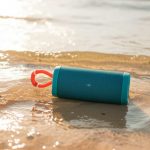
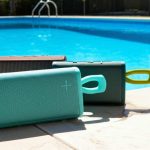
Bluetooth speakers can handle salt air and moisture, but not all of them! Look for an IP rating, especially IPX4 or higher, to know if your speaker is built for beach days and poolside jams.
Hey there, tech adventurer! Max Donovan here from AffTechy.com, your go-to buddy for making tech easy and fun. You know, those awesome Bluetooth speakers that fill your life with music? They’re pretty magical. Whether you’re chilling at home, hitting the park, or dreaming of a beach vacation, great sound can make any moment better. But let’s be honest, picking the right speaker can feel like deciphering a secret code sometimes, right? All those numbers and letters… what do they even mean?
Today, we’re diving into a question that pops up a lot, especially when you’re thinking about outdoor adventures. Can your trusty Bluetooth speaker survive the salty air and dampness of a beach or a steamy bathroom? It’s a totally fair question, and the answer might just surprise you. We’ll explore what makes some speakers tough cookies and others a bit more delicate. Let’s break down the nitty-gritty so you can choose speakers that are ready for wherever life takes you.
—

Can Bluetooth Speakers Handle Salt Air and Moisture? The Shocking Truth
It’s a question many of us wonder about when we’re packing for a trip to the beach or setting up for a backyard BBQ. Will that portable speaker blast tunes by the ocean, or will it give up the ghost after a single salty spray? The truth is, it really depends on the speaker itself. Not all Bluetooth speakers are created equal when it comes to facing the elements. Some are built tough, designed to withstand splashes and even a bit of submersion, while others are best kept far away from any water.
Think of it like this: you wouldn’t take a delicate silk shirt for a hike in the rain, would you? Similarly, you need to know what your speaker is designed for. The good news is, manufacturers are getting smarter about this. They’re building speakers that can handle a bit of rough and tumble, especially if you know what to look for. Let’s explore the key things that tell you if your speaker is ready for adventure.
—
Understanding Speaker Protection: The IP Rating Explained
The biggest clue to a speaker’s water and dust resistance is its IP rating. This is like a secret code that tells you how well the gadget is protected against solids (like dust) and liquids (like water). You’ll usually find this rating printed on the speaker itself, its box, or in the user manual. It’s super important, so let’s make it easy to understand!
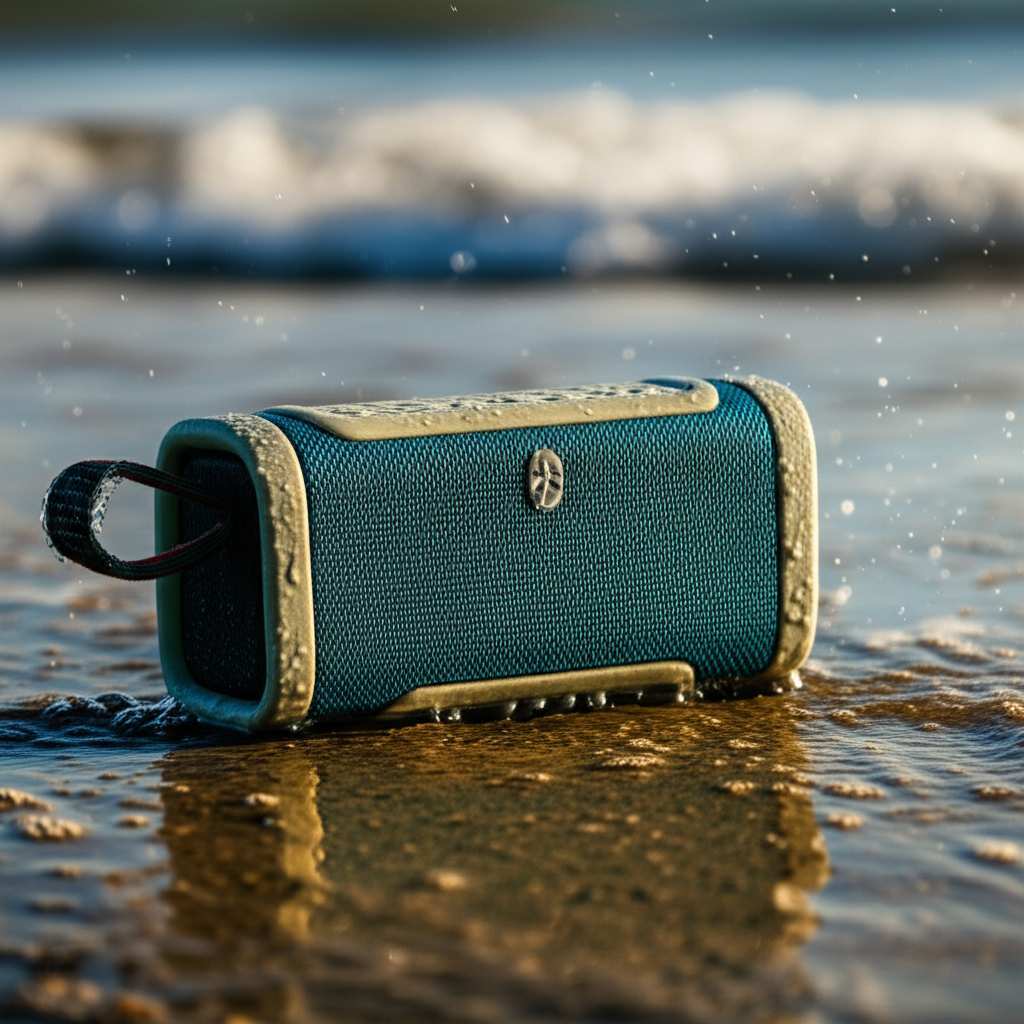
The rating typically looks something like “IPXX”. The first ‘X’ stands for protection against solids, and the second ‘X’ stands for protection against liquids. For most of us wanting to use speakers near water, the second digit is the most crucial.
Here’s a quick rundown of what those numbers mean, focusing on the water part:
Common IP Ratings for Moisture Protection:
IPX0: No protection against water. This speaker is definitely not for the beach!
IPX1: Protected against vertically falling water drops. It can handle a little bit of condensation, but not much else.
IPX2: Protected against water drops falling at a 15-degree angle. Slightly better, but still very limited.
IPX3: Protected against spraying water. This means it can handle a light shower or splashes. Getting better!
IPX4: Protected against water splashes from any direction. This is a common rating for many outdoor speakers. They can handle poolside splashes and light rain.
IPX5: Protected against water jets from any direction. Think of a low-pressure hose. It can handle more direct water exposure.
IPX6: Protected against strong water jets. This means it can handle powerful streams of water, like from a strong hose.
IPX7: Protected against immersion in water up to 1 meter for 30 minutes. This is where speakers become truly waterproof and great for pool parties!
IPX8: Protected against continuous immersion in water under conditions specified by the manufacturer. This is the highest level, meaning it can handle deep submersion for extended periods.
Salt Air vs. Fresh Water: What’s the Difference?
This is where things get a bit more specific for our salt-loving friends. While an IPX rating tells you about water resistance, salt air is a different beast. Salt is corrosive. Over time, it can degrade materials, corrode metal parts (like charging ports or speaker grilles), and even seep into tiny openings that regular water wouldn’t.
So, a speaker with an IPX7 rating might be fine if you accidentally drop it in a freshwater lake. But taking it to the beach every day, where it’s constantly exposed to salty mist and sea spray, can still cause damage over time, even if it’s rated for submersion. The salt can leave a residue and accelerate wear and tear on components that aren’t specifically protected against it.
That said, many speakers designed with higher IP ratings (like IPX5, IPX6, IPX7, and IPX8) often use materials and sealing techniques that offer a good degree of protection against salt air too. They’re built with outdoor use in mind, which often includes coastal environments. It’s always best to check the manufacturer’s specifications for their intended use case.
—
What Features Make a Speaker “Outdoor-Ready”?
Beyond the IP rating, several other features make a Bluetooth speaker a better companion for your adventures, especially near water and salt. These little touches can make a big difference in how well your speaker performs and lasts.
Key Features to Look For:
Durable Casing: Speakers designed for outdoor use often have rugged, impact-resistant exteriors. This means they can handle accidental drops on sand or near the pool. Materials like tough plastics and rubberized coatings are common.
Sealed Ports: Look for speakers with covered charging ports and auxiliary inputs. These covers should fit snugly to prevent water and sand from getting inside. Some speakers even have wireless charging to eliminate ports altogether!
Floating Designs: If you’re planning on using your speaker in or around a pool or at the beach, a speaker that floats is a fantastic idea. This way, if it falls in, it won’t sink to the bottom.
Rust-Resistant Materials: While not always explicitly stated in an IP rating, manufacturers of outdoor speakers often use rust-resistant metals for speaker grilles and other components. This is especially important in a salty environment.
Bluetooth Version: Newer Bluetooth versions (like 5.0 and above) offer a more stable connection and longer range. This means you can keep your phone safely tucked away from the elements while your speaker keeps the music playing.
Long Battery Life: You don’t want your music cutting out halfway through your beach day! Speakers with long battery life (10+ hours) are essential for extended outdoor fun.
—
Comparing Popular Outdoor-Friendly Bluetooth Speakers
To give you a better idea, let’s look at a few popular types of speakers and how they stack up against the elements. This isn’t an exhaustive list, but it shows the variety you can find.
| Speaker Type | Typical IP Rating | Salt Air Tolerance | Key Features for Outdoors | Best For |
| :—————— | :—————- | :—————– | :—————————————————— | :————————————————— |
| Rugged Portable | IP67 / IP68 | Good | Waterproof, dustproof, shockproof, long battery | Beach, pool, camping, hiking, adventurous trips |
| Shower Speaker | IPX4 / IPX5 | Fair | Water-resistant, suction cup for mounting | Bathrooms, kitchens, very light outdoor use |
| Home Portable | IPX0 / IPX3 | Poor | Compact, decent sound quality for indoor/calm outdoor | Indoor use, picnics in controlled environments |
| Floating Speaker| IPX7 / IPX8 | Good | Waterproof, floats, often buoyant, durable | Pool parties, lake trips, boating, water sports |
What This Table Means for You
See how the IP rating is a big deal? A speaker with IP67 is usually a fantastic choice for beach trips. It’s protected against dust (that’s the ‘6’) and can be submerged in water (that’s the ‘7’). These rugged speakers are built to take a beating and keep playing.
On the other hand, a speaker with IPX4 is okay for a little splash, but you wouldn’t want to expose it to direct sea spray for hours. A “Home Portable” speaker with no IP rating? Definitely keep that one indoors or at a very protected picnic spot.
—
How to Care for Your Bluetooth Speaker Near Salt Air and Moisture
Even with the best IP rating, a little bit of care can go a long way in keeping your Bluetooth speaker happy, especially in harsh environments like the beach. Think of it as giving your speaker a spa treatment after a tough day out!
Quick Cleaning Tips:
Rinse After Salt Exposure: If you’ve used your speaker at the beach, give it a gentle rinse with fresh, lukewarm water as soon as you can. This helps wash away any salt residue.
Use a Soft Cloth: Gently wipe down the speaker with a soft, damp (not wet!) cloth. Avoid abrasive materials that could scratch the surface.
Dry Thoroughly: Make sure all ports and speaker grilles are completely dry before plugging in a charger or using the auxiliary input. You can leave it to air dry in a well-ventilated spot.
Check Port Covers: Ensure that any port covers are clean and sealing properly. Grit or sand can prevent them from closing tightly, compromising the water resistance.
Avoid Harsh Chemicals: Never use cleaning sprays, solvents, or detergents on your speaker. These can damage the materials and seals.
What to Avoid:
Submerging for Too Long: Even IPX7 or IPX8 speakers have limits. Stick to the manufacturer’s recommended submersion times.
High-Pressure Water: Unless your speaker is rated IPX6 or higher, avoid blasting it with a hose.
Extreme Temperatures: While some speakers are designed for outdoor use, very high heat or freezing cold can still affect battery performance and internal components.
Sand Intrusion: While dustproof ratings help, try to keep sand out of charging ports and button crevices as much as possible.
—
Real-World Scenarios: When Your Speaker Might Get Wet
Let’s paint a picture with some common situations where your speaker might face moisture or salt. Knowing these scenarios helps you pick the right speaker and use it wisely.
The Beach Day: Sun, sand, and waves! You’re listening to your favorite tunes. A rogue wave, a splash from a frisbee, or even just the sea spray can hit your speaker.
Ideal Speaker: Rugged, IP67 or IP68 rated, maybe even one that floats.
What to do: Rinse with fresh water afterward, dry thoroughly.
The Pool Party: Music is essential! Your speaker is near the pool. Someone cannonballs, or a drink spills.
Ideal Speaker: IPX5 or higher, especially if it might fall in. A floating speaker is a huge plus here.
What to do: Wipe down with a damp cloth, dry. If it goes in the pool, rinse with fresh water.
The Backyard BBQ: A bit of rain might start, or drinks might get spilled.
Ideal Speaker: IPX4 or higher. Even a basic splash-proof speaker will do.
What to do: Keep it under cover if possible, wipe up spills.
The Steamy Bathroom: Singing in the shower with your favorite playlist!
Ideal Speaker: IPX4 or IPX5. A suction-cup speaker is perfect for this.
What to do: Keep it away from direct water spray, wipe dry after use.
—
Can You Use a “Waterproof” Speaker in Salt Water?
This is a frequently asked question, and the answer is a bit nuanced. Many speakers that are rated as “waterproof” (often IPX7 or IPX8) are tested using fresh water. While they might survive an accidental dip in the ocean, long-term or frequent exposure to salt water is not ideal unless the manufacturer specifically states it’s safe for marine use.
Salt water is more corrosive than fresh water. The salt crystals can leave a residue that, over time, can degrade rubber seals, corrode metal contacts (like charging ports), and even affect the speaker cone or diaphragm if it penetrates the protective layers.
Here’s the general advice:
If a speaker is rated IPX7 or IPX8: It can likely withstand an accidental splash or brief immersion in salt water.
After salt water exposure: Always rinse the speaker thoroughly with fresh water and dry it completely. This is the most critical step to remove salt residue.
Check Manufacturer Claims: Some premium outdoor speakers are specifically designed with marine-grade materials to withstand salt and UV exposure. Always check the product specifications or manufacturer’s website for details on salt water use. A quick search on sites like CNET can often reveal specific recommendations for popular models.
—
Top Tips for Buying a Speaker for Salty Environments
Ready to buy a speaker that can handle your seaside adventures? Here are some quick tips to help you make the best choice:
Prioritize the IP Rating: Aim for at least IPX5 for general outdoor use, but IPX7 or IPX8 is much better for beach or poolside. Look for the dust protection number too (e.g., IP67).
Read Reviews: See what other users say about the speaker’s performance in real-world outdoor conditions, especially near water or at the beach.
Consider Durability: Does it feel solid? Are the ports well-covered? Does it have a rugged exterior?
Check for Salt Water Claims: If you plan to use it frequently in the ocean, look for manufacturers that explicitly state their speakers are suitable for salt water or marine environments.
Budget Wisely: While expensive speakers often offer better protection, there are great value options. Just don’t expect a $20 speaker to survive a week on a sailboat.
* Think About Portability: Do you need a small, lightweight speaker or something more substantial with bigger sound?
—
Frequently Asked Questions (FAQs)
Got more questions? We’ve got answers! Here are some common ones beginners ask about Bluetooth speakers and moisture.
Q1: My speaker says “water-resistant,” but not “waterproof.” What’s the difference?
Great question! “Water-resistant” usually means it can handle splashes or light rain (like IPX4 or IPX5). “Waterproof” typically means it can be submerged in water for a period (like IPX7 or IPX8). Always check the specific IP rating!
Q2: Can I leave my IPX7 speaker outside all the time?
While an IPX7 speaker can handle being submerged, leaving it outside constantly might expose it to UV rays (which can degrade plastic), extreme temperatures, and dust that could still get into ports if not sealed perfectly. It’s best to store it indoors when not in use.
Q3: My speaker got sand in the charging port. What should I do?
Don’t plug it in! Try to gently tap the speaker to dislodge the sand. You can also use a can of compressed air (held upright and used in short bursts) to blow the sand out. Avoid using sharp objects.
Q4: Do I need a special Bluetooth speaker for the shower?
Not necessarily a “special” one, but you definitely need one with at least an IPX4 or IPX5 rating. Many small, portable speakers fit this bill and some even have suction cups to stick to your shower wall!
Q5: Can I charge my speaker in a humid environment?
It’s generally best to avoid charging your speaker in very high humidity. Moisture can potentially get into the charging port or the charging circuitry itself, which could cause damage over time. Let it dry out completely in a normal environment before charging.
Q6: My speaker got splashed with saltwater. Should I worry?
A little bit of saltwater splash is usually okay for a water-resistant speaker, but it’s crucial to rinse it with fresh water immediately afterward and let it dry completely. Salt can be corrosive and leave residue that damages the speaker over time.
Q7: Are there any Bluetooth speakers that are truly salt-proof?
While no electronic device is truly “proof” against everything, some high-end rugged speakers are built with marine-grade materials and advanced sealing to withstand prolonged exposure to salt air and water. Always check the manufacturer’s specifications carefully for salt water resistance claims.
—
Wrapping It Up: Your Speaker, Your Adventure Buddy
So, can Bluetooth speakers handle salt air and moisture? You’ve got the inside scoop now! The answer is a resounding “yes, but with conditions!” It all comes down to the IP rating and the build quality of your speaker. Think of that rating as your speaker’s superpower – the higher the number, the tougher it is against water and dust.
Remember, a speaker with a good IP rating, like IPX7 or IPX8, is your best bet for beach days and poolside jams. And even then, a little care goes a long way. A quick rinse with fresh water after a salty adventure and a good dry-down will keep your speaker sounding great for ages. Check out what features matter most for your lifestyle, and don’t be afraid to explore reviews. TechRadar often has great roundups of durable speakers.
Now you’re armed with the knowledge to pick the perfect audio companion for all your outdoor escapades. Go forth, choose wisely, and let the music play, wherever the sun and waves take you!