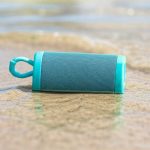
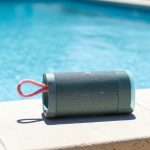
For poolside speakers, aim for an IP rating of IPX5 or higher. This means they can handle splashes and even jets of water, keeping your music safe and sound by the pool!
Hey there, tech explorer! Ever tried to blast some tunes by the pool, only to worry about every rogue splash? It’s a common worry, right? We love our music, our podcasts, and even our audiobooks, and bringing them poolside makes everything so much more fun. But let’s be honest, understanding all those technical specs on speakers can feel like decoding a secret language.
That’s where I come in! I’m Max, your go-to guy for making tech simple and fun here at AffTechy.com. My mission is to take the confusion out of gadgets and turn it into pure enjoyment. Think of me as your tech-savvy buddy, here to help you pick the perfect gear without the headache.
We’re diving into the world of poolside speakers today. Specifically, we’re going to crack the code on IP ratings. What does that “IP” even mean, and why is it super important for speakers that hang out near water? Don’t worry, we’ll make it crystal clear, step by step.

Unpacking the “IP” Mystery: What It Really Means
So, what’s this “IP” thing all about? IP stands for “Ingress Protection.” It’s like a secret code that tells you how well something is protected against dust and water. Think of it as a badge of honor for electronics that are built tough.
This rating is super important, especially for anything you might use outdoors or near water. It helps you know if your gadget can survive a little oopsie, like a spill or a splash. It’s the difference between a speaker that keeps the party going and one that goes poof after one poolside incident.
Why Poolside Speakers Need Extra Protection
Imagine this: you’re lounging by the pool, music is playing, and suddenly, someone does a cannonball! A wave of water comes crashing towards your speaker. Or maybe you’re just setting up a drink and a little spills over. These are the moments when you’re really glad your speaker has the right protection.
Pools are full of water, and water and electronics usually don’t mix well. Without proper protection, water can get inside the speaker, mess with the wires, and damage the sound components. That’s a quick way to turn your awesome pool party soundtrack into silence.

The IP Rating System: A Quick Guide
The IP rating system uses two numbers. The first number tells you how well it’s protected against solids, like dust. The second number is all about how well it’s protected against liquids, like water. For our poolside speaker quest, the second number is the most important one.
Here’s a super simple breakdown of the numbers for water protection:
0: No protection. Water will definitely get in.
1: Protected against large vertical water drops. Okay for a tiny bit of condensation.
2: Protected against water drops falling at a 15-degree angle. Still very limited.
3: Protected against spraying water from any angle up to 60 degrees. Getting better!
4: Protected against splashing water from any direction. This is a good start for many outdoor gadgets.
5: Protected against water jets from any direction. Think of a garden hose. This is where we start to get serious for poolside!
6: Protected against powerful water jets. For really tough situations.
7: Protected against temporary immersion in water (up to 1 meter for 30 minutes). Awesome for accidental drops.
8: Protected against continuous immersion in water under conditions specified by the manufacturer. The highest level for submersion.
What IP Rating Is Best For Poolside Speakers?
Okay, let’s get to the juicy part! For speakers that will be hanging out by the pool, you want something that can handle splashes and maybe even a direct hit from a water gun. This means we’re looking at the higher end of the water protection scale.
The sweet spot for poolside speakers is generally IPX5 or higher. Why? Let’s break it down.
An IPX5 rating means the speaker is protected against water jets. Imagine a shower or a gentle spray from a hose. This is great because it covers most accidental splashes you’d encounter around a pool. You can have peace of mind knowing a little splash won’t ruin your day (or your speaker).
If you want even more peace of mind, or if your speaker might be closer to the edge of the pool, or you’re just a bit clumsy, consider IPX6 or IPX7.
IPX6: This means it’s protected against powerful water jets. So, if someone accidentally sprays it with a strong hose, it should be fine.
IPX7: This is fantastic! It means the speaker can be submerged in water up to 1 meter deep for about 30 minutes. This is perfect if there’s a chance it might accidentally fall into the pool. Accidents happen, right?
What about IPX4? While better than nothing, an IPX4 speaker is only protected against splashes. If a strong jet of water hits it, or if it falls in, it might not survive. For the unpredictable environment of a poolside, IPX4 is a bit risky.
Let’s Talk About Sound Quality vs. Durability
Sometimes, when we talk about ruggedness, people worry that sound quality might suffer. It’s a valid thought! You want your music to sound amazing, not tinny or muffled. The good news is, many manufacturers are brilliant at creating speakers that are both super durable and deliver fantastic sound.
You don’t have to choose between a speaker that can survive a splash and one that fills your backyard with rich, clear audio. Many brands focus on offering both. Look for reviews that talk about sound quality specifically, even for water-resistant models.
A speaker’s design plays a big role in sound. For poolside use, you might see speakers with a more compact and sealed design. This helps with water resistance but can sometimes affect bass response. However, advancements in speaker technology mean this is less of an issue than it used to be.
Key Features to Look For in Poolside Speakers
Beyond the IP rating, what else makes a speaker great for poolside listening? Here are a few things to keep your tech radar on:
Bluetooth Connectivity: This is pretty standard now. Make sure it has a good Bluetooth range so you can control your music from your lounge chair.
Battery Life: You don’t want the music to die halfway through your sunbathing session. Look for speakers with at least 10-15 hours of playtime. Some can go even longer!
Portability: Is it easy to carry? Does it have a strap or a compact design? This is helpful if you move it around the yard or take it to different spots.
Sound Quality: As we mentioned, don’t compromise! Read reviews to see what people say about the bass, treble, and overall clarity.
Durability: Besides water, think about other outdoor elements. Is it shockproof? Can it handle a bit of sand?
Floating Capability: Some speakers are designed to float! How cool is that? If you love having your music right there in the water with you, this is a game-changer.
Comparing Popular Poolside Speaker IP Ratings
To give you a clearer picture, let’s look at some common IP ratings found in speakers and what they mean for poolside use.
| IP Rating | Water Protection Level | Poolside Suitability | Example Use Cases |
| :——– | :————————————– | :——————————————————————————— | :——————————————————————————————- |
| IPX4 | Splashing water from any direction | Risky. Okay for very casual use where splashes are minimal and unlikely. | Light mist from a sprinkler, very minor accidental spills. |
| IPX5 | Water jets from any direction | Good. Handles most poolside splashes and light rain. Recommended minimum. | Accidental splashes from pool activities, hose spray, light rain. |
| IPX6 | Powerful water jets from any direction | Very Good. Offers extra protection against stronger water forces. | More vigorous splashing, accidental hose spray from a distance, heavy rain. |
| IPX7 | Immersion up to 1 meter for 30 minutes | Excellent. Ideal for peace of mind, protects against accidental drops in water. | Accidental falls into the pool, being placed near the water’s edge, submersion. |
| IPX8 | Continuous immersion under specified conditions | Superb. For speakers designed to be in the water for extended periods. | Speakers designed to float and be submerged for hours, used in and around water features. |
As you can see, IPX5 is a great starting point, but IPX7 offers the most confidence for poolside environments where accidents can happen. Think of it like this: IPX4 is wearing a light jacket, IPX5 is wearing a raincoat, and IPX7 is wearing full waterproof gear!
How to Check the IP Rating on Your Speaker
Finding the IP rating is usually straightforward. Most manufacturers are proud of their water-resistant features!
1. Check the Product Packaging: The IP rating is almost always printed clearly on the box the speaker comes in. Look for the “IP” followed by two numbers (or an “X” if dust protection wasn’t tested).
2. Look at the Speaker Itself: Sometimes, the rating is printed on a sticker on the bottom or back of the speaker.
3. Visit the Manufacturer’s Website: If you’re looking at a speaker online or can’t find the box, head to the brand’s official website. The product page will have all the specifications, including the IP rating.
4. Read Reviews: Tech review sites like CNET or TechRadar often highlight the IP rating and discuss how well it holds up in real-world testing.
Don’t be afraid to ask if you’re unsure! A good retailer or manufacturer will be happy to tell you the exact IP rating.
Real-World Scenarios: IP Ratings in Action
Let’s imagine a few poolside moments to see how different IP ratings perform:
Scenario 1: The Accidental Splash. You’re reaching for a cold drink, and a little water sloshes onto your speaker.
IPX4: Might be okay, but there’s a small risk if the splash is direct or forceful.
IPX5: Perfectly fine! It’s designed to handle this.
IPX7: No problem at all.
Scenario 2: The Poolside Water Fight. Your kids (or maybe you!) get a little carried away with water guns. The speaker gets sprayed pretty directly.
IPX4: Likely to fail. The direct spray is too much.
IPX5: Should handle it well. It’s designed for jets.
IPX6: Even better, more robust protection against stronger jets.
Scenario 3: The Unfortunate Slip. Someone loses their balance and the speaker tumbles into the pool!
IPX4 & IPX5: Not designed for this! It will likely get damaged.
IPX7: This is where it shines! It can survive being submerged for a good while.
IPX8: Can handle even longer submersion.
This really highlights why aiming for IPX5 at a minimum, and ideally IPX7, is so crucial for a stress-free poolside audio experience.
Maintaining Your Poolside Speakers
Even with a great IP rating, a little care goes a long way! Here are some simple tips to keep your speakers in top shape:
Rinse After Use: If your speaker has been exposed to chlorine or saltwater, rinse it gently with fresh water after use. This helps prevent buildup and corrosion.
Dry Thoroughly: After rinsing, let the speaker air dry completely before storing it.
Check Ports: Make sure any charging ports or auxiliary jacks are completely dry before plugging anything in. Some speakers have waterproof seals for these ports.
Avoid Harsh Chemicals: Don’t use harsh cleaning products on your speakers. A soft, damp cloth is usually best.
Store Properly: When not in use, store your speakers in a cool, dry place. Avoid direct sunlight for extended periods, as this can degrade materials over time.
Making the Right Choice: Your Poolside Speaker Checklist
Ready to pick your perfect poolside companion? Use this checklist to make sure you’re getting the best:
IP Rating: Does it have at least IPX5? Is it IPX7 for extra peace of mind?
Sound: Does it offer good sound quality for its size and price?
Battery Life: Will it last through your longest pool sessions?
Connectivity: Is the Bluetooth reliable and does it have a decent range?
Durability: Is it built to withstand outdoor conditions?
Portability: Is it easy to move around?
* Extra Features: Does it float? Does it have speakerphone capability?
Frequently Asked Questions About Poolside Speaker IP Ratings
Here are some common questions beginners have about IP ratings for poolside speakers:
Q1: My speaker says “Waterproof.” Does that mean it’s okay for the pool?
A: “Waterproof” can be a bit of a marketing term. Always look for the specific IP rating. True waterproof capabilities usually mean an IPX7 or IPX8 rating, meaning it can be submerged. If it just says “water-resistant,” check the IP rating to know its limits.
Q2: What’s the difference between “water-resistant” and “waterproof” for speakers?
A: Water-resistant means it can handle some exposure to water, like splashes or light rain (think IPX4 or IPX5). Waterproof means it can be submerged in water for a specified time and depth (think IPX7 or IPX8). For poolside, you generally want something closer to waterproof or at least highly water-resistant.
Q3: Can I put my IPX7 speaker in a hot tub?
A: While an IPX7 speaker can handle submersion, hot tubs often contain chemicals like chlorine or bromine that can be harsher than fresh water. It’s best to avoid submerging your speaker in hot tubs or pools with strong chemicals, even if it’s rated IPX7. Always rinse with fresh water afterward if it does come into contact.
Q4: My speaker has an IP67 rating. What does the “6” mean?
A: The “6” in IP67 refers to dust protection. It means the speaker is dust-tight, offering the highest level of protection against solid particles. The “7” is the water protection, meaning it can be submerged up to 1 meter for 30 minutes. So, IP67 is excellent for both dust and water!
Q5: Is it safe to leave my IPX5 speaker out in the rain all day?
A: An IPX5 speaker is designed to handle jets of water, so light to moderate rain should be fine. However, prolonged exposure to heavy, continuous rain might still pose a risk over time. It’s always best practice to bring electronics indoors when not in use, especially during harsh weather.
Q6: How do I know if my speaker is truly dust-tight (like an IP6X rating)?
A: An IP6X rating means no dust can enter the enclosure under any conditions. This is tested in specialized labs. For most users, if a speaker is advertised as dust-tight or has an IP6X rating, you can trust it for dusty environments like beaches or outdoor concerts.
Q7: Can I use my poolside speaker while charging it?
A: This depends heavily on the speaker. Some speakers are designed to be used while charging, even when wet, but many are not. Always check the manufacturer’s instructions. Charging a wet device can be dangerous, so ensure charging ports are dry before plugging in.
Your Poolside Sound Adventure Awaits!
So, there you have it! We’ve demystified IP ratings and pinpointed exactly what you need for worry-free poolside listening. Remember, the key is to look for that “IP” rating, and for poolside fun, IPX5 is your minimum, while IPX7 offers fantastic peace of mind.
Don’t let confusing tech specs stop you from enjoying your favorite tunes by the water. With this knowledge, you can confidently choose a speaker that’s not only durable but also sounds amazing. Think about those summer days, the cool water, and your perfect playlist setting the mood.
Now go forth, explore those speaker options, and get ready to make every poolside moment louder and better! Happy listening!