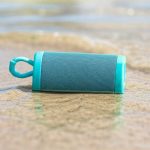
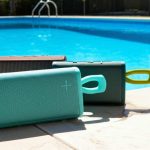
For kayaking, aim for an IPX7 or higher waterproof rating on your Bluetooth speaker. This means it can handle submersion in water up to 1 meter for 30 minutes, keeping your music safe from splashes, rain, and accidental drops overboard.
Hey there, tech adventurer! So, you’re ready to hit the water, paddle in hand, and want to bring your tunes along for the ride? Awesome! Music just makes everything better, right? Whether you’re cruising a calm lake or tackling some gentle rapids, having your favorite playlist by your side can really enhance the experience. But here’s the thing: when you’re out on the water, things can get a little… wet. And not all speakers are built for that kind of adventure.
Picking out a Bluetooth speaker can feel like a maze sometimes. You see all these numbers and letters, like “IPX7” or “IP68,” and wonder what on earth they mean. It’s easy to get lost in the tech jargon and just throw your hands up. But don’t worry! I’m here to help you decode it all. Think of me as your friendly guide, here to make sure you get a speaker that’s not just loud, but also tough enough for your kayaking trips.
We’re going to break down what those waterproof ratings actually mean. We’ll talk about why it’s super important for your kayaking adventures. And by the end, you’ll feel totally confident choosing a speaker that will keep the good times (and the music) flowing, no matter what the water throws at you. Ready to dive in? Let’s make this easy!

Why Waterproof Matters for Your Kayak Adventures
Imagine this: you’re out on a beautiful sunny day, paddling along, feeling the rhythm of the water. You’ve got your favorite upbeat playlist going, and life is good. Suddenly, a rogue wave splashes over the side of your kayak, or maybe you’re enjoying a snack and accidentally knock your speaker into the water. Oops! If your speaker isn’t waterproof, that’s probably the end of the music, and maybe the speaker itself.
Water and electronics are usually not best friends. Moisture can get inside, cause short circuits, and ruin your gadget. For kayaking, where you’re surrounded by water and there’s a constant risk of splashes, rain, or even a full dunk, a standard speaker just won’t cut it. You need something built to withstand the elements.
That’s where waterproof ratings come in. They are like a secret code that tells you exactly how well a speaker can handle water. Understanding these ratings is the key to picking a speaker that will survive your adventures and keep the soundtrack to your kayaking trips playing loud and clear. It’s all about making sure your tech can keep up with your lifestyle, not the other way around.
Decoding Those Waterproof Ratings: The IP Code Explained
So, what exactly are these “IP” ratings you keep seeing? IP stands for “Ingress Protection.” It’s a standard way to rate how well an enclosure (like your speaker’s casing) protects against two things: solids (like dust and sand) and liquids (like water). The first number after “IP” tells you about solid protection, and the second number is all about liquid protection.
For kayaking, we’re mostly concerned with the second number – the one that deals with water. Let’s break down the most common ones you’ll encounter for water resistance:
IPX4: This means the speaker is protected against splashing water from any direction. It’s like a light rain shower. Good for a bit of protection, but not for submersion.
IPX5: This rating means it can handle water jets from any direction. Think of a garden hose. It’s a bit tougher than IPX4.
IPX6: Even more protection! This rating means it can withstand high-pressure water jets. So, it’s pretty robust against strong sprays.
IPX7: This is where things get really interesting for water sports. IPX7 means the speaker can be submerged in water up to 1 meter (about 3.3 feet) deep for up to 30 minutes. This is a great rating for kayaking because it covers accidental drops overboard.
IPX8: This is the highest level of water protection. It means the speaker can be submerged in water deeper than 1 meter for an extended period. The exact depth and time are usually specified by the manufacturer.
The “X” Factor
You might have noticed the “X” in some of these ratings, like “IPX7.” This “X” means that the solid particle protection (the first digit) hasn’t been tested or isn’t relevant. For speakers, the focus is usually on water protection, so you’ll often see “X” in place of the first digit. If you see a rating like “IP67,” it means it’s dust-tight (that’s the “6”) and waterproof up to 1 meter for 30 minutes (that’s the “7”).
What Waterproof Rating is Needed for Kayaking Bluetooth Speaker? The Sweet Spot
Okay, so for kayaking, what’s the magic number? Most experts and fellow kayakers agree that an IPX7 rating is the sweet spot for most recreational kayaking.
Why IPX7? It offers a really good balance of protection and practicality. Here’s why it’s so great for your paddling trips:
Accidental Dips: If your speaker takes an unplanned swim overboard, an IPX7 rating gives it a fighting chance to survive. Many kayak incidents involve the speaker falling into the water.
Splash-Proof: It easily handles splashes from waves, paddles, or even if you get a bit too enthusiastic with your water bottle.
Rainy Day Ready: If you get caught in a downpour, your music won’t stop. IPX7 means it can handle being rained on without a problem.
While higher ratings like IPX8 are even better, they often come with a higher price tag and might be overkill for typical kayaking. An IPX7 speaker is built to handle the most common water-related mishaps you’ll encounter on the water. It’s reliable protection without breaking the bank.
Beyond Waterproof: Other Features to Consider
While waterproofing is king for kayaking, a few other features can make your speaker even better for your adventures.
Buoyancy: Some speakers are designed to float! This is a fantastic feature if you’re worried about your speaker sinking if it goes overboard. A floating speaker is much easier to retrieve.
Durability/Shock Resistance: Kayaking can be a bit rough. A speaker that can also handle bumps and drops without breaking is a bonus. Look for speakers with rugged designs and protective casings.
Sound Quality: Of course, you want it to sound good! While not strictly a “waterproof” feature, consider how the speaker performs. Does it have good bass? Is the volume loud enough to be heard over the sounds of nature (and your paddling)?
Battery Life: Long paddles call for long playlists. Make sure the speaker has enough battery life to last your entire trip. Some speakers offer 10-20 hours of playback, which is usually plenty.
Connectivity: Bluetooth range is important. You don’t want the music cutting out if your phone is a little far away. Also, check if it has easy pairing features.
Portability and Mounting: How easy is it to carry? Does it have a strap or a carabiner clip? Some speakers can even be mounted onto your kayak, keeping them secure and out of the way.
Comparing Waterproof Speaker Options for Kayaking
To give you a clearer picture, let’s look at a few popular types of waterproof speakers and what they offer. This isn’t an exhaustive list, but it shows the range of options available.
| Speaker Type | Typical Waterproof Rating | Key Features for Kayaking | Best For |
|---|---|---|---|
| Rugged Portable Bluetooth Speaker | IPX7 or IP67 | Floating, shockproof, loud volume, long battery life | All-around kayakers, those who want maximum peace of mind |
| Compact Waterproof Speaker | IPX7 | Lightweight, easy to pack, decent sound, often with carabiner | Casual paddlers, solo kayakers, those who prioritize portability |
| Submersible Bluetooth Speaker | IPX8 | Deep submersion protection, often very durable, premium sound | Serious adventurers, kayakers in challenging environments, those who demand the best protection |
As you can see, there’s a spectrum of choices. For most kayakers, a rugged portable speaker with an IPX7 rating that also floats is a fantastic combination. It covers the essentials and adds those extra bits of convenience that make a big difference on the water.
How to Choose Your Kayaking Speaker: A Simple Checklist
Feeling ready to pick one out? Here’s a quick checklist to guide you.
Check the IP Rating: Aim for IPX7 or higher. Don’t settle for less if you plan on being near or in the water.
Consider Buoyancy: Does it float? This is a huge plus for kayaking.
Look at Durability: Is it built tough? Does it feel solid?
Read Reviews: See what other kayakers and outdoor enthusiasts say about its performance in real-world conditions.
Test the Sound (if possible): Make sure the volume and clarity are good enough for your needs.
Evaluate Battery Life: Will it last for your typical paddling sessions?
Think About Mounting/Carrying: How will you secure it in your kayak?
| Feature | Why It Matters for Kayaking | What to Look For |
|---|---|---|
| Waterproof Rating | Protects against splashes, rain, and accidental drops. | IPX7 (submersible up to 1m for 30 min) is ideal. |
| Buoyancy | Prevents the speaker from sinking if it falls in the water. | Speakers that float are a major advantage. |
| Durability | Handles bumps, drops, and the general wear-and-tear of outdoor use. | Rugged casing, shock-absorbing materials. |
| Battery Life | Ensures music lasts for your entire kayaking trip. | 10+ hours of playback is generally recommended. |
| Sound Volume | Needs to be loud enough to be heard over wind and water noise. | Check speaker wattage or look for “loud” in reviews. |
This table is a handy cheat sheet! It breaks down the most important things to consider. For example, that battery life? If you’re going on an all-day kayak expedition, a speaker with only 4 hours of battery might leave you in silence by lunchtime. So, matching the features to your typical adventures is key.
Maintaining Your Waterproof Speaker
Just because it’s waterproof doesn’t mean you can forget about it! A little care goes a long way to keep your speaker in top shape.
Rinse After Use: If you’ve been in saltwater or a chlorinated lake, rinse your speaker with fresh water. Salt and chlorine can be harsh on seals and materials over time.
Dry Thoroughly: After rinsing, let it air dry completely before storing it. Make sure all ports and charging areas are dry.
Check Seals: Periodically inspect the rubber seals around ports and buttons. If they look worn or damaged, it could compromise the waterproof integrity.
* Keep Charging Port Dry: Always ensure the charging port is completely dry before plugging in a charger.
These simple steps will help ensure your speaker stays waterproof and sounds great for many kayaking trips to come. It’s like giving your gear a little TLC after a good adventure.
Fun Fact: The Science Behind Waterproofing
Ever wonder how they make these speakers waterproof? It’s a combination of clever design and materials! Manufacturers use tight seals, often made of rubber or silicone, around every opening, like speaker grilles, buttons, and charging ports. They also use waterproof membranes that allow sound to pass through but block water. For truly submersible speakers, the internal components are often coated or sealed to prevent any moisture damage. It’s pretty neat engineering! You can learn more about IP ratings and their testing standards on sites like the International Electrotechnical Commission (IEC) website, but for us, knowing what IPX7 means is usually enough!
Common Questions About Kayaking Speakers
Here are some quick answers to questions you might have as you’re picking out your perfect kayaking speaker.
Q1: Can I use any speaker that says “water-resistant” for kayaking?
A1: Generally, “water-resistant” is a bit vague. For kayaking, you really want to look for a specific waterproof rating, like IPX7. This tells you exactly how much water it can handle, whereas “water-resistant” might just mean it can handle a few splashes. Better to be safe than sorry!
Q2: What if my speaker has a charging port that isn’t covered?
A2: That’s a red flag! A truly waterproof speaker should have a way to protect its charging port, either with a tight-fitting rubber flap or by being a portless design (which is less common). Always check that all openings are well-sealed.
Q3: Do I need a speaker that floats, even if it’s IPX7 rated?
A3: While an IPX7 rating means it can survive submersion, if it sinks, it might be lost to the depths (or just very hard to retrieve!). A floating speaker gives you an extra layer of security and makes recovery super easy if it accidentally goes overboard. It’s a big advantage for kayakers!
Q4: How loud do I need my speaker to be for kayaking?
A4: This depends on where you paddle! If you’re on a quiet lake with no wind, a moderately loud speaker is fine. If you’re in choppier waters or dealing with wind, you’ll want something with more power to ensure you can still hear your music. Reading reviews that mention volume in outdoor settings is helpful.
Q5: Can I use my waterproof speaker in the ocean?
A5: Yes, but it’s crucial to rinse it with fresh water immediately afterward! Saltwater is much more corrosive than freshwater and can damage the speaker’s materials, seals, and electronics over time if not cleaned off properly.
Q6: What’s the difference between IPX7 and IP68?
A6: Both are great for water, but IP68 means it’s protected against dust (that’s the ‘6’) and can be submerged deeper or for longer than IPX7, as specified by the manufacturer. For most kayaking, IPX7 is perfectly sufficient, but IP68 offers even more peace of mind.
Q7: How do I make sure my speaker is truly waterproof before buying?
A7: Look for the specific IPX rating (IPX7 or higher). Read detailed product descriptions and customer reviews, especially those mentioning use in water or outdoor activities. Reputable brands often provide clear information about their speaker’s waterproof capabilities.
Conclusion: Paddle to the Beat!
So there you have it! You’ve navigated the world of waterproof ratings and are now armed with the knowledge to choose the perfect Bluetooth speaker for your kayaking adventures. Remember, for the best peace of mind on the water, aim for that IPX7 rating. It means your speaker can handle splashes, rain, and even an accidental dip overboard, keeping your soundtrack going strong.
Don’t forget to consider other features like buoyancy and durability to make your choice even smarter. With the right speaker, you can elevate every kayaking trip from a quiet paddle to a full-on floating concert. Now you can focus on enjoying the scenery, the feel of the water, and the awesome tunes you’ve brought along.
Go forth, choose wisely, and get ready to make some waves (and some great memories) with your music leading the way! Now go enjoy amazing sound and make every moment louder and better!