Keep your waterproof Bluetooth speaker sounding great after pool parties! A quick clean with simple supplies restores its sound quality and protects it from chlorine and sun damage. Follow these easy steps for amazing results!
Hey there, tech explorers! Max here from AffTechy.com, your go-to spot for making gadgets easy and fun. You know how a good speaker can totally change the vibe at a pool party? It’s like magic, turning ordinary splashes into a full-blown concert. We all love that feeling, right?
But let’s be real, sometimes picking the perfect speaker can feel a bit overwhelming. So many buttons, so many specs! And once you’ve got that awesome waterproof one, keeping it clean after a dip in the pool can be a puzzle. Chlorine, sunscreen, and even just water spots can build up.
Don’t worry, though! I’m here to make it super simple. We’ll get your speaker looking and sounding like new, no sweat. Ready to dive in and learn how to give your speaker some TLC? Let’s break it down step by step!
Why Cleaning Your Waterproof Speaker Matters
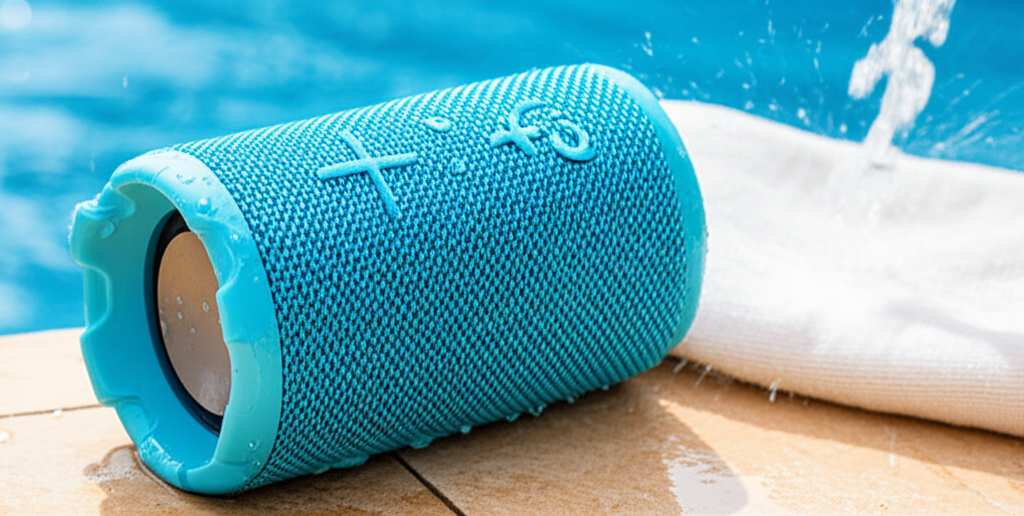
So, you’ve got a speaker that’s supposed to be waterproof, right? That means it can handle a splash or even a quick dunk. That’s awesome for pool parties and beach days! But “waterproof” doesn’t always mean “stain-proof” or “gunk-proof.”
Pool water has stuff in it, like chlorine. Chlorine is great for keeping the pool clean, but it’s not so great for your speaker’s materials over time. It can make plastics fade or even damage the speaker grille. Plus, sunscreen and salty sea air can leave sticky residues.
Leaving these things on your speaker can actually mess with its sound. Grime can clog up the speaker vents, making the sound muffled or tinny. It’s like trying to talk through a thick blanket – nobody hears you clearly! A little cleaning goes a long way to keep your tunes crisp and clear.
What Makes a Speaker “Waterproof”?
Before we get cleaning, let’s quickly chat about what “waterproof” actually means for your speaker. You’ll often see numbers like “IPX7” or “IP67” on the box. This is called an IP rating, and it tells you how protected your gadget is against solids (like dust) and liquids (like water).
The first number is for solids. A “6” means it’s totally dust-tight. The second number is for water. A “7” means it can be submerged in water up to 1 meter (about 3 feet) for about 30 minutes. Pretty cool, right?
Other ratings might be “IPX5” or “IPX6,” which means they can handle strong jets of water. This is perfect for splashes and rain. Knowing your speaker’s IP rating helps you understand what it can handle and how to care for it best. Always check your speaker’s manual for its specific rating!
Your Go-To Cleaning Kit
You don’t need fancy gadgets to clean your speaker. Most of what you need is probably already in your home! Gathering these simple items will make the whole process quick and easy.
Here’s what you’ll want to have ready:
- Soft microfiber cloths: These are super gentle and won’t scratch your speaker. Grab a couple – one for washing and one for drying.
- Mild dish soap: Just a tiny bit mixed with water is perfect. Avoid harsh chemicals!
- Cotton swabs (Q-tips): Great for getting into small nooks and crannies.
- A soft-bristled brush: Like an old, clean toothbrush or a makeup brush. This helps loosen any stubborn bits.
- A small bowl or basin: For your cleaning solution.
- A clean, dry towel: For the final drying touch.
It’s like having a mini spa day for your speaker! Having everything ready means you can get straight to the cleaning without interruptions.
Step-by-Step: Cleaning Your Speaker After Pool Use
Alright, let’s get down to business! Follow these steps to bring your waterproof Bluetooth speaker back to its pristine glory. It’s easier than you think!
Step 1: Check Your Speaker’s Manual
This is super important! Before you do anything, grab your speaker’s manual or check the manufacturer’s website. Some speakers have specific cleaning instructions or warnings. For example, some might say not to use soap, or they might have specific ports that need extra care.
Always follow the manufacturer’s advice. They know their product best! This step ensures you don’t accidentally damage your speaker while trying to clean it. It’s all about being smart and safe.
Step 2: Rinse Off Loose Debris
First things first, give your speaker a gentle rinse. Use cool, clean tap water. This will wash away any loose dirt, sand, or salt crystals. Don’t blast it with high pressure; just a gentle stream is fine.
If your speaker has removable grilles or other parts, check the manual to see if they can be safely removed for cleaning. If so, you might be able to rinse them separately. But if not, just rinse the whole unit carefully.
Step 3: Prepare Your Cleaning Solution
In your small bowl, mix a few drops of mild dish soap with some clean water. You want a very diluted solution. We’re not scrubbing dishes here; we just need a gentle cleaner.
Avoid using harsh chemicals like bleach, ammonia, or alcohol. These can damage the speaker’s finish, rubber seals, or even the internal electronics if they get inside. Mild is the way to go!
Step 4: Gently Wipe Down the Exterior
Dip a soft microfiber cloth into your soapy water. Wring it out really well so it’s just damp, not dripping. Now, gently wipe down the entire exterior of your speaker.
Pay special attention to areas where you see water spots or sticky residue. If you have a stubborn spot, you can apply a tiny bit more pressure, but always be gentle. Remember, we’re cleaning, not scrubbing!
Step 5: Tackle the Grilles and Ports
This is where those cotton swabs and the soft brush come in handy! For the speaker grilles, use a slightly damp cotton swab or the soft brush to gently loosen any gunk that’s stuck in the mesh. Be very careful not to push debris further inside.
For charging ports, AUX inputs, or any other openings, use a dry cotton swab. If there’s visible gunk, you can very carefully use a slightly damp swab, but make sure it’s not wet. Then, immediately follow with a dry one to absorb any moisture. It’s crucial to keep these ports dry!
Step 6: Rinse Again (Carefully!)
Once you’ve cleaned the exterior, it’s time for another rinse. Again, use cool, clean tap water and a gentle stream. Make sure to rinse off any soap residue.
This is the part where you really need to be mindful of your speaker’s IP rating. If it’s IPX7 rated, a quick dip or rinse is fine. If it’s only rated for splashes (like IPX5), just use a damp cloth to wipe off the soap instead of rinsing under the tap.
Step 7: Dry Thoroughly
This is arguably the most critical step for longevity! Use a clean, dry microfiber cloth to wipe down the entire speaker. Get into all the nooks and crannies as best as you can.
Then, let your speaker air dry completely. Place it in a well-ventilated area, away from direct sunlight or heat. You can prop it up so air can circulate around it. Make sure it’s 100% dry before you try to charge it or turn it on.
This might take a few hours, depending on how humid it is. Patience here prevents potential water damage to the charging port or internal components. It’s better to wait a bit longer than to risk ruining your speaker!
Tips for Different Types of Pool Residue
Pools aren’t just water! You might encounter other things that need a little extra attention. Here are some tips for common pool-day culprits:
- Sunscreen and Lotion: These can leave a greasy film. A slightly more soapy solution (still mild dish soap!) can help break down the grease. Wipe gently, then rinse well. A dab of isopropyl alcohol on a cotton swab can sometimes help with stubborn greasy spots on hard plastic surfaces, but test it on an inconspicuous area first and avoid rubber or fabric parts.
- Chlorine Stains: For faint chlorine marks on colored plastics, a gentle scrub with your mild soap solution might work. If it’s a stubborn stain, you might have to live with it or consider that the speaker might be showing its age. Avoid abrasive cleaners at all costs!
- Saltwater Residue (from the ocean): Salt can be corrosive. Rinse thoroughly with fresh water immediately after use. Then follow the general cleaning steps to remove any salt crystals and prevent corrosion.
- Mud or Grime: For dried-on mud, let it dry completely. Then, gently brush off as much as possible with your dry soft brush before you start rinsing. This prevents turning mud into a muddy paste that’s harder to remove.
Remember, the key is always to be gentle and use the mildest cleaning agents first. Aggressive cleaning can do more harm than good!
What to AVOID When Cleaning Your Speaker
Just as important as knowing what to do is knowing what not to do. Some common mistakes can quickly turn your cleaning mission into a disaster. Let’s make sure you steer clear of these pitfalls!
- Harsh Chemicals: As mentioned, avoid bleach, ammonia, solvents, or abrasive cleaners. They can strip finishes, damage rubber, and degrade plastic.
- Excessive Water: Even if it’s waterproof, don’t submerge it longer than its rating or use high-pressure jets unless the manual specifically allows it. Water can still find its way into sensitive areas.
- Soaking Charging Ports: Never let water or cleaning solutions sit in charging ports or input jacks. Always ensure these are dry before use.
- Abrasive Scrubbers: Steel wool, rough sponges, or stiff brushes will scratch the surface of your speaker. Stick to soft cloths and brushes.
- Extreme Temperatures: Don’t clean with hot water or leave your speaker to dry on a hot radiator. Extreme heat can damage components and seals.
- Dishwashers or Washing Machines: Seriously, don’t do it! These appliances use intense heat, high pressure, and strong detergents that will destroy your speaker.
A little bit of caution goes a long way in keeping your speaker in top shape for years to come. Think of it as treating your tech friend with respect!
Comparing Popular Waterproof Speaker Features
When you’re looking for a speaker that can handle the pool, certain features are more important than others. Here’s a quick look at some common features and why they matter for poolside listening.
| Feature | What it Means | Why it’s Great for Pools |
|---|---|---|
| IP Rating (e.g., IPX7) | Ingress Protection rating. The second digit indicates water resistance. | Higher numbers mean better protection against splashes, rain, and even submersion. Essential for poolside. |
| Floating Capability | The speaker is designed to float on water. | No panic if it falls in! It stays on the surface, easy to grab. |
| Durable Materials | Often includes rubberized exteriors, robust grilles, and sealed ports. | Resists bumps, drops, and the effects of sun and pool chemicals better. |
| Long Battery Life | How long it plays on a single charge. | Keeps the music going all day without needing a charger, especially useful outdoors. |
| Bluetooth Version (e.g., 5.0) | The standard for wireless connectivity. | Newer versions offer better range, faster connection, and more stable audio, reducing dropouts by the water. |
When you’re shopping, look for that IP rating first! A speaker that can handle being submerged (like IPX7) is your best bet for peace of mind around the pool. Features like floating capability are a fun bonus that can save your speaker from an accidental plunge to the bottom!
Fun Fact: The Science of Sound and Water
Did you know that sound travels differently in water than in air? It actually travels about four times faster! That’s because water is much denser than air. This is why submarines use sonar (sound waves) to navigate.
While your speaker isn’t designed to work under water (unless it’s a very specific model!), this density difference is why keeping the speaker grilles clear of debris is so important. Any obstruction can affect how the sound waves travel from the speaker cone to your ears in the air. A clean grille means the sound has a clear path!
How to Keep Your Speaker Clean Long-Term
A good clean is great, but keeping it clean over time makes a big difference. Here are a few habits to adopt:
- Rinse After Every Pool Use: Even if it looks clean, a quick rinse with fresh water after swimming helps wash away any lingering chlorine or salt.
- Dry Thoroughly: Always let it air dry completely in a well-ventilated spot before storing.
- Store Properly: Keep it out of direct sunlight when not in use, as UV rays can fade colors and degrade materials. A soft pouch or case is ideal.
- Charge Smart: Ensure the charging port is completely dry before plugging it in.
- Regular Gentle Wipes: A quick wipe-down with a dry microfiber cloth every now and then keeps dust from building up.
These small steps will help maintain your speaker’s appearance and performance, ensuring it’s ready for your next poolside jam session.
Troubleshooting Common Speaker Issues
Sometimes, even after cleaning, you might run into minor issues. Here are a few common problems and how to tackle them:
- Sound is Muffled: This is often due to debris in the speaker grille. Try the gentle brush or cotton swab cleaning method again. Make sure the speaker is completely dry.
- Speaker Won’t Turn On: Check if it’s charged. Ensure the charging port is dry and clean. If it still won’t turn on, try a different charging cable or adapter.
- Bluetooth Connection Issues: Try turning both your speaker and your device’s Bluetooth off and on again. If that doesn’t work, try “forgetting” the speaker in your device’s Bluetooth settings and then re-pairing it. Make sure there aren’t too many other Bluetooth devices nearby causing interference.
- Water Droplets in Ports: If you suspect water got into a port, do not try to charge it. Let it air dry for at least 24-48 hours. You can try gently shaking it to help water escape, and then use a dry cotton swab.
If you’re still having trouble, consulting your speaker’s user manual or the manufacturer’s support website is your best next step. Many common issues have simple solutions!
Frequently Asked Questions (FAQ)
Q1: Can I use regular soap to clean my waterproof speaker?
A1: It’s best to use mild dish soap. Avoid soaps with harsh chemicals, moisturizers, or strong fragrances, as these can damage the speaker’s materials.
Q2: How often should I clean my waterproof speaker after pool use?
A2: It’s a good idea to give it a quick rinse with fresh water and a gentle wipe-down after each use. A more thorough cleaning, like the one described, can be done every few uses or whenever you notice dirt buildup.
Q3: Is it safe to use rubbing alcohol on my speaker?
A3: Use rubbing alcohol very sparingly and only on hard plastic surfaces, testing in an inconspicuous spot first. Never use it on rubber, fabric, or near ports, as it can degrade these materials or cause damage.
Q4: My speaker got dropped in the pool. What should I do?
A4: If it’s rated for submersion (like IPX7), retrieve it quickly. Rinse it with fresh water, dry it thoroughly, and let it air dry completely before trying to use or charge it. If it’s not rated for submersion, retrieve it immediately, dry it as much as possible, and let it air dry for a day or two.
Q5: Can I use compressed air to clean the speaker grille?
A5: Be very cautious with compressed air. If used too close or too forcefully, it can damage the speaker diaphragm or push debris deeper inside. A soft brush or cotton swab is usually a safer bet.
Q6: Will chlorine damage my speaker if I don’t clean it?
A6: Over time, yes. Chlorine can degrade rubber seals, fade plastics, and potentially damage the speaker grille material, affecting both its appearance and sound quality.
Q7: My speaker’s charging port looks a bit corroded. What can I do?
A7: Make sure the port is completely dry. You can try gently cleaning it with a dry cotton swab. If corrosion is significant, it might be best to contact the manufacturer for advice or repair, as this can affect charging.
Bringing the Boom Back!
See? Cleaning your waterproof Bluetooth speaker after a fun pool day is totally doable and not scary at all! With just a few simple supplies and a little bit of care, you can keep your speaker sounding fantastic and looking great for all your adventures.
Remember, a quick rinse and thorough drying are your best friends. And always be gentle – your speaker works hard to provide the soundtrack to your life, so a little TLC is well deserved!
Now go ahead, give your speaker that spa treatment it deserves. You’ve got this! Enjoy crystal-clear sound and make every moment louder and better!