Protect your backyard speakers from rain, sun, and snow with these genius tips! Keep your outdoor sound system sounding great all year round.
Hey there, tech explorers! Are you ready to amp up your backyard parties or just chill with some music under the stars? Good sound can totally change the vibe, right? Whether you’re blasting your favorite tunes, diving into a movie night, or just enjoying some background tunes while you grill, outdoor speakers are awesome. But let’s be real, picking the right ones and keeping them happy can sometimes feel like a puzzle.
I remember when I first got my outdoor speakers. I was so excited! Then, a surprise shower rolled in, and I started to worry. Would they be okay? It’s easy to feel a bit lost when you’re not sure about all the technical stuff. But don’t sweat it! I’m here to make all things tech super simple and fun.
We’re going to dive into how you can keep those backyard speakers in tip-top shape. No more worrying about a little rain or a lot of sun. We’ll cover everything you need to know, from choosing the right gear to simple tricks that make a huge difference.
So, let’s get ready to protect your sound system and keep the good times rolling, no matter what the weather throws at you!
Why Outdoor Speakers Need Extra Love
Think about it: your indoor speakers live a pretty cozy life. They’re usually tucked away in a climate-controlled room. Your outdoor speakers, on the other hand, are out there facing the elements every single day. That means sunshine, rain, snow, humidity, and even bugs can try to mess with them.
These guys are built tough, but even the toughest can get worn down over time. Water can seep into the parts that shouldn’t get wet, causing rust or short circuits. Too much sun can fade the colors and even break down the materials. Extreme cold can make plastic brittle. It’s like leaving your phone out in a downpour – not a good idea!
Protecting them isn’t just about keeping them looking nice. It’s about making sure they sound their best for years to come. Plus, keeping them safe can save you money on repairs or replacements. It’s a win-win situation for your wallet and your music!
Choosing Speakers That Can Handle the Heat (and the Cold!)
The best way to protect your backyard speakers is to start with speakers that are already designed for the outdoors. This is like choosing a raincoat for a rainy day – it’s made for the job! These speakers are built with special materials and designs to resist weather.
Look for speakers that are labeled as “weatherproof” or “all-weather.” This means they’ve passed certain tests to ensure they can handle outdoor conditions. Sometimes, you’ll see an IP rating, which tells you how well they’re protected against dust and water. For example, an IPX5 rating means the speaker can handle low-pressure water jets from any direction. That’s pretty good for most backyard scenarios!
When you’re shopping, check the materials. Aluminum, marine-grade plastic, and stainless steel are great choices. These materials don’t rust or degrade easily. Also, think about where you’ll place them. Will they be under a covered patio, or out in the open? This might influence the level of protection you need.
Genius Tips to Protect Your Backyard Speakers
Okay, so you’ve got your outdoor speakers, or you’re thinking about getting some. Now, let’s talk about how to keep them safe and sounding amazing. These tips are easy to follow and can make a big difference.
1. Location, Location, Location!
Where you put your speakers matters a lot. Try to place them in spots that offer some natural protection. Think under the eaves of your house, on a covered porch, or beneath a large umbrella. This simple step can shield them from direct rain and harsh sunlight.
Avoid placing them directly on the ground where they can get splashed by lawn sprinklers or collect puddles. Mounting them on a wall or a sturdy post is often a better idea. This keeps them elevated and away from potential water hazards.
2. Speaker Covers: Your Speakers’ Best Friends
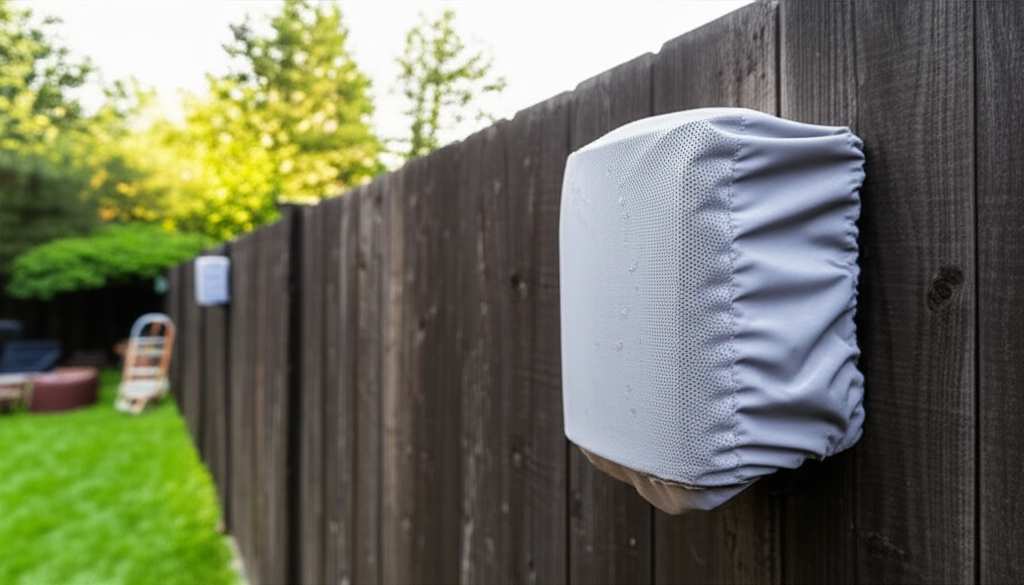
Speaker covers are like little jackets for your speakers. You can buy special covers made for outdoor speakers. They are usually made of waterproof or water-resistant material. These covers are super easy to put on and take off.
When the weather looks bad, or when you’re not using the speakers for a while, just slip a cover over them. It’s a quick and effective way to protect them from rain, dust, and UV rays. Make sure to get covers that fit your speakers snugly so they don’t blow away in the wind.
3. Consider Speaker Bags for Off-Season Storage
If you live in an area with harsh winters or if you’re storing your speakers for more than a few weeks, using speaker bags is a smart move. These bags are often padded and made of durable fabric. They offer protection from dust, moisture, and scratches.
When you’re ready to put your speakers away for the season, clean them gently. Then, place each speaker in its own bag. Store them in a cool, dry place, like a garage or a storage closet. This keeps them safe until you’re ready to bring them out again.
4. Regular Cleaning Keeps Them Fresh
Just like any piece of equipment, your outdoor speakers benefit from regular cleaning. Dust, dirt, and pollen can build up over time. This can affect their sound quality and even clog up the speaker vents.
Use a soft, dry cloth to wipe down the speaker surfaces. For tougher grime, you can use a slightly damp cloth, but make sure it’s not too wet. Avoid using harsh chemicals or abrasive cleaners, as these can damage the finish. Always make sure the speakers are completely dry before turning them on.
5. Check for Loose Connections and Damage
Once in a while, take a close look at your speakers and their wiring. Are any wires frayed or exposed? Are the connections loose? Any damage can let water in or cause electrical problems.
If you see any issues, fix them right away. You might need to use waterproof electrical tape to secure loose wires or replace damaged cables. If you’re not comfortable doing this yourself, it’s always a good idea to consult a professional.
6. Protect Them from Extreme Temperatures
While many outdoor speakers are built to withstand a range of temperatures, extreme heat or cold can still be a problem. Very high temperatures can damage the internal components over time. Very low temperatures can make plastic parts brittle and prone to cracking.
If you know a heatwave is coming, try to move the speakers to a shadier spot if possible. If it’s going to get extremely cold, consider bringing them inside or using protective covers more diligently.
7. Use a Surge Protector for Wired Systems
If your outdoor speakers are part of a wired sound system, protecting them from power surges is important. A power surge can happen during thunderstorms. It can fry your electronics in an instant.
Using a good quality surge protector can help safeguard your speakers and amplifier from sudden voltage spikes. Make sure the surge protector is rated for outdoor use if it’s going to be exposed to the elements.
Understanding Speaker Protection Ratings
This might sound a bit technical, but it’s actually pretty simple and super helpful. When you see an IP rating on a speaker, it’s like a secret code that tells you how protected it is. IP stands for “Ingress Protection.”
The first digit usually tells you about protection against solid objects, like dust. The second digit tells you about protection against water. The higher the number, the better the protection.
Here’s a quick breakdown of what those numbers can mean for your outdoor speakers:
| IP Rating | Protection Against Solids | Protection Against Liquids | What it Means for Your Backyard |
|---|---|---|---|
| IPX4 | No specific protection | Splashing water (from any direction) | Good for covered areas or light mist. Might not be enough for heavy rain. |
| IPX5 | No specific protection | Water jets (low pressure) | Can handle rain and sprinklers. A solid choice for most outdoor setups. |
| IPX6 | No specific protection | Water jets (high pressure) | Very water-resistant. Good if your speakers might get hit by stronger water spray. |
| IP65 | Dust tight | Water jets (low pressure) | Excellent protection against dust and rain. Ideal for open-air locations. |
| IP67 | Dust tight | Immersion up to 1 meter for 30 minutes | Can handle almost anything, including temporary submersion. Overkill for most, but super safe! |
So, what does this table tell us? For most people, a speaker with an IPX5 or IP65 rating is a great sweet spot. It means your speakers can handle rain and sprinklers without you having to constantly worry. If your speakers are in a really exposed spot, like by a pool that gets splashed a lot, something like an IPX6 or IP67 might give you extra peace of mind. Always check the manufacturer’s specs to be sure!
Types of Outdoor Speakers and Their Needs
Not all outdoor speakers are created equal, and their protection needs can vary. Let’s take a quick look at some common types.
1. Rock Speakers
These look like rocks and blend right into your garden or landscaping. They are often designed to be pretty durable.
Protection Tips: Because they sit on the ground, they can get wet from sprinklers or dew. Ensure they have a good IP rating or use a cover when not in use. Make sure the speaker cone is protected from direct water spray.
2. Wall-Mounted Speakers
These are often mounted under eaves or on the sides of your house. They can offer good protection if positioned well.
Protection Tips: Positioning them under eaves is key! If they are in a very exposed spot, consider a custom-fit cover or ensure they have a high IP rating. Check the mounting hardware for rust.
3. Landscape Speakers
Similar to rock speakers, these are designed to be part of your garden. They often come with stakes to place them in the ground.
Protection Tips: The main concern is water seeping from the ground up or from direct rain. Keep the connections above ground and ensure the speaker housing is sealed.
4. Portable Bluetooth Speakers
While not always “installed” outdoors, many people use these for backyard gatherings. Some are specifically designed for outdoor use.
Protection Tips: Look for models with high IP ratings (IPX5 or higher) if you plan to use them frequently outdoors. Always store them indoors when not in use.
5. In-Ground Subwoofers
These are larger units buried in the ground to provide deep bass.
Protection Tips: The main housing is usually well-protected underground. However, the connection points and any exposed grilles need to be checked regularly for water ingress or damage.
DIY Protection Hacks for Extra Peace of Mind
Sometimes, you just want a little extra insurance for your gear. Here are a few DIY ideas that can help.
Plastic Bag “Condoms”: For a quick fix, you can place a sturdy plastic bag over the speaker when rain is imminent. Just make sure it’s not so tight that it traps moisture inside and that you can still hear the sound. This is a temporary solution, not a long-term one.
DIY Speaker Covers: If you’re handy with a sewing machine, you can make your own speaker covers from waterproof fabric. Measure your speakers carefully and create a simple slip-on cover.
Elevating Them: Use small blocks of wood or durable plastic stands to lift speakers off wet surfaces. This helps air circulate and prevents water from pooling around the base.
Maintenance Schedule: A Quick Guide
Keeping track of when to do what can make maintenance easy. Here’s a simple schedule to follow.
Weekly (During Outdoor Season):
Quick visual check for any obvious damage or debris.
Wipe down surfaces with a dry cloth if needed.
Monthly:
More thorough cleaning with a slightly damp cloth.
Check speaker grilles for blockages.
Inspect visible wiring and connections.
Seasonally (Start and End of Outdoor Season):
Deep clean all speaker surfaces.
Test all connections and ensure they are secure and waterproof.
Apply protective treatments if recommended by the manufacturer (e.g., for plastic or wood parts).
Prepare for storage or reinstallation.
This simple schedule helps you stay on top of things without it feeling like a chore. Regular attention means fewer surprises down the road!
When to Call in the Pros
While many of these tips are DIY-friendly, there are times when it’s best to get expert help.
Electrical Issues: If you notice sparking, strange smells, or if speakers aren’t working at all after a known exposure to water, don’t try to fix it yourself. Electrical problems can be dangerous.
Significant Damage: If a speaker has been dropped, cracked, or has sustained major physical damage, it might need professional repair or replacement.
* Complex Systems: If you have a sophisticated outdoor audio system with multiple speakers and complex wiring, a professional installer can ensure everything is set up and protected correctly.
It’s always better to be safe than sorry, especially when electricity and water are involved.
Frequently Asked Questions (FAQs)
Q1: Can I use regular indoor speakers outside?
A: It’s really not recommended. Indoor speakers aren’t built to withstand the elements like rain, sun, and humidity. They’ll likely get damaged quickly and won’t sound as good. Outdoor speakers are specifically designed for this tough job.
Q2: How often should I clean my outdoor speakers?
A: A quick wipe-down weekly is great during the season. A more thorough cleaning once a month is also a good idea. This keeps them looking good and sounding clear.
Q3: My speakers got rained on, what should I do?
A: First, turn off the power to your speakers immediately. Then, let them air dry completely for at least 24-48 hours in a warm, dry place. Avoid using heat guns, as this can damage the components. Once fully dry, test them cautiously. If they sound distorted or don’t work, they may have been damaged.
Q4: Do I need to cover my speakers when it’s not raining?
A: It’s a good idea to use covers, especially if they are exposed to direct sunlight for long periods. UV rays can fade and degrade the speaker materials over time. Covers also protect against dust and pollen.
Q5: What does “weatherproof” really mean for speakers?
A: “Weatherproof” usually means the speaker can handle exposure to various weather conditions like rain, humidity, and temperature fluctuations. Look for IP ratings for a more specific idea of protection against water and dust. Always check the manufacturer’s specifications.
Q6: Can I bury my outdoor speakers?
A: Some landscape speakers are designed to be partially buried. However, you need to ensure that the speaker’s housing is completely sealed and that all connections are above ground and waterproofed. Burying standard speakers is not recommended as water can easily seep in.
Q7: How long do outdoor speakers typically last?
A: With proper care and protection, high-quality outdoor speakers can last anywhere from 5 to 10 years, sometimes even longer. Regular maintenance and protecting them from harsh weather are key to extending their lifespan.
Keep the Music Playing, Rain or Shine!
So there you have it! Protecting your backyard speakers from the weather doesn’t have to be complicated. By choosing the right speakers, picking smart locations, and using simple protection methods like covers and regular cleaning, you can ensure your outdoor audio system keeps delivering fantastic sound for years to come.
Remember, a little bit of care goes a long way. Think of it as giving your speakers a cozy home, even when they’re living outdoors. You’ve learned how to keep them safe from rain, sun, and everything in between. Now you can relax and enjoy your favorite tunes or movie soundtracks without a worry.
Go ahead and try out these tips! You’ll be amazed at how much better your speakers will perform and how much longer they’ll last.
Now go enjoy amazing sound and make every moment louder and better!