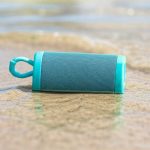
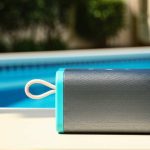
Yes, many Bluetooth speakers are built tough for outdoor adventures! Look for their IP ratings to see how well they handle dust and water.
Hey there, tech pals! Max here from AffTechy.com, ready to dive into a question that’s probably popped into your head if you love jamming out outdoors. You know that feeling – you’re at a picnic, by the pool, or maybe even on a camping trip, and you want some tunes. But then you wonder, “Can my trusty Bluetooth speaker actually handle being outside?” It’s a bit confusing with all the fancy tech talk out there, right? Don’t worry, I’m here to make it super simple. We’ll figure out what makes a speaker tough enough for the wild. Let’s break it down step by step.
Your Backyard Bash Buddy: Dust and Rain Ready?
Imagine this: You’ve got your friends over for a backyard BBQ. The grill is sizzling, the drinks are flowing, and you’ve got your favorite playlist ready to go. You pull out your Bluetooth speaker, ready to set the mood. But then, a little dust blows by, or maybe a few sprinkles of rain start to fall. Suddenly, you’re hit with that nagging question: “Is my speaker going to be okay?” It’s a real worry!
We all love our music, games, and podcasts. Bringing that sound outside just makes everything better. But the weather outside can be unpredictable. Dust, dirt, and water are no friends to delicate electronics. So, how do we know if our speakers are up for the challenge? It’s not as complicated as it sounds. I’m going to walk you through exactly what to look for.

Let’s Talk About Speaker Toughness: The Magic of IP Ratings
So, how do you actually tell if a speaker can handle the great outdoors? The secret sauce is something called an “IP rating.” Don’t let the letters and numbers scare you; they’re actually pretty straightforward once you know what they mean. Think of it like a shield for your speaker!
IP stands for “Ingress Protection.” It’s a standard way to measure how well an electronic device is protected against solids (like dust) and liquids (like rain). You’ll usually see it as “IP” followed by two numbers, like IPX7 or IP67. Each number tells you something specific about the protection.
Here’s a quick rundown of what those numbers mean:
The First Digit (Solids/Dust Protection): This number tells you how well the speaker is protected from solid objects, including dust. The higher the number, the better the protection.
0: No protection.
1: Protected from large objects (like a hand) but not from dust.
2: Protected from finger-sized objects.
3: Protected from tools or wires.
4: Protected from small objects.
5: Protected from dust. Some dust may get in, but it won’t stop the device from working.
6: Dust-tight! No dust can enter, even under strong conditions. This is the highest level for dust protection.
The Second Digit (Liquids/Water Protection): This number tells you how well the speaker is protected from water. Again, higher numbers mean better protection.
0: No protection.
1: Protected from vertically falling water drops.
2: Protected from water drops falling at a tilt (up to 15 degrees).
3: Protected from spraying water.
4: Protected from splashing water from any direction.
5: Protected from low-pressure water jets from any direction.
6: Protected from high-pressure water jets.
7: Protected from immersion in water up to 1 meter for 30 minutes. This is super common for outdoor speakers!
8: Protected from continuous immersion in water under conditions specified by the manufacturer. This usually means deeper or longer than level 7.
So, if you see a speaker with an IP67 rating, it means it’s completely dust-tight (that’s the ‘6’) and can be submerged in water up to 1 meter for 30 minutes (that’s the ‘7’). Pretty cool, right?
What Does “Outdoor Ready” Really Mean for Speakers?
When a speaker is advertised as “outdoor ready” or “rugged,” it usually means it has a good IP rating. But it’s more than just water and dust protection. These speakers are often built to be tougher overall.
Think about it: outdoor speakers might get bumped around more. They might be dropped accidentally. They might sit on rough surfaces. So, manufacturers often use materials that can withstand these things. This can include rubberized coatings, stronger casings, and reinforced grilles.
Some outdoor speakers also have features designed for the elements. For example, they might have louder sound to cut through ambient noise. They might have longer battery life because you’ll be using them for extended periods. And some even float! That’s a fun one for pool parties.
Common IP Ratings You’ll See and What They Mean for You
Let’s look at some common IP ratings you’ll find on Bluetooth speakers and what they mean for your outdoor fun. This will help you make a smart choice.
| IP Rating | Dust Protection | Water Protection | Best For |
| :——– | :——————————- | :——————————————— | :——————————————————————– |
| IPX4 | No specific rating (X means not tested or not applicable) | Protected from splashing water | Light rain, accidental splashes near a sink or pool. |
| IP55 | Protected from dust (limited ingress) | Protected from low-pressure water jets | General outdoor use, dusty environments, light rain, sprinklers. |
| IP65 | Dust-tight | Protected from low-pressure water jets | Very dusty areas, light rain, moderate splashes. Good all-around. |
| IP67 | Dust-tight | Protected from immersion up to 1 meter for 30 min | Beach, poolside, camping, moderate rain, accidental drops in water. |
| IP68 | Dust-tight | Protected from continuous immersion (specified) | Serious water exposure, swimming pools, boating, extreme outdoor use. |
When you see IPX4, remember that ‘X’ just means the dust protection wasn’t the main focus or wasn’t tested. The ‘4’ is decent for splashes, but don’t go dunking it! An IP55 speaker is a good step up, offering real dust resistance and protection against water jets.
The IP67 rating is a real sweet spot for most outdoor enthusiasts. It means your speaker is safe from dust and can handle a good dunking. This is perfect for those days at the beach or by the lake. IP68 is the king of durability, offering the best protection for those who really push their gear to the limit.
Beyond the IP Rating: Other Features for Outdoor Speakers
While the IP rating is super important, it’s not the only thing to consider for an outdoor speaker. Here are a few other features that make a speaker truly great for adventuring:
Sound Quality: Even the toughest speaker needs to sound good! Look for clear highs, solid mids, and decent bass. Some outdoor speakers are designed to be loud enough to be heard over wind and other noises.
Battery Life: You don’t want your music cutting out halfway through your party. Aim for speakers with at least 10-15 hours of battery life. Some can go even longer!
Portability: If you’re moving around a lot, a lightweight and compact speaker with a carrying strap or loop is a lifesaver.
Durability: Beyond water and dust, check if the speaker feels sturdy. Does it have a rubberized exterior? Are the buttons protected?
Connectivity: Most use Bluetooth, but some offer aux-in ports as a backup. Look for the latest Bluetooth versions (like 5.0 or higher) for a stable, longer-range connection.
Floating Ability: If you plan on using your speaker near or in water, a speaker that floats is a fantastic bonus! No more frantic rescues from the deep end.
Pairing Options: Some speakers can be paired with another identical speaker for stereo sound or to fill a larger area with music.
Real-World Scenarios: When Can Your Speaker Survive?
Let’s paint some pictures with our tough Bluetooth speakers.
Scenario 1: The Beach Day
You’re setting up your towel, the sun is shining, and you want some chill tunes. Sand is everywhere, and there’s a good chance of salty spray from the waves.
What you need: A speaker with at least an IP67 rating. This will keep the sand out and protect it from splashes and even accidental drops in the shallow water. A speaker that floats would be a huge bonus here!
Scenario 2: The Backyard BBQ
It’s a warm evening, you’re grilling, and people are chatting. Maybe a few kids are running around with water guns, or a light rain shower passes through.
What you need: An IP55 or IP65 rated speaker is usually perfect. This handles dust from the yard and light rain or splashes from unexpected water fights. If it’s a bigger party and you’re worried about more serious spills, bump up to IP67.
Scenario 3: The Camping Trip
You’re deep in the woods. There might be dust on the trails, dew in the morning, and potentially rain. You need something reliable.
What you need: IP65 is a good minimum, but IP67 is better for peace of mind. You want something that can handle dirt and dampness without fuss. Long battery life is also key here, as you might not have power outlets handy.
Scenario 4: Pool Party Extravaganza
The music is pumping, and people are diving in. Your speaker is sitting near the edge, and there’s a definite risk of it getting splashed or even knocked into the water.
What you need: IP67 is your best friend. For ultimate worry-free fun, look for a speaker that floats and is IP67 rated. This way, if it goes for a swim, it’s designed to handle it and stay afloat!
How to Care for Your Outdoor Speaker
Even the toughest speakers need a little TLC to keep them performing at their best. Here are some simple tips to make sure your outdoor buddy lasts for many adventures:
Rinse after Salt or Chlorine: If you use your speaker near the ocean or a chlorinated pool, rinse it with fresh water afterwards. Salt and chlorine can be harsh on seals and materials over time.
Dry Properly: After rinsing or if it gets wet, let the speaker air dry completely before charging or storing it. Make sure all ports are dry.
Check Port Covers: If your speaker has port covers (for charging, aux, etc.), make sure they are sealed tightly before exposing it to dust or water. This is crucial for maintaining its IP rating.
Avoid High-Pressure Jets: Unless your speaker is rated IPX6 or higher, avoid blasting it with high-pressure water, like from a hose. While IP65 and IP67 handle splashes and jets, direct, high-pressure streams can force water past seals.
Keep Away from Extreme Heat: While outdoor speakers are designed for the elements, prolonged exposure to intense, direct sunlight or extreme heat can damage the battery and internal components.
Store Safely: When not in use, store your speaker in a cool, dry place. A carrying case can offer extra protection.
Can You “Waterproof” a Regular Speaker?
This is a common question. Can you just wrap your regular indoor speaker in plastic and hope for the best? The short answer is: no, not really.
Regular Bluetooth speakers are not designed to withstand dust or water. Their internal components are not sealed. Even a small amount of moisture can cause short circuits and permanent damage. Wrapping it in plastic might offer some protection from light splashes, but it’s a risky gamble. You also have to worry about heat build-up inside the plastic.
For true outdoor durability, you really need a speaker that is specifically built and rated for it. It’s like trying to use your indoor shoes for a muddy hike – they just aren’t made for it! Investing in a properly rated outdoor speaker is the best way to ensure your music keeps playing, no matter the conditions.
Choosing Your Outdoor Audio Companion: A Quick Guide
Ready to pick out your next adventure speaker? Here’s a simple checklist to help you out:
1. What’s your usual outdoor playground?
Just the backyard? Maybe IPX4 or IP55 is enough.
Beach or poolside? Definitely IP67 or higher.
Serious camping and hiking? Go for IP67 or IP68.
2. What’s your budget?
Outdoor speakers range from budget-friendly to premium. Decide what you’re willing to spend. Higher IP ratings and extra features often come with a higher price tag.
3. How important is sound quality?
Do you want booming bass or crystal-clear vocals? Read reviews and compare specs.
4. How long do you need it to play?
Check the battery life. If you’re out all day, look for 15+ hours.
5. Portability is key?
Consider size, weight, and any carrying straps or loops.
A great resource for comparing speakers and reading expert reviews is sites like CNET or TechRadar. They often test speakers in real-world conditions.
Frequently Asked Questions About Outdoor Bluetooth Speakers
Here are some common questions beginners might have about taking their speakers outside.
Q1: Can I leave my Bluetooth speaker outside all the time?
A1: It’s generally not a good idea to leave any electronic device outside permanently. Even weather-resistant speakers can degrade over time with constant exposure to UV rays, extreme temperatures, and moisture. It’s best to store them indoors when not in use.
Q2: What does “water-resistant” vs. “waterproof” mean for speakers?
A2: “Water-resistant” means it can handle some exposure to water, like splashes or light rain (often indicated by lower IP ratings like IPX4 or IP55). “Waterproof” usually implies a higher level of protection, like being submersible for a period (common with IPX7 and IPX8 ratings). Always check the specific IP rating!
Q3: My speaker has an IP67 rating. Can I take it scuba diving?
A3: An IP67 rating means it can survive submersion in up to 1 meter (about 3 feet) of water for 30 minutes. This is great for accidental drops in the pool or lake. However, it’s not designed for deep-sea diving or prolonged submersion beyond those conditions. Always follow the manufacturer’s guidelines.
Q4: Do dustproof speakers actually work in dusty environments?
A4: Yes, speakers with good dust protection (like IP5X, IP6X) are designed to prevent dust from entering and interfering with their operation. An IP6X rating means it’s completely dust-tight, which is the best for very dusty conditions like construction sites or deserts.
Q5: Is it safe to charge my outdoor speaker while it’s raining?
A5: Absolutely not! Even if your speaker is water-resistant, charging ports are often the weakest point for water ingress. Always make sure the charging port is dry and the port cover is securely closed before charging, and never charge it in the rain or when wet.
Q6: My speaker got splashed. What should I do?
A6: If it was just a light splash and your speaker has a decent IP rating (like IPX4 or higher), it’s probably fine. If it was salty or chlorinated water, it’s a good idea to gently wipe it down with a damp cloth and then let it air dry completely. If it was a heavy splash or it got submerged, check the manufacturer’s instructions.
Q7: Can I use my indoor speaker outside if I’m careful?
A7: While you might get away with it for a very short time in a controlled, dry environment, it’s highly risky. Indoor speakers lack the seals and robust construction needed for outdoor elements. Dust, humidity, and even minor splashes can easily cause damage. It’s best to use a speaker designed for outdoor use to avoid disappointment.
The Final Verdict: Your Music Can Go Anywhere!
So, can Bluetooth speakers survive outdoor dust and rain? The answer is a resounding yes, if you choose the right one! We’ve seen that the key is understanding those IP ratings. A speaker with a good IP rating, like IP55 or IP67, is built to handle the challenges of being outdoors. It’s not just about surviving; it’s about thriving!
You can now confidently pick out a speaker that’s ready for your beach days, backyard BBQs, camping adventures, and poolside parties. Remember to check that IP rating, consider other outdoor-friendly features like battery life and ruggedness, and give your speaker a little care. You’ve got the knowledge to make a great choice!
Now go enjoy amazing sound and make every moment louder and better, no matter where your adventures take you! Happy listening!