Bluetooth speakers can last anywhere from 3 to 10 years, sometimes even longer! It all depends on how you treat them, the battery inside, and how well they’re made. We’ll help you figure out what makes them tick and how to get the most out of yours!
Hey there, tech adventurer! Ever crank up your favorite tunes and wonder how long that magic little box will keep the party going? It’s a great question, especially when you’re looking to buy a new one or just want to make your current speaker last. We all love the freedom of wireless sound, right? It’s perfect for backyard BBQs, relaxing at the beach, or just chilling in your living room.
Picking out a Bluetooth speaker can feel like a puzzle sometimes. There are so many options, and all those techy words can make your head spin. But don’t worry! I’m here to break it all down for you, super simple and friendly. We’ll talk about what makes these speakers tick, how long they really last, and how you can help them live a long, happy life.
Think of me as your tech buddy, here to make sense of it all. We’ll go from understanding the basics to giving you tips and tricks. By the end of this, you’ll feel like a pro! Let’s dive in and unlock the secrets of Bluetooth speaker longevity.
Let’s Talk About Sound and Life Spans
So, you’ve got a Bluetooth speaker. It’s your go-to for jamming out, watching movies, or making calls hands-free. But how long does this little sound machine actually stick around? It’s not a simple one-size-fits-all answer, and that’s okay!
Generally, you can expect a good Bluetooth speaker to last anywhere from 3 to 10 years. Some might even keep going longer with great care! It’s a bit like asking how long a phone or a laptop lasts. Several things play a big role in its lifespan.
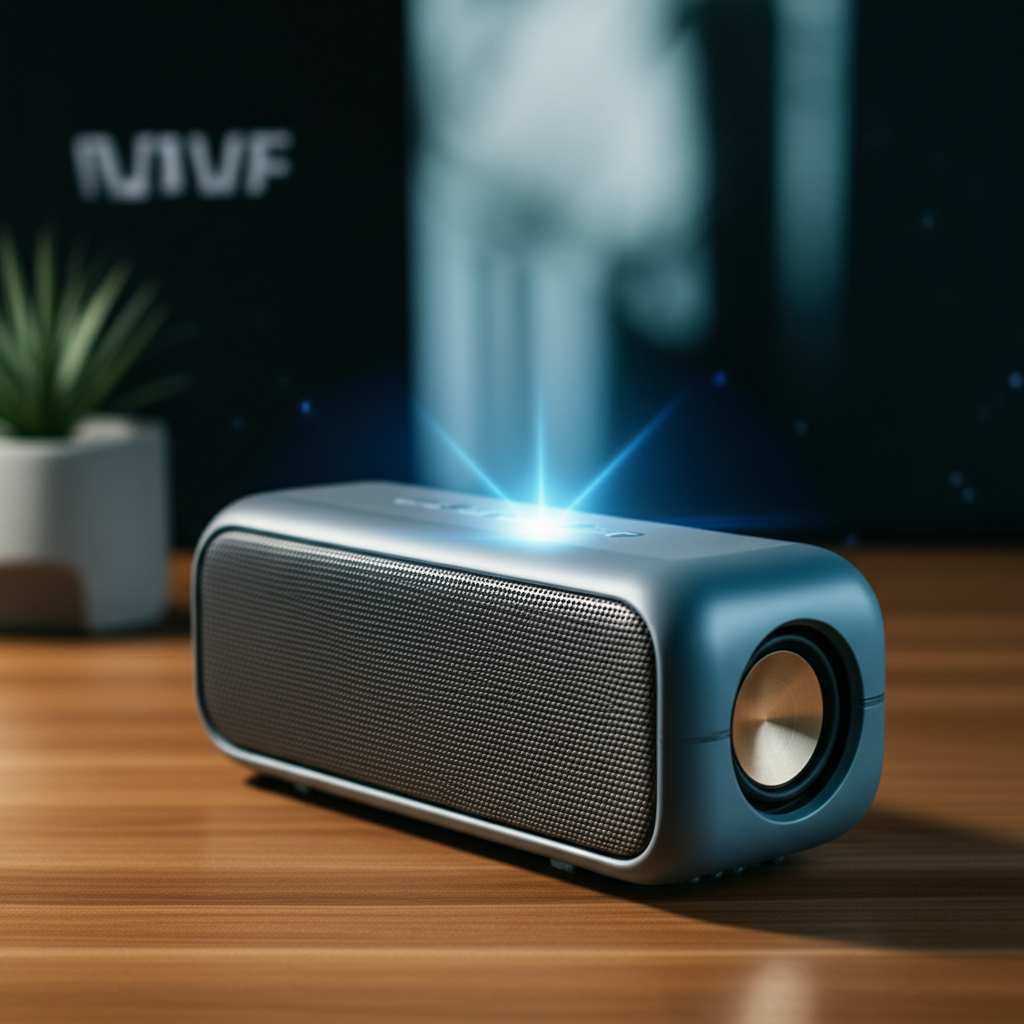
The biggest factor is often the battery. Like any rechargeable gadget, the battery inside your speaker doesn’t last forever. It will slowly lose its ability to hold a charge over time. But don’t let that scare you! Many other parts of the speaker can keep working for a long, long time.
What Makes a Bluetooth Speaker Last?
It’s not just about the battery, though that’s a big one. Several elements contribute to how long your Bluetooth speaker will keep pumping out tunes. Let’s explore them!
The Battery is Key
This is where a lot of the “lifespan” talk starts. Bluetooth speakers use rechargeable batteries, usually lithium-ion. These batteries are awesome because they hold a lot of power. But they also have a limited number of charge cycles.
Think of a charge cycle like a full day of using your speaker, from 100% down to 0% and then back up. Most modern batteries can handle hundreds, sometimes even over a thousand, of these cycles. After that, they start to lose their juice faster. So, a speaker used daily might hit its battery limit sooner than one used only on weekends.
Build Quality Matters
How the speaker is put together is super important. A well-built speaker will have sturdy materials and good seals to keep dust and water out. If it’s made with cheap plastic or has loose parts, it might not handle bumps or drops as well.
Brands that focus on durability often use tougher casings, better internal wiring, and more robust speaker components. This means they can survive more adventures and rough handling. A speaker built for the outdoors, for instance, will usually be tougher than a basic indoor model.
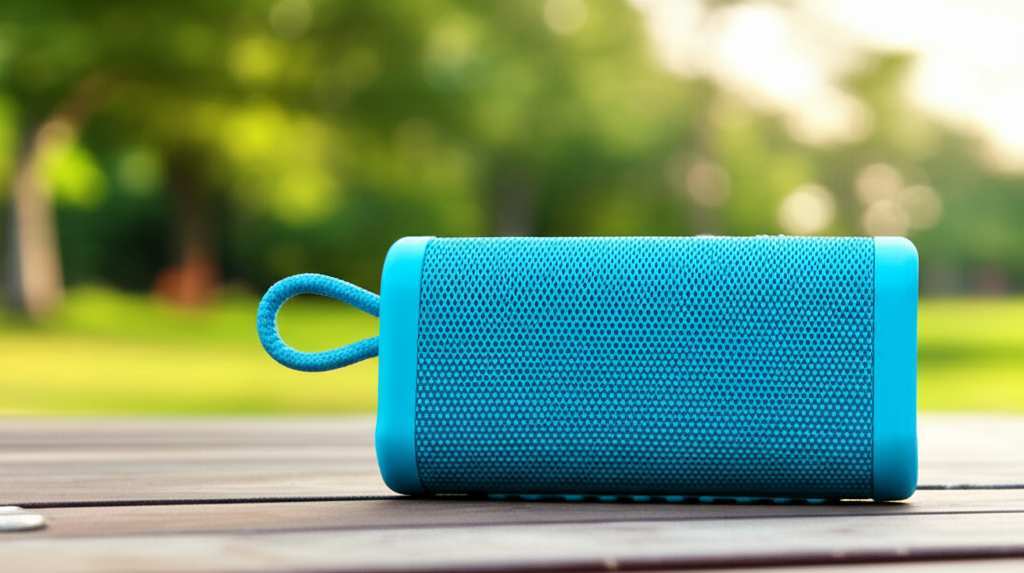
How You Use It Plays a Role
This is where you have the most control! Treating your speaker with care makes a huge difference. Extreme temperatures, like leaving it in a hot car or freezing cold, can really harm the battery and internal electronics.
Dropping it, getting it too wet (unless it’s waterproof!), or overcharging it can also shorten its life. Think of it like taking care of any of your favorite things – a little attention goes a long way.
Software and Firmware Updates
Some higher-end Bluetooth speakers get software updates. These updates can fix bugs and improve performance. While they don’t directly increase the physical lifespan of the speaker, they can keep it running smoothly and efficiently, which indirectly helps.
Typical Lifespans by Type
Not all Bluetooth speakers are created equal, and their intended use can affect how long they last. Let’s break it down by common types:
Basic Portable Speakers
These are your everyday, go-anywhere speakers. They are usually smaller and designed for casual listening.
Lifespan: 3-6 years.
Why: Often built with more cost-effective materials. Their batteries might have fewer charge cycles. They’re also more likely to be dropped or exposed to elements.
Rugged Outdoor Speakers
These are built tough! They’re often waterproof, dustproof, and shock-resistant.
Lifespan: 5-8 years, sometimes more.
Why: Their robust construction means they can handle more abuse. The waterproof seals also protect the internal components from moisture damage.
Premium Home Speakers
These are usually larger, stationary speakers designed for the best sound quality indoors.
Lifespan: 7-10+ years.
Why: They are typically made with higher-quality components and less exposure to harsh conditions. The batteries might be larger and designed for longer life, or they might even be replaceable.
Mini or Tiny Speakers
These super-small speakers are fun but often have limitations.
Lifespan: 2-4 years.
Why: Smaller batteries mean fewer charge cycles and less playtime over time. They also tend to be made with simpler, less durable materials to keep costs down.
Understanding Battery Life and Cycles
Let’s get a bit more specific about batteries. The lifespan of your speaker is strongly tied to how many times its battery can be fully charged and discharged.
A typical lithium-ion battery in a Bluetooth speaker might be rated for 500 to 1000 charge cycles. Some high-quality ones can go even higher. What does this mean for you?
If you use your speaker for about 4 hours every single day, and it takes one full charge for that:
At 500 cycles, the battery might start showing significant wear after about 1.3 years (500 days / 365 days/year).
At 1000 cycles, it would be around 2.7 years.
However, most people don’t use their speakers like that every day. If you use it for 2 hours a day, every other day:
At 500 cycles, it could last about 1000 days, or roughly 2.7 years.
At 1000 cycles, it could last about 2000 days, or roughly 5.5 years.
See how usage patterns make a big difference? Also, how you charge it matters. Constantly topping it up from 90% to 100% can be harder on a battery than letting it drain a bit more.
Factors That Shorten Speaker Life
We’ve talked about what makes them last, but what about the things that can cut their life short? Knowing these can help you avoid them.
Extreme Temperatures: Don’t leave your speaker in a hot car or out in the freezing cold. This really degrades the battery and can damage internal components.
Water Damage: Unless your speaker is specifically rated as waterproof (look for IP ratings like IPX7 or IP67), keep it away from rain, splashes, and submersion.
Physical Shocks: Dropping your speaker, even from a short height, can loosen internal parts, crack casings, or damage the speaker cones.
Overcharging (Less Common Now): Older devices sometimes had issues with overcharging. Modern speakers have built-in protection, but it’s still good practice not to leave them plugged in for weeks on end after they’re fully charged.
Using Cheap Chargers: Always use the charger that came with your speaker or a reputable brand. Using a charger with the wrong voltage or amperage can damage the battery or charging port.
Dust and Debris: While not always a life-shortener, excessive dust can get into ports and affect sound quality or even internal components over time.
How to Maximize Your Bluetooth Speaker’s Lifespan
Want your speaker to keep rocking for as long as possible? Here are some super simple tips:
Read the Manual: Seriously! It has specific advice for your model.
Avoid Extreme Temps: Keep it indoors or in mild conditions.
Protect from Water: If it’s not waterproof, keep it dry.
Handle with Care: Try not to drop it. Use a protective case if you carry it around a lot.
Charge Smart: Don’t let it die constantly, but also don’t stress about charging it the moment it hits 99%. A good balance is best.
Use the Right Charger: Stick to the original or a certified replacement.
Clean it Gently: Use a soft, dry cloth. For ports, a gentle puff of air can work wonders.
Store it Properly: If you’re not using it for a while, store it in a cool, dry place with about 50% charge.
Comparing Speaker Lifespans and Features
To give you a clearer picture, let’s look at how different types of speakers might stack up, considering their typical lifespan and what you get.
| Speaker Type | Typical Lifespan (Years) | Key Features | Common Use Cases | Price Range (Approx.) |
| :———————– | :———————– | :—————————————————- | :——————————————— | :——————– |
| Basic Portable | 3-6 | Lightweight, easy to carry, decent sound | Casual listening, picnics, small gatherings | $30 – $100 |
| Rugged Outdoor | 5-8+ | Waterproof, dustproof, shock-resistant, loud | Hiking, camping, beach, poolside parties | $70 – $250 |
| Premium Home | 7-10+ | Superior sound quality, robust build, advanced features | Home audio, dedicated listening rooms | $150 – $500+ |
| Mini/Tiny | 2-4 | Ultra-portable, budget-friendly, basic sound | Travel, desk speaker, personal listening | $20 – $70 |
| Smart Speakers (e.g., Echo, Google Home) | 4-7 | Voice control, Wi-Fi connectivity, good sound | Home assistant, music streaming, smart home control | $50 – $200 |
As you can see, the speakers designed for more demanding environments or premium sound tend to last longer. This is often because they use better components and are built to withstand more. For example, a rugged speaker might have IP67 waterproofing, meaning it can be submerged in water for a short period. This level of protection is rarely found in basic models and adds to its durability.
Battery Replacement: Is It Possible?
This is a big question for many people. If the battery starts to fade, can you just swap it out?
For many smaller, cheaper Bluetooth speakers, battery replacement is often not practical or even possible. They are sealed units, and the battery might be glued in or very difficult to access without damaging the speaker.
However, for some higher-end or larger speakers, battery replacement might be an option. Some manufacturers offer service for battery replacement, or if you’re a bit handy, you might be able to find guides online for specific models.
When to Consider a Battery Replacement
Drastically Reduced Playtime: If your speaker now only lasts an hour or two on a full charge, and it used to last much longer.
Speaker Won’t Hold a Charge: If it dies very quickly after unplugging, even if it shows 100%.
You Love Your Speaker: If it’s a great-sounding speaker that you’ve had for a few years and don’t want to replace.
Before attempting a DIY replacement, always check if the manufacturer offers a service. It’s often safer and will preserve any warranty you might still have. For many, when the battery’s life is truly over, it might be time to consider a new speaker, especially with how affordable and advanced they’ve become.
Common Speaker Issues and How They Affect Lifespan
Sometimes, speakers run into problems that aren’t directly related to battery wear. Here are a few common ones and how they might impact your speaker’s life.
Charging Port Issues: If the charging port becomes loose or damaged, you won’t be able to charge the speaker properly. This can lead to needing repairs or a new device. Rough handling or using the wrong cables can cause this.
Connectivity Problems: Bluetooth connection issues can be frustrating. Sometimes, this is software-related and can be fixed with updates or resets. Other times, it could point to a failing Bluetooth module, which is harder to repair.
Sound Quality Degradation: If the sound starts to crackle, distort, or become muffled, it could be a sign of a damaged speaker driver, a buildup of dust, or internal component issues. This might be repairable, but often it means the speaker is getting old.
Power Button Malfunctions: If the power button stops working, you won’t be able to turn the speaker on or off. This can be due to wear and tear on the button itself or its internal connection.
These issues, while not always catastrophic, can definitely shorten the enjoyable lifespan of your speaker. Proactive care, like keeping ports clean and avoiding drops, can prevent many of these problems.
The Role of Technology in Speaker Longevity
Newer Bluetooth technologies and battery advancements are constantly improving speaker lifespans.
Bluetooth 5.0 and later versions are more power-efficient than older versions. This means your speaker can use less battery to maintain a stable connection, leading to longer playtime on a single charge. Efficient power management systems within the speaker also help.
Battery technology itself is also evolving. While lithium-ion is standard, manufacturers are always looking for ways to make batteries that last longer between charges and endure more charge cycles.
Some speakers are also being designed with modularity in mind, making it easier to replace components like the battery. This is still rare, but it’s a step towards more sustainable and longer-lasting tech.
How to Choose a Speaker for Long-Term Use
If you’re buying a new speaker and want it to be a long-term companion, here’s what to look for:
Reputable Brands: Stick with well-known brands that have a history of quality. Brands like Bose, JBL, Sony, and Ultimate Ears often produce durable products.
Build Quality: Look for solid construction. Does it feel sturdy? Are the buttons well-made?
Water and Dust Ratings: If you plan to use it outdoors or near water, an IPX rating of 7 or higher is a good sign of durability.
Battery Life Claims: While these are often optimistic, a speaker that claims 15-20+ hours of playback is usually using a decent-sized battery.
Reviews: Check reviews from trusted tech sites like CNET or TechRadar. They often talk about build quality and long-term reliability. For example, TechRadar often reviews speakers with a focus on durability for outdoor use.
* Warranty: A longer warranty can be a sign that the manufacturer is confident in their product’s durability.
Fun Fact: Bluetooth Evolution!
Did you know Bluetooth technology has been around since the late 1990s? The first Bluetooth specification was developed by Ericsson in 1994. It’s come a long way from those early days, enabling the vast array of connected devices we use today, including our beloved Bluetooth speakers!
Frequently Asked Questions About Bluetooth Speaker Lifespan
Q1: How often should I charge my Bluetooth speaker?
It’s best to charge it when the battery is low, but don’t worry too much about fully draining it every time. Modern lithium-ion batteries handle partial charges well. Aim to charge it before it dies completely, but it’s also fine to top it up whenever you can.
Q2: Can I use my Bluetooth speaker while it’s charging?
Yes, most Bluetooth speakers can be used while they are charging. However, sometimes charging can be slower if the speaker is in heavy use. It’s generally not harmful to do so.
Q3: What does IPX7 mean for my speaker?
An IPX7 rating means your speaker is protected against immersion in water up to 1 meter for about 30 minutes. This is great for poolside or beach use, but remember it doesn’t protect against high-pressure jets of water or sand.
Q4: Will leaving my speaker plugged in all the time damage it?
Modern speakers have smart charging systems that stop charging when the battery is full. So, leaving it plugged in for a day or two after it’s charged usually won’t cause significant harm. However, for optimal long-term battery health, it’s generally better to unplug it once it’s fully charged.
Q5: How can I tell if my speaker’s battery is dying?
You’ll notice a significant decrease in how long it holds a charge. It might die much faster than it used to, or it might not charge to full capacity anymore. The speaker might also shut off unexpectedly even when it shows some battery life left.
Q6: Are expensive Bluetooth speakers worth it for longevity?
Often, yes! More expensive speakers usually use higher-quality components, better batteries, and more robust build materials, which can lead to a longer lifespan and better performance over time. You’re often paying for durability and superior sound quality.
Q7: Can I upgrade the Bluetooth module in my speaker?
Unfortunately, no. The Bluetooth module is an integrated part of the speaker’s internal circuitry. It’s not something that can typically be upgraded like you might upgrade a component in a computer.
Conclusion: Enjoy Your Sound for Years to Come!
So, there you have it! Your Bluetooth speaker is likely built to last quite a while, often many years, with the right care. We’ve seen how battery health, build quality, and your own usage habits all play a part in its journey.
Remember those simple tips: keep it out of extreme temperatures, protect it from water (unless it’s waterproof!), handle it gently, and use the right charger. These little actions can make a world of difference.
Whether you have a tiny speaker for travel or a booming one for parties, understanding its lifespan helps you appreciate it more and get the most out of your investment. Plus, knowing what to look for when buying your next speaker will make that process much easier.
Now go enjoy amazing sound and make every moment louder and better! Happy listening!