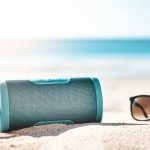
Keep your Bluetooth speakers safe from the sun! Protect them from heat and UV rays by choosing shady spots, using covers, and storing them properly to ensure they sound great for years.
Hey there, fellow tech enthusiasts! You know how much a good Bluetooth speaker can transform a day, right? Whether it’s jamming out at a picnic, chilling on the beach, or just enjoying some tunes in your backyard, these little powerhouses bring the soundtrack to our lives. It’s like having a portable concert hall in your bag!
But let’s be honest, sometimes we get so excited about the music, we forget about the gear itself. Especially when we’re out and about, enjoying the sunshine. It’s easy to leave our speakers sitting out, basking in the sun, without a second thought. And while a little warmth might feel nice, for our electronics, it can spell trouble.
I get it. Figuring out all the ins and outs of tech can sometimes feel like deciphering a secret code. But don’t worry! I’m here to make it super simple and fun. We’re going to dive into how to keep your beloved Bluetooth speakers in tip-top shape, especially when the sun is shining bright.

Think of me as your friendly tech buddy. I’ll break down all the important stuff in a way that just makes sense. We’ll cover the ‘why’ and the ‘how’ of protecting your speakers from sun damage, so you can keep the good times rolling without any worries. Ready to become a speaker-saving pro? Let’s get started!
Why Sun Exposure is a Speaker’s Worst Enemy
So, why is the sun such a big deal for your Bluetooth speakers? It’s not just about getting a little warm. The sun emits a lot of energy, and that energy can do some real damage to the sensitive parts inside your speaker.
Think about it: you wouldn’t leave your phone or laptop baking in direct sunlight for hours, right? Your speaker is no different. Its internal components, like the battery and the delicate electronics that make the sound happen, are designed to work best within a certain temperature range. Too much heat throws that all out of whack.
The Heat is On: What High Temperatures Do
When your speaker gets too hot, a few things can happen. The battery is usually the first to suffer. High heat can degrade the battery’s capacity over time, meaning it won’t hold a charge for as long as it used to. It can even cause the battery to swell or, in extreme cases, become a safety hazard.
Beyond the battery, the internal circuitry can also be affected. The adhesives holding components together might soften. Plastic parts could warp. Even the speaker cones themselves, which are often made of paper or synthetic materials, can become brittle or lose their shape with prolonged, intense heat exposure.
UV Rays: The Invisible Damage Dealers
It’s not just the heat; the sun’s ultraviolet (UV) rays also play a sneaky role. UV radiation is what causes sunburn on our skin, but it can also break down materials over time. For your speaker, this means the colorful plastics might fade, and rubberized coatings or seals could become less effective.
These seals are often there to protect your speaker from dust and moisture. If they degrade because of UV exposure, your speaker might become more vulnerable to other elements, even if the sun isn’t actively beating down on it.
Sun Damage is Real: Signs to Look For
How can you tell if your speaker has been a victim of sun exposure? Sometimes the damage is obvious, and other times it’s more subtle. Keeping an eye out can help you catch problems early.
One of the first things you might notice is a change in how the speaker performs. Does it seem to die much faster after a full charge? That’s a classic sign of battery degradation, often linked to heat. You might also notice that the sound quality isn’t quite as crisp as it used to be.
Visible Clues
Visually, look for any fading on the speaker’s casing, especially if it’s brightly colored. If your speaker has rubberized grips or buttons, do they feel sticky or look discolored? That’s the UV rays and heat doing their work.
Sometimes, if a speaker has been left in extreme heat, you might even see slight warping in the plastic housing. It’s like leaving a plastic toy in a hot car – things can start to lose their shape.
Performance Quirks
Beyond the looks, pay attention to how the speaker behaves. Does it randomly shut off even when it shows it has battery life? This can be a sign that the battery is overheating and the internal safety mechanisms are kicking in. Or maybe the Bluetooth connection seems less stable than before.
These performance quirks, combined with visible signs, paint a clear picture: your speaker needs some TLC to protect it from the sun’s harsh rays.
Smart Ways to Shield Your Speaker from the Sun
Okay, so we know the sun can be a real menace to our speakers. But the good news is, protecting them is totally doable! It’s all about making smart choices when you’re out and about, especially on sunny days.
Think of it like this: you wear sunscreen and a hat when you go out in the sun, right? We can do something similar for our speakers. It’s all about creating a little shield and being mindful of where we put them.
Location, Location, Location!
This is probably the biggest and easiest tip. When you’re at the beach, at a park, or anywhere outdoors on a sunny day, try to keep your speaker out of direct sunlight as much as possible. Find a shady spot!
If you’re on the sand, under an umbrella is perfect. If you’re at a picnic table, position it so it’s not directly in the sun’s path. Even a few extra feet can make a big difference in temperature. If there are no natural shady spots, consider bringing your own shade, like a small beach umbrella or even a strategically placed towel.
Cover Up Your Speaker
Just like you might use a car shade to keep your dashboard cool, there are ways to cover your speaker. Many speakers come with carrying cases, and these can offer a good layer of protection. Even a simple towel draped over it when it’s not in use can help block direct sun and reduce heat buildup.
There are also specialized speaker covers available. Some are designed to be water-resistant, but many also offer UV protection. These can be a great investment if you spend a lot of time outdoors with your audio gear. Look for covers made from durable, UV-resistant materials.
Keep an Eye on the Temperature
You can often feel when something is getting too hot. If your speaker feels excessively warm to the touch, it’s time to move it. Don’t wait until it’s uncomfortable to hold. Give it a break in a cooler, shaded spot.
Some higher-end speakers might even have internal temperature sensors that can alert you if things are getting too hot. But for most basic models, your own touch is the best indicator. It’s better to be safe than sorry!
Short Bursts are Better
If you’re using your speaker for an extended period on a hot, sunny day, try to give it breaks. Turn it off periodically and move it to a cooler spot to let it rest and cool down. This is especially important if it’s been playing loudly, as that can also generate internal heat.
Think of it as giving your speaker a mini-siesta from the sun and the music. This helps prevent the components from overheating and prolongs their lifespan.
Storage: Protecting Your Speaker When It’s Not in Use
Protecting your Bluetooth speaker isn’t just about what you do when you’re out having fun. How you store it when you’re not using it is just as crucial, especially if you live in a sunny climate or plan to take it on future adventures.
Leaving a speaker in a hot car, a sunny windowsill, or a warm garage can do just as much damage as leaving it out in the open on a beach day. The enclosed spaces can trap heat, making temperatures inside even higher than the ambient outdoor temperature.
The Car Conundrum
Cars are notorious heat traps. On a sunny day, the interior temperature of a car can soar to dangerous levels very quickly. If you’ve ever touched a car seat or a steering wheel after it’s been parked in the sun, you know what I mean!
Never, ever leave your Bluetooth speaker (or any electronics, for that matter) in a parked car on a sunny day. Even a quick errand can expose your speaker to damaging heat. It’s always best to take it with you or store it in a temperature-controlled environment.
Home Sweet (Cool) Home
When you bring your speaker home, resist the urge to leave it on a sunny windowsill or right next to a window that gets direct sun all afternoon. These spots might seem like a convenient place to keep it charged, but they can become miniature ovens for your electronics.
Instead, choose a cool, dry spot for storage. A shelf in a closet, a drawer, or a cool spot in your living room away from direct sunlight is ideal. If you’re storing it for an extended period, make sure it’s fully charged (but not overcharged, which can also stress the battery) and consider using its original packaging or a protective case.
Travel Smart
If you’re traveling with your speaker, whether it’s on a road trip or a flight, take precautions. Use a padded case to protect it from bumps and also from temperature fluctuations. If you’re going to be in a hot destination, plan where you’ll keep your speaker when you’re not actively using it.
Avoid leaving it in hotel rooms that get very hot or directly in the sun. Most hotels have air conditioning, but if you’re in a more rustic setting, be extra vigilant about finding cool, shaded spots for your gear.
Materials Matter: What Your Speaker is Made Of
Different materials react differently to sun exposure. Understanding what your speaker is made of can give you clues about its vulnerability and how best to protect it.
Most Bluetooth speakers have casings made from plastics. Some are smooth and glossy, while others have a matte or textured finish. Many also incorporate rubber or silicone elements for grip, button covers, or protection against minor bumps. These different materials have varying tolerances to heat and UV radiation.
Plastic and Its Patience
Standard plastics can become brittle and discolored when exposed to prolonged UV radiation. High heat can also cause them to warp or soften. Glossy finishes might become dull, and matte finishes can develop a chalky appearance.
More robust plastics, often used in outdoor or ruggedized speakers, are designed to withstand more abuse. However, even these have their limits. They might have UV inhibitors mixed into the material to help slow down degradation, but they aren’t entirely immune.
Rubber and Silicone: The Sensitive Sides
The rubberized or silicone parts of your speaker, often found on the edges, buttons, or feet, are particularly susceptible to sun damage. These materials can become sticky, gummy, or even start to flake off when exposed to heat and UV rays over time.
This is why it’s so important to keep these parts out of direct sunlight. If they degrade, not only does your speaker look less appealing, but the grip and protective qualities are compromised.
Internal Components: The Unseen Victims
While we can see the exterior damage, the internal components are where the most critical damage can occur. The battery, printed circuit boards, speaker drivers, and adhesives are all sensitive to extreme temperatures.
Batteries, especially lithium-ion ones, have a finite lifespan, and heat significantly accelerates their degradation. The adhesives holding speakers together can weaken, leading to rattling sounds or even component failure. The delicate electronics can be fried by excessive heat.
Table: Speaker Material Vulnerability to Sun
Let’s break down how common speaker materials hold up under the sun. This table gives you a quick look at what to watch out for:
| Material | Common Use | Vulnerability to Sun (Heat & UV) | Protective Measures |
|---|---|---|---|
| Standard Plastic (ABS, Polycarbonate) | Speaker Casing, Grilles | Can become brittle, discolored, and warp. Glossy finishes may dull. | Keep out of direct sun, use covers, avoid prolonged heat. |
| Rubber/Silicone | Button Covers, Grips, Feet, Seals | Can become sticky, gummy, discolored, or brittle/cracked over time. | Avoid direct sun, clean gently, store in cool, dry place. |
| Fabric (Speaker Grilles) | Acoustic Grille Cloth | May fade in color, can become stiff or brittle with prolonged UV exposure. | Keep out of prolonged direct sunlight. |
| Metal (Aluminum, Steel) | Accents, some grilles | Generally very resistant to UV and heat damage. Can get very hot to touch. | Focus on preventing extreme heat buildup for internal components. |
| Internal Electronics (PCBs, Battery) | Circuit Boards, Battery Pack | Highly sensitive. Heat degrades battery life and performance, can damage circuitry. | Crucial to keep entire unit cool; avoid any prolonged high-heat environments. |
As you can see, most materials used in speaker construction have some level of vulnerability to sun exposure. The key takeaway is that while metal is pretty tough, plastics and rubber need the most attention. Always prioritize keeping the entire unit, especially its internal components, away from excessive heat and direct UV rays. This table helps you remember which parts need the most watchful eye!
Best Practices for Beach and Outdoor Use
Heading to the beach or a park for some fun? Awesome! With a few simple strategies, you can ensure your Bluetooth speaker enjoys the day as much as you do, without suffering any sun-related woes.
It’s all about being prepared and making conscious decisions while you’re out there. These aren’t complicated steps, just smart habits to build.
Bring Your Own Shade
Don’t rely solely on finding natural shade. Pack a small beach umbrella, a pop-up canopy, or even a large towel that you can prop up to create a shaded zone for your speaker. This gives you control over its environment.
When you’re not actively listening, place the speaker under this makeshift shade. Even if it’s just for a few minutes between songs, it gives the unit a chance to cool down.
Use a Protective Cover or Case
If your speaker came with a case, use it! If not, consider investing in one. Many travel cases offer padding and can provide a decent barrier against the sun’s rays. Some cases are even made with UV-resistant materials.
A simple cloth cover can also work wonders. Drape it over the speaker when you’re packing up or taking a break. This simple act can significantly reduce direct heat absorption.
Elevate Your Speaker
On a hot beach or scorching pavement, the ground can radiate a lot of heat. If possible, elevate your speaker slightly. Placing it on a cooler bag, a beach chair, or even a small portable table can help keep it away from the hottest surfaces.
This simple elevation can make a difference in how much heat the speaker absorbs from its surroundings. It’s a small tweak that can have a big impact.
Monitor Battery Usage
Playing music at high volumes drains the battery faster, and this process also generates internal heat. On a hot day, this effect is amplified. Try to keep the volume at a moderate level, especially if the speaker is in direct sun for long periods.
If you notice the speaker getting warmer than usual, take a break from playing music for a while. Let it cool down in the shade before resuming.
Pack It Away Properly
When you’re done using the speaker for the day, don’t just leave it in a hot car or a sunny spot. Pack it into its case or a bag that’s not exposed to direct sunlight. If you’re going straight home, consider putting it on the floor of your car, which tends to stay cooler than the seats or dashboard.
Proper packing ensures that the heat it absorbed during use has a chance to dissipate gradually in a cooler environment, rather than being trapped and intensified.
Table: Beach Day Speaker Protection Checklist
Here’s a quick checklist to make sure you’re ready for a sunny day out with your speaker:
| Item | Purpose | Why It Helps |
|---|---|---|
| Beach Umbrella / Canopy | Create Shade | Blocks direct sunlight, keeps speaker temperature lower. |
| Protective Speaker Cover / Case | Shielding & Padding | Acts as a barrier against UV rays and heat. Protects from bumps. |
| Cooler Bag / Small Table | Elevation | Keeps speaker off hot surfaces like sand or pavement. |
| Towel or Cloth | Temporary Cover | Quick way to block sun when speaker is not in use. |
| Water Bottle (for hydration!) | Personal Comfort | Staying hydrated helps you remember to take care of your gear too! |
This checklist is your go-to for a worry-free sunny outing. Having these items handy means you can proactively protect your speaker, ensuring it keeps delivering great sound without any damage. It’s the little things that make a big difference!
What About Water-Resistant Speakers?
You might be wondering, “What if my speaker is water-resistant? Does that mean it’s also sun-resistant?” That’s a great question! Many modern Bluetooth speakers are built to handle splashes, rain, and even brief submersion. This is fantastic for outdoor use, but it doesn’t automatically mean they are immune to sun damage.
Water resistance and sun resistance are two different things. A speaker might be perfectly fine getting wet, but the same exposure to heat and UV rays can still cause harm.
Water vs. Sun: Different Threats
Water resistance ratings (like IPX ratings) tell you how well a speaker can withstand water ingress. This is crucial for poolside parties or accidental spills. However, these ratings don’t typically account for the effects of prolonged heat or UV radiation.
The seals and materials that make a speaker water-resistant might be the very same ones that degrade under intense sunlight. For example, rubber gaskets can become less flexible and brittle when exposed to UV light, potentially compromising their water-tightness over time.
Heat and UV Still Apply
Even if your speaker has a high IPX rating, it can still suffer from battery degradation, warped plastic, faded colors, and damaged internal electronics due to excessive heat and UV exposure.
Think of it this way: a waterproof jacket keeps you dry in the rain, but it won’t necessarily protect you from sunburn. Similarly, a water-resistant speaker can still get damaged by the sun. So, while you can enjoy it near the water without worry, you still need to be mindful of where you place it in the sun.
Quick Tips for Extending Speaker Lifespan
Want to keep your speaker sounding its best for as long as possible? Here are some super simple tips that go beyond just sun protection:
- Clean Regularly: Gently wipe down your speaker with a soft, dry cloth to remove dust and grime. For stubborn marks, use a slightly damp cloth, but ensure no moisture gets into ports.
- Avoid Extreme Temperatures: We’ve covered sun, but also avoid storing your speaker in freezing cold or excessively hot places when not in use.
- Charge Wisely: Don’t leave your speaker plugged in for days on end after it’s fully charged. Most modern devices have overcharge protection, but it’s still a good habit to unplug it once it’s full.
- Protect Ports: Keep dust and debris out of the charging and auxiliary ports. A small cover or even just being mindful when charging can help.
- Handle with Care: While many speakers are rugged, avoid dropping them or subjecting them to rough handling.
Frequently Asked Questions (FAQs)
Got more questions? I’ve got answers! Here are some common beginner questions about protecting Bluetooth speakers.
Q1: Can leaving my Bluetooth speaker in the sun damage the battery?
Absolutely! High heat is one of the biggest enemies of lithium-ion batteries, which are used in most Bluetooth speakers. Prolonged exposure to direct sunlight can degrade the battery’s capacity, shorten its lifespan, and potentially even cause it to swell.
Q2: My speaker is black. Does color affect how much it heats up in the sun?
Yes, darker colors absorb more heat than lighter colors. So, a black speaker will likely get hotter faster and reach a higher temperature than a white or brightly colored speaker when left in the same sunny spot. This means it’s even more important to keep dark-colored speakers out of direct sun!
Q3: What does an IPX rating mean for sun exposure?
An IPX rating (like IPX7) tells you how well a speaker is protected against water. It doesn’t tell you anything about its resistance to heat or UV rays. So, even if your speaker is waterproof, you still need to protect it from the sun.
Q4: Can I use my speaker while it’s charging in the sun?
It’s generally not a good idea. Charging a device already generates heat. Doing so in direct sunlight adds even more heat from the sun, potentially overheating the battery and internal components. It’s best to charge your speaker in a cool, shaded spot.
Q5: How often should I check my speaker for sun damage?
It’s good practice to give your speaker a quick visual check every so often, especially if you use it outdoors frequently. Look for any fading, discoloration, or changes in the texture of the materials. Pay attention to how the battery performs – if it drains much faster than usual, heat exposure could be a factor.
Q6: Are there any specific types of Bluetooth speakers that are better for outdoor, sunny use?
Look for speakers marketed as “rugged” or “outdoor.” These often have more durable casings, better UV resistance, and sometimes even built-in protection against dust and extreme temperatures. However, even these can benefit from extra shade on very hot days.
Conclusion: Your Speaker, Your Sunshine Buddy
There you have it! We’ve journeyed through the sunny world of Bluetooth speakers and learned exactly why those powerful rays can be a bummer for our audio pals. But more importantly, we’ve armed ourselves with simple, effective ways to keep them safe and sound.
Remember, it’s not about avoiding the sun altogether; it’s about being smart and mindful. Finding a shady spot, using a cover, giving your speaker a break, and storing it properly are all easy steps that make a huge difference. Your speaker’s battery, its materials, and its internal guts will thank you for it!
By taking these little precautions, you’re not just protecting your gadget; you’re ensuring that your favorite tunes, podcasts, and audiobooks can keep playing for years to come. You’ve got this! Go out there, enjoy the sunshine, and let the good vibes flow, knowing your speaker is protected.
Now go enjoy amazing sound and make every moment louder and better, worry-free!