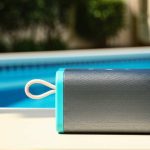
Bluetooth speakers can get damaged by too much heat and direct sunlight. While some are built tougher, prolonged exposure can cause batteries to fail, speakers to warp, and electronics to overheat. Always check your speaker’s specs for heat resistance!
Hey there, tech explorer! Max here from AffTechy.com, your go-to buddy for making gadgets easy and fun. We all love our music, right? Whether it’s blasting at a beach party, chilling in the backyard, or just adding some background vibes to our day, portable Bluetooth speakers are our trusty sidekicks. They’re pretty amazing, turning our phones into portable concert halls.
But sometimes, we get a little too enthusiastic, leaving our speakers out in the sun or near a warm spot. Then comes that dreaded question: “Will my speaker be okay?” It’s like asking if your ice cream will survive a desert trek. It can be super confusing to figure out what these little sound machines can actually handle.
Don’t you worry! I’m here to break it all down for you. We’ll dive into the nitty-gritty of heat, sunlight, and your Bluetooth speakers. You’ll learn exactly what to watch out for and how to keep your tunes playing all summer long. Let’s get this sound party started!

Let’s Talk About Heat and Your Speaker’s Best Friend: Cool Air
Think of your Bluetooth speaker like a tiny, awesome orchestra. Inside, there are delicate parts – like the battery, the amplifier, and the speaker cones themselves. These parts work together to make that sweet sound you love.
Now, imagine that orchestra playing in a sauna. Not ideal, right? High temperatures can make the battery unhappy. Batteries are the heart of your wireless speaker, and they don’t like being too hot. Extreme heat can actually damage the battery’s internal chemistry, making it less powerful and shorter-lived. Sometimes, it can even be a safety risk.
And it’s not just the battery. The other electronic bits inside can also get stressed when they’re too warm. They might start to glitch, or worse, get permanently damaged. So, keeping things cool is super important for your speaker’s health.
The Blazing Sun: More Than Just a Tan for Your Speaker
Sunlight might feel great on your skin, but for most Bluetooth speakers, it’s a different story. The main issue with direct sunlight is the heat it generates. That bright sun can turn your speaker into a mini-oven, especially if it’s a dark color.
Even if the air temperature is mild, a speaker sitting in direct sun can get much hotter. This intense heat can affect the materials used in the speaker. Plastics can warp or become brittle. The adhesives holding parts together might weaken. You might even see discoloration on the speaker’s fabric or casing.
Plus, the UV rays from the sun can be harsh. Over time, these rays can break down materials, making them look faded and worn. So, while your speaker might survive a short time in the sun, making it a regular thing is a bad idea.
Decoding Speaker Specs: What “Heat Resistant” Really Means
When you’re shopping for a new Bluetooth speaker, you might see terms like “rugged,” “durable,” or even “waterproof.” But what about heat resistance? This is where things can get a bit fuzzy for beginners.
Many manufacturers don’t explicitly state a maximum heat or sunlight tolerance. They focus more on water and dust resistance (like IP ratings). This is because, for most indoor or casual outdoor use, extreme heat isn’t the primary concern.
However, some brands that target outdoor enthusiasts or adventurers might offer more robust designs. These speakers might use materials that can handle higher temperatures better. They might also have better internal heat dissipation systems.
It’s always a good idea to check the product manual or the manufacturer’s website. Look for any mention of operating temperature ranges. For example, a spec might say “Operating Temperature: 0°C to 45°C (32°F to 113°F).” This tells you the safe zone for your speaker.
How Much Heat Can a Typical Bluetooth Speaker Handle?
This is the big question! Let’s break down what “typical” means for most speakers you’d find at your local electronics store.
Most standard Bluetooth speakers are designed for everyday use. This means they should be fine in a normal room temperature environment. They can also handle moderate outdoor temperatures for a few hours.
However, when temperatures climb above 100°F (38°C), you start entering risky territory. If the speaker is in direct sunlight, the surface temperature can easily exceed 140°F (60°C). That’s way too hot for the sensitive electronics and battery inside.
Think about your car on a hot summer day. The dashboard can get incredibly hot, right? A speaker left on a car seat or dashboard in the sun can reach similar, damaging temperatures.
Here’s a little table to give you a general idea. Remember, these are approximations, and your specific speaker might be different!
| Temperature | Effect on Speaker | Recommendation |
|---|---|---|
| Below 32°F (0°C) | Battery performance may decrease. Cold can make materials brittle. | Avoid extreme cold; store indoors. |
| 32°F – 85°F (0°C – 30°C) | Ideal operating range for most speakers. | Use freely in comfortable environments. |
| 85°F – 113°F (30°C – 45°C) | May cause slight battery strain. Prolonged exposure could be an issue. | Limit direct sun exposure; keep in shade or ventilated areas. |
| 113°F – 140°F (45°C – 60°C) | Significant risk of battery damage and electronic overheating. Material warping possible. | Keep speaker in shade. Do not leave in hot cars or direct sun. |
| Above 140°F (60°C) | High risk of permanent damage to battery, electronics, and casing. | Remove speaker from heat immediately. Avoid these conditions entirely. |
This table shows that while speakers are pretty resilient in normal conditions, pushing them too hard in extreme heat is a recipe for disaster. Always aim to keep your speaker in the “Ideal operating range” for the best performance and longest life.
Signs Your Speaker Might Be Overheating
Sometimes, your speaker will give you clues that it’s not happy about the temperature. Paying attention to these signs can save your speaker from serious damage.
One of the first things you might notice is a change in sound quality. It could start to sound distorted, crackly, or even cut out intermittently. This often happens because the internal components are struggling to function correctly under stress.
You might also notice the speaker itself feels unusually hot to the touch. This is a pretty direct sign that something is overheating inside. If it’s too hot to comfortably hold, it’s definitely too hot for its internal electronics.
Another common symptom is battery issues. If your speaker suddenly starts draining much faster than usual, or if it won’t charge properly, heat could be the culprit. The battery might have been damaged by excessive temperatures.
Are “Rugged” Speakers Better in Heat and Sun?
Ah, the rugged speakers! These are the ones marketed for adventure, camping, and tough conditions. They often boast water and dust resistance, and some are even built to survive drops.
While “rugged” often implies durability, it doesn’t always mean “heatproof.” These speakers are usually built with tougher casings that might resist physical damage from sun exposure better than flimsy plastic. They might also use more durable adhesives.
However, the core electronics and battery inside are often similar to less rugged models. So, while the exterior might look unfazed, the internal components can still suffer from extreme heat and direct sunlight.
Some rugged speakers do incorporate better heat management. They might have vents or use materials that reflect sunlight better. But you usually need to check the specific product details to know for sure. A speaker that’s waterproof isn’t automatically heatproof!
How to Protect Your Bluetooth Speaker from Heat and Sun
Don’t despair! You can absolutely enjoy your music outdoors without frying your speaker. A little bit of care goes a long way.
The simplest rule is: when in doubt, keep it in the shade. If you’re at the beach, under an umbrella. If you’re in the park, under a tree. This is the single most effective way to prevent overheating.
Also, try not to leave your speaker in a hot car. Cars act like greenhouses, and temperatures inside can skyrocket very quickly, reaching levels that can permanently damage your speaker. If you must leave it in the car, try to stash it in the trunk or a cooler bag.
Consider the speaker’s color. Darker colors absorb more heat than lighter colors. If you have a choice, a lighter-colored speaker might stay a bit cooler in the sun, though this is a minor effect compared to direct sun exposure.
Finally, always know your speaker’s limits. If it’s not advertised as a “tough” outdoor speaker, assume it’s best kept in moderate temperatures. Read the manual!
Top Tips for Keeping Your Speaker Cool and Happy
Here’s a quick checklist to make sure your speaker stays in tip-top shape, even on a warm day:
- Seek Shade: Always place your speaker in a shaded spot when outdoors.
- Avoid Hot Cars: Never leave your speaker in a parked car on a sunny day.
- Cool Down: If your speaker feels hot, turn it off and let it cool down in a shaded, ventilated area before using it again.
- Check the Manual: Look for operating temperature guidelines from the manufacturer.
- Consider a Cooler: For very hot days or long outings, a small cooler bag can protect your speaker.
- Don’t Cover Tightly: If you need to cover it, use a breathable cloth, not a plastic bag that traps heat.
- Listen for Changes: Pay attention to distorted sound or battery issues, which can indicate overheating.
These simple steps are like giving your speaker a little hug. They help ensure it keeps producing great sound for a long time.
Comparing Speaker Durability: What to Look For
When you’re choosing a speaker, especially if you plan to use it outdoors often, it helps to know what features point to better heat and sun resistance. It’s not always a clear-cut “yes” or “no,” but certain indicators can guide you.
IP Ratings: While primarily for water and dust, higher IP ratings (like IP67 or IP68) often come on speakers built with more robust, sealed enclosures. This can offer some protection against the elements, including indirect heat buildup. However, it’s not a direct measure of heat tolerance.
Materials: Look for speakers made with high-quality, UV-resistant plastics and fabrics. Some manufacturers will mention this specifically. These materials are less likely to degrade, warp, or fade under sun exposure.
Brand Reputation: Brands that focus on outdoor or rugged gear (like JBL, Ultimate Ears, Bose SoundLink Outdoor) often put more thought into material selection and design that can withstand more varied conditions. Check reviews from users who have taken these speakers on outdoor adventures.
Operating Temperature Specs: This is the gold standard. If a manufacturer provides a clear operating temperature range, use that as your primary guide. For example, a speaker rated for up to 50°C (122°F) is much more heat-tolerant than one only rated for 35°C (95°F).
Here’s a quick look at how some popular speaker types might fare. Keep in mind this is a generalization!
| Speaker Type | Typical Heat/Sun Tolerance | Notes |
|---|---|---|
| Standard Portable Bluetooth Speaker | Low to Moderate | Best for indoor or shaded outdoor use. Dark colors absorb more heat. |
| “Rugged” or “Outdoor” Bluetooth Speaker (e.g., JBL Charge, UE Boom) | Moderate to High | Often use tougher materials, better seals. Still avoid prolonged direct sun on very hot days. |
| Waterproof Floating Speakers | Moderate | Designed for water, but heat can still affect battery and electronics. Floating design might keep it cooler if partially submerged. |
| High-End/Premium Portable Speakers | Moderate | Build quality is usually good, but focus is often on sound quality, not extreme heat resistance unless specified. |
This table should give you a handy starting point. If you’re planning serious outdoor adventures, look for those “rugged” or “outdoor” labels and, most importantly, check those operating temperature specs if you can find them!
Can Sunlight Damage the Speaker Cone?
Yes, direct sunlight can potentially damage the speaker cone and other rubber or foam components over time. The cone is the part that vibrates to create sound, and it’s often made of materials like treated paper, plastic, or a rubber surround.
Prolonged exposure to UV rays can make these materials brittle and prone to cracking. The heat from the sun can also cause adhesives to weaken, leading to separation or warping of the cone assembly. You might not see this damage immediately, but it can happen gradually.
This is another reason why keeping your speaker out of direct sunlight is a good practice, even if it seems to be working fine. It helps maintain the integrity of the speaker’s moving parts for longer.
What About Battery Life in Heat?
Heat is a battery’s worst enemy, and Bluetooth speakers are no exception. When a lithium-ion battery (the type used in most speakers) gets too hot, several things can happen:
- Reduced Capacity: The battery’s ability to hold a charge can be permanently reduced. It won’t last as long as it used to.
- Faster Discharge: Even if it’s not being used, a hot battery will drain faster.
- Safety Risks: In extreme cases, overheating can lead to battery swelling, leakage, or even thermal runaway (though this is rare with modern safety features).
- Shorter Lifespan: Repeated exposure to high temperatures significantly shortens the overall lifespan of the battery.
So, if you notice your speaker’s battery life suddenly dropping, especially after a period of outdoor use on a hot day, heat is a very likely cause. Keeping the battery within its optimal temperature range is crucial for maintaining its performance and longevity.
Real-World Examples: When Speakers Met Their Match
I’ve heard stories from friends and seen plenty of posts online about speakers that met an unfortunate end due to heat. One friend left his dark-colored portable speaker on a beach towel in direct sun for an afternoon. When he came back, the plastic casing felt soft and slightly warped, and the speaker never sounded quite right again. The battery also started draining super fast.
Another common tale involves leaving a speaker in a car. A buddy of mine did this during a summer road trip. He thought it would be fine. A few hours later, he found the speaker’s fabric grill had actually melted slightly where the sun hit it directly through the window. It looked terrible, and the sound was muffled.
These aren’t isolated incidents. They highlight how even tough-looking speakers can be vulnerable. It’s a good reminder that “portable” and “durable” don’t always mean “indestructible” when it comes to Mother Nature’s heat.
Can I Use My Speaker While It’s Charging in the Heat?
This is a double whammy! Charging a battery generates heat. If the battery is already in a hot environment, charging it adds even more heat. This combination is particularly bad for the battery’s health.
So, if you’re outdoors on a warm day and your speaker’s battery is low, it’s best to find a cooler spot to charge it. Avoid charging it in direct sunlight or in a hot car. If possible, let it cool down first before plugging it in.
Most modern speakers have protection circuits to prevent overcharging or extreme overheating during charging. However, these circuits aren’t designed to overcome sustained, extreme external heat. Pushing your speaker to charge in scorching conditions is still risky.
FAQ: Your Burning Questions Answered!
Got more questions buzzing in your head? Let’s tackle some of the most common ones.
Q1: My speaker got hot, what should I do?
A1: If your speaker feels too hot to touch comfortably, turn it off immediately. Move it to a cooler, shaded, and well-ventilated area. Let it cool down completely before using or charging it again. Patience is key here!
Q2: Will my speaker explode in the sun?
A2: While it’s extremely unlikely for a modern Bluetooth speaker to explode due to sunlight alone, prolonged and extreme heat can damage the battery. This damage can sometimes lead to swelling or leaking, which are safety concerns. It’s best to avoid those conditions to be safe.
Q3: Can I put my speaker in a waterproof bag to protect it from the sun?
A3: A waterproof bag might offer some protection, but it can also trap heat. If the bag is sealed tightly and the speaker is in direct sun, the temperature inside the bag could rise even higher. A breathable cloth cover in the shade is often a better option.
Q4: How do I know if my speaker is damaged by heat?
A4: Signs include distorted sound, intermittent audio cutouts, significantly reduced battery life, the speaker feeling unusually hot even after cooling, or visible warping or discoloration of the casing.
Q5: Are there any Bluetooth speakers specifically made to withstand high heat?
A5: While “heatproof” is rare, some rugged outdoor speakers are designed with more robust materials and better heat management systems. Always check the manufacturer’s specifications for operating temperature ranges. Brands focusing on outdoor gear are your best bet for higher tolerance.
Q6: Does humidity affect Bluetooth speakers in heat?
A6: High humidity combined with heat can exacerbate problems. It can make materials feel stickier or lead to condensation issues inside the speaker if there are temperature swings. While heat is the primary concern, high humidity in hot conditions isn’t ideal either.
Q7: Is it okay to use my speaker near a campfire or grill?
A7: It’s generally not a good idea. The radiant heat from a campfire or grill can be intense and far exceed safe operating temperatures for your speaker. Plus, smoke and embers can cause physical damage. Keep your speaker a safe distance away!
The Shocking Truth: Protecting Your Sound Investment
So, to wrap it all up: can Bluetooth speakers withstand heat and sunlight? The answer is a resounding “it depends, but be careful!” Most standard speakers are not built for prolonged exposure to direct sun or extreme heat.
The real shocker is how quickly high temperatures can degrade batteries and damage sensitive electronics, even if the speaker looks fine on the outside. That heat can warp plastics, weaken adhesives, and shorten the lifespan of your favorite gadget.
But don’t let this stop your outdoor adventures! With a little common sense and these tips, you can keep your Bluetooth speaker sounding great all season long. Always prioritize shade, check those specs, and listen to your speaker’s cues.
Now go forth and enjoy your music, wherever life takes you! Make every moment louder and better, the smart way.