
Got a pool speaker? Don’t sweat the splash! Cleaning your waterproof Bluetooth speaker after pool fun is super easy. Just a quick wipe-down with a damp cloth and a gentle rinse when needed keeps it sounding great. We’ll show you how to do it fast and keep your tunes flowing all summer long!
Hey there, tech buddies! Max here from AffTechy.com, your go-to spot for making tech feel like a breeze. We all love to crank up the tunes, right? Especially when you’re lounging by the pool, chilling with friends, or having a backyard BBQ. A good speaker can totally transform the vibe, making those sunny days even better.
But what happens when your trusty waterproof Bluetooth speaker takes a dip, or gets a bit of that chlorine smell? It can be a little puzzling, and you might wonder, “How do I get this clean without messing it up?” I totally get it. Sometimes tech can feel a bit intimidating, but don’t worry, that’s what I’m here for!
We’re going to dive into how to clean your pool speaker, making it simple and stress-free. No fancy jargon, just easy steps that anyone can follow. You’ll be back to enjoying crystal-clear sound in no time. So, grab your towel, and let’s make your speaker sparkle!
Why Keeping Your Pool Speaker Clean Matters
Think about it. Your speaker is out there, living its best life, exposed to sun, water, and maybe even sunscreen. These elements can leave behind residue that’s not just unsightly, but can actually affect how your speaker performs. Over time, gunk can build up, potentially clogging ports or dulling the sound quality. Keeping it clean ensures it lasts longer and sounds as good as day one.
Plus, nobody wants a speaker that smells like a locker room, right? A clean speaker means a more pleasant listening experience for everyone. It’s like keeping your favorite gadget in top shape so it can keep delivering those awesome playlists for all your summer parties.
What Makes a Speaker “Pool-Ready”?
Before we get into cleaning, let’s chat about what makes a speaker ready for poolside action. You’ll often see terms like “waterproof” and “water-resistant.” These sound similar, but they mean different things!
Waterproof vs. Water-Resistant
This is a super important distinction.

Water-Resistant: This means the speaker can handle splashes or light rain. It’s good for accidental drips but not for full submersion. Think of it as being able to withstand a quick sprinkle.
Waterproof: This is the real deal for pool parties! Waterproof speakers are designed to be submerged in water for a certain depth and time. They’re built to handle being dropped in the pool or getting splashed directly.
You’ll usually see an IP rating on waterproof speakers. This rating tells you how well it’s protected against dust and water. For pool use, you’ll want something with a high IP rating, like IPX7 or IP67.
A speaker with an IPX7 rating, for instance, can be submerged in up to 1 meter of water for about 30 minutes. That’s pretty robust! Always check your speaker’s specific rating to know its limits. You can often find this information in the manual or on the manufacturer’s website.
Let’s Talk About Pool Speaker Grime
So, what kind of mess are we usually dealing with? It’s usually a mix of things.
Chlorine and Salt Residue: If you’re at a chlorinated pool or a beach, mineral deposits can build up. This can leave a chalky film or even a slightly sticky feel.
Sunscreen and Lotion: These oily substances can transfer from hands to the speaker. They can create a greasy layer that attracts dust and dirt.
Dust and Dirt: Let’s face it, speakers sit around, and dust is everywhere. When mixed with moisture, it can turn into a stubborn film.
Mold or Mildew: In humid environments, if a speaker isn’t dried properly, tiny spots of mold or mildew can appear. This is where cleaning becomes really important for hygiene.
Dealing with these is usually pretty straightforward if you catch them early.
How to Clean Your Pool Speaker: The Fast Fix
Alright, let’s get down to business! Cleaning your waterproof Bluetooth speaker after pool use doesn’t have to be a chore. Here’s a super simple, fast-fix method that works for most situations.
Step 1: The Gentle Wipe-Down
For most light dirt and residue, a simple wipe is all you need.
1. Gather your supplies: You’ll need a soft, lint-free cloth. A microfiber cloth works perfectly for this.
2. Dampen the cloth (slightly!): Make sure the cloth is just damp, not dripping wet. If your speaker is rated for submersion, you can use a bit more water, but for general cleaning, less is more.
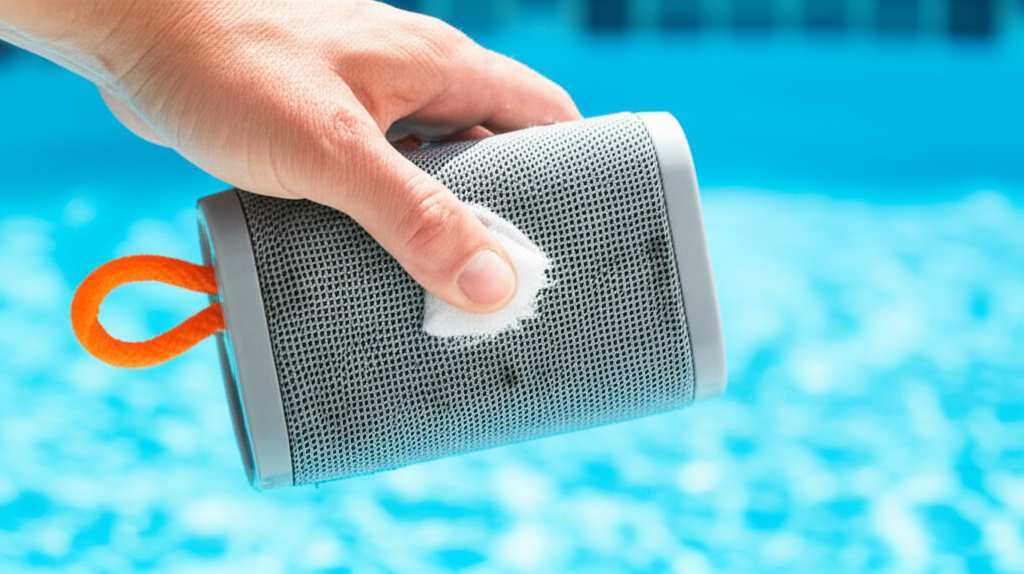
3. Wipe down the speaker: Gently wipe all surfaces of the speaker. Pay attention to any visible smudges or dust. This is great for removing sunscreen or light dirt.
This step is perfect for regular maintenance after each use. It keeps things fresh and prevents build-up.
Step 2: Tackling Stubborn Grime
If a simple wipe isn’t enough, you might need to get a little more hands-on.
1. Use a mild soap solution: Mix a tiny drop of mild dish soap with some water. You want a very dilute solution.
2. Dampen a clean cloth with the solution: Again, make sure the cloth is just damp, not wet. You don’t want any liquid seeping into ports.
3. Gently scrub the affected areas: Use the damp cloth to carefully scrub away any sticky spots or tougher grime.
4. Wipe with a clean, damp cloth: Use a separate cloth dampened with plain water to remove any soap residue.
Important Note: Always check your speaker’s manual for specific cleaning instructions. Some manufacturers recommend avoiding soaps altogether.
Step 3: Rinsing (If Your Speaker Allows It!)
This is where knowing your speaker’s IP rating is crucial. If your speaker is truly waterproof (like IPX7 rated), you can give it a gentle rinse.
1. Use cool, clean tap water: Run the speaker under a gentle stream of cool, clean tap water.
2. Avoid high-pressure water: Don’t use a strong jet from a faucet or hose, as this can force water past seals.
3. Gently rub away residue: As the water flows, you can gently rub away any remaining dirt or grime with your fingers.
4. Rinse all soap if you used it: Make sure all soap is washed away.
This rinse is fantastic for removing chlorine or salt residue that can be particularly harsh.
Step 4: Drying is Key!
This is perhaps the MOST important step to prevent damage.
1. Pat dry with a soft cloth: Use a dry, lint-free cloth to pat down the entire speaker. Get into any crevices you can.
2. Air dry completely: Leave the speaker in a well-ventilated area to air dry thoroughly. Avoid direct sunlight, which can sometimes degrade materials.
3. Ensure all ports are dry: Pay special attention to any charging ports or speaker grilles. You can use a dry cotton swab to gently wick away moisture from small openings.
4. Never use heat: Avoid hairdryers or other heat sources, as they can damage the speaker’s components.
Proper drying prevents water damage and stops potential mold or mildew growth.
Quick Tips for Different Speaker Types
While the steps above are general, here are a few extra tips based on common speaker materials:
Plastic Speakers: These are usually the easiest to clean. A damp cloth with mild soap is generally safe.
Fabric or Mesh Speakers: Be extra gentle here. Avoid soaking. A slightly damp cloth is best, and ensure thorough air drying to prevent mildew.
Rubberized or Silicone Speakers: These can sometimes attract lint. A damp cloth works well, and you can often just peel off any stuck-on debris.
Always err on the side of caution. If in doubt, a simple wipe-down is usually the safest bet.
What NOT to Do When Cleaning Your Pool Speaker
Just as important as knowing what to do is knowing what to avoid. Here are some common mistakes:
Submerging a non-waterproof speaker: This is a recipe for disaster! If your speaker isn’t rated for submersion, keep it far away from the water.
Using harsh chemicals: Bleach, ammonia, or abrasive cleaners can damage the speaker’s finish and internal components. Stick to mild soap or just water.
Using high-pressure water: Even on waterproof speakers, strong jets can potentially force water past seals over time.
Putting it in the dishwasher or washing machine: Seriously, don’t do this! These appliances are too harsh and can destroy your speaker.
Drying with heat: As mentioned, heat can warp plastic and damage electronics. Always air dry.
Ignoring the manual: Your speaker’s manual is your best friend. It has specific advice tailored to your model.
When to Consider a Deeper Clean or Professional Help
Most of the time, the fast-fix method will keep your speaker in tip-top shape. However, if you notice any of these issues, it might be time for a deeper clean or to contact the manufacturer:
Persistent strange smells: If a musty or chemical odor won’t go away after cleaning, there might be something deeper going on.
Visible mold or mildew: Small spots can often be removed with a gentle cleaner, but if it’s widespread, it’s a concern.
Corrosion on ports: If you see any white or greenish buildup on charging ports or buttons, it indicates mineral buildup that needs careful cleaning.
* Speaker not working correctly: If your speaker’s sound quality is poor, or it’s not connecting properly after cleaning, there might be internal damage.
For issues like these, it’s best to consult your speaker’s warranty or the manufacturer’s support. Sometimes, a simple fix might be available, or they can advise on repair options.
Quick Guide: Speaker Cleaning Comparison
To make things super clear, here’s a little table comparing cleaning methods for different scenarios.
| Scenario | Recommended Cleaning Method | What to Avoid |
| :————————— | :—————————————————————————————— | :————————————————————— |
| Light dust and smudges | Soft, damp (not wet) lint-free cloth. | Soaking, harsh chemicals. |
| Sunscreen or lotion residue | Damp cloth with a tiny drop of mild dish soap, followed by a rinse with a clean damp cloth. | Abrasive cleaners, excessive soap. |
| Chlorine or salt residue | Gentle rinse under cool tap water (if speaker is waterproof), followed by patting dry. | High-pressure water, prolonged submersion if not rated for it. |
| Mildew or persistent odor | Consult manual; sometimes a dilute vinegar solution (very carefully) or manufacturer advice. | Harsh chemicals, scrubbing aggressively. |
| Charging port cleaning | Dry cotton swab or soft brush; ensure completely dry before charging. | Anything wet, metal objects. |
This table should give you a quick snapshot of what to do. Remember, always check your specific product’s guidelines!
Fun Facts About Speaker Tech!
Did you know that the materials used in waterproof speakers are designed to be incredibly resilient? Manufacturers often use special membranes and sealing techniques to keep water out. It’s pretty neat engineering! Also, some high-end waterproof speakers even float, which is a fun bonus feature for pool use. It’s like they’re built for the water!
For more insights into the world of audio tech, check out some of the latest reviews and guides on sites like CNET. They often have great breakdowns of speaker features and durability.
Frequently Asked Questions (FAQ)
Got more questions? We’ve got answers!
Q1: Can I use my regular Bluetooth speaker at the pool?
It’s best not to! Unless your speaker is specifically rated as water-resistant or waterproof, it’s very risky. Even splashes can damage non-protected speakers.
Q2: How often should I clean my pool speaker?
It’s a good idea to give it a quick wipe-down after each use, especially if it got wet or sandy. A more thorough clean can be done every few uses or when you notice buildup.
Q3: My speaker smells a bit like chlorine. How do I fix that?
If your speaker is waterproof, a gentle rinse with cool, clean tap water should help. Make sure to dry it thoroughly afterwards. If the smell persists, consult your speaker’s manual for specific deodorizing tips.
Q4: Is it okay to leave my speaker out in the sun?
While many speakers are designed for outdoor use, prolonged direct sunlight can sometimes fade colors or degrade materials over time. It’s best to store it in a shaded spot or indoors when not in use.
Q5: Can I use alcohol wipes to clean my speaker?
Generally, it’s not recommended. Alcohol can be harsh and may damage the finish or seals on your speaker. Stick to water and mild soap if needed.
Q6: My speaker got dropped in the pool! What should I do?
First, don’t panic! If it’s waterproof, retrieve it quickly. Turn it off immediately. Then, follow the drying steps very carefully. If it’s not waterproof, unplug it and let it dry completely for at least 24-48 hours before attempting to turn it on. It might be damaged, though.
Q7: Where can I find my speaker’s IP rating?
You can usually find the IP rating on the product packaging, in the user manual, or on the manufacturer’s official website. It’s often listed in the product specifications.
Make Every Splash a Soundtrack!
So there you have it! Cleaning your waterproof Bluetooth speaker is way simpler than you might have thought. With just a few minutes and some basic supplies, you can keep your speaker sounding fantastic and looking great all season long.
Remember, a little bit of care goes a long way. By following these easy steps – a gentle wipe, a careful rinse if needed, and thorough drying – you’re protecting your investment and ensuring your poolside jams are always on point. Don’t let a little grime dim your sound!
Now go forth, enjoy your music by the water, and feel confident knowing you can handle any cleaning needs. Happy listening, and make every moment by the pool louder and better!


