Yes, many waterproof portable speakers are safe to submerge, but only up to a certain depth and for a limited time, as indicated by their IP rating. Don’t just toss them in; check the specifics first!
Hey there, tech adventurer! Ever been by the pool or at the beach and wished you could crank up your favorite tunes without a worry? I totally get it. Music just makes everything better, whether you’re chilling or having a blast. But then you look at your awesome portable speaker and think, “Can this thing actually get wet? Like, really wet?”
It’s a super common question, and honestly, the tech specs can sometimes feel like a secret code. What does “waterproof” really mean? Can you actually dunk it? We’re going to break it all down, nice and easy. No confusing jargon, just clear answers so you can enjoy your music anywhere.
We’ll explore what makes a speaker waterproof, what those confusing numbers mean, and how to be sure your speaker is up for a splash or a dip. Ready to dive in and uncover the shocking truth about submerging your speakers? Let’s make tech simple and fun!
What Does “Waterproof” Actually Mean for Speakers?
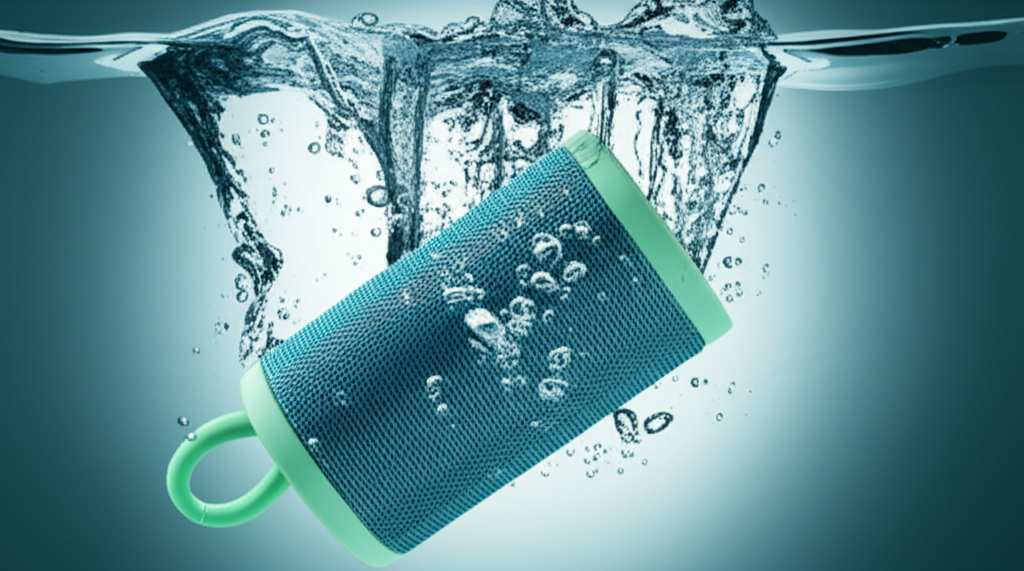
So, you see “waterproof” on a speaker box and think, “Great, I can drop it in the ocean!” Not so fast, my friend. “Waterproof” is a bit of a tricky word in the tech world. It’s more about how well something resists water than it is about being completely invincible underwater.
The real magic is in something called an IP rating. It’s like a secret handshake that tells you exactly how protected your gadget is. We’ll get to what those letters and numbers mean in just a sec. Think of it as the speaker’s personal bodyguard, telling you what kind of watery adventures it’s ready for.
The Amazing IP Rating System: Your Speaker’s Watery Passport
This is where things get really interesting. The IP rating is your key to understanding your speaker’s water resistance. IP stands for “Ingress Protection.” It’s an international standard that tells you how well a device is sealed against solids (like dust) and liquids (like water).
The rating usually looks like “IPXX.” The first ‘X’ tells you about protection from solids, and the second ‘X’ tells you about protection from liquids. For our waterproof speaker quest, we’re mostly interested in that second number! A higher number means better protection.
Decoding the Numbers: What Do They Really Mean?
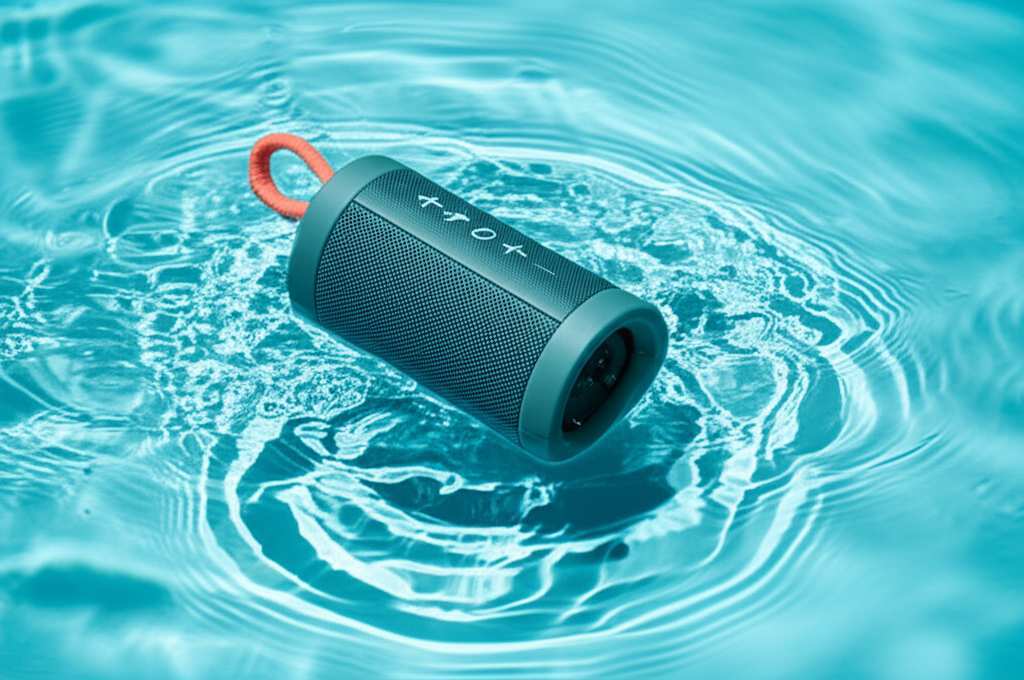
Let’s break down the most common IP ratings you’ll see on speakers, focusing on the water part:
- IPX4: This is like a light splash guard. It means the speaker can handle water sprayed from any direction. Think light rain or a little splash from the pool. It’s not meant for submersion, though!
- IPX5: Getting better! This means the speaker can handle low-pressure water jets. So, a bit more than a splash, but still not for diving in.
- IPX6: This is for stronger jets of water. Imagine a powerful hose. It can survive that, but still no deep dives.
- IPX7: Now we’re talking! This is a big one for many portable speakers. It means the speaker can be submerged in water up to 1 meter (about 3 feet) deep for up to 30 minutes. Perfect for accidental drops in the pool!
- IPX8: This is the top tier for most consumer electronics. It means the speaker can be submerged in water deeper than 1 meter for an extended period. The exact depth and time are usually specified by the manufacturer.
So, if your speaker is rated IPX7 or IPX8, it’s likely safe to submerge for a little while. Always check the manufacturer’s specific claims, though!
“Water-Resistant” vs. “Waterproof”: The Crucial Difference
This is a super important point that trips a lot of people up. Many speakers are advertised as “water-resistant,” not “waterproof.” What’s the big deal?
Think of it like this: a raincoat is water-resistant. It’ll keep you dry in a drizzle, but if you jump in a lake, you’re getting soaked. A wetsuit, on the other hand, is designed for submersion.
Water-resistant speakers can handle splashes and maybe light rain. They have some protection, but they aren’t built for being underwater. Waterproof speakers, especially those with IPX7 or IPX8 ratings, are designed to survive being submerged, at least under specific conditions.
Always look for that IP rating to know for sure. Don’t just trust the marketing word “waterproof” alone!
Why Do Manufacturers Use IP Ratings?
Manufacturers use IP ratings because they’re a universal language. It helps consumers understand exactly what level of protection a product offers without needing a degree in engineering. It’s a clear, standardized way to communicate a product’s capabilities.
Plus, it’s a selling point! A speaker with a high IP rating is more attractive for use in environments where water is a concern, like the bathroom, kitchen, or outdoors. It gives you peace of mind.
Can You Actually Submerge Your “Waterproof” Speaker? The Shocking Truth!
Here’s the big reveal! Yes, many portable speakers are designed to be submerged. The shocking truth isn’t that they can’t be, but that there are important conditions you need to know about. It’s not a free-for-all underwater party!
The key is that IPX7 and IPX8 ratings are your green light. If your speaker has one of these, you can generally submerge it. But remember:
- Depth Matters: IPX7 usually means up to 1 meter. IPX8 can be deeper, but you must check the manual for the specific depth.
- Time is Limited: For IPX7, it’s typically 30 minutes. Don’t leave it down there for hours!
- Freshwater is Best: Most waterproof ratings are for freshwater. Saltwater or chlorinated pool water can be much harsher on the speaker’s seals and materials.
- Check for Damage: Before submerging, ensure the speaker has no cracks or damage. Compromised seals mean water can get in.
- Dry Off Before Charging: This is crucial! Never charge a wet speaker. Make sure it’s completely dry, especially the charging port.
So, while you can take that IPX7 speaker for an accidental swim, it’s not designed to be a permanent underwater fixture. Think of it as a rescue mission, not a vacation!
Popular Waterproof Speaker Features to Look For
When you’re shopping for a speaker that can handle a dunk, what should you keep an eye out for? Here are some features that make a speaker truly ready for watery adventures:
- High IP Rating (IPX7 or IPX8): This is non-negotiable if you want submersion capability.
- Durable Build: Look for rugged materials, rubberized edges, and solid construction that can withstand bumps and drops.
- Floating Design: Some speakers are designed to float, which is a neat trick if you’re using it in a pool or on a boat. It makes them easy to retrieve!
- Good Battery Life: You don’t want the music to stop when you’re having fun. Longer battery life means more playtime.
- Easy Controls: Buttons that are easy to press, even with wet hands, are a lifesaver.
- Decent Sound Quality: Don’t forget, it still needs to sound good! Read reviews about how it performs in different environments.
Let’s Compare: Some Top Waterproof Speaker Examples
To give you a better idea, let’s look at a few popular speakers and their IP ratings. This can help you see what to expect in the market.
| Speaker Model | IP Rating | Submersion Capability | Key Features |
|---|---|---|---|
| JBL Flip 6 | IP67 | Submersible up to 1 meter for 30 minutes | Bold sound, portable design, rugged build, 12-hour battery |
| Sony SRS-XB13 | IP67 | Submersible up to 1 meter for 30 minutes | Compact, powerful bass, long battery life, speakerphone |
| Ultimate Ears BOOM 3 | IP67 | Submersible up to 1 meter for 30 minutes | 360-degree sound, floats, 15-hour battery, app control |
| Anker Soundcore Motion Boom | IPX7 | Submersible up to 1 meter for 30 minutes | Massive sound, deep bass, 24-hour battery, power bank feature |
As you can see, IP67 is a very common rating for speakers that offer submersion. It strikes a great balance between protection and practicality. Many of these also boast impressive battery life, which is always a plus!
How to Choose the Right Waterproof Speaker for You
Picking the perfect speaker can feel overwhelming, but let’s simplify it. Think about how and where you’ll use it most. This will guide your decision.
Ask yourself these questions:
- Will it mostly be near a pool or bathtub? An IPX7 rating is probably all you need.
- Do you plan to take it on a boat or kayak? Look for IPX7 or IPX8, and bonus points if it floats!
- Is dust a concern (like at the beach or on a dusty trail)? A higher first number in the IP rating (like IP67) means better dust protection.
- What’s your budget? Prices vary wildly, but you can find great options at many price points.
- How important is sound quality? Some rugged speakers might compromise a little on audiophile-grade sound. Read reviews!
- How long do you need the music to play? Check the battery life specs.
Don’t forget to check reputable tech review sites like CNET or TechRadar for in-depth reviews and comparisons. They often test these speakers in real-world conditions!
Caring for Your Waterproof Speaker: Tips to Keep it Splashing
You’ve got your awesome waterproof speaker; now let’s keep it in top shape! Proper care ensures it lasts and keeps performing its best, even after a dip.
Here are some simple care tips:
- Rinse with Fresh Water: After use in saltwater or chlorinated pools, always rinse the speaker thoroughly with fresh, clean water. This removes corrosive salt or chemicals.
- Dry Thoroughly: Let the speaker air dry completely. Don’t try to speed up drying with heat, as this can damage the materials.
- Check Seals Regularly: Inspect the rubber seals around ports and buttons for any signs of wear or damage. If they look cracked or loose, the speaker’s water resistance might be compromised.
- Avoid High Pressure: Even with a high IP rating, avoid powerful water jets or prolonged submersion beyond the manufacturer’s recommendation.
- Keep it Away from Extreme Heat: Don’t leave your speaker in direct sunlight for too long, especially in a hot car. High temperatures can degrade the seals and internal components.
- Charge Smart: As mentioned before, ensure the charging port is completely dry before plugging in the charger. Use the charging cable that came with the speaker if possible.
Taking these small steps will help ensure your speaker remains a reliable source of music for a long time.
When is a Speaker NOT Safe to Submerge?
While many speakers are designed for submersion, there are definitely times when you should keep them dry. Understanding these limits is just as important as knowing the IP rating.
Avoid submerging your speaker if:
- Its IP Rating is Low: If it’s IPX4 or IPX5, it’s only splash-proof or resistant to light jets. Submerging it will likely cause damage.
- It’s Damaged: Any cracks in the casing, loose port covers, or visible damage to seals mean water can get in.
- It’s Not Designed for it: Some speakers are just not built for water at all. If there’s no mention of water resistance or an IP rating, assume it’s not safe.
- You’re Using it in Dirty or Grimy Water: While IPX7/8 is for submersion, it’s usually in clean water. Mud, sand, or thick grime can clog ports or damage seals over time.
- You Need it to Work Perfectly Afterwards: If you’re using it for an important event and can’t risk any issues, it might be safer to keep it away from deep water.
When in doubt, always err on the side of caution. A little extra care can save you from a costly mistake!
Frequently Asked Questions (FAQs)
Got more questions buzzing around? Here are some common ones beginners ask:
Q1: Can I take my IPX7 speaker into the shower?
A1: Absolutely! An IPX7 rating means it can handle being submerged in up to 1 meter of water for 30 minutes, so shower steam and splashes are no problem at all. Just be careful not to drop it!
Q2: What if my speaker gets salt water on it?
A2: Saltwater is harsher than freshwater. While many IPX7/IPX8 speakers can survive a quick dip, it’s best to rinse it thoroughly with fresh water immediately afterwards and let it dry completely. This helps prevent corrosion.
Q3: My speaker is rated IP67. Does the ‘6’ mean it’s totally dust-proof?
A3: Yes, the ‘6’ in IP67 means it’s rated as “dust-tight.” This is the highest level of dust protection, so it should do great at the beach or on dusty trails without letting particles inside.
Q4: Can I use my waterproof speaker as a hands-free device in the car if it gets wet?
A4: It’s generally safe to use the speakerphone feature if the speaker is rated for water resistance (like IPX4 or higher). However, if it’s been submerged, make sure it’s dried off properly, especially the microphone and speaker grilles, for the best call quality.
Q5: Will submerging my speaker void the warranty?
A5: This can vary by manufacturer. Most reputable brands design their IP-rated speakers to be submerged according to the rating. However, if damage occurs due to misuse (like exceeding the depth/time limits or submerging a non-waterproof speaker), it might void the warranty. Always check the warranty details!
Q6: How long does a waterproof speaker typically last?
A6: With proper care, a good quality waterproof speaker can last for several years. Battery life might decrease over time, but the water-resistance features should hold up if you follow the care instructions.
Q7: Can I charge my speaker while it’s still a little damp?
A7: No, please don’t! Charging a damp or wet speaker, especially if moisture is in the charging port, can cause short circuits and permanent damage to both the speaker and the charger. Always ensure it’s completely dry first.
The Bottom Line: Dive In (Responsibly!)
So, there you have it! The “shocking truth” is that many portable speakers are indeed safe to submerge, but it comes with important conditions. It’s all about understanding that IP rating and treating your speaker right.
An IPX7 or IPX8 rating is your ticket to worry-free poolside jams or bathroom singalongs. Just remember the depth limits, the time limits, and always give your speaker a fresh water rinse and a good dry afterwards, especially if it’s been in saltwater or a pool.
Now you’re equipped with the knowledge to pick the right speaker and use it with confidence. Don’t let a little water stop the music!
Now go enjoy amazing sound and make every moment louder and better, rain or shine, splash or dunk!