Yes, you can absolutely use Alexa as a Bluetooth speaker for your TV! It’s a fantastic way to boost your TV’s sound without buying a new soundbar. Get ready for a more immersive experience with this simple tech trick.
Hey there, tech explorer! Have you ever found yourself squinting at the TV, trying to catch every word of your favorite show? Or maybe the sound just feels… flat? I totally get it. We love our TVs, but sometimes the built-in speakers just don’t cut it for that big, cinematic feel.
You’ve probably seen all sorts of fancy sound systems and wondered if there’s an easier, more budget-friendly way to get better audio. And what if you already have a super smart speaker like Alexa sitting around? It seems like a no-brainer to ask, “Can I use Alexa as a Bluetooth speaker for my TV?”
Well, the good news is, the answer is a resounding YES! It’s not as complicated as it might sound, and I’m here to walk you through it. We’ll make sure you get that amazing sound upgrade you’re looking for, without any tech headaches. Let’s dive in and make your TV sound incredible!
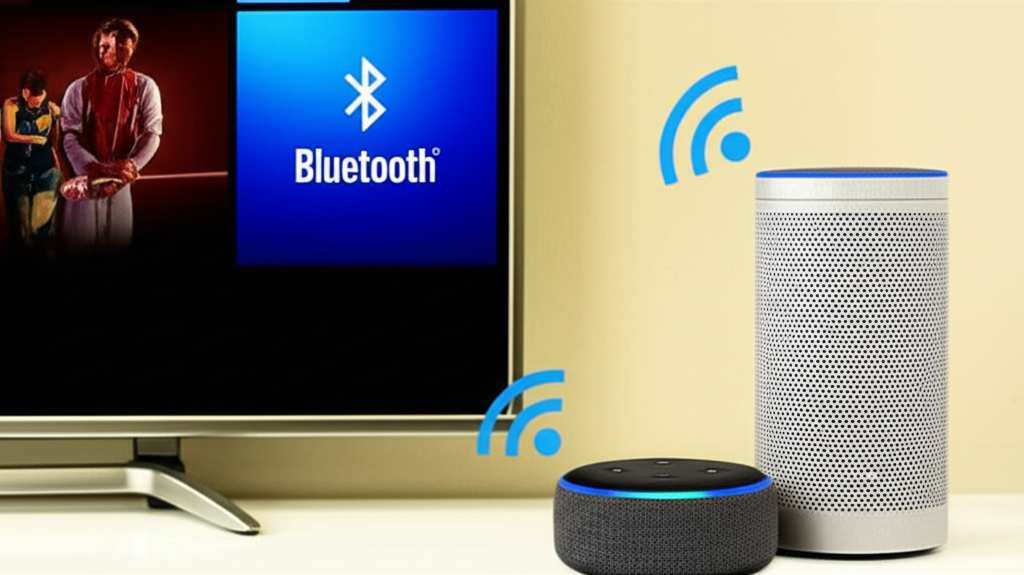
Let’s Talk About Sound & Your TV
Think about it: a great movie or show isn’t just about what you see; it’s also about what you hear. The rumble of an explosion, the subtle whisper of a character, the soaring score of an epic soundtrack – these all pull you deeper into the story. When your TV’s speakers are a bit weak, it’s like watching a movie with the volume turned down too low.
Many of us already have smart speakers like Amazon Echo devices. They’re great for playing music, setting timers, and answering questions. But did you know they can also be a powerful audio upgrade for your television? It’s a clever way to get more bang for your buck from the tech you already own. You might be surprised at how much better your shows and movies can sound!
So, if you’re wondering, “Can I use Alexa as a Bluetooth speaker for my TV?”, the short answer is a big, fat YES! And the even better news? It’s usually pretty straightforward to set up. We’ll cover everything you need to know, step-by-step, so you can start enjoying that richer sound in no time.
Why Boost Your TV Sound with Alexa?
You might be thinking, “Why bother with Alexa for my TV sound?” Well, there are some pretty cool reasons! For starters, it’s often way cheaper than buying a whole new soundbar or home theater system. You’re essentially repurposing a device you might already have.
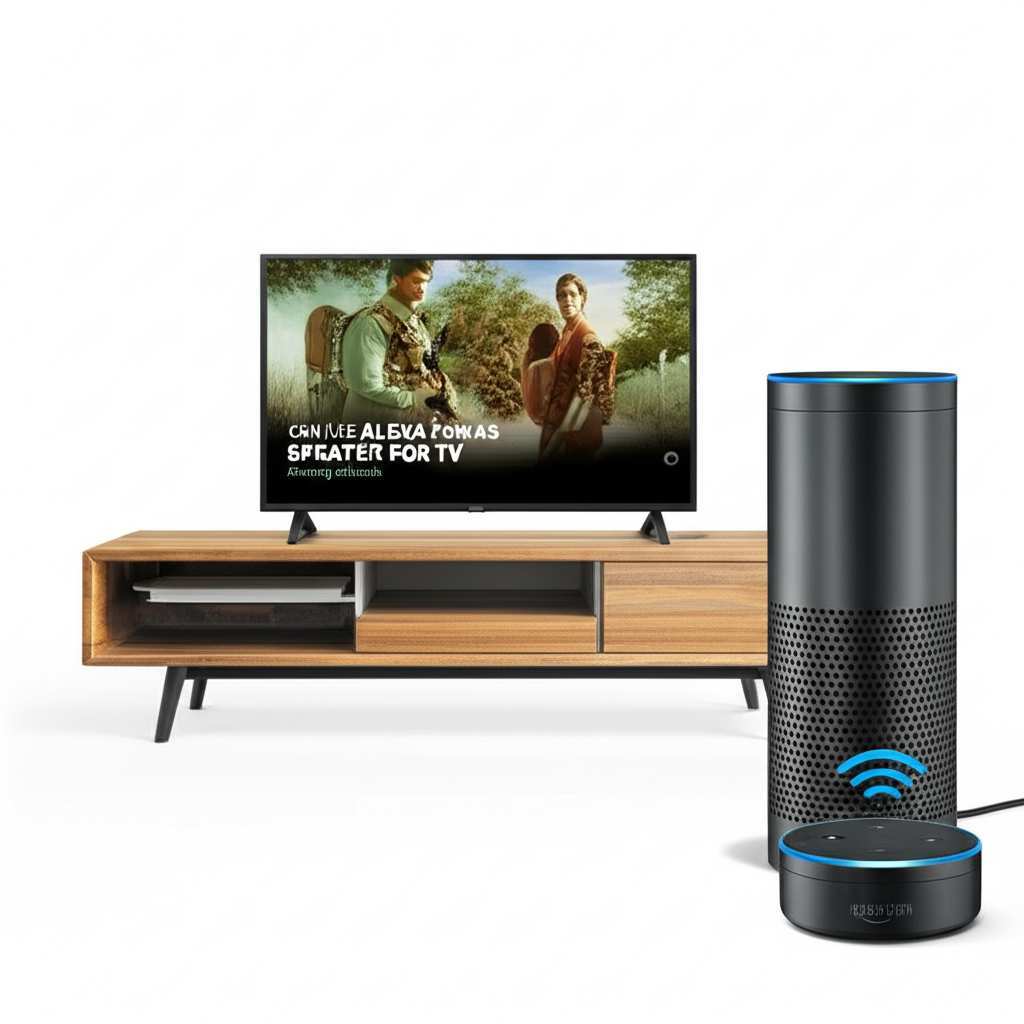
Plus, Alexa devices, especially the larger Echo speakers, can offer a surprisingly robust sound. They’re designed to fill a room with audio, which is exactly what you want for an immersive TV experience. Imagine the dialogue being clearer and the music more impactful – it really makes a difference!
It’s also incredibly convenient. Once set up, you can just let Alexa do its thing. No more fumbling with complicated remotes or extra cables. It’s a seamless way to enhance your entertainment. So, if you’ve got an Echo lying around, let’s see how it can transform your TV viewing.
What You’ll Need: The Essentials
Before we jump into the setup, let’s make sure you have everything ready. It’s pretty simple, really. You won’t need a degree in rocket science!
- An Amazon Echo Device: This is your speaker! It can be an Echo Dot, Echo Show, or any other Alexa-enabled speaker. The bigger the speaker, generally the richer the sound.
- A TV with Bluetooth Capability: This is super important. Your TV needs to be able to send audio out via Bluetooth. Most modern smart TVs have this feature. If you’re not sure, check your TV’s manual or settings menu.
- Your Wi-Fi Network: Both your TV and your Alexa device need to be connected to the same Wi-Fi network for initial setup and sometimes for seamless operation.
- The Alexa App: You’ll need this on your smartphone or tablet to manage the connection.
That’s pretty much it! See? Nothing too scary. Just a few common items you likely already have.
Checking Your TV’s Bluetooth Features
This is the first big step. Not all TVs are created equal when it comes to Bluetooth. You need to confirm your TV can actually send audio to a Bluetooth speaker.
How do you check? It’s usually in the TV’s settings menu. Look for sections like “Sound,” “Audio Output,” “Connectivity,” or “Bluetooth.” You should see an option to pair a Bluetooth device or search for available speakers.
If you can’t find it, don’t panic! You can always consult your TV’s user manual. A quick search online for your TV model and “Bluetooth audio output” should also give you the answer. If your TV doesn’t have built-in Bluetooth, don’t worry, there are workarounds, but they usually involve an extra little gadget. We’ll touch on that later!
How to Connect Alexa to Your TV via Bluetooth: Step-by-Step
Alright, let’s get this done! This is where the magic happens. Follow these steps carefully, and you’ll be enjoying your new, improved TV sound in no time.
Step 1: Put Your Alexa Device in Pairing Mode
First, you need to tell your Alexa device to look for new Bluetooth connections. The easiest way to do this is by using your voice!
- Say: “Alexa, pair Bluetooth.”
Your Echo device should respond by saying it’s in pairing mode and that you can find it in the Alexa app. You might also see a light ring on the device change color, often to blue, indicating it’s ready to connect.
Step 2: Open the Alexa App and Find Your Device
Now, grab your smartphone or tablet and open the Amazon Alexa app. Make sure you’re logged into the same Amazon account that your Echo device is linked to.
Once the app is open, you’ll need to navigate to the settings for your specific Echo device.
- Tap on “Devices” at the bottom of the screen.
- Find and select the Echo device you want to use for your TV.
- Scroll down and look for the “Bluetooth Connections” option.
- Tap on “Pair a New Device.”
The app will now start searching for nearby Bluetooth devices. Your Echo should appear in the list of available devices.
Step 3: Select Your TV from the Alexa App
This step is a little different. You’re not selecting the Echo from the TV; you’re selecting the TV from the Echo. It sounds backward, but it’s how the connection is made.
In the Alexa app, under your Echo device’s Bluetooth settings, you should see a list of devices your Echo can connect to. You need to find your TV in this list. It might appear by its model name.
If your TV is not appearing, make sure your TV is also in Bluetooth pairing mode. You’ll typically find this in your TV’s settings under Network or Connections.
- On your TV, go to Settings > Bluetooth > Add Device (or similar wording).
- Your TV will scan for available devices.
- In the Alexa app, select your TV’s name when it appears under “Available Devices.”
The app will then attempt to connect your Echo device to your TV. You should hear a confirmation sound from your Echo device once the connection is successful, something like, “Connected to [Your TV Name].” Your TV might also show a confirmation message.
Step 4: Adjust TV Audio Output Settings
After the devices are paired, you might need to tell your TV to send its audio through the new Bluetooth connection. This is a crucial step many people miss!
Go back into your TV’s sound or audio output settings. Look for an option that lets you choose where the sound goes.
- Select “Bluetooth Speaker” or the name of your Echo device as the primary audio output.
Sometimes, the TV might automatically switch, but it’s always good to check. You want to make sure the TV is definitely sending the sound to your Alexa speaker, not its own internal speakers.
Step 5: Test the Sound!
Now for the fun part! Play something on your TV. It could be a show, a movie, or even just the menu sound. You should now hear the audio coming from your Alexa speaker.
If you don’t hear anything, don’t worry! Double-check the pairing in the Alexa app and your TV’s audio output settings. Sometimes, restarting both devices can help clear up any initial glitches.
You might also notice a slight delay, called latency, between the video and audio. This is common with Bluetooth. We’ll talk more about that later!
Connecting Different Alexa Devices: What to Expect
Not all Alexa devices are created equal when it comes to sound quality. If you’re aiming for a truly cinematic experience, the size and speaker quality of your Echo device matter.
Here’s a quick rundown of what you might expect from different Echo devices:
| Echo Device | Sound Quality for TV | Best For |
|---|---|---|
| Echo Dot (all generations) | Basic, good for dialogue clarity. Limited bass and volume. | Small rooms, improving dialogue on a budget. Not ideal for immersive movie sound. |
| Echo (e.g., Echo 4th Gen) | Much improved, fuller sound with better bass. Good for general TV viewing. | Living rooms, general entertainment, a noticeable upgrade from TV speakers. |
| Echo Studio | Premium, room-filling, and immersive sound with Dolby Atmos support (if supported by TV/content). Excellent for movies and music. | Home theater enthusiasts looking for the best possible audio from an Echo device. |
| Echo Show (e.g., Echo Show 8, 10, 15) | Decent, often comparable to the standard Echo, with the added benefit of a screen. | Adding audio to a kitchen TV, bedroom TV, or anywhere you want a smart display with better sound. |
As you can see, while an Echo Dot can work in a pinch, a larger Echo device or an Echo Studio will give you a much more satisfying audio experience. Think of it like this: a small speaker can’t push out the same deep bass or wide soundstage as a bigger one designed for that purpose.
What If My TV Doesn’t Have Bluetooth?
Don’t despair if your TV is a bit older and doesn’t have built-in Bluetooth! There’s a simple solution: a Bluetooth transmitter/receiver adapter.
These small gadgets plug into your TV’s audio output port (usually a 3.5mm headphone jack or optical audio out). They then broadcast the audio via Bluetooth, allowing you to connect your Alexa speaker just like you would if your TV had Bluetooth built-in.
Here’s how to use one:
- Purchase a Bluetooth Transmitter: Look for one specifically designed for TVs. Many come with optical audio support for better quality.
- Connect to Your TV: Plug the transmitter into your TV’s audio out port using the included cables.
- Power the Transmitter: Most need to be plugged into a USB port or a power adapter.
- Put the Transmitter in Pairing Mode: Follow the transmitter’s instructions.
- Put Your Alexa Device in Pairing Mode: Say, “Alexa, pair Bluetooth.”
- Connect Them: The transmitter should automatically find and connect to your Alexa device.
- Set Your TV’s Audio Output: Make sure your TV is set to output audio to the port you plugged the transmitter into (e.g., Headphone Out or Optical Out).
These transmitters are usually quite affordable and can bring Bluetooth connectivity to almost any audio source. It’s a fantastic workaround to keep your Alexa speaker useful!
Troubleshooting Common Issues
Even with the best tech, things don’t always go perfectly the first time. If you’re having trouble, here are a few common issues and how to fix them:
Issue: No Sound
Solution: Double-check that your Alexa device is connected to your TV in the Alexa app. Also, ensure your TV’s audio output is set to the Bluetooth device. Try unpairing and re-pairing both devices.
Issue: Audio Lag (Latency)
Solution: Bluetooth is known for this. Some TVs have a “Bluetooth audio delay” setting you can adjust. If not, try using a Bluetooth transmitter that supports aptX Low Latency (if your Alexa device also supports it), which is designed to minimize delay. For most casual viewing, a small delay might be acceptable.
Issue: Connection Drops
Solution: Make sure your Alexa device and TV are within a reasonable range. Obstacles like walls can interfere. Ensure both devices have the latest firmware updates. Sometimes, simply restarting your Wi-Fi router can resolve connection stability issues.
Issue: Alexa App Can’t Find TV
Solution: Ensure your TV is in Bluetooth pairing mode. Sometimes, you need to “forget” previous Bluetooth connections on your TV to allow it to pair with a new device. Restart both your TV and your Alexa device.
Issue: Sound is Too Quiet or Distorted
Solution: Check the volume levels on both your TV and your Alexa device. Make sure neither is set too low or too high (which can cause distortion). If using an Echo Dot, the sound might naturally be quieter than a larger Echo speaker.
Remember, patience is key with tech! Most problems can be solved with a few simple adjustments.
When to Consider a Dedicated Soundbar
While using Alexa as a Bluetooth speaker for your TV is a fantastic solution, it’s not always the perfect one for everyone. There are times when a dedicated soundbar might be a better investment.
If you’re a true audiophile who craves the deepest bass, the crispest highs, and a truly enveloping surround sound experience, a good soundbar or home theater system will likely offer superior performance. They are designed specifically for this purpose and often come with features like:
- More Powerful Amplification: For louder, clearer sound.
- Dedicated Subwoofers: For thunderous bass.
- Multiple Drivers: For wider sound dispersion and better stereo separation.
- Advanced Audio Formats: Support for Dolby Atmos or DTS:X for true 3D sound.
- Lower Latency: Often have better Bluetooth codecs or wired connections for minimal audio delay.
Here’s a quick comparison:
| Feature | Alexa as Bluetooth Speaker | Dedicated Soundbar |
|---|---|---|
| Cost | Low (if you already own Alexa) | Moderate to High |
| Sound Quality | Good to Very Good (depends on Echo model) | Very Good to Excellent |
| Setup Simplicity | Easy to Moderate | Easy to Moderate |
| Latency (Delay) | Can be an issue | Generally minimal, especially with wired connections |
| Immersive Audio | Limited | Can be very immersive (e.g., Dolby Atmos) |
| Additional Features | Smart assistant capabilities | Often includes specific sound modes, voice enhancement |
So, if your main goal is just to get clearer dialogue or a bit more oomph without spending a lot, Alexa is a winner! If you’re chasing that ultimate home theater sound, a soundbar might be the way to go. For most people looking for an easy upgrade, the Alexa route is amazing.
Tips for the Best Alexa TV Audio Experience
Want to get the most out of your Alexa speaker for TV sound? Here are a few pro tips:
- Placement is Key: Position your Echo device so the sound is directed towards you. Avoid placing it in a corner where it might sound muffled.
- Use the Right Echo: As we discussed, larger Echo devices will naturally sound better than smaller ones like the Dot. If sound is your priority, consider using a more capable Echo.
- Check Volume Levels: Balance the volume on your TV and your Alexa device. You don’t want one overpowering the other.
- Explore Alexa App Settings: Sometimes, within the Alexa app, you can find EQ (equalizer) settings for your Echo device. Tweaking these might help you fine-tune the sound to your liking.
- Consider a Stereo Pair (for compatible devices): If you have two of the same compatible Echo devices (like two Echo Dots or two standard Echos), you can often pair them in the Alexa app to create a stereo soundstage. This can significantly improve the listening experience, though it won’t connect directly to your TV as a stereo pair for TV audio – you’d need a compatible TV or a Bluetooth transmitter that supports sending audio to two devices simultaneously (which is rare). The primary method for TV is a single Echo device.
- Be Aware of Latency: If the audio delay is too distracting for dialogue, you might need to accept it as a trade-off for the convenience and cost savings, or consider a wired solution or soundbar.
These little tweaks can make a big difference in how much you enjoy your boosted TV audio.
Frequently Asked Questions (FAQ)
Here are some common questions beginners have about using Alexa as a TV speaker.
Can I connect multiple Alexa devices to my TV at once?
Generally, no. Most TVs and Alexa devices are designed to connect to only one Bluetooth audio output at a time. You’ll need to choose your preferred Echo device for the connection.
Will this work for gaming?
It can work for gaming, but the Bluetooth audio delay (latency) might be noticeable and distracting, especially in fast-paced games where timing is crucial. For serious gaming, a wired connection or a dedicated gaming headset is usually recommended.
Does my TV need to be a smart TV?
Not necessarily! As long as your TV has a Bluetooth output (or you use a Bluetooth transmitter), it can send audio to an Alexa device. However, most TVs with built-in Bluetooth are smart TVs.
Can I control the TV volume with Alexa?
No, when using Alexa as a Bluetooth speaker, you control the volume through your TV’s remote or its on-screen controls. Alexa’s volume controls will adjust the speaker’s output level, but they won’t communicate with your TV’s volume setting.
How do I disconnect Alexa from my TV?
You can disconnect in a few ways:
- Via Alexa App: Go to your Echo device’s Bluetooth settings in the Alexa app and select “Disconnect.”
- Via TV Settings: Go to your TV’s Bluetooth settings and disconnect or “forget” the Echo device.
- Via Voice Command: Say, “Alexa, disconnect Bluetooth.”
You can also simply put your Echo device into pairing mode again and connect it to your phone or another device, which will usually disconnect it from the TV.
Is the sound quality really that good?
It’s a significant improvement over most built-in TV speakers, especially with larger Echo models like the standard Echo or Echo Studio. You’ll get clearer dialogue and fuller sound. However, it won’t match a high-end, dedicated soundbar system designed for audiophiles. It’s a fantastic “good enough” solution for many!
Conclusion: Amazing Sound is Just a Bluetooth Connection Away!
So there you have it! You’ve learned that “Can I use Alexa as a Bluetooth speaker for my TV?” has a fantastic, easy-to-achieve YES answer. It’s a smart, budget-friendly way to dramatically improve your TV’s audio without buying all new equipment.
Whether you’re catching up on your favorite series, enjoying a blockbuster movie, or even just want clearer dialogue, your Alexa speaker can be the hero your TV sound system needs. We’ve covered how to check your TV’s capabilities, the step-by-step connection process, what to do if your TV lacks Bluetooth, and even how to troubleshoot common issues.
Don’t let weak TV speakers hold back your entertainment. Give this a try, and you might be amazed at the difference it makes. It’s all about making technology work for you in simple, helpful ways. Now go enjoy amazing sound and make every moment louder and better!