Yes, your Bluetooth speaker can totally survive an accidental rain shower on your hiking trip! With the right type and a little care, you can keep the tunes going even when the skies open up.
Hey there, fellow adventurers and music lovers! Ever been out on a gorgeous hike, the sun shining, birds chirping, and suddenly the clouds roll in? You’ve got your trusty Bluetooth speaker with you, ready to provide the soundtrack to your epic journey. But then, a few raindrops start to fall. Your heart sinks a little, thinking, “Oh no, is my speaker going to be okay?”
It’s a common worry, right? We love bringing our tech along for the ride, but nature can be unpredictable. Picking the right gadgets can feel like a puzzle sometimes, with all those technical terms and numbers. But don’t sweat it! I’m here to break it all down in a way that’s super easy to understand.
You want to know if your portable music buddy can handle a little splash. The good news is, with a bit of know-how, the answer is a resounding “yes!” Let’s dive in and discover how you can keep your music playing, rain or shine, on your next hike.
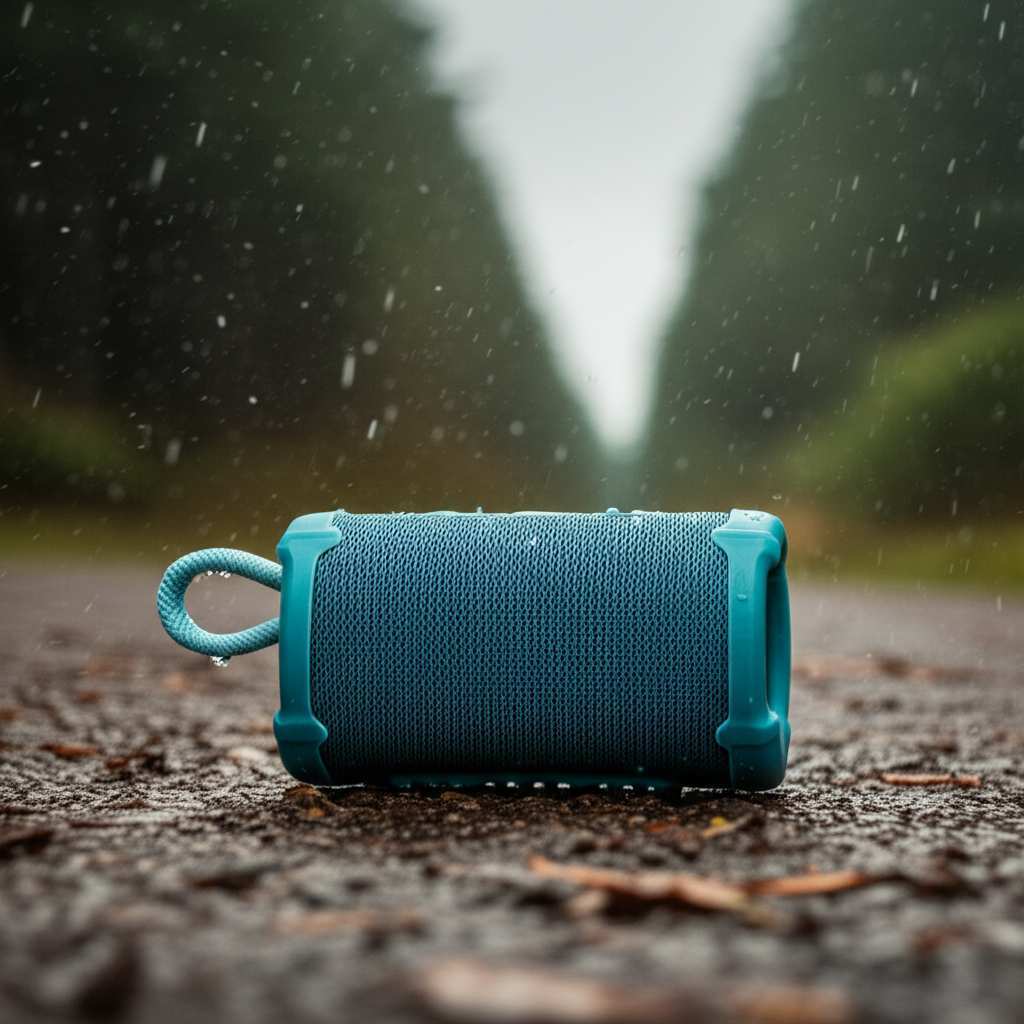
Let’s Talk About Staying Dry: The Magic of Water Resistance
So, can your Bluetooth speaker actually survive getting wet? The short answer is: it depends on what kind of speaker it is. Not all speakers are created equal when it comes to handling moisture. Think of it like choosing the right shoes for a rainy day – you wouldn’t wear your favorite sneakers, right?
Most modern Bluetooth speakers, especially those designed for outdoor use, come with a special rating. This rating tells you how well they can stand up to water and dust. It’s usually a code that looks like “IPX4” or “IP67.” This might sound technical, but it’s actually super useful!
Decoding Those IP Ratings: Your Speaker’s Waterproof Passport
These “IP” ratings are your speaker’s secret code for toughness. IP stands for “Ingress Protection.” The numbers after it tell you how protected it is.
The first number is for dust protection. A ‘6’ means it’s totally dustproof. Pretty neat for those dusty trails!
The second number is for water protection. This is the one we’re really interested in for rain.
Let’s look at some common water protection ratings:
IPX4: This is like splash-proof. It can handle water splashing from any direction. So, a light drizzle or a few drops won’t hurt it.
IPX5: This means it can handle water jets. Think of a garden hose – it can take that! So, a bit more rain is fine.
IPX6: Even stronger! It can handle powerful water jets. This is getting pretty robust for outdoor adventures.
IPX7: This is where it gets really interesting. An IPX7 speaker can be submerged in water up to 1 meter deep for about 30 minutes. So, if you drop it in a shallow stream (accidentally, of course!), it should be just fine.
IPX8: The top tier! This means it can handle submersion beyond 1 meter, often for longer periods.
Most speakers you’ll find advertised as “rugged” or “outdoor” will have at least an IPX4 or IPX5 rating. This is usually enough to get you through an unexpected shower on the trail.
What Does This Mean for Your Hike?
If your speaker has an IPX4 rating or higher, you’re generally in good shape for accidental rain. A light shower? No problem. A bit of spray from a waterfall? It should handle it. It means you don’t have to panic the moment you see a cloud.
However, it’s important to remember that these ratings are usually for fresh water. Saltwater or chlorinated water can be harsher. Also, these ratings are for accidental exposure. You don’t want to go intentionally dunking your speaker in a lake for a fun music video!
Choosing Your Trail-Ready Speaker: What to Look For
So, you’re heading out and want a speaker that can handle the elements? Great! Here’s what to keep an eye out for when you’re shopping.
Key Features for Outdoor Speakers
When you’re browsing for a new speaker, especially one for hiking, look for these features. They make a big difference in how well it survives the great outdoors.
Waterproof/Water-Resistant Rating (IP Rating): We just talked about this! Aim for at least IPX4, but IPX5 or higher is even better for hiking. This is your number one priority.
Durability/Rugged Design: Many outdoor speakers are built tough. They might have rubberized edges or a sturdy casing that can handle bumps and drops. Trails can be uneven, and accidents happen!
Portability and Size: You’re hiking, so you don’t want something too heavy or bulky. Look for compact speakers that are easy to pack. Many clip onto backpacks, which is super handy.
Battery Life: Long hikes mean you need long-lasting tunes! Check the battery life specs. Aim for a speaker that can play for at least 10-15 hours on a single charge. Some even offer power bank features to charge your phone!
Sound Quality: While durability is key, you still want good sound. Read reviews or, if possible, listen to the speaker before you buy. A speaker that sounds tinny or weak might not be worth the weight.
Connectivity: Bluetooth is standard, but some speakers have NFC for quick pairing or even an aux input as a backup.
Quick Buying Tips
Here are some fast tips to help you pick the perfect speaker:
Read the Specs: Always check the product’s official specifications for the IP rating.
Check Reviews: See what other hikers and outdoor enthusiasts say about the speaker’s performance in real-world conditions.
Consider Your Needs: Are you going on short day hikes or multi-day treks? This will help you decide on battery life and size.
Look for Brands Known for Rugged Gear: Some brands specialize in durable electronics.
Putting Your Speaker to the Test (Accidentally!)
So, you’ve got a water-resistant speaker, and you’re on the trail. What happens if it starts to rain? Don’t panic!
What to Do If Your Speaker Gets Wet
If your speaker gets caught in the rain, here’s a simple plan:
1. Protect It Immediately: If you have a waterproof bag or a quick-dry towel, use it to cover the speaker as soon as possible.
2. Turn It Off: If it’s still on, power it down. This can help prevent any internal short circuits if water gets inside.
3. Wipe It Down: Gently wipe off as much water as you can with a soft, dry cloth. Pay attention to any ports or openings.
4. Let It Dry: Leave the speaker in a dry, well-ventilated place to air dry completely. This might take a few hours.
5. Check the Ports: Make sure any charging ports or audio jacks are totally dry before plugging anything in or charging it. You might even want to leave them open to the air for a while.
6. Test It Out: Once you’re sure it’s dry, turn it on and test the sound. If it works fine, great! If you notice any issues, it might be time to check the warranty or consider a replacement.
What NOT to Do
There are a few things you should definitely avoid if your speaker gets wet:
Don’t Shake It Vigorously: This can spread water further inside.
Don’t Use a Hair Dryer or Heat Source: High heat can damage the speaker’s components.
Don’t Charge It While Wet: This is a big no-no and can cause serious damage or even be a safety hazard.
Don’t Submerge It Intentionally: Remember, the IP rating is for accidental splashes or brief submersion, not for using it as a pool float!
Real-World Scenarios: When Speakers Shine (and Sometimes Get Soaked)
I remember one hike where we were caught in a sudden downpour. I had my trusty IPX7 speaker tucked into a side pocket of my backpack. I’d been using it earlier, and honestly, I forgot to put it in a dedicated dry bag. When we stopped for a break under a rocky overhang, I pulled it out. It was damp, covered in a few water droplets, but still working perfectly. I just gave it a quick wipe, and the music kept playing. It was a small thing, but it really lifted our spirits during a less-than-ideal weather moment.
Another time, a friend’s speaker, which only had an IPX3 rating (just basic splash protection), got caught in some light mist. It started to sound staticky after about 15 minutes. We had to turn it off and let it dry out for the rest of the hike. It was a good lesson for both of us about checking those ratings!
Feature Comparison: Outdoor Speaker Capabilities
To give you a clearer picture, let’s look at a small comparison of different speaker types and their typical water resistance. This isn’t about specific models, but general categories you might encounter.
| Speaker Type | Typical IP Rating | Survives Accidental Rain? | Best For |
|---|---|---|---|
| Standard Indoor Speaker | No IP rating (or IPX0) | No | Home use only |
| Basic Portable Speaker | Often IPX4 | Yes, light splashes/drizzle | Picnics, backyard hangs |
| Rugged Outdoor Speaker | IPX5 to IPX7 | Yes, moderate rain, splashes, brief submersion | Hiking, camping, beach trips |
| Ultra-Durable/Adventure Speaker | IPX7 to IPX8 | Yes, heavy rain, submersion | Extreme adventures, kayaking, boating |
As you can see, if you’re planning on hiking, aiming for a “Rugged Outdoor Speaker” or an “Ultra-Durable/Adventure Speaker” is your best bet. Those IP ratings are your guide to knowing what your speaker can handle.
Why This Matters for Your Gear
Choosing a speaker with a good IP rating isn’t just about surviving rain; it’s about extending the life of your gear. Electronics and water don’t mix well. Even a small amount of moisture can corrode internal components over time, leading to problems down the line. So, investing in a water-resistant speaker means your music buddy can come on more adventures with you, for longer.
Keeping Your Speaker in Top Shape: Maintenance Tips
Once you have a speaker that can handle the trail, a little care goes a long way. Keeping it in good condition means it’ll be ready for your next adventure.
Post-Hike Care for Your Speaker
After a hike, especially if it encountered any moisture, follow these simple steps:
Wipe it Down: Always give your speaker a quick wipe with a soft, dry cloth after use. This removes dirt, dust, and any lingering moisture.
Dry Out Ports: If the charging or aux ports got wet, leave them open to air dry for a good few hours before plugging anything in. You can even gently dab them with a dry cotton swab if needed, but be careful not to push moisture further in.
Check for Debris: Sometimes mud or grit can get into speaker grilles or buttons. Use a soft brush (like an old toothbrush) or a can of compressed air to gently clean these areas.
Store Properly: When you’re not using your speaker, store it in a cool, dry place. If you have the original box or a protective case, that’s ideal. Avoid leaving it in a hot car or a damp garage.
Charge Wisely: Don’t leave your speaker plugged in for days on end after it’s fully charged. Modern batteries are good, but it’s still a good practice to disconnect it once it hits 100%.
Fun Fact!
Did you know that some speakers are designed with passive radiators? These are like little cones that help boost bass without needing extra power. They are often exposed, which is why a good seal and water resistance are so important for these components!
Frequently Asked Questions (FAQs)
Got more questions buzzing in your head? Let’s clear them up!
Q1: My speaker got rained on, but it has no IP rating. What should I do?
A: Oh no! First, turn it off immediately. Then, gently wipe off all visible water with a dry cloth. Place it in a dry, well-ventilated area and let it air dry for at least 24-48 hours. Do NOT try to charge it or turn it on until you are absolutely sure it’s dry. Fingers crossed it will be okay!
Q2: Is “water-resistant” the same as “waterproof”?
A: Not exactly! Water-resistant means it can handle some exposure to water, like splashes or light rain. Waterproof means it can be submerged in water for a specific period and depth without damage. For hiking, you want “water-resistant” at a minimum, and “waterproof” is even better!
Q3: Can I use my speaker in the shower?
A: If your speaker has a good IP rating (like IPX5 or higher), then yes, you probably can! Many people enjoy listening to music or podcasts in the shower. Just make sure it’s designed for that kind of moisture.
Q4: My speaker’s charging port is wet. Can I still charge it?
A: Absolutely not! Never plug in a charging cable if the port is wet. This can cause corrosion and damage the speaker, and it could even be a safety risk. Let the port dry out completely first.
Q5: How do I clean my speaker if it gets muddy on the trail?
A: For mud, try to let it dry first, then brush off as much as you can with a soft, dry brush. For stubborn dirt, you can use a slightly damp cloth, but make sure it’s not too wet. Again, avoid getting water into any ports.
Q6: Will salt water ruin my speaker even if it’s waterproof?
A: Generally, yes. Most IP ratings are tested with fresh water. Salt water is more corrosive and can damage seals and components over time. If your speaker gets exposed to salt water, rinse it immediately with fresh water and dry it thoroughly.
Q7: How long does a water-resistant Bluetooth speaker usually last?
A: With good care and if you don’t constantly expose it to harsh conditions, a good quality water-resistant Bluetooth speaker can last for several years. Battery life might degrade over time, but the speaker itself should remain functional.
Conclusion: Music On, Worry Off!
So there you have it! Your Bluetooth speaker can absolutely survive an accidental rain shower on your hiking trail. The key is choosing a speaker with the right water-resistance rating – look for that IPX rating! An IPX4 speaker can handle light splashes, while IPX7 and above offer even more protection, even against brief submersion.
Remember to always check the specs, handle your gear with a bit of care, and know what to do if it does get wet. A quick wipe-down and proper drying can save the day (and your speaker!). You’ve learned how to decode those ratings, what features to look for, and how to keep your speaker in tip-top shape.
Now go enjoy amazing sound and make every moment louder and better, rain or shine! Happy hiking and happy listening!