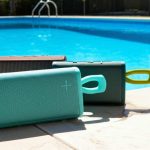
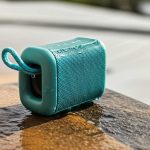
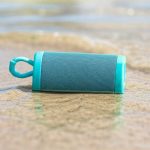
Yes, many Bluetooth speakers can survive accidental rain! Look for the IP rating (like IPX7) to know how water-resistant your speaker is. This guide shows you what to look for and how to keep your music going, rain or shine.
Hey there, tech explorer! Ever been caught in a sudden downpour with your favorite tunes playing, only to panic about your trusty Bluetooth speaker? I know the feeling! It’s like having a party crash your picnic. We all love our speakers for bringing music, podcasts, and even movie soundtracks to life. But understanding what makes them tick, especially when it comes to facing the elements, can feel like decoding a secret language.
Don’t worry, though! My goal here at AffTechy is to make tech simple and fun. We’ll dive into how to figure out if your speaker can handle a little splash, or even a full-on shower. You’ll learn what those confusing numbers and letters mean, and how to pick a speaker that’s ready for your adventures. So, grab your headphones (just in case!), and let’s break down the watery world of Bluetooth speakers, step by step.
What’s This “IP” Rating Thing Anyway?
You’ve probably seen it on speaker boxes or in online descriptions: “IPX7” or “IP67”. This isn’t just fancy jargon. It’s actually super important for knowing how well your speaker can handle dust and water. Think of it as your speaker’s secret handshake with nature. The “IP” stands for “Ingress Protection.” It’s an international standard that tells you how protected something is against solids (like dust) and liquids (like water).

The rating has two numbers. The first number tells you about protection against solid objects, like dust. A “6” means it’s dust-tight – pretty awesome for those dusty trails! The second number is all about water protection. The higher the number, the better it is at keeping water out. So, if you see IPX7, the “X” means it hasn’t been specifically tested for dust, but the “7” is your key for water resistance.
Decoding the Water Ratings
Let’s get specific about that second number, the one that tells us about water. It’s the star of our show when we talk about rain survival! Each number means something different. It’s like a water-level guide for your speaker.
IPX0: No special protection against water. Even a little splash can be bad news.
IPX1: Protected against vertically falling water drops. Think light condensation.
IPX2: Protected against water drops falling at a 15-degree angle. A bit better, but still not for a downpour.
IPX3: Protected against spraying water. This means it can handle light rain, but not immersion.
IPX4: Protected against splashing water from any direction. This is where things start getting more robust for everyday use.
IPX5: Protected against water jets from any direction. This is great for poolside or light showers.
IPX6: Protected against powerful water jets. It can handle pretty strong sprays.
IPX7: Protected against the effects of temporary immersion in water. This is the sweet spot for accidental rain! It means it can survive being submerged in up to 1 meter (about 3 feet) of water for up to 30 minutes.
IPX8: Protected against continuous immersion in water under conditions specified by the manufacturer. This is even better than IPX7, often meaning it can go deeper or stay submerged longer.
So, if you’re wondering if your Bluetooth speaker can survive accidental rain, you’re looking for at least an IPX5, but ideally an IPX7 or higher. These ratings mean your speaker is built tough enough to handle a good splash or even a short dip without you having to rush it inside.

Why Does Water Resistance Matter for Your Speaker?
Imagine you’re on a beautiful hiking trail, the perfect soundtrack is playing, and suddenly, clouds roll in. Or maybe you’re at a backyard barbecue, and a rogue sprinkler decides to join the party. Without water resistance, these fun moments could spell disaster for your speaker. Water can get into the internal components, causing short circuits, corrosion, and ultimately, a silent speaker.
Water resistance isn’t just about surviving rain. It also protects against sweat during intense workouts, accidental spills at the beach, or even just the humidity in a steamy bathroom. When a speaker has a good IP rating, it’s designed with seals and materials that block water from getting inside. This means you can worry less about the weather and more about enjoying your tunes, wherever you are.
Let’s Talk About the “Accidental Rain” Scenario
So, what exactly does “accidental rain” mean for your speaker? It’s those moments you don’t plan for.
A Sudden Shower: You’re walking outside, and it starts to rain. You don’t have a bag to cover your speaker, so it gets wet.
Poolside Splash: You’re lounging by the pool, and someone cannonballs, sending a wave of water your way.
Beach Day Fun: Sand and sea spray are part of the experience, and your speaker might get a little (or a lot) wet.
Backyard Party Mishap: A spilled drink or an unexpected gust of wind sending rain onto your speaker.
For a speaker with an IPX5 rating, it can handle direct splashes and light rain. Think of it like a strong spray from a hose – it can take that. An IPX7 speaker is even better. It can survive being dropped into a shallow puddle or submerged for a short while. So, if you’re hiking and a sudden shower hits, an IPX7 speaker will likely be just fine. It’s designed to keep the music going even when things get a little damp.
What Makes a Speaker “Water-Resistant”? The Tech Behind It
It’s not magic! Manufacturers use clever engineering to make speakers water-resistant. They pay close attention to every detail, from the materials used to how the speaker is assembled.
Sealed Enclosures: The main body of the speaker is designed to be a closed box. This prevents water from easily getting inside. Think of it like a waterproof watch case.
Waterproof Membranes: For speaker drivers (the parts that make the sound), special waterproof membranes are used. These let sound waves out but keep water from seeping in.
Protected Ports: Charging ports and auxiliary jacks are often covered by rubber flaps or are sealed internally. This is a common entry point for water, so manufacturers make sure these are protected.
Water-Repellent Materials: The exterior fabric or casing is often made from materials that repel water, causing it to bead up and roll off rather than soak in.
These features work together to create a barrier against moisture. When you see that IP rating, it’s a certification that these protective measures have been tested and proven effective under specific conditions. It’s a real testament to smart design!
Choosing the Right Speaker for Your Adventures: What to Look For
If you love taking your music outdoors, whether it’s hiking, camping, or just relaxing in the backyard, choosing a water-resistant speaker is a no-brainer. Here’s a quick checklist of what to consider:
Key Features for Outdoor Speakers
IP Rating: As we’ve discussed, aim for at least IPX5, but IPX7 or higher is ideal for peace of mind.
Durability: Look for speakers with rugged designs, rubberized edges, and sturdy construction that can handle bumps and drops.
Portability: Consider size and weight. Do you need something small and lightweight for your backpack, or a larger speaker for a picnic?
Battery Life: Long hikes mean you need a speaker that can last all day (or longer!). Check the advertised battery life.
Sound Quality: Even rugged speakers can sound great! Read reviews to find out how they perform.
Connectivity: Easy Bluetooth pairing is a must. Some speakers also offer multi-point connectivity (connecting to two devices at once) or even NFC for quick pairing.
A Quick Look at Speaker Specs: What Matters Most?
When you’re comparing different speakers, you’ll see a lot of numbers and features. Let’s simplify what’s important for outdoor use:
| Feature | What It Means | Why It Matters for You |
| :—————- | :———————————————— | :———————————————————– |
| IP Rating | Water and dust protection level (e.g., IPX7) | Tells you how much water/dust it can handle. Crucial for rain! |
| Battery Life | Hours of playback on a single charge | How long your music will last on your adventures. |
| Bluetooth Version | The technology used for wireless connection | Newer versions (e.g., 5.0, 5.2) offer better range and stability. |
| Power Output (Watts) | How loud the speaker can get | Important for outdoor listening where ambient noise can be high. |
| Weight & Size | How heavy and big the speaker is | Affects portability – easy to carry in a backpack or on a table. |
| Connectivity Range | How far the speaker can be from your device | Useful if you want to roam a bit while keeping the music going. |
Remember, the “best” speaker depends on how you plan to use it. If you’re mostly at home, maybe a super-high IP rating isn’t as critical. But for hikers and adventurers, it’s a lifesaver!
Real-World Survival: Speakers That Can Handle the Rain
Many brands are making fantastic speakers that are built to withstand the elements. Here are a few examples of what to look for, focusing on those with good water resistance.
For instance, brands like JBL often offer speakers with high IP ratings. Their popular Flip and Charge series, for example, frequently boast IPX7 ratings. This means you can take them to the beach, by the pool, or on a hike knowing they can handle accidental splashes or even a quick dunk.
Another great example is Ultimate Ears (UE). Their BOOM and MEGABOOM speakers are known for their robust, cylindrical design and impressive IPX7 water-resistance. They’re built to be tossed around a bit, making them perfect companions for outdoor fun.
When you’re shopping, always double-check the product specifications. A quick search for “[Speaker Brand] [Speaker Model] IP rating” will usually give you the exact details. Websites like CNET or TechRadar often have in-depth reviews that highlight these durability features. For example, you can find detailed reviews of popular water-resistant speakers on CNET’s portable speaker reviews.
How to Care for Your Water-Resistant Speaker
Even though your speaker can survive rain, a little care goes a long way to keep it sounding great for years to come. It’s like giving your adventurous buddy a good rinse after a muddy trip.
Simple Steps for Post-Rain Care
1. Shake it Off: After getting wet, gently shake the speaker to remove excess water. Pay attention to any speaker grilles or openings.
2. Wipe it Down: Use a soft, dry cloth to wipe away any remaining water. Microfiber cloths work wonderfully.
3. Air Dry: Let the speaker air dry completely in a well-ventilated area. Do NOT use heat sources like hair dryers, as this can damage the materials.
4. Check Ports: Before plugging in a charger, make sure the charging port is completely dry. Some speakers have indicators for moisture. If it’s wet, it might not charge, or worse, it could damage the charging port.
5. Clean Grilles: If you’ve been in muddy conditions, you might want to gently clean the speaker grilles with a soft brush or a slightly damp cloth.
6. Avoid Harsh Chemicals: Stick to water and a soft cloth. Avoid soaps, detergents, or solvents, as they can damage the speaker’s finish or seals.
It’s also a good idea to check your speaker’s manual for specific cleaning and care instructions from the manufacturer. They know their product best!
Can My Bluetooth Speaker Survive Accidental Rain? Frequently Asked Questions
Here are some common questions beginners have about their speakers and water.
Q: My speaker is rated IPX5. Can it survive a shower?
A: An IPX5 rating means it can withstand water jets. So, light to moderate rain should be okay, but try to keep it out of prolonged downpours or submersion. It’s designed for splashes and sprays.
Q: What’s the difference between “water-resistant” and “waterproof”?
A: “Water-resistant” means it can repel water to a certain degree (like an IPX5 or IPX7 rating). “Waterproof” usually implies it can be submerged indefinitely without damage, which is rarer for consumer Bluetooth speakers. Most speakers you see are water-resistant.
Q: I accidentally dropped my IPX7 speaker in the pool! What do I do?
A: Don’t panic! Since it’s IPX7, it’s designed to handle submersion for up to 30 minutes in about 3 feet of water. Retrieve it, give it a gentle shake, wipe it down, and let it air dry completely before using it or charging it.
Q: Can I use my water-resistant speaker in the shower?
A: If your speaker has an IPX5 rating or higher, it’s generally safe to use in the shower. The steam and light splashes won’t harm it. However, avoid direct, high-pressure jets of water for extended periods.
Q: Does “water-resistant” mean it’s also sand-proof?
A: Not necessarily. The first digit in the IP rating (e.g., the ‘6’ in IP67) indicates dust protection. An IP67 speaker is both dust-tight and water-resistant. If it’s just “IPX7,” it’s water-resistant but might not be protected against fine dust or sand.
Q: My speaker got salt water on it. Is that okay?
A: Salt water is much more corrosive than fresh water. While an IPX7 speaker might survive a brief splash, it’s best to rinse it immediately with fresh water and dry it thoroughly. Salt can damage the speaker cone and internal components over time.
Q: How do I know if my speaker is actually water-resistant?
A: Look for the IP rating on the product packaging, the speaker itself, or in the product’s online specifications. If it has an IP rating with a number 5 or higher for water protection (like IPX5, IPX6, IPX7, IPX8), it’s designed to handle water.
Conclusion: Music On, Rain or Shine!
So, there you have it! Your Bluetooth speaker doesn’t have to be a fragile indoor-only gadget. With the right knowledge about IP ratings, you can confidently choose a speaker that’s ready for your outdoor adventures, even if the weather decides to join in. Remember to look for those IP ratings – IPX7 is your best friend for accidental rain and splashes.
And don’t forget the simple care tips: a gentle shake, a soft wipe, and proper air drying will keep your speaker in top shape. Now you can bring your tunes to the beach, the park, or that spontaneous hike without worrying about a little (or a lot of) water.
Now go enjoy amazing sound and make every moment louder and better, no matter what the sky is doing! Happy listening!