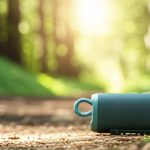
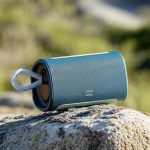
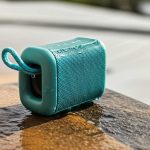
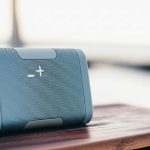
Yes, many Bluetooth speakers can handle rain and snow on hiking trails! Look for models with good water and dust resistance ratings (like IPX4 or higher) to keep the music going, even in wet weather.
Hey there, fellow adventurers and music lovers! Ever been out on a hike, surrounded by amazing scenery, and wished you could share your favorite tunes with the world (or at least your hiking buddies)? It’s a great feeling, right? But then you start thinking about your trusty Bluetooth speaker. What happens if the sky opens up? Will your speaker survive a little rain or even a snowy adventure? It can be a bit confusing to figure out which speakers are tough enough for the outdoors. Don’t worry, though! I’m here to make it super simple. We’ll dive into what makes a speaker “weather-resistant” and how to pick one that’s perfect for your trails. Let’s break it down step by step!
Can My Bluetooth Speaker Survive a Drizzle on the Trail?
You’re out on a beautiful hike. The sun is shining, birds are chirping, and then, uh oh. Dark clouds roll in, and a light drizzle starts. You glance at your Bluetooth speaker, wondering if it’s time to pack it away. It’s a common worry! Many of us love bringing music along for the adventure. We want that soundtrack to our hikes, our picnics, or just relaxing by a lake. But the thought of water damage can put a damper on things.
This is where understanding speaker ratings comes in handy. It’s not as complicated as it sounds! These ratings tell you how well a speaker is protected against things like dust and water. Think of it like a shield for your speaker. The tougher the shield, the more it can handle. We’re going to explore what these shields look like and how to choose a speaker that’s ready for whatever the weather throws at you on your next outdoor escapade.
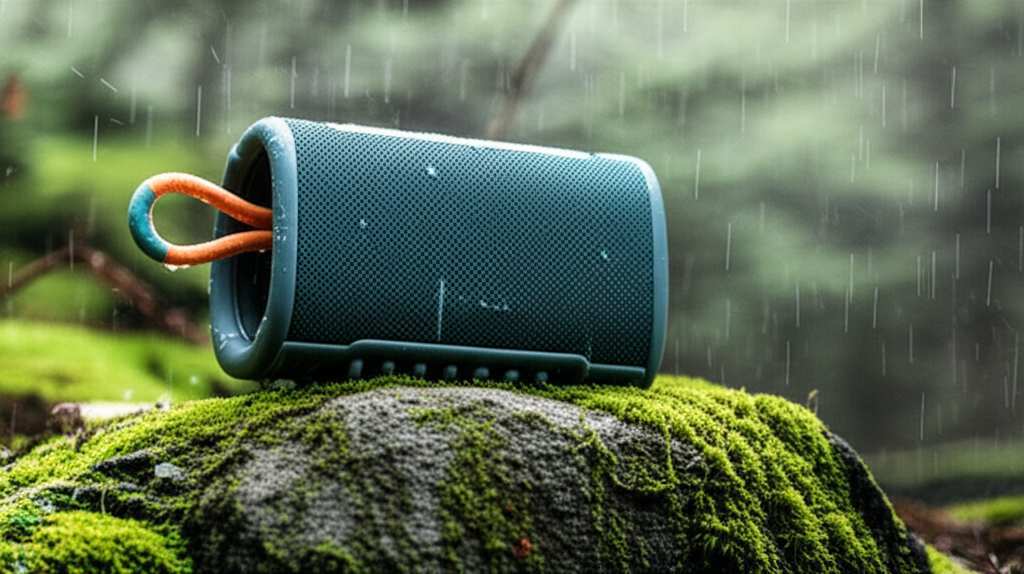
Let’s Talk About Those “IP” Ratings
You might have seen a code like “IPX4” or “IP67” on a speaker’s box or in its description. That’s called an Ingress Protection (IP) rating. It’s an international standard that tells you how protected something is against solids (like dust) and liquids (like water). It’s super useful for picking outdoor gear!
Here’s a quick rundown of what those numbers mean. The first number is for solid protection (dust), and the second is for liquid protection (water).
First Digit (Solids): This goes from 0 (no protection) to 6 (dust-tight).
Second Digit (Liquids): This goes from 0 (no protection) to 9K (protected against high-pressure water jets).
For hikers, we’re mostly concerned about water. So, let’s focus on that second number.
Understanding Water Resistance Levels
The second digit in the IP rating is key for us. It tells us how well the speaker can handle water.
IPX0: No protection. Even a tiny splash is bad news.
IPX1: Protected against vertically falling water drops. Think very light mist.
IPX2: Protected against water drops falling at a 15-degree angle. Still light stuff.
IPX3: Protected against water sprayed at any angle up to 60 degrees from vertical. This is getting better!
IPX4: Protected against water splashed from any direction. This is a common and good level for casual outdoor use. A little rain is fine!
IPX5: Protected against water jets from any direction. So, a bit more powerful spray.
IPX6: Protected against powerful water jets. Think heavy rain or waves.
IPX7: Can be submerged in water up to 1 meter for 30 minutes. Great for accidental drops in puddles or near water!
IPX8: Can be submerged in water beyond 1 meter. The exact depth and time will be specified by the manufacturer.
IPX9K: Protected against high-pressure and high-temperature water jets. This is extreme protection!
So, when you’re looking for a speaker for hiking, you’ll want to aim for at least an IPX4 rating. If you often hike in heavy rain or near water, IPX5, IPX6, or even IPX7 would be even better!
Snowy Trails and Your Speaker: What to Know
What about snow? Can a speaker handle snow just like rain? For the most part, yes! Snow is essentially frozen water. If a speaker is rated for rain, it will usually be fine with light snow. The real concern with snow is extreme cold and moisture from melting snow.
If you’re hiking in freezing temperatures, the speaker’s battery life might be affected. Cold can make batteries drain faster. Also, when snow melts, it turns into water. So, a speaker that can handle splashes and rain will likely handle melting snow just fine.
The key is still that IP rating. A speaker with an IPX4 rating can handle some light snow or the moisture from melting snow. If you’re planning on serious winter adventures where you might be in deep snow or dealing with heavy wet snow, look for higher ratings like IPX5 or IPX6.
Features That Make a Speaker Trail-Ready
Besides the IP rating, a few other things make a Bluetooth speaker a great companion for your hikes. These features help with durability and usability when you’re out in the wild.
Durability and Build Quality
A good hiking speaker isn’t just about water resistance. It should also be tough! Look for speakers with a rugged design. This often means a sturdy outer shell, maybe made of rubber or tough plastic. Some speakers have a metal grille to protect the speakers inside.
Think about how you’ll carry it. Does it have a loop or a carabiner clip? This makes it easy to attach to your backpack, so it’s always with you without taking up valuable space. A speaker that can withstand a few bumps and drops is essential for trail life.
Battery Life
This is a big one for hikers. You don’t want your music to die halfway through your trek! Look for speakers that offer long battery life. Many portable speakers boast 10-20 hours of playtime. For longer hikes, you might even find some that go up to 30 or 40 hours on a single charge!
It’s also helpful to know if the speaker has a battery indicator. Some speakers have LED lights, while others might tell you the battery level through an app or an audible prompt. A quick way to check is always appreciated.
Sound Quality vs. Portability
There’s a trade-off here. Bigger speakers often sound better and louder, but they are heavier and bulkier. Smaller speakers are super portable but might not fill a large outdoor space with sound. For hiking, a balance is usually best. You want something that sounds good enough to enjoy but isn’t a burden to carry.
Many compact speakers today offer surprisingly big sound. They use clever design and technology to pack a punch. Consider what’s most important to you: crystal-clear audio for quiet nature walks, or booming bass for a lively campsite?
Connectivity and Features
Most Bluetooth speakers connect easily to your phone or other devices. Look for newer Bluetooth versions (like 5.0 or higher) for a more stable connection and better range. This means you can keep your phone in your pocket without worrying about the music cutting out.
Some speakers have extra features like:
Built-in microphones: For taking calls hands-free.
Stereo pairing: Connect two speakers for a fuller sound experience.
Voice assistant integration: Control your music with your voice.
App control: Adjust EQ settings or update firmware.
These extras can be nice, but focus on the core features: water resistance, durability, and battery life first!
Comparing Popular Trail-Ready Speakers
To give you an idea, let’s look at a few types of speakers that are popular for outdoor use. Remember, models change, but these categories offer good examples.
| Speaker Type | Typical IP Rating | Key Strengths | Potential Downsides | Good For |
| :——————– | :—————- | :———————————————— | :————————————————– | :—————————————— |
| Rugged Portable | IPX7 / IP67 | Very durable, waterproof, long battery life | Can be heavier, sound quality might vary | Serious hikers, wet environments |
| Compact & Light | IPX4 / IPX5 | Easy to carry, good for short trips, affordable | Less powerful sound, may not be as durable | Casual walks, picnics, light rain |
| Sound-Focused | IPX4 / IPX5 | Excellent sound quality, good for base camp | Often larger and heavier, might be less rugged | Relaxing at a campsite, group gatherings |
| Ultra-Portable | IPX4 | Tiny, lightweight, clips easily to bags | Smallest sound output, battery life might be shorter | Solo hikes, backpackers needing minimal weight |
This table gives you a snapshot. For instance, a Rugged Portable speaker like a UE Boom or JBL Charge is often designed to be dunked in water and still work, making it a fantastic choice for unpredictable weather on the trail. A Compact & Light speaker might be perfect if you’re just going for a day hike and want some background music without adding much weight.
How to Choose the Best Speaker for Your Hiking Style
Picking the right speaker is like choosing the right hiking boots. It needs to fit your needs! Here’s a simple way to think about it.
Step 1: Assess Your Hiking Habits
How often do you hike? If it’s just a few times a year, you might not need the absolute top-of-the-line rugged model.
What kind of weather do you usually encounter? Are you mostly in dry, sunny conditions, or do you often face rain, snow, or mud?
How long are your typical hikes? Longer hikes need better battery life.
How do you carry your gear? Do you have space for a slightly larger speaker, or do you need something super compact?
Step 2: Prioritize Key Features
Based on your habits, decide what’s most important.
Waterproof/Water-Resistant (IP Rating): This is crucial for outdoor use. Aim for at least IPX4.
Durability: Can it survive a drop?
Battery Life: How many hours of music do you need?
Size and Weight: How much can you comfortably carry?
Sound Quality: How important is immersive audio to you?
Step 3: Read Reviews and Compare
Once you have an idea of what you need, start looking at specific models. Websites like CNET and TechRadar have great reviews that test speakers in real-world conditions. Pay attention to what users say about battery life and durability.
Step 4: Consider Your Budget
Bluetooth speakers range in price. You can find decent options for under $50, while high-end rugged speakers can cost $200 or more. Decide how much you’re willing to spend. Often, a mid-range speaker offers a great balance of features and price.
Making Your Speaker Trail-Proof (Even More!)
Even with a water-resistant speaker, a little extra care goes a long way on the trail.
Keep it Clean: After a muddy or dusty hike, wipe down your speaker. If it’s waterproof, you can even rinse it gently with fresh water.
Dry it Thoroughly: If it gets wet, make sure it’s completely dry before charging it.
Protect the Ports: The charging port and any other openings are vulnerable. Ensure any covers are securely closed.
Avoid Extreme Heat: While rain and snow are usually fine, don’t leave your speaker baking in direct sun for hours. High heat can damage the battery and electronics.
Storage: When not in use, store your speaker in a cool, dry place, maybe in its original box or a protective case.
Quick Tips for Outdoor Speaker Success
Here are some easy wins to make your outdoor audio experience better:
Check the IP rating: Always look for IPX4 or higher for rain and splash protection.
Invest in durability: A rugged build means fewer worries on rough trails.
Long battery life is your friend: Look for 10+ hours for a full day out.
Use a carabiner clip: Attach it to your pack for easy access and to save space.
Consider a carrying case: It adds protection and makes it easier to transport.
Keep your phone charged too: Your phone is what connects to the speaker, so make sure it has juice!
Frequently Asked Questions About Hiking and Bluetooth Speakers
Got more questions? I’ve got answers!
Q1: Can I use any Bluetooth speaker in the rain?
A1: Not all of them! Only speakers with a specific water-resistance rating (like IPX4 or higher) are designed to handle rain. Most basic speakers will be damaged by water.
Q2: What is the best IP rating for hiking speakers?
A2: For general hiking, an IPX4 rating is a good minimum. If you hike in frequently wet conditions or near water, aim for IPX5, IPX6, or IPX7.
Q3: Will snow damage my Bluetooth speaker?
A3: Similar to rain, a speaker with a good IP rating (IPX4+) will usually be fine with light snow and melting snow. Extreme cold can affect battery life, though.
Q4: How long should the battery last on a hiking speaker?
A4: For a full day hike, aim for a speaker with at least 10-15 hours of battery life. Many offer 20+ hours, which is even better!
Q5: Are expensive rugged speakers worth the money for hiking?
A5: If you hike often in challenging conditions, yes! They are built to withstand drops, water, and dust, offering peace of mind and longer-lasting performance. For casual use, a more affordable option might suffice.
Q6: Can I charge my speaker while it’s raining?
A6: It’s best not to. Even with water-resistant speakers, charging ports can be vulnerable. Make sure the speaker is dry and the charging port cover is secure before plugging it in.
Q7: Do sound quality and water resistance go hand-in-hand?
A7: Not necessarily. You can find speakers that offer both excellent sound and high water resistance. However, sometimes the most rugged speakers might prioritize durability over audio finesse, and vice-versa. It’s about finding the right balance for your needs.
Your Trail Soundtrack Awaits!
So, can Bluetooth speakers handle rain or snow on hiking trails? Absolutely! With the right knowledge, you can pick a speaker that’s not just a music player but a reliable adventure buddy. Understanding those IP ratings, looking for durable designs, and considering battery life are your keys to outdoor audio success.
Don’t let a little weather stop your beat. Whether you’re climbing a mountain, relaxing by a stream, or enjoying a snowy vista, your perfect trail soundtrack is out there. Now you know what to look for to keep the music playing, no matter the forecast.
Now go enjoy amazing sound and make every moment louder and better!