Want a louder Bluetooth speaker without buying a new one? This DIY guide shows you simple, creative ways to boost its sound, making your music, podcasts, and calls crystal clear and super enjoyable. Get ready for an amazing audio upgrade!
Hey there, tech adventurer! So, you’ve got a Bluetooth speaker, right? It’s awesome for chilling with tunes or catching up with friends on a call. But sometimes, you wish it could just… turn it up a notch. Maybe the party’s getting lively, or you’re trying to hear that crucial line in a movie. It’s a common feeling, and you’re definitely not alone!
We’ve all been there, fiddling with the volume, hoping for more, but it just doesn’t quite hit the spot. It can be a little confusing when you start looking at speaker specs, trying to figure out why some sound so much bigger than others. But don’t worry, I’m here to help! We’re going to dive into some super simple, DIY tricks that can actually make your existing Bluetooth speaker sound a whole lot louder and better.
Think of me as your friendly tech buddy, here to make things easy and fun. We’ll skip the confusing jargon and focus on practical, clever tips that anyone can use. Ready to give your speaker a serious sound boost? Let’s break it down step by step!
Why Your Bluetooth Speaker Might Not Be Loud Enough
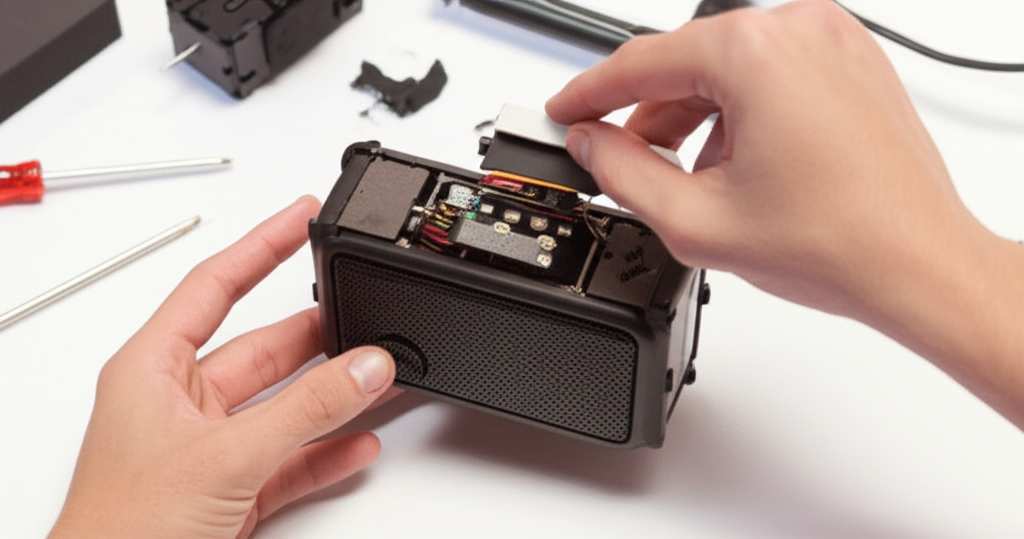
Sometimes, the volume limit on your speaker isn’t a fault; it’s by design. Manufacturers set these limits to protect the speaker’s components from damage. It’s like having a safety switch to prevent things from blowing out!
Other times, the speaker’s size and internal components just mean it has a certain maximum output. Smaller speakers, especially, can struggle to produce really booming sound. But that doesn’t mean we can’t help them out a bit!
Let’s Talk About Sound: Understanding Speaker Basics
Before we get into boosting the volume, let’s quickly chat about what makes a speaker loud. It’s all about how much air it can move and how efficiently it does it. Think of a speaker cone like a little fan. The bigger the cone and the faster it moves, the more air it pushes, and the louder the sound.
Wattage is another big factor. It’s a measure of power. More watts generally mean a louder speaker. But, it’s not just about raw power; the design and acoustics play a huge role too! We’ll focus on things you can control or influence without needing to be an audio engineer.
DIY Boost #1: The Power of Placement
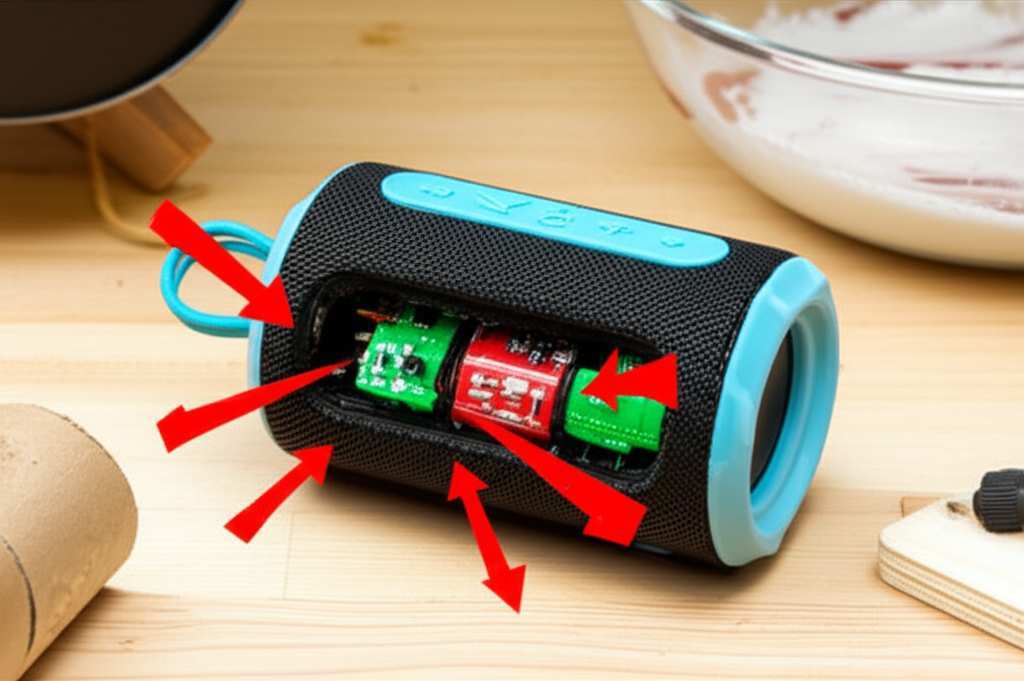
This is the easiest trick, and it costs absolutely nothing! Where you put your speaker can make a surprising difference in how loud it sounds. It’s all about how sound waves bounce and travel.
Placing your speaker in a corner or against a wall can amplify the sound. This is because the sound waves that would normally spread out in all directions get reflected back towards you. It’s like giving the sound an extra push!
- Corner Boost: Put your speaker in a corner of the room. The walls act like amplifiers, bouncing sound waves back into the space.
- Against a Wall: Even placing it a few inches from a wall can help. Try different distances to see what sounds best.
- On a Hard Surface: Avoid soft surfaces like carpets or sofas. These absorb sound. A wooden table or shelf works much better.
- Elevate It: Sometimes, raising the speaker off the floor can help it project sound more effectively.
Think of it like shouting in an open field versus shouting in a canyon. The canyon (or corner!) bounces your voice back, making it seem louder. This simple change can make your music feel fuller and more present.
DIY Boost #2: The Acoustic Enclosure Trick
This one is a bit more hands-on, but still super simple. You can create a makeshift “enclosure” for your speaker using common household items. The idea is to funnel the sound in a specific direction and prevent it from getting lost.
The most popular method involves using a cup or a bowl. It sounds a little silly, but it works by directing the sound waves forward, making them more focused and thus, seemingly louder.
How to Do the Cup Trick:
- Find a Cup or Bowl: Grab a paper cup, a plastic cup, or even a small bowl. Make sure it’s wide enough to fit over the speaker’s front.
- Position It: Gently place the cup or bowl over the front of your Bluetooth speaker. Ensure it doesn’t block any vents or buttons.
- Aim It: Point the opening of the cup or bowl directly towards where you’ll be listening.
This trick is especially great if you’re using your speaker for personal listening or in a small space. It focuses the sound, so less of it is wasted. It’s like using a megaphone for your speaker!
DIY Boost #3: The “Equalizer” Secret
Did you know your phone or music player has a secret weapon for sound? It’s called an equalizer, or EQ. Most devices have a built-in EQ that lets you tweak the bass, treble, and mid-tones. This can make your speaker sound much better, and sometimes louder!
Adjusting the EQ can help you bring out frequencies that make music sound more impactful. Boosting the bass can make it feel more powerful, while adjusting the treble can make vocals clearer.
How to Find and Use Your EQ:
- On iOS (iPhone/iPad): Go to Settings > Music > EQ. You’ll find presets like “Bass Booster” or “Small Speakers.”
- On Android: This can vary by phone manufacturer. Look in your device’s Sound or Audio settings. Many music apps also have their own EQ.
- Experiment: Try different presets. “Bass Booster” can give a fuller sound. If vocals are muddy, try adjusting the mid-tones.
This is a fantastic way to tailor the sound to your liking and get more out of your speaker without any physical modifications. It’s like fine-tuning the flavor of your audio!
DIY Boost #4: Software Tweaks and App Power
Beyond your phone’s built-in EQ, there are apps designed specifically to boost Bluetooth speaker volume. These apps often work by amplifying the audio signal before it even reaches the speaker. It’s like turning up the volume knob on your phone’s audio output.
Some apps offer advanced EQ controls and even preset “boost” modes. Be a little cautious with these, as extreme boosting can sometimes lead to distortion or damage if pushed too far. Always start with moderate settings.
Popular Volume Booster Apps (Search Your App Store):
- Volume Booster: Bass Booster (Android): Often gets high marks for its simple interface and effective boost.
- Boom: Music Player & Equalizer (iOS/Android): A more comprehensive app with a powerful EQ and spatial audio features.
- Equalizer FX: Volume Booster (Android): Another popular choice for fine-tuning sound.
Always check app reviews and permissions before downloading. Some apps might require more access than you’re comfortable with. Reading reviews can tell you if others have had success with specific speakers.
DIY Boost #5: Pairing Multiple Speakers (Stereo Pairing)
This is less of a “DIY fix” for a single speaker and more of a “DIY upgrade” if you have two of the same speaker. Many modern Bluetooth speakers support stereo pairing. This means you can connect two identical speakers to your device and have them play in stereo – one for the left channel, one for the right.
The result? Twice the sound output and a much richer, more immersive listening experience. It’s like going from a single spotlight to a full stage show!
How to Stereo Pair Speakers:
- Check Compatibility: Ensure your speakers support TWS (True Wireless Stereo) or similar pairing technology. This is usually mentioned in the product manual or on the manufacturer’s website.
- Turn On Both Speakers: Power on both of your compatible Bluetooth speakers.
- Initiate Pairing: The process varies by brand. Often, you press and hold a specific button on one speaker (the “primary”) until it signals it’s ready to pair with another. Then, you do the same on the second speaker.
- Connect to Your Device: Your phone or tablet should now see a single stereo pair option in your Bluetooth menu. Connect to that.
This is one of the best ways to get a significant volume increase and vastly improved sound quality if you’re willing to get a second speaker. Brands like JBL, Bose, and Anker often have excellent stereo pairing capabilities.
DIY Boost #6: The Resonator Effect (Using Household Items)
This is a fun, creative way to amplify sound using common items. The idea is to use an object that can vibrate and resonate with the speaker’s sound, effectively turning it into a larger sound source.
A hollow object, like a larger plastic container, a cardboard box, or even a sturdy bucket, can act as a resonating chamber. The speaker’s sound waves will vibrate the container, amplifying the overall volume and adding a bit of bass.
Let’s Try the Box Method:
- Find a Box: A medium-sized cardboard box works well. Make sure it’s clean and empty.
- Place Speaker Inside: Position your Bluetooth speaker inside the box. You can place it on its side or upright, depending on the box shape.
- Seal (Optional): You can slightly close the box lid or flaps, but don’t seal it completely if your speaker needs ventilation.
- Aim the Sound: You might want to cut a small opening or just aim the speaker’s sound towards an open side of the box.
This method is great for enhancing sound in a small room or for a bit of extra oomph during a casual get-together. It’s amazing how much a simple box can change the sound!
Understanding Speaker Power: Watts and Decibels
When we talk about how loud a speaker can get, two terms often pop up: Watts (W) and Decibels (dB). It’s helpful to know what these mean, even if we’re not changing them directly.
Watts (W): This measures the speaker’s power output. More watts generally mean a louder potential sound. A 5W speaker is quieter than a 20W speaker, all else being equal.
Decibels (dB): This measures the actual sound pressure level – how loud the sound is perceived. A 3dB increase is roughly double the perceived loudness. Most people find a 10dB increase to be twice as loud.
It’s tricky to compare speakers just by wattage, as design and efficiency matter. But knowing these terms helps you understand why some speakers are naturally louder than others. For reference, a normal conversation is around 60dB, and a rock concert can be over 120dB!
Speaker Comparison: Power vs. Portability
When you’re looking to buy a speaker, you’ll see a range of options. Smaller, portable speakers are great for carrying around, but they usually have less power. Larger, more stationary speakers tend to be louder and offer richer sound.
Here’s a quick look at how typical speakers stack up:
| Speaker Type | Typical Wattage | Portability | Sound Volume | Best For |
|---|---|---|---|---|
| Mini Portable (e.g., JBL Go) | 3-5W | Very High | Low to Medium | Personal listening, calls |
| Standard Portable (e.g., JBL Flip) | 10-20W | High | Medium | Small gatherings, room filling |
| Large Portable/Party (e.g., JBL Charge, Xtreme) | 20-40W+ | Medium | Medium to High | Outdoor events, louder parties |
| Home Smart Speaker (e.g., Echo, Google Home) | Varies (often 5-15W per driver) | Low | Medium to High | Home audio, smart assistant |
As you can see, there’s a trade-off. Our DIY tricks are fantastic for getting the most out of your current speaker, especially the portable ones. If you’re consistently needing more volume, considering a speaker with higher wattage might be the next step down the line.
Important Note: Protecting Your Speaker
While we’re all about boosting volume, it’s crucial to be mindful of your speaker’s limits. Pushing any speaker to its absolute maximum for extended periods can cause distortion, wear out the components faster, or even lead to permanent damage.
Listen for signs of strain, like crackling or buzzing sounds. If you hear them, turn the volume down slightly. Our DIY methods are designed to enhance volume without necessarily exceeding the speaker’s original designed output limits, but always use your best judgment!
For more insights on speaker technology, sites like CNET offer great buying guides and tech reviews.
Frequently Asked Questions (FAQ)
Q1: Can I really make my small Bluetooth speaker sound as loud as a big one?
While our DIY tricks can make a noticeable difference and boost the perceived loudness, they won’t magically transform a tiny speaker into a concert-level powerhouse. Bigger speakers have larger drivers and more power to move more air, which is the key to truly high volume. Our methods help you squeeze the most out of what you have!
Q2: Will boosting the volume damage my Bluetooth speaker?
There’s a small risk if you use aggressive software boosters or push the volume to extreme levels constantly. Listen for distortion or buzzing, which are signs the speaker is straining. Gentle placement and EQ adjustments are generally very safe. It’s always best to use your ears and not push it past comfortable limits.
Q3: Do these DIY methods work on all Bluetooth speakers?
Most of these methods, like placement, using a cup, or EQ adjustments, are universal and work on pretty much any Bluetooth speaker. Stereo pairing and specific app features depend more on the speaker’s capabilities and your phone’s software, but the basic principles apply broadly.
Q4: What’s the difference between volume booster apps and the EQ on my phone?
Your phone’s EQ adjusts the balance of different sound frequencies (bass, treble). A volume booster app often amplifies the overall audio signal before it’s sent to the speaker. They can sometimes be used together, but using too much amplification from both sources at once can cause distortion.
Q5: I tried the cup trick, and it sounds a bit muffled. What did I do wrong?
Make sure the cup or bowl isn’t touching the speaker cone itself. Also, ensure the opening is large enough to not restrict the sound too much. You might need to try different cup sizes or shapes. Sometimes, pointing the cup slightly differently can help. It’s all about finding that sweet spot!
Q6: Is stereo pairing worth it if I have two identical speakers?
Absolutely! Stereo pairing is one of the best ways to dramatically improve sound. You get true stereo separation (left and right channels) and essentially double the output power. It creates a much more immersive and powerful listening experience than a single speaker can offer.
Q7: How can I make my speaker sound louder outdoors?
Outdoors, sound waves dissipate much faster. Placement is key: try to put your speaker on a solid surface and perhaps near a wall or structure to reflect some sound back. Using a resonating enclosure (like a box or container) can also help focus the sound. And of course, a speaker with higher wattage will always perform better outdoors.
Conclusion: Your Louder, Better Sound Awaits!
There you have it! We’ve explored some super simple yet effective ways to make your Bluetooth speaker sound louder and better, all without spending extra cash. From clever placement tricks and the amazing cup resonator to using your phone’s EQ and exploring app power, you’ve got a whole toolkit now.
Remember, it’s not always about having the biggest, most expensive gear. Sometimes, it’s about knowing a few smart hacks to get the most out of what you already own. Whether you’re setting up for a small gathering, trying to hear a podcast better, or just want your favorite playlist to hit harder, these DIY boosts can make a real difference.
So go ahead, give these tips a try! Experiment with different positions, tweak that EQ, and maybe even try that cardboard box trick. You might be surprised at the results. Now go enjoy amazing sound and make every moment louder and better!