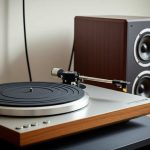
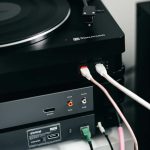
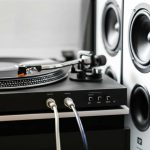
Yes, expensive speakers can be totally worth it for amazing record player sound! Investing in better speakers can transform your vinyl listening experience, bringing out details and warmth you never knew existed. It’s all about matching your speakers to your turntable and room for that sweet, sweet audio bliss.
Hey there, fellow music lovers! Ever spun a favorite vinyl and thought, “This sounds good, but could it be… more?” You’re not alone! It’s like having a delicious meal but using a plastic fork. Your record player has the magic, but the speakers are the ones singing the song to your ears. Picking out new speakers can feel like navigating a maze, right? So many brands, so many numbers, so much jargon!
But don’t worry, that’s where I come in. Think of me as your friendly guide through the world of audio. We’re going to figure out if shelling out a bit more for those fancy speakers is actually worth it for your record player. We’ll break down what makes a speaker sound great and how to find the perfect match for your vinyl setup. Get ready to fall in love with your music all over again!
Why Sound Quality Matters for Your Record Player
You know that feeling when a song just hits you? That’s what good sound does. It’s not just about hearing music; it’s about feeling it. Your record player is special because it captures sound in a unique, analog way. It’s got a warmth and a richness that digital formats sometimes miss. But to really hear that magic, you need speakers that can do it justice.
Imagine listening to your favorite blues record. With the right speakers, you can almost feel the grit in the singer’s voice and the brush strokes on the snare drum. If your speakers aren’t up to the task, it might sound a bit flat or muddy. It’s like looking at a beautiful painting through smudged glass. We want to wipe that glass clean and see every detail!
What Makes Record Player Sound So Special?
Vinyl records are like little time capsules of sound. The music is physically etched into the grooves. When your turntable’s needle (or stylus) rides in these grooves, it creates tiny vibrations. A phono cartridge then turns these vibrations into an electrical signal. This signal is pretty weak, which is why your turntable usually connects to a special part called a phono preamp. The preamp boosts that signal so it’s strong enough for your amplifier or receiver.
This whole process is analog, meaning it’s a continuous, direct representation of the original sound waves. It’s different from digital music, which converts sound into numbers. Many audiophiles believe this analog chain preserves a certain “naturalness” and “warmth” in the music that can be lost in digital conversion. It’s this unique characteristic that makes people want to invest in the best possible playback.
The Role of Speakers in Your Audio Chain
So, where do speakers fit in? They’re the final step! Your amplifier sends that boosted electrical signal to your speakers. The speakers then convert that electrical signal back into sound waves that travel through the air to your ears. This is where the magic happens – or where it can fall flat.
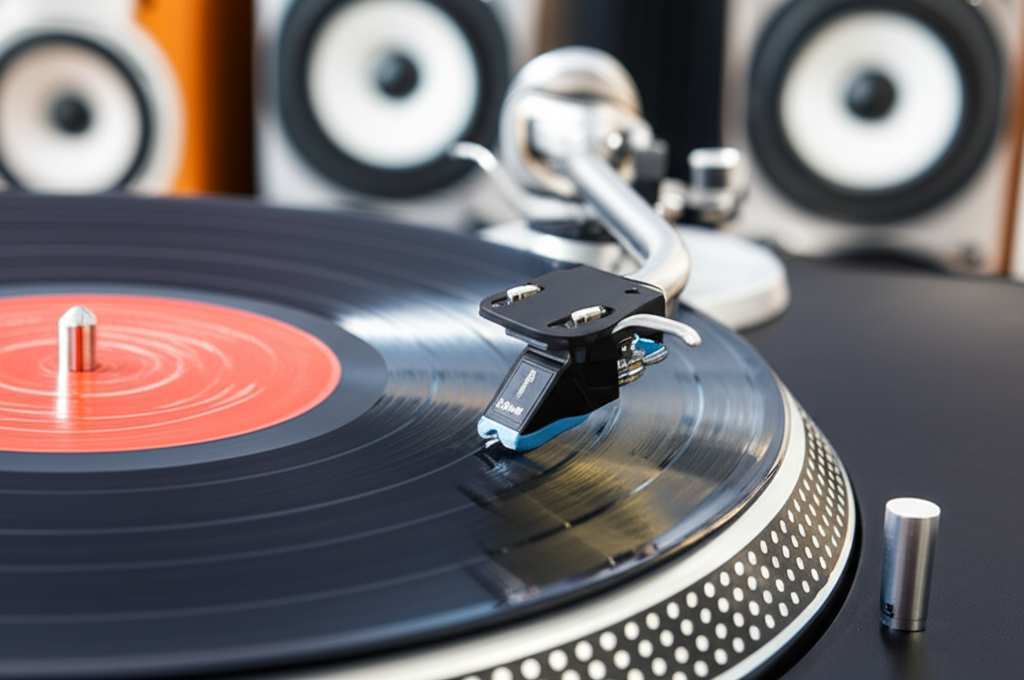
Think of your speakers as the mouth of your audio system. If the mouth is distorted or can’t produce clear sounds, the beautiful words (music) get lost. Better speakers have better components. They can reproduce a wider range of frequencies (from deep bass to crisp highs) more accurately and with less distortion. This means you hear the music exactly as the artist intended, with all its nuances and dynamics.
So, Are Expensive Speakers Worth It for Your Record Player?
This is the big question, right? The short answer is: it depends, but often, yes! When we talk about “expensive,” it’s relative. What’s expensive for one person might be a reasonable upgrade for another. However, speakers in higher price brackets generally use better materials, more precise engineering, and advanced design. This translates directly into superior sound quality.
If you’re serious about enjoying the full potential of your vinyl collection, investing in good speakers is usually one of the most impactful upgrades you can make. They don’t just play music louder; they play it better. You’ll hear details you never noticed before, feel the rhythm more deeply, and experience a richer, more immersive soundstage. It’s like upgrading from a blurry TV to a crystal-clear HD screen – the difference is astonishing.
What Makes a Speaker “Good” (and Expensive)?
Several factors contribute to a speaker’s cost and, more importantly, its sound quality. It’s not just about a bigger price tag; it’s about what goes into making that sound.
Drivers: The Heart of the Speaker
Drivers are the actual components that produce sound. You’ll typically find a woofer (for bass), a midrange driver (for vocals and instruments), and a tweeter (for treble/highs).
Woofer: Bigger woofers usually mean better bass. But it’s also about the material and how it’s designed. High-end woofers use lighter, stiffer materials like woven fiberglass or carbon fiber for more accurate bass response.
Midrange Driver: This is crucial for vocals. A dedicated midrange driver, rather than relying on a woofer and tweeter to cover this range, can provide more clarity and realism.
Tweeter: These produce the high frequencies. Better tweeters use materials like silk, beryllium, or diamond for smoother, more detailed treble without sounding harsh.
Expensive speakers often have meticulously engineered drivers made from premium materials. They also tend to have better crossover networks – the internal circuitry that directs different frequencies to the correct drivers.
Cabinet Design: More Than Just a Box
The enclosure, or cabinet, of a speaker is super important. It’s not just a pretty box! A well-designed cabinet minimizes unwanted vibrations and resonances that can color the sound.
Material: Dense materials like MDF (medium-density fiberboard) or even solid wood are preferred over flimsy particleboard.
Bracing: Internal bracing helps make the cabinet more rigid, preventing it from vibrating along with the drivers.
Porting: Bass reflex ports can enhance bass output, but their design is critical for smooth, uncolored sound.
High-end speakers use advanced cabinet construction techniques to ensure the sound you hear is purely from the drivers, not from a vibrating box.
Connectivity and Build Quality
Even the binding posts where you connect your speaker wire can make a difference. Expensive speakers often feature high-quality, gold-plated binding posts for a secure and optimal connection. The overall build quality – how solid and well-finished the speaker feels – also often reflects the care taken in its acoustic design.
Understanding Speaker Types for Your Record Player
When you’re looking at speakers, you’ll notice a few main types. Each has its own strengths and might be a better fit depending on your setup and listening space.
Bookshelf Speakers
These are compact speakers designed to sit on a shelf, stand, or desk. They are a popular choice for many people because they don’t take up a lot of space.
Pros: Smaller footprint, generally more affordable than floorstanding speakers, good for smaller rooms, can still offer impressive sound.
Cons: Bass response might be less powerful than larger speakers, may struggle in very large rooms.
Great for: Small apartments, dorm rooms, or as desktop speakers for a computer setup connected to your turntable.
Floorstanding Speakers (Tower Speakers)
These are larger speakers that stand on the floor. They typically have multiple drivers and a larger cabinet, allowing for a fuller sound.
Pros: Deeper bass response, can fill larger rooms with sound, often offer a more impactful and dynamic listening experience.
Cons: Take up more space, generally more expensive, may sound overpowering in small rooms.
Great for: Larger living rooms, dedicated listening spaces, or if you crave that powerful, room-filling sound.
Powered Speakers (Active Speakers)
These speakers have built-in amplifiers. You connect your turntable (or other sources) directly to them, skipping the need for a separate amplifier or receiver.
Pros: Simpler setup, fewer components needed, can be very space-efficient, often designed to work perfectly with their built-in amp.
Cons: Less flexibility for upgrading components separately, might not offer the same level of customization as passive speakers with separate amps.
Great for: Streamlining your setup, users who want excellent sound with minimal fuss, or those with limited space for multiple components.
Passive Speakers (Traditional Speakers)
These are the most common type. They require an external amplifier or receiver to power them. Your turntable connects to your receiver, and then the receiver powers the passive speakers.
Pros: More flexibility to mix and match components (turntable, preamp, amp, speakers) to achieve your desired sound, often offer a wider range of choices.
Cons: Requires more components, can lead to a more complex setup and potentially higher overall cost.
Great for: Enthusiasts who enjoy tweaking their system, those who already own a good amplifier or receiver, or want the ultimate control over their sound.
Key Features to Look For (and What They Mean!)
When you’re browsing, you’ll see specs and features. Don’t let them scare you! Here’s a simple rundown of what matters most for your record player sound.
Frequency Response: This tells you the range of sounds a speaker can produce, from the lowest bass notes to the highest treble. It’s usually listed as something like “40Hz – 20kHz.” A wider range generally means a fuller sound. For vinyl, a good low-end response (lower Hz number) is great for that warm, full bass.
Sensitivity (dB): This measures how loud a speaker can get with a given amount of power. Higher sensitivity (e.g., 90dB) means the speaker is more efficient and will play louder with less power from your amplifier. This is great if you have a lower-powered amplifier or want to get more volume without straining your amp.
Impedance (Ohms): This is the electrical resistance of the speaker. Most speakers are 8 ohms or 4 ohms. Your amplifier needs to be compatible with your speaker’s impedance. Usually, amplifiers can handle both, but it’s good to check your amp’s manual.
Power Handling (Watts): This indicates how much power the speaker can safely handle from your amplifier. You don’t necessarily need the highest wattage. A good match between your amp’s power output and your speaker’s handling is key. Overpowering can damage speakers, while underpowering can cause distortion.
Comparing Entry-Level vs. High-End Speakers
Let’s look at how different price points might stack up. This isn’t about specific brands, but general characteristics you’ll find.
| Feature | Entry-Level Speakers (e.g., $200-$500/pair) | Mid-Range Speakers (e.g., $500-$1500/pair) | High-End Speakers (e.g., $1500+/pair) |
| :—————– | :—————————————————————————– | :————————————————————————- | :————————————————————————- |
| Sound Quality | Clear and enjoyable, good for casual listening. Bass might be less defined. | More detailed, balanced, and dynamic. Better bass control and treble clarity. | Exceptional clarity, accuracy, and soundstage. Very natural and immersive. |
| Build Materials | MDF, basic drivers, good but not premium finishes. | Higher quality MDF, advanced driver materials (e.g., coated paper, silk), superior crossovers. | Premium materials (e.g., advanced composites, beryllium/diamond tweeters), sophisticated crossover design. |
| Cabinet Design | Basic construction, some resonance possible. | Denser materials, internal bracing, better porting for smoother sound. | Highly engineered cabinets to minimize vibration, advanced acoustic treatments. |
| Frequency Response | Decent, but might roll off at the extremes (less deep bass, less sparkling highs). | Wider range, more consistent across frequencies. | Very wide and flat frequency response, capturing full detail. |
| Connectivity | Standard binding posts. | High-quality binding posts, often bi-wireable. | Premium, often rhodium-plated, binding posts. |
What this means for you: If you’re just starting, entry-level speakers can still offer a significant upgrade over basic all-in-one systems. But if you want to truly appreciate the subtle details and warmth of your vinyl, moving into the mid-range or high-end will reveal a whole new world of sound. The difference in detail, clarity, and overall musicality can be astounding.
Making the Connection: Turntable to Speakers
How you connect everything is just as important as the gear itself. A good setup ensures you’re getting the best signal possible.
1. Turntable to Phono Preamp: Connect your turntable’s RCA cables to the phono input on your phono preamp. Make sure to connect the ground wire from your turntable to the ground terminal on the preamp to prevent humming.
2. Phono Preamp to Amplifier/Receiver: Connect the RCA output from your phono preamp to an auxiliary or line-level input on your amplifier or receiver.
3. Amplifier/Receiver to Speakers: Use good quality speaker wire to connect the positive (+) and negative (-) terminals on your amplifier/receiver to the corresponding terminals on your speakers. Ensure you match polarity (+ to +, – to -) on both sides.
If you’re using powered speakers, the process is simpler:
1. Turntable to Phono Preamp: Same as above.
2. Phono Preamp to Powered Speakers: Connect the RCA output from your phono preamp to the RCA input on your powered speakers.
Pro Tip: Investing in decent speaker wire and RCA cables can help maintain signal integrity. While you don’t need to break the bank on exotic cables, avoiding the thinnest, cheapest ones can make a subtle but noticeable difference, especially with turntables.
How to Choose the Right Speakers for Your Record Player Sound
Choosing speakers can feel overwhelming, but let’s break it down into simple steps. Think about what you want and what you have.
1. Consider Your Room Size
This is a big one! A tiny bookshelf speaker will get lost in a huge living room, and massive tower speakers can sound boomy and overwhelming in a small bedroom.
Small Rooms (e.g., bedroom, small office): Bookshelf speakers or smaller floorstanding speakers are usually best.
Medium Rooms (e.g., living room): Bookshelf speakers on stands or medium-sized floorstanding speakers work well.
Large Rooms (e.g., large open-plan living area): Larger floorstanding speakers are often needed to fill the space with sound.
2. Match Your Amplifier/Receiver
Your amplifier needs to be able to power the speakers you choose. Check the impedance and power handling ratings.
Low-Powered Amps: Look for speakers with higher sensitivity (dB) to get more volume without straining the amp.
High-Powered Amps: You have more flexibility, but still, ensure the impedance matches.
If you’re going with powered speakers, this step is simpler as the amplification is built-in.
3. Set Your Budget
Be realistic about what you can spend. Remember, speakers are often the most critical component for sound quality. It’s often better to have a slightly less fancy turntable and better speakers than the other way around.
Budget-Conscious: Look for good value bookshelf speakers or well-regarded brands in the entry-level to lower-mid range.
Serious Enthusiast: Mid-range to high-end speakers will offer a significant jump in performance.
4. Listen Before You Buy (If Possible!)
This is the golden rule! Sound is subjective. What sounds amazing to me might not be your cup of tea. If you can, visit a local audio store and listen to different speakers with a similar setup to yours. Bring a record you know well.
Even if you can’t listen in person, read reviews from reputable sources like CNET or TechRadar. They often have detailed listening notes.
5. Read Reviews and Do Your Research
Once you’ve narrowed down your options, dive into reviews. Look for consistent comments about clarity, bass response, and overall musicality.
Quick Buying Tips for Record Player Speakers:
Prioritize Speakers: Often, upgrading speakers yields the biggest improvement for your vinyl sound.
Consider Room Acoustics: Hard surfaces (like bare walls and floors) can make sound bounce around and sound harsh. Soft furnishings (rugs, curtains) can help tame reflections.
Don’t Forget Stands: For bookshelf speakers, proper stands are essential to get them to the right height and decouple them from surfaces that can vibrate.
Bi-wiring/Bi-amping: Some higher-end speakers allow you to connect separate wires to the woofer and tweeter sections. This can offer a slight improvement in clarity for some systems.
What About “The Wall of Sound” Experience?
You might have heard audiophiles talk about creating a “wall of sound” or a truly immersive listening experience. This is where good speakers, especially floorstanding ones, really shine. It’s not just about loudness; it’s about the sound filling the room in a way that feels enveloping.
When speakers are well-matched to your room and amplifier, they can create a soundstage that feels three-dimensional. You can often pinpoint where each instrument is placed, how far away the singer is, and the overall space the music was recorded in. This is especially noticeable with well-recorded analog music, and it’s one of the biggest rewards of investing in quality audio gear.
Common Beginner Mistakes to Avoid
We’ve all made them! Here are a few pitfalls to sidestep on your speaker journey.
Buying Based on Looks Alone: Pretty speakers are nice, but sound is king. Don’t let a sleek design overshadow poor audio performance.
Overlooking Room Size: Putting huge speakers in a tiny room is a recipe for muddy bass.
Underpowering Speakers: If your amplifier is too weak for your speakers, you might try to crank the volume, causing distortion that can damage the speakers.
Ignoring the Phono Preamp: A weak or noisy phono preamp can bottleneck your entire system. Ensure yours is up to the task.
Thinking “Bigger is Always Better”: Sometimes, a perfectly sized, well-engineered bookshelf speaker can outperform a poorly designed, massive tower speaker.
Frequently Asked Questions (FAQs)
Q1: Do I really need expensive speakers for my record player?
Not necessarily “expensive,” but good quality speakers make a huge difference. If your current speakers are basic, even a moderately priced upgrade can be incredibly rewarding for vinyl.
Q2: How much should I spend on speakers for my turntable?
A good rule of thumb is that your speakers should cost about as much as, or slightly more than, your turntable. This ensures the speakers aren’t a weak link.
Q3: Can I use computer speakers with my record player?
While you can technically connect them (usually via a phono preamp and an adapter), computer speakers are generally not designed for the richness and dynamic range of vinyl. Dedicated hi-fi speakers will offer a far superior experience.
Q4: What’s the difference between passive and active speakers for turntables?
Passive speakers need a separate amplifier or receiver to power them. Active (powered) speakers have amplifiers built-in, simplifying your setup. Both can sound great, it just depends on your preference for system complexity.
Q5: Will better speakers make my old vinyl sound new again?
Better speakers won’t magically fix a scratched or poorly mastered record. However, they will reveal the full quality of well-pressed records and bring out details and warmth that were previously masked by less capable speakers.
Q6: Do I need a special amplifier for record player speakers?
Most standard hi-fi amplifiers or AV receivers will work with passive speakers. If you’re using powered speakers, you’ll connect your phono preamp directly to them, so a separate amp isn’t needed for the speakers themselves.
Q7: How do I know if my speakers are “good enough”?
If you’re listening and wishing for more clarity, richer bass, or more detail, your speakers might be holding you back. If you feel truly immersed and excited by the music, you’re likely in a good place!
The Final Spin: Making Your Decision
So, are expensive speakers worth it for amazing record player sound? For many vinyl enthusiasts, the answer is a resounding YES. It’s about unlocking the true potential of your turntable and your music. The warmth, detail, and immersive quality of vinyl are best appreciated when paired with speakers that can faithfully reproduce every nuance.
Think of it as an investment in your listening pleasure. While budget-friendly options can offer a good starting point, stepping up to mid-range or high-end speakers can transform your experience from merely hearing music to truly feeling it. You’ll rediscover your favorite albums and find new depths in familiar tracks.
Don’t be afraid to explore, read reviews, and, if possible, listen for yourself. Your ears will tell you when you’ve found the right match. Now go enjoy amazing sound and make every moment louder and better!