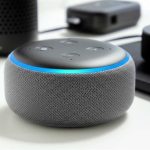
Want better Alexa sound? This guide makes your Echo speaker sound amazing with simple fixes and smart speaker upgrades. Get ready for crystal-clear music and richer audio!
Hey there, tech explorers! Ever feel like your Alexa speaker is a bit… meh? You know, the music sounds a little flat, or the movie dialogue is hard to catch. It’s like having a great recipe but forgetting the secret spice! I totally get it. We all want our gadgets to work their best, especially when they’re filling our homes with sound.
Choosing the right speaker can feel like navigating a maze, right? There are so many options, and the tech jargon can make your head spin. But don’t worry, that’s where I come in! My mission at AffTechy is to make tech super simple and fun for everyone. We’re going to dive into making your Alexa sound absolutely fantastic, and trust me, it’s easier than you think.
Think of your Alexa speaker as the brain, and the sound it produces as its voice. Sometimes, that voice needs a little help to sing its best song. We’ll explore some easy tweaks and a few clever ways to boost that audio power. Get ready to transform your listening experience!
Let’s break down how to get that amazing Alexa sound you’ve been dreaming of.
Why Does Alexa Sound Quality Matter So Much?
Sound is a huge part of our lives, isn’t it? It sets the mood for parties, makes movie nights epic, and helps us relax with our favorite tunes. A good speaker can turn a simple song into an emotional experience. A weak speaker? Well, it can make even the best music sound… well, weak.
Imagine listening to your favorite podcast and struggling to hear the host’s voice clearly. Or trying to enjoy a thrilling movie scene, but the explosions sound muffled. That’s no fun! Your Alexa device is often the hub for music, audiobooks, and even smart home control. When its sound is great, your whole experience is better.
When I first got into tech, I was always a bit intimidated by all the specs and features. But I learned that with a few simple tricks, you can make a big difference. It’s all about understanding what makes good sound and how to get it from your devices.
Let’s Talk About Sound: What Makes it Good?
Before we start tweaking, let’s quickly chat about what makes sound quality good. It’s not just about being loud! We’re talking about clarity, bass, treble, and how well the speaker reproduces the original sound.
Clarity: Can you hear every word or instrument clearly? Or does it all sound a bit muddy?
Bass: This is the deep, rumbling sound. Good bass adds richness and power.
Treble: This is the higher-pitched sound, like cymbals or high vocals. Good treble adds sparkle and detail.
Balance: Do the bass and treble work well together? Or does one overpower the other?
These are the things we’ll aim to improve. It’s like tuning a guitar to get the perfect note.
Quick Fixes: Simple Tweaks for Better Alexa Sound
Sometimes, the easiest solutions are right under our noses. Before you even think about buying new gear, let’s try these simple tricks. They often make a surprising difference!
1. Placement is Key!
This is a big one, and it’s totally free! Where you put your Alexa speaker matters a lot.
Avoid corners: Placing a speaker directly in a corner can make the bass sound boomy and overwhelming. It can actually distort the sound.
On a flat surface: Make sure it’s on a stable, flat surface. A wobbly table can cause vibrations that mess with the sound.
Clear of obstructions: Don’t hide your speaker behind books or curtains. Give it some breathing room so the sound waves can travel freely.
Experiment with height: Sometimes, raising the speaker a little off the ground can help. Try placing it on a shelf or a small stand.
Think of it like this: if you’re trying to talk to someone, you don’t want to be shouting from behind a wall, right? Your speaker needs clear space too.
2. Adjusting the EQ Settings
Did you know you can fine-tune your Alexa’s sound with equalizer (EQ) settings? It’s like having a mini sound engineer in your app!
Open the Alexa app: On your smartphone or tablet, open the Amazon Alexa app.
Go to Devices: Tap on the “Devices” icon in the bottom right.
Select your speaker: Find and tap on the Alexa device you want to adjust.
Tap the Settings gear: Look for the gear icon (usually in the top right corner).
Find Audio Settings: Scroll down and tap on “Audio Settings” or “Sound Settings.”
Adjust Bass and Treble: You’ll see sliders for Bass and Treble. Play around with these!
Here’s a fun tip: If music sounds too muddy, try lowering the bass slightly. If it sounds too tinny, try increasing the treble a bit. It’s all about finding what sounds best to your ears in your room. Don’t be afraid to experiment!
3. Check Your Wi-Fi Connection
This might seem unrelated, but a weak Wi-Fi signal can actually affect streaming quality. If the audio is constantly buffering or cutting out, it won’t sound good.
Ensure a strong signal: Make sure your Alexa speaker is within a good range of your Wi-Fi router.
Restart your router: Sometimes, just restarting your router can clear up connection issues. Unplug it for 30 seconds, then plug it back in.
A stable connection means a smoother, clearer audio stream.
Supercharging Your Sound: External Speakers and Alexa
Okay, so you’ve tweaked the settings and placement, and it’s better, but you’re ready for more! This is where we talk about the real game-changers: connecting external speakers. This is how you truly improve Alexa sound quality with an external speaker.
Using an external speaker with Alexa is like giving your smart assistant a powerful new voice. You can connect Bluetooth speakers or use wired connections, depending on your Alexa device.
Connecting a Bluetooth Speaker to Alexa
This is super popular because it’s wireless and easy!
Here’s how to do it:
1. Put your Bluetooth speaker in pairing mode: Check your speaker’s manual for how to do this. Usually, it involves holding down a button.
2. Open the Alexa app: Go back to your Alexa app on your phone.
3. Go to Devices: Tap “Devices.”
4. Select your Alexa speaker: Tap on the specific Echo device you want to connect.
5. Tap the Settings gear: Find the gear icon.
6. Look for Bluetooth Devices: Tap on “Bluetooth Devices.”
7. Tap “Pair a New Device”: Alexa will start searching for nearby Bluetooth devices.
8. Select your speaker: When your speaker’s name appears, tap on it to connect.
Once paired, you can tell Alexa to play music on that specific speaker. Try saying, “Alexa, play my playlist on [Your Speaker Name].”
Using an Auxiliary (AUX) Cable
Some Alexa devices, like the Echo Studio or Echo Dot (3rd Gen and later), have an AUX-out port. This gives you a wired connection to speakers.
Steps for AUX connection:
1. Get an AUX cable: Make sure it’s a 3.5mm male-to-male cable.
2. Connect one end: Plug one end into the AUX-out port on your Alexa device.
3. Connect the other end: Plug the other end into the AUX-in port on your external speaker.
4. Tell Alexa to use the AUX connection: You might need to tell Alexa to switch. Try saying, “Alexa, connect to AUX.”
This wired connection is often very stable and can provide excellent sound.
Why an External Speaker is a Game-Changer
Built-in Alexa speakers are convenient, but they often have limitations due to their small size. External speakers are designed specifically for audio and can offer:
Richer Bass: Bigger drivers mean deeper, more powerful bass.
Clearer Highs: Better components produce crisper treble.
Wider Soundstage: The sound feels more immersive and fills the room better.
More Power: External speakers are often louder and can handle more complex audio.
It’s like upgrading from a basic car radio to a premium sound system.
Top Picks for Alexa-Compatible Speakers
Not all speakers are created equal, and some work better with Alexa than others. Here are a few types and popular choices to consider.
Smart Speakers with Alexa Built-In (Upgraded Models)
If you want to stick with a single device, consider upgrading to a higher-end Amazon Echo.
Echo Studio: This is Amazon’s premium smart speaker. It’s designed for high-fidelity audio with five speakers that deliver immersive sound. It supports Dolby Atmos and 360-degree audio. This is a fantastic option if you want Alexa and amazing sound in one package.
Echo (4th Gen): This is a solid step up from the smaller Echo Dots. It has a more robust sound with better bass and clarity, thanks to its dual-driver setup.
Best Bluetooth Speakers to Pair with Alexa
These speakers offer great sound and connect wirelessly to your Alexa device.
Sonos One (Gen 2): This speaker is a fan favorite. It offers superb sound quality, deep bass, and clear highs. It also has Alexa built-in, so you can use it as a standalone smart speaker or pair it with other Sonos speakers. When you use it with a non-Alexa Echo device, you’re essentially using your Echo as a Bluetooth transmitter.
Bose SoundLink Revolve+: Known for its 360-degree sound, this speaker fills a room beautifully. It has a rich, balanced sound profile that’s great for music and podcasts.
JBL Charge 5: This speaker is portable, durable, and sounds great. It offers a punchy bass and clear mids and highs, making it a versatile choice.
Wired Wonders: Speakers with AUX Input
For a reliable, high-quality connection, consider speakers with an AUX-in port.
Audioengine A2+ Wireless: These are powered desktop speakers that sound incredible. They have a dedicated AUX-in, offering fantastic clarity and detail. Perfect for a home office setup.
Edifier R1280T Powered Bookshelf Speakers: These offer a great balance of performance and price. They have AUX inputs and deliver warm, full-bodied sound.
Here’s a quick look at some popular options and what makes them stand out:
| Speaker Model | Connection Type | Key Features | Typical Price Range |
| :———————- | :——————- | :————————————————– | :—————— |
| Amazon Echo Studio | Wi-Fi, Bluetooth | 5 speakers, Dolby Atmos, 360° audio, built-in Alexa | $200 – $230 |
| Sonos One (Gen 2) | Wi-Fi, Bluetooth | Premium sound, Alexa built-in, multi-room audio | $220 – $250 |
| Bose SoundLink Revolve+ | Bluetooth | 360° sound, portable, great battery life | $200 – $230 |
| JBL Charge 5 | Bluetooth | Portable, waterproof, powerful bass | $150 – $180 |
| Audioengine A2+ Wireless | Bluetooth, AUX-in | Desktop speakers, exceptional clarity, premium sound | $250 – $300 |
| Edifier R1280T | AUX-in, RCA | Bookshelf speakers, warm sound, good value | $100 – $130 |
When choosing, think about where you’ll use the speaker and what kind of sound you prefer. Do you want portability? Or are you setting up a permanent listening station?
How to Choose the Right External Speaker
Picking an external speaker can feel a bit overwhelming. Here are some simple things to keep in mind:
1. Sound Profile: What Do You Like?
Bass-heavy: If you love feeling the music, look for speakers with strong bass response.
Balanced: For a natural sound that reproduces music as the artist intended, go for balanced speakers.
Clear vocals: If you listen to a lot of podcasts or audiobooks, prioritize speakers with excellent mid-range clarity.
2. Connectivity: Bluetooth vs. AUX
Bluetooth: Super convenient, no wires. Just make sure your Alexa device supports Bluetooth output. Most Echo devices do!
AUX: A stable, reliable connection. Great if you want to ensure the best possible signal without wireless interference. You need an AUX port on both your Alexa device and the speaker.
3. Size and Portability
Portable: Great for moving around the house or taking outside.
Bookshelf/Desktop: Designed for a fixed location, often offering superior sound quality for their size.
4. Your Budget
You don’t have to spend a fortune to get great sound. There are fantastic options at various price points. Set a budget first, then find the best speaker within that range.
Advanced Tips for Pro Sound
Ready to take it up another notch? Here are a couple of more advanced tips.
1. Multi-Room Audio with Echo Devices
If you have multiple Echo devices, you can group them together to play music in sync throughout your home.
In the Alexa app: Go to “Devices,” then tap the “+” icon, and select “Combine Speakers.”
Choose “Multi-room Music”: Follow the prompts to group your speakers.
Now you can say, “Alexa, play my morning playlist everywhere,” and it will play on all your selected Echo devices simultaneously. This is great for parties or just enjoying music as you move from room to room.
2. Using Alexa as a Bluetooth Receiver for Other Speakers
This is a neat trick! If you have a non-smart speaker with Bluetooth, you can connect it to an Echo device. Then, you can use your Echo to control music playback on that speaker. It’s a way to add smarts to your existing audio gear.
3. Explore Third-Party Apps and Services
Some music streaming services offer higher-fidelity audio options. If you’re using Spotify, Apple Music, or Amazon Music, check their settings for quality options. Higher quality streams will sound better on any speaker.
For more in-depth audio advice, sites like CNET often have excellent reviews and comparisons of speakers and audio equipment.
Frequently Asked Questions About Alexa Sound Quality
Got more questions? Here are some common ones beginners ask!
Q1: Can I really make my cheap Alexa speaker sound much better?
A1: Absolutely! Even with a basic Echo Dot, simple things like proper placement and EQ adjustments can make a noticeable difference. Connecting it to a good external Bluetooth speaker will be the biggest upgrade, though!
Q2: Do I need a special speaker to use with Alexa?
A2: Not necessarily. Most Bluetooth speakers will pair with Alexa-enabled devices. If you want to use a wired connection, you’ll need an Alexa device with an AUX-out port and a speaker with an AUX-in port.
Q3: Will using an external speaker make Alexa respond slower?
A3: Generally, no. The voice commands are processed by Amazon’s servers, not the speaker itself. Connecting an external speaker is mainly for playback and shouldn’t affect how quickly Alexa hears or responds to you.
Q4: How do I know if my Alexa device has an AUX-out port?
A4: You can usually find this information in the product description on Amazon or by checking the device itself. Newer Echo models like the Echo Studio and Echo (4th Gen) have this port. Older models, like the Echo Dot (2nd Gen), might have an AUX-in port instead, which is for inputting sound to the Echo, not outputting from it.
Q5: Is it worth buying an expensive speaker for Alexa?
A5: It depends on your priorities! If you’re an audiophile and want the best possible sound for music, then yes, a high-quality external speaker paired with Alexa can be amazing. If you mainly use Alexa for voice commands and casual listening, a mid-range speaker or even just optimizing your current Echo might be enough.
Q6: My Bluetooth connection keeps dropping. What can I do?
A6: Make sure your Alexa device and your Bluetooth speaker are close to each other, ideally within 30 feet (about 10 meters). Also, try restarting both devices and your Wi-Fi router. Sometimes, interference from other wireless devices can be an issue.
Q7: Can I use Alexa to control the volume on my external Bluetooth speaker?
A7: Yes! Once connected, you can usually say, “Alexa, turn up the volume,” or “Alexa, set volume to 5.” Alexa will send the volume command over Bluetooth to your external speaker.
Conclusion: Enjoy Your Amazing Alexa Sound!
So there you have it! We’ve gone from understanding why sound matters to simple tweaks, connecting external speakers, and even looking at some top-tier choices. You’ve learned how to place your speaker wisely, adjust EQ settings, and even connect new gear for a serious audio boost.
Remember, improving your Alexa sound quality is all about making your tech work for you. Whether it’s a subtle adjustment or a full speaker upgrade, the goal is to make your music, podcasts, and audiobooks sound incredible.
Don’t be afraid to experiment with those EQ settings or try out a new speaker. The world of sound is vast and exciting, and now you have the tools to explore it with your Alexa.
Now go enjoy amazing sound and make every moment louder and better! Happy listening!