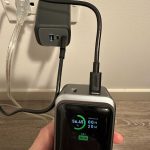
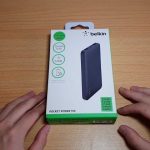
Pour disposer en toute sécurité d’une batterie externe gonflée, il faut d’abord éviter de la jeter à la poubelle ordinaire. La meilleure solution est de la transporter dans un centre de recyclage spécialisé ou de contacter un service de gestion des déchets dangereux. En suivant ces étapes, vous éviterez tout risque d’incendie ou d’explosion.
Si votre power bank est gonflée, il ne faut pas la manipuler comme une déchet ordinaire. La première étape consiste à la déconnecter de tout appareil et à la manipuler avec précaution. Ensuite, il faut la déposer dans un centre de recyclage ou un point de collecte conçu pour les batteries ou les produits électroniques endommagés. Ignorer cette règle pourrait entraîner des risques pour la sécurité et pour l’environnement. En prenant ces précautions, vous contribuez à la gestion responsable des déchets électroniques et à la prévention d’accidents potentiels.

How to Dispose Swollen Power Bank
Understanding Why Power Banks Swell
A swollen power bank happens when the internal battery gets damaged or overcharged. This swelling is a clear sign that the device is unsafe to use anymore. It’s essential to recognize these signs early to avoid potential hazards like leakage or fire.
The Dangers of Using a Swollen Power Bank
A swollen power bank can leak dangerous chemicals, which may harm your skin or the environment. There’s also a risk of the battery catching fire or exploding if it’s not disposed of properly. Never attempt to puncture or crush a swollen battery.
Initial Steps Before Disposal
First, turn off the power bank and disconnect it from any devices. Avoid pressing on the swollen area to prevent causing further damage. Handle it with care and keep it away from children and pets.
How to Safely Prepare a Swollen Power Bank for Disposal
To prepare the device for disposal, place it in a non-flammable container or a plastic bag. If possible, cover the swollen area with tape to prevent leakage. Wear gloves and eye protection when handling to avoid chemical contact.
Important Safety Tips
- Never puncture or try to open the power bank yourself
- Store it in a cool, dry place away from heat or sunlight
- Do not dispose of it in regular trash or recycling bins
Local Regulations on Battery Disposal
Different regions have laws about disposing of batteries and electronic waste. Check your local waste management guidelines to ensure compliance. Many places require special handling for lithium-ion batteries like power banks.
Finding a Recycling Center for Electronic Waste
Most communities have designated e-waste recycling centers or drop-off points. Use online directories or local government websites to locate these facilities near you. Some electronic stores also accept old batteries and power banks for recycling.
Steps to Take When Visiting a Recycling Center
Bring your prepared power bank in a safe container. Inform staff about the device’s swelling and ask for proper disposal instructions. Follow their guidance to ensure environmentally friendly disposal.
Using Manufacturer Take-Back Programs
Many brands provide take-back services for old electronics, including faulty power banks. Contact the manufacturer or visit their website to find out if they have a recycling or trade-in program.
Benefits of Manufacturer Programs
These programs ensure the power bank is disposed of safely and maybe even recycled into new products. They also often provide convenient drop-off options or mail-in services.
Recycling at Specialized Facilities
Some facilities specialize in recycling lithium-ion batteries. These centers have the equipment to safely dismantle and recycle the materials, preventing environmental contamination.
Why Choose Specialized Recycling
They follow strict safety protocols and can extract valuable materials like cobalt, nickel, and lithium. Recycling reduces the need for mining new raw materials and minimizes ecological impact.
Common Misconceptions About Disposal
Many believe throwing a swollen power bank in the trash is okay. This is incorrect because batteries can leak or ignite, causing health and safety hazards. Always opt for proper disposal methods.
Preventing Future Swelling in Power Banks
To prevent swelling, avoid overcharging devices, keep power banks away from heat, and use original or certified chargers. Regularly check your power bank for any signs of damage or swelling.
Additional Tips for Safe Electronic Waste Disposal
- Never expose power banks to water or high humidity
- Dispose of batteries as soon as you notice swelling or damage
- Educate family members about safe handling of electronic waste
Summary of Disposal Process
- Turn off and disconnect the power bank
- Safely package the swollen device
- Find a certified e-waste disposal or recycling center
- Follow local regulations and center instructions for disposal
Keeping Safety Top Priority
Handling a swollen power bank requires caution and adherence to safety protocols. Never ignore signs of swelling, and dispose of the device responsibly. Prioritizing safety helps protect both you and the environment.
Additional Resources for Safe Disposal
Many organizations and government agencies provide guides and resources on electronic waste disposal. Check their websites for specifics about battery recycling programs and regulations.
Disposing of a swollen power bank properly ensures safety and environmental protection. Always handle the device with care, use certified disposal methods, and follow local regulations closely. By doing so, you contribute to reducing electronic waste and safeguarding your community.
If you find yourself with a swelling battery, Dispose of it immediately!For your saftey #saftyfirst
Frequently Asked Questions
What are the safety precautions I should take when handling a swollen power bank before disposal?
Always wear protective gloves and eye protection when handling a swollen power bank to prevent exposure to potential leaks or ruptures. Avoid puncturing or applying pressure to the device, as it could ignite or leak hazardous materials. Keep the swollen power bank away from flammable objects and work in a well-ventilated area. If any leakage occurs, clean the area carefully and dispose of the contents according to local hazardous waste regulations.
How can I identify the appropriate disposal method for a swollen power bank?
Check the manufacturer’s guidelines and local regulations for electronic waste disposal. Most regions require that swollen or damaged power banks be treated as hazardous waste due to the risks of fire and chemical leaks. Contact your local waste management facility or electronic recycling center to understand their procedures. Many facilities accept damaged batteries and will safely process them to prevent environmental contamination and safety hazards.
What steps should I follow to safely recycle a swollen power bank?
First, ensure the device is turned off and carefully place it in a non-conductive, fire-resistant container. Avoid attempting to puncture or dismantle it yourself. Contact an authorized electronic waste recycler or local recycling program that handles batteries. Drop off the device at the designated collection point. Never throw swollen power banks in regular trash, as improper disposal poses safety and environmental risks.
Can I use a damaged power bank temporarily before disposal?
No, it is unsafe to use a swollen or damaged power bank. Continued use can cause further damage, fire, or chemical leaks that pose health hazards. It’s best to cease using the device immediately and follow proper disposal procedures. Prioritize safety by handling it carefully and consulting professionals for disposal options.
What environmental considerations should I keep in mind when disposing of a swollen power bank?
Disposing of a swollen power bank improperly can lead to chemical leaks and environmental pollution. These devices contain hazardous materials such as lithium and other chemicals that can contaminate soil and water sources if released. Always recycle damaged batteries through certified e-waste facilities to ensure safe and environmentally responsible disposal, preventing potential harm to ecosystems and human health.
Final Thoughts
To dispose of a swollen power bank properly, do not attempt to puncture or throw it in the trash. Instead, take it to a certified electronic waste recycling facility. This ensures the lithium components do not harm the environment or pose safety risks. Knowing how to dispose swollen power bank responsibly protects both your surroundings and personal safety. Always follow local disposal regulations and avoid handling the device if it shows signs of swelling. Proper disposal is crucial to prevent potential hazards and promote eco-friendly waste management.