Got a grimy hiking Bluetooth speaker after a muddy adventure? Don’t sweat it! This guide shows you super simple steps to get your speaker clean and sounding great again, keeping that trail music alive.
Hey there, tech adventurer! So, you love taking your music on the go, right? Whether it’s a sunny picnic, a chill beach day, or an epic hike, your Bluetooth speaker is your trusty sidekick. It brings the beats, sets the mood, and makes every moment a little more fun.
But let’s be real, sometimes adventures get a little messy. That trail might have been a bit too muddy, or maybe a sudden rain shower decided to join the party. Suddenly, your sleek speaker looks like it wrestled a mud monster and lost. Don’t worry, it happens to the best of us!
You might be staring at it, wondering if it’s a lost cause. Can you even wash a speaker? Is it going to break? I get it. Tech can sometimes feel a bit intimidating, especially when it gets dirty. But here’s the cool part: cleaning your hiking Bluetooth speaker is way easier than you think.
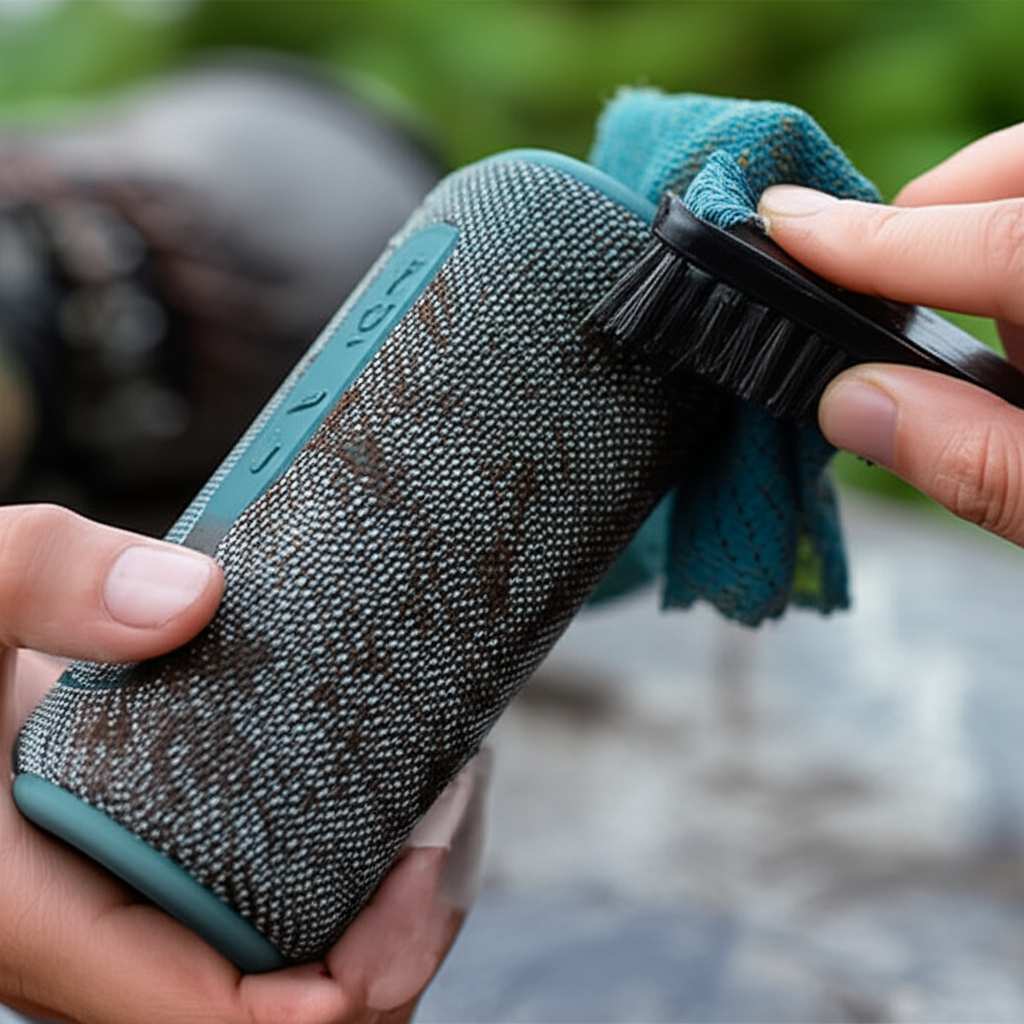
We’re going to break it down, step by step. No complicated jargon, no fancy tools needed. Just simple, friendly advice to get your speaker back to its shiny, sound-blasting glory. Ready to give your speaker a spa day? Let’s dive in!
Why Your Grimy Speaker Needs Some Love
Okay, so your hiking Bluetooth speaker has seen better days. It’s covered in dust, maybe some mud splatters, or even a bit of sticky sap. It’s not just about looks, though. All that gunk can actually affect how your speaker performs.
Dirt and debris can clog up the speaker grilles. This means the sound might not be as clear or as loud as it used to be. Imagine trying to enjoy your favorite song, but it sounds muffled. Not ideal, right? Plus, if water or moisture gets trapped in those tiny crevices, it could eventually cause some serious damage.
Think of it like this: you wouldn’t wear muddy shoes on a clean floor, would you? Your speaker deserves a little TLC to keep it in tip-top shape for all your future adventures. Giving it a good clean is a simple way to protect your investment and ensure you keep enjoying crisp, clear audio wherever you roam.
What You’ll Need to Get Started
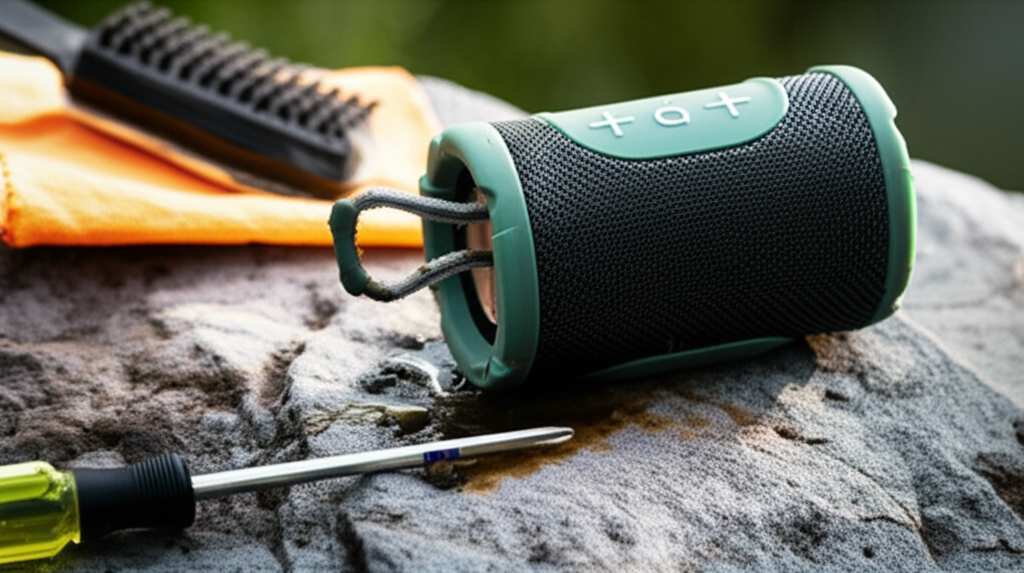
Before we get our hands dirty (or rather, clean), let’s gather our supplies. You probably have most of these things around your house already. We’re aiming for simple and effective here, no need for a trip to a specialty store.
Here’s a quick rundown of what you’ll want to have handy:
- Soft microfiber cloths: These are great because they won’t scratch your speaker’s surface. Grab a couple – one for cleaning and one for drying.
- Cotton swabs (Q-tips): Perfect for getting into those tight nooks and crannies where dirt loves to hide.
- Soft-bristled brush: An old, clean toothbrush or a small paintbrush works wonders for gently dislodging stubborn grime.
- Mild soap: Think dish soap or a gentle hand soap. We want something that cleans without being harsh.
- Clean water: Just regular tap water is fine. You might want a small bowl or container for it.
- Optional: Compressed air can: This is super handy for blowing dust out of speaker grilles.
The most important thing is to be gentle. We’re cleaning, not scrubbing a car! We want to lift away the dirt, not push it deeper into the speaker.
Step-by-Step: How to Clean Your Hiking Bluetooth Speaker
Alright, let’s get down to business! Follow these simple steps, and your speaker will be looking and sounding much better in no time. Remember to take your time and be gentle throughout the process.
Step 1: Power Down and Disconnect
This is super important for safety. Before you do anything, make sure your speaker is turned off. If it has a removable battery, take it out. Also, disconnect any cables, like the charging cable or an auxiliary cord. We don’t want any accidental power surges or shorts!
Step 2: The Dry Dust-Off
Start with the basics. Use a dry microfiber cloth to wipe down the entire exterior of the speaker. Gently brush away any loose dust, dirt, or debris. Pay attention to the buttons, seams, and the speaker grille itself. If you have a compressed air can, give the grille a short burst to dislodge any dust trapped inside.
Pro Tip: Hold the compressed air can upright and use short bursts. Tilting it too much can spray propellant, which you don’t want on your speaker.
Step 3: Tackling Stubborn Grime with a Damp Cloth
Now, for the tougher stuff. Slightly dampen a clean microfiber cloth with water. Wring it out really well – you want it damp, not dripping wet. Gently wipe down the speaker’s surfaces, focusing on any smudges or dried-on dirt.
If you have some really stubborn spots, you can add a tiny drop of mild soap to your damp cloth. Again, wring it out thoroughly. After wiping with the soapy cloth, go over it again with a separate cloth dampened with just water to remove any soap residue.
Step 4: Precision Cleaning for Grilles and Crevices
This is where those cotton swabs and the soft-bristled brush come in handy. Dip a cotton swab in clean water (or your very mild soap solution) and squeeze out any excess liquid. Gently run it along the edges of the speaker, around buttons, and into any small openings. You’ll be amazed at how much dirt these little guys can pick up!
For the speaker grille, use your soft-bristled brush. Gently brush away any dirt that the cloth or cotton swabs couldn’t reach. Work in small, circular motions. If you used a brush with a bit of water or soap, follow up with a clean, slightly damp cloth to wipe away residue.
Step 5: Drying is Key
Once you’ve finished cleaning, it’s time to dry everything thoroughly. Use a clean, dry microfiber cloth to pat and wipe down the entire speaker. Make sure to get into all the nooks and crannies. Any remaining moisture can be a problem, so be patient here.
Let the speaker air dry completely for at least a few hours, or even overnight, before attempting to turn it on or charge it. This ensures that no internal components are exposed to moisture. Better safe than sorry!
When Your Speaker is Waterproof (But Not Submersible!)
Many hiking Bluetooth speakers are designed to be water-resistant or even waterproof. This is awesome for outdoor use! But it’s important to know what that rating actually means. An IPX7 rating, for example, means it can be submerged in up to 1 meter of water for 30 minutes.
This doesn’t mean you should go swimming with it or use it as a bath toy! Even with a good water resistance rating, it’s best to avoid prolonged submersion. And if it does get wet, especially with saltwater or chlorinated water, rinsing it with fresh water and drying it thoroughly is still a must.
If your speaker is rated for water resistance, you can often use a slightly more damp cloth for cleaning. However, always check the manufacturer’s instructions. Some manufacturers advise against using any liquids directly on the speaker, even if it’s waterproof.
Dealing with Tough Stains and Smells
Sometimes, your speaker might pick up more than just dirt. Maybe it’s a sticky juice spill, some sunscreen residue, or even an unpleasant odor from being left in a damp bag.
For sticky residues, a tiny bit of rubbing alcohol on a cotton swab can work wonders. Just be sure to test it on an inconspicuous spot first to make sure it doesn’t damage the finish. After using alcohol, wipe the area with a clean, damp cloth to remove any residue.
If your speaker has an odor, often airing it out in a dry, well-ventilated spot for a day or two will do the trick. You can also try placing it in a sealed container with an open box of baking soda (not directly touching the speaker) overnight. The baking soda will help absorb odors.
Speaker Maintenance Tips: Keep it Clean Longer
Want to avoid another grimy speaker situation too soon? A little bit of preventative care goes a long way. Here are some easy tips to keep your speaker in great shape:
- Wipe it down after each use: If you’ve been outdoors, give your speaker a quick wipe with a dry cloth when you get home. This prevents dirt and dust from building up.
- Store it properly: Don’t leave your speaker in a hot car or a damp backpack for extended periods. Use a protective case or a soft bag to shield it from the elements when not in use.
- Be mindful of where you place it: Try to avoid setting your speaker directly on dusty or muddy surfaces if you can. A small portable stand or even a clean bandana can create a barrier.
- Check ports regularly: Make sure charging ports and auxiliary jacks are free of debris. A quick blast of compressed air or a gentle clean with a dry cotton swab can prevent connection issues.
- Read the manual: Seriously! Your speaker’s manual has specific cleaning and maintenance advice tailored to its design and materials. It’s your best friend for long-term care.
These simple habits will help your speaker stay cleaner for longer, ensuring it’s always ready for your next adventure.
Comparing Ruggedness: Different Speakers, Different Needs
Not all hiking speakers are created equal. Some are built tough, designed to withstand drops and splashes, while others are more delicate. Knowing your speaker’s durability level helps you choose the right cleaning method.
Here’s a quick look at common ruggedness features:
| Feature | What it Means | Cleaning Consideration |
|---|---|---|
| IP Rating (e.g., IPX5, IPX7) | Ingress Protection against dust and water. Higher numbers mean better protection. | Speakers with higher IP ratings can usually handle a damp cloth or even a gentle rinse. Always check specifics. |
| Shock Resistance | Designed to withstand drops and impacts. Often has rubberized exteriors. | These are generally robust and can handle a bit more vigorous wiping, but still avoid harsh chemicals. |
| Dustproof | Sealed against dust and fine particles. | Excellent for dusty trails! Focus on gentle wiping to avoid scratching the surface. |
| Standard/Non-Rugged | No special protection against water, dust, or drops. | Requires the most delicate cleaning. Use only dry or very slightly damp cloths and avoid all moisture. |
So, if your speaker boasts a high IP rating and a rugged build, you have a bit more freedom. But if it’s a sleeker, less protected model, you’ll want to be extra cautious with water and cleaning agents. Always err on the side of caution if you’re unsure!
Fun Fact: The Science Behind Speaker Grilles
Ever wonder why speaker grilles have those intricate patterns? It’s not just for looks! The holes in the grille are carefully designed to allow sound waves to pass through freely without distorting the audio. Too dense a grille, and the sound gets muffled. Too open, and the speaker drivers are left vulnerable to damage.
When cleaning, it’s crucial to keep these tiny sound passages clear. A clogged grille can change the way sound waves exit the speaker, leading to a less immersive listening experience. That’s why gently cleaning them with a soft brush or cotton swab is so important for maintaining sound quality!
Common Pitfalls to Avoid
We’ve covered how to clean your speaker, but let’s talk about what NOT to do. Avoiding these common mistakes will save your speaker from potential damage.
- Don’t use harsh chemicals: Avoid ammonia, bleach, or abrasive cleaners. They can damage the plastic, rubber, or fabric on your speaker.
- Don’t spray liquids directly: Never spray water or cleaning solutions directly onto the speaker. Always apply them to your cloth first.
- Don’t submerge unless specified: Unless your speaker has a very high IP rating and the manual explicitly says it’s safe for submersion, avoid it! Even waterproof speakers can have limits.
- Don’t use high heat for drying: Never use a hairdryer or place your speaker on a radiator to dry it. High heat can warp or melt plastic components.
- Don’t forget to dry completely: Rushing the drying process is a common mistake. Ensure your speaker is bone dry before powering it on.
By steering clear of these pitfalls, you’ll ensure a safe and effective cleaning session for your beloved speaker.
When to Consider Professional Help or Replacement
Most of the time, a good old-fashioned cleaning session will bring your hiking Bluetooth speaker back to life. However, there are a few situations where you might need to think about other options.
If your speaker has suffered a significant drop and seems physically damaged (cracked casing, loose parts), cleaning might not fix it. Also, if you’ve tried cleaning it and the sound quality is still poor, or if it simply won’t turn on anymore, it might be time to consult the manufacturer for repair options or consider a replacement.
For minor issues, like a slightly muffled sound after cleaning, sometimes just playing music at a moderate volume for a few minutes can help “break in” the drivers again and restore clarity. But if it’s a persistent problem, it’s worth investigating further.
FAQ: Your Grimy Speaker Questions Answered
Got more questions buzzing around your head? I thought you might! Here are some common queries beginners have about cleaning their hiking Bluetooth speakers.
Q1: Can I use a wet wipe to clean my speaker?
A1: Generally, yes, but with caution! Use alcohol-free, unscented baby wipes or electronic cleaning wipes. Make sure to wring them out well so they’re just slightly damp, and never use them on charging ports or speaker openings. Always follow up with a dry cloth.
Q2: My speaker got mud inside the speaker grille. What do I do?
A2: Start with compressed air to blow out as much as you can. Then, use a dry, soft-bristled brush (like an old toothbrush) to gently loosen any stuck-on mud. For persistent bits, a slightly damp cotton swab can help, but be very gentle and avoid pushing the mud further in.
Q3: Is it okay to use isopropyl alcohol to clean my speaker?
A3: A little bit can be okay for stubborn spots, but use it sparingly on a cotton swab and test it on a hidden area first. Never soak the speaker or use it near ports. Too much alcohol can damage some plastics or finishes. Always wipe with a damp cloth afterward to remove residue.
Q4: My speaker smells musty. How can I fix it?
A4: Try airing it out in a dry, sunny spot for a day. If that doesn’t work, place the speaker in a sealed container with an open box of baking soda for 24 hours (make sure the baking soda doesn’t touch the speaker). This should help absorb the odors.
Q5: What’s the best way to clean the fabric on my speaker?
A5: For fabric covers, use a slightly damp microfiber cloth with a tiny bit of mild soap. Gently dab the fabric, don’t rub too hard. Afterward, use a clean, damp cloth to rinse and then let it air dry completely. Avoid saturating the fabric.
Q6: Should I clean the charging port?
A6: Yes, it’s a good idea to keep it clean! Use a dry cotton swab or a blast of compressed air to remove any dust or debris. Never use liquids or metal objects, as this can damage the port and prevent charging.
Q7: How often should I clean my hiking speaker?
A7: It really depends on how often you use it and where. If you take it on dusty or muddy trails regularly, a quick wipe-down after each trip is ideal. A more thorough clean every few months, or whenever you notice dirt buildup, is a good general rule.
Bringing the Beat Back: Your Speaker is Ready!
See? Cleaning your grimy hiking Bluetooth speaker is totally doable! You’ve learned how to tackle dust, mud, and even those stubborn sticky spots without causing any harm. We’ve covered everything from gathering your simple supplies to the best drying techniques.
Remember, a little bit of care can make a big difference. By keeping your speaker clean, you’re not just making it look good – you’re ensuring it sounds its best and lasts for all your future adventures. So next time your speaker takes a tumble in the dirt, you’ll know exactly what to do.
Now go forth and enjoy your clean, clear, and loud music! Whether you’re hitting the trails, chilling by the campfire, or just relaxing in your backyard, your speaker is ready to amplify the good times. Happy listening!