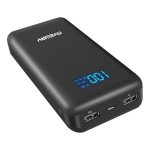
To determine if a power bank is good, look for high capacity, fast charging capabilities, durability, and reliable brand reputation. These features ensure your devices stay charged longer and safely. A good power bank should also have safety features like overcharge protection and sturdy build quality, giving you peace of mind on the go.
In short, a good power bank offers ample capacity, quick charging, durability, and trustworthy safety features. By focusing on these aspects, you can pick a device that keeps your gadgets powered up without worry.
Choosing the right power bank can seem overwhelming with so many options available. If you’re wondering how to identify a quality one, it’s all about checking the capacity, charging speed, build quality, and brand reliability. These key elements help you avoid low-quality models that might underperform or even damage your devices. Whether you need a compact model for daily use or a high-capacity one for travel, understanding what makes a power bank good ensures you get the best value and performance. Let’s explore the essential features to consider so you can confidently select a power bank that meets your needs.

How Do You Know If a Power Bank Is Good?
Understanding the Basics of a Good Power Bank
A good power bank should reliably charge your devices without any hiccups. It needs to have a decent battery capacity to meet your needs, whether you’re out for a day or a week. Look for a power bank made with quality materials to ensure durability.
Battery Capacity and How It Affects Performance
The capacity of a power bank is measured in milliamp-hours (mAh). A higher mAh number indicates more power storage, meaning it can charge your device multiple times. For example, a 10,000mAh power bank can typically charge an average smartphone about two to three times.
Choosing the Right Capacity for Your Needs
– Small Capacity (up to 5,000mAh): Ideal for quick top-ups or emergencies.
– Medium Capacity (10,000mAh to 20,000mAh): Suitable for daily use and multiple charges.
– Large Capacity (above 20,000mAh): Better for extended trips or charging multiple devices.
Output Power and Charging Speed
The charging speed depends on the power output measured in watts (W) or amperes (A). A power bank with higher output delivers faster charging. Look for power banks with at least 2.0A output for quick charging.
Understanding USB Power Delivery (PD) and Quick Charge Technology
Power banks with USB PD or Quick Charge support can significantly decrease charging time. These technologies deliver higher power levels safely, making them ideal for fast-charging compatible phones and tablets.
Port Options and Compatibility
Check the number of ports and their types. Multiple USB ports allow charging several devices simultaneously. Ensure the power bank supports the USB versions your devices need, such as USB-A or USB-C.
Importance of USB-C Ports
USB-C ports are becoming standard for modern devices. They support faster data transfer and higher power output, making them a good feature to look for in a quality power bank.
Build Quality and Design
A good power bank should feel sturdy and well-made. Lightweight models are easier to carry but must still be durable. Look for models with impact-resistant casing and good reviews about their build quality.
Size and Portability
Consider how portable you need the power bank to be. Larger capacities tend to be heavier and bulkier. Balance capacity with portability based on your daily usage patterns.
Battery Type and Safety Features
Lithium-polymer and lithium-ion batteries are common in power banks. Lithium-polymer batteries tend to be safer and more compact. Safety features such as overcharge protection, short-circuit protection, and temperature control are vital for device safety.
Certifications and Safety Standards
Look for power banks with certifications like CE, FCC, or RoHS. These ensure the device meets safety and environmental standards, reducing risks of malfunction or damage.
Charging and Recharging Cycles
A good power bank should sustain many charge cycles without losing significant capacity. Check the manufacturer’s specifications for how many cycles the device can handle before performance drops.
Brand Reputation and Reviews
Research the brands and read user reviews. Reputable brands often provide better quality, reliable performance, and customer support. Reviews can reveal common issues or praise for specific models.
Price and Value for Money
While cheaper power banks may seem attractive, they often compromise on quality. Compare features and prices to find a model that offers the best value. Investing in a reputable brand can save money in the long run.
Additional Features to Consider
Some power banks come with extra features such as LED indicators, built-in flashlights, or wireless charging. These extras add convenience but should not compromise core performance.
LED Indicators and Digital Displays
LED lights show battery level and charging status at a glance. Digital displays give precise information about remaining capacity, helping you manage your usage better.
Emergency Features
A built-in flashlight or SOS mode can be valuable in unexpected situations. Consider these if you often venture into outdoor environments.
Warranty and Customer Support
A reliable power bank should come with a good warranty. This provides peace of mind and support if the device malfunctions. Choose brands known for responsive customer service.
Environmental and Ethical Considerations
Opt for brands that focus on eco-friendly production and recycling programs. This ensures you’re supporting sustainable technology practices.
Knowing if a power bank is good involves evaluating its capacity, charging speed, build quality, safety features, brand reputation, and extras. Balance these factors based on your specific needs and budget. A well-chosen power bank ensures reliable backup power that keeps your devices ready on the go.
Power Bank Buying Guide
Frequently Asked Questions
What are the key specifications to check when evaluating a power bank’s quality?
When assessing a power bank, focus on its capacity, rated output power, and charging speed. Capacity, measured in milliampere-hours (mAh), indicates how much charge it can store. Look for a power bank with a capacity suited to your needs; for example, a higher mAh for multiple device charges. The rated output power, usually expressed in volts and amps, determines how quickly your device gets charged. Additionally, check if the power bank supports fast charging protocols for efficient performance. These specifications help ensure the device can reliably meet your charging requirements.
How can the build quality and materials influence the overall performance of a power bank?
Durable materials and solid construction directly impact a power bank’s longevity and safety. A well-made device minimizes risks of overheating and short circuits. Look for models with reinforced casing, quality connectors, and good insulation. High build quality ensures the power bank withstands daily use, accidental drops, and exposure to elements, maintaining consistent performance over time. Investing in a well-constructed power bank often reduces the need for replacements and keeps your devices safe during charging.
What safety features should I look for in a reliable power bank?
Reliable power banks include essential safety features like-over current protection,-over voltage protection, short circuit prevention, and temperature control. These features shield your devices and the power bank itself from damage due to power surges or overheating. Additionally, look for models with certifications from recognized safety organizations, which ensure the device adheres to safety standards. Ensuring these features are present provides peace of mind and prevents potential hazards during use.
How important is the compatibility of a power bank with different devices?
Compatibility ensures that the power bank can efficiently charge various devices, whether smartphones, tablets, or other electronics. Check for adjustable output ports and multiple charging options, such as USB-A, USB-C, or other connectors. A versatile power bank can adapt to different device power requirements, providing stable and safe charging for all your gadgets. Compatibility also means you won’t face issues like insufficient power delivery or incompatible connectors, making your device charging experience smoother.
What indicators or features signal that a power bank is high-quality during usage?
Indicators such as LED displays showing remaining battery life or charging status help monitor the power bank’s performance. Features like quick charge indicators, universal charging compatibility, and pass-through charging capabilities also signal quality. Additionally, a power bank that maintains stable output without overheating or shutting down unexpectedly indicates good internal circuitry and reliable operation. These features enhance user experience and confirm the device’s overall dependability.
Final Thoughts
A good power bank offers high capacity, fast charging, and reliable performance. Check the battery capacity and ensure it matches your device needs. Look for quality brands known for durability and safety features.
Pay attention to input/output ports and their compatibility with your devices. A reputable power bank maintains consistent performance over time.
How do you know if a power bank is good? It provides efficient charging, safety, and longevity. Choose wisely to keep your devices powered up smoothly.