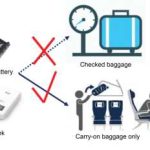
Power banks are not allowed in checked baggage because they pose a significant fire risk during flights. If they malfunction or get damaged, they can overheat and ignite, putting the entire aircraft at danger. As a result, airline safety regulations prohibit passengers from packing these portable chargers in checked luggage. Instead, travelers are encouraged to carry them in their hand luggage, where any potential fire can be quickly managed.
In short, power banks are banned in checked baggage due to their lithium-ion batteries, which are sensitive to damage and heat. Airlines prioritize safety by ensuring these devices are kept close and monitored, reducing the risk of fire hazards during flights.
Power banks have become an essential part of our travel essentials, helping us stay connected and powered up on the go. However, their safety concerns have led to strict regulations regarding their carriage on airplanes. Lithium-ion batteries, which power most portable chargers, can be unpredictable if damaged or improperly handled. When placed in checked baggage, these devices are vulnerable to rough handling and temperature fluctuations, increasing the chance of a fire starting unnoticed. Since fires aboard aircraft are difficult to contain and extremely dangerous, airline safety protocols strictly restrict passengers from packing power banks in checked luggage. By keeping them in carry-on bags, passengers help ensure that any issues can be swiftly addressed, maintaining the safety and security of everyone on board.

Why are Power Banks Not Allowed in Check-In Baggage
Understanding Power Banks and Their Function
Power banks are portable devices used to charge electronic gadgets like smartphones, tablets, and cameras while on the go. They store electrical energy in batteries, making them handy for quick power boosts during travel. These devices are popular because they provide a convenient way to stay connected without needing access to power outlets.
The Reason for Strict Regulations on Power Banks
Because power banks contain lithium-ion batteries, they are classified as hazardous materials by airline safety agencies. Lithium-ion batteries can pose fire risks if they malfunction or are damaged during transportation. As a result, airlines and regulatory bodies impose strict rules to prevent accidents caused by battery fires.
Why Are Lithium-Ion Batteries a Safety Concern?
Lithium-ion batteries have a chemical composition that can ignite under certain conditions. If the battery shorts, is punctured, overheats, or experiences physical damage, it can lead to thermal runaway—a dangerous situation where the fire rapidly escalates. This risk is especially critical in the confined space of an aircraft cabin or cargo hold.
Why Are Power Banks Not Allowed in Checked Bags?
Travel safety guidelines restrict the placement of lithium-ion batteries, including power banks, in checked luggage. The main reason is that, unlike the passenger cabin, cargo holds are less accessible and monitored less frequently. Fire outbreaks in checked baggage are harder to detect and manage, increasing the risk of uncontrollable fires.
Potential Risks of Power Banks in Baggage Check-in
When power banks are stored in checked baggage, any malfunctions or thermal incidents are less likely to be noticed immediately. This delay can allow a fire to grow unnoticed until it causes significant damage. Airline regulations aim to mitigate this risk by prohibiting such devices in checked luggage.
Airline Regulations on Carrying Power Banks
Most airlines follow strict rules that allow passengers to carry power banks only in their hand luggage. These rules specify that power banks should not exceed certain capacity limits and must be kept in carry-on bags. The regulations are based on guidelines from the International Civil Aviation Organization (ICAO).
Capacity Limits for Power Banks
The allowed capacity for power banks varies by airline and regulatory authority. Common limits include:
- Up to 100 Wh (watt-hours) – generally allowed without approval
- Between 100 Wh and 160 Wh – may require airline approval
- Over 160 Wh – usually prohibited for air travel
Why Capacity Matters
Power banks with higher capacities store more energy and pose greater fire risks. This is why strict limits are in place to prevent large power banks from being carried in checked luggage, which might contain more energy than airline safety standards permit.
How Fire Risks in Checked Baggage Are Managed
Aircraft are equipped with fire detection and suppression systems designed primarily for cabin areas. However, they are less effective in cargo holds where checked luggage is stored. Many airlines choose to ban lithium-ion devices in checked baggage to prevent potential fires from developing unnoticed.
What Happens If Power Banks Are Found in Checked Baggage?
If security personnel or airline staff discover a power bank in checked luggage, it is typically confiscated and not allowed onboard. This process prevents potential hazards and ensures the safety of all passengers and crew on the flight.
Related Topics: Battery Safety and Travel Tips
Understanding battery safety can help travelers avoid issues at security checkpoints. Always check airline policies before packing electronic devices. Consider carrying only approved power banks within the allowed capacity limits in your hand luggage.
Tips for Safe Travel with Power Banks
- Keep power banks in carry-on luggage only
- Ensure capacity limits are within airline allowances
- Protect the device from physical damage during transit
- Turn off power banks when not in use to prevent accidental activation
- Remove power banks from devices when not in use to reduce risk
Advances in Battery Safety Technology
Newer battery designs focus on preventing thermal runaway and other hazards. Some power banks now include safety features like thermal sensors and circuit breakers. While these innovations improve safety, regulations still restrict their carriage in checked baggage.
Future Regulations and Trends
Regulatory agencies continue to update guidelines based on new safety data. As technology evolves, some restrictions may be adjusted. Travelers should stay informed about airline policies before packing electronic devices for air travel.
Summary of Key Points
- Power banks are restricted in checked luggage due to fire risk from lithium-ion batteries
- Most airlines allow power banks only in carry-on bags within specified capacity limits
- Higher capacity power banks pose greater safety concerns and may be prohibited entirely
- Proper storage, handling, and adherence to airline policies are essential for safety
Additional Related Topics
Understanding the safe transport of batteries, the role of international regulations, and how to identify approved power banks for travel can significantly improve travel safety. Always check the latest guidelines before flying to avoid inconveniences or confiscation at security checks.
The restrictions around power banks and lithium-ion batteries are designed to protect everyone onboard aircraft from potential hazards. Although these devices are useful, safety must always come first, which is why they are generally not permitted in checked baggage. Being informed and prepared helps ensure a smooth and safe journey for all travelers.
|| Why are Power Banks not allowed in check-in luggages ||🧳🧐❓💯
Frequently Asked Questions
What are the safety concerns associated with storing power banks in checked luggage?
Power banks contain lithium-ion batteries that can pose fire risks if damaged or malfunctioning. When stored in checked baggage, they are less accessible and may not be monitored closely, increasing the chances that a thermal event could go unnoticed until it causes significant damage or safety issues. Aviation safety protocols prioritize the immediate availability of such devices to prevent potential hazards.
Why do regulations require batteries to be carried onboard rather than checked in?
Transporting power banks in carry-on luggage allows travelers and airline staff to quickly respond if a device overheats or catches fire. Immediate detection and intervention reduce the risk of a fire spreading within the aircraft. Since checked bags are stored in compartments away from passengers and crew, any malfunction in power banks cannot be addressed promptly, raising safety concerns.
How do airline policies regarding power banks impact baggage screening procedures?
Airlines enforce restrictions on power banks to ensure the safety of all passengers and crew. During screening, personnel can identify these devices and ensure they meet safety standards, such as capacity limits. Placing power banks in carry-on baggage simplifies inspection and allows travelers to declare and handle them properly, which isn’t possible with checked luggage that undergoes different security procedures.
Are there specific capacity limits for power banks allowed in carry-on luggage?
Yes, most airlines and aviation authorities set capacity limits for power banks allowed onboard. Typically, devices with a capacity of up to 100Wh can be carried freely, while those between 100Wh and 160Wh require airline approval. Power banks exceeding 160Wh are generally prohibited. Following these guidelines helps prevent fire hazards and ensures compliance with safety regulations.
Can damaged or faulty power banks be transported in checked baggage?
No, damaged or faulty power banks should not be transported in checked luggage. Such devices are more prone to short circuits or overheating, which can lead to fires. Airlines recommend carrying any damaged batteries in carry-on baggage where they can be properly monitored and handled if issues arise during the journey.
Final Thoughts
Power banks pose safety risks due to their lithium-ion batteries, which can overheat or catch fire if damaged or short-circuited. Airlines restrict them in checked baggage to prevent fire hazards in cargo holds.
Carrying power banks in hand luggage allows quick access for monitoring or emergency use, reducing dangers during transportation.
In conclusion, why are power banks not allowed in check in baggage? The main reason is safety, as lithium-ion batteries can ignite, creating dangerous situations. Airlines enforce these rules to protect passengers and staff.