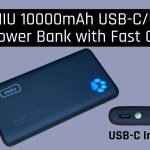
To quickly determine if a power bank is compatible with your device, check the output voltage and current ratings to match your device’s requirements and ensure it has the right connector. If these specifications align, the power bank is likely compatible. Look for the right ports and capacity suitable for your needs, and always verify manufacturer recommendations.
Matching a power bank with your device is easier than you might think. The key is to review the output specifications, such as voltage, current, and the type of connector, to ensure they meet your device’s requirements. Compatibility also involves considering the capacity, which affects how long your device can stay powered. By paying attention to these details and checking the manufacturer’s guidelines, you can confidently choose a power bank that works seamlessly with your device and keeps your gadgets charged on the go.
When choosing a power bank, it’s essential to consider a few critical factors to avoid compatibility issues. With the multitude of devices available today—from smartphones and tablets to gaming consoles—each has specific power needs. Ensuring the power bank’s output voltage and current match your device’s specifications is vital for safe and efficient charging. Additionally, the connector type and capacity play a significant role; for example, a power bank for a tablet will differ from one designed for a smartphone. By understanding these aspects and reading product details carefully, you can eliminate guesswork and select a suitable power bank that maintains your devices’ health and longevity.

How Do You Know If a Power Bank Is Compatible
Choosing the right power bank can feel tricky, especially with so many options available. Knowing if a power bank will work well with your device is essential to ensure fast charging and safe use. Let’s explore what makes a power bank compatible and how to find the perfect match for your gadgets.
Understanding Power Bank Compatibility Basics
Power bank compatibility depends mainly on three key factors: voltage, current, and connector type. Each device has specific requirements, and matching these ensures optimal performance.
Voltage and Current Ratings
Devices need a certain voltage and current to charge properly. Most smartphones operate at 5 volts, but some tablets or larger gadgets may require higher voltages. Power banks also have output ratings that should match your device’s needs.
Look for the voltage output listed on the power bank, often labeled as “Output Voltage,” and compare it with your device specifications. The current, measured in amperes (A), indicates charging speed—higher current allows faster charging, but only if your device supports it.
Connector Types and Ports
The physical connection is crucial. Modern devices often use USB Type-C, Micro USB, or Lightning connectors. A power bank must feature the same or compatible ports to connect seamlessly.
Check if your device has a specific charging port and ensure the power bank includes or supports that port. Universal USB ports are common, but some newer gadgets may require unique connectors or adapters.
Matching Power Bank Output with Device Requirements
Every device has recommended charging specifications. Using a power bank with a higher output than your device supports generally won’t harm the device but may not offer faster charging. Conversely, underpowered chargers can result in slow or inefficient charging.
Read your device’s manual or label to find the recommended voltage and current. Then, select a power bank with matching or higher output ratings to ensure compatibility and safety.
Fast Charging Compatibility
Many modern devices support fast charging technologies like Quick Charge or Power Delivery. To use these features, your power bank must also support the same technology.
Look for power banks labeled with Quick Charge or Power Delivery (PD) support. These can charge compatible devices much faster, reducing downtime.
Checking Power Bank Capacity in Relation to Your Device
The capacity of a power bank, measured in milliamp-hours (mAh), determines how many times it can fully charge your device. It doesn’t directly affect compatibility but impacts usability.
For example, a power bank with a capacity of 10,000mAh can typically charge a smartphone with a 3000mAh battery about three times. Ensure your power bank has enough capacity for your needs, especially if you plan to travel for several days without access to power outlets.
Estimating Charging Cycles
To estimate how many full charges a power bank can provide, divide its capacity by your device’s battery capacity. Keep in mind that some energy is lost during transfer, usually about 10-20%.
This means if your device has a 3000mAh battery and your power bank is 10,000mAh, you can expect around 2.5 to 3 charges before needing to recharge the power bank.
Battery Technology and Compatibility
Different power banks use various battery technologies, such as lithium-polymer or lithium-ion. Both are reliable, but lithium-polymer power banks tend to be more compact and lighter, which might suit your needs better.
Ensure the power bank’s internal battery type is safe and compatible with your device. Most reputable brands meet safety standards, reducing risks of overcharging or overheating.
Built-in Safety Features
Look for power banks with protections like overvoltage, overcurrent, short-circuit, and temperature control. These features safeguard your devices during charging and enhance compatibility safety.
Brand Reputation and Certification
Opt for power banks from trusted brands with good reviews and proper certification. Certifications such as CE, FCC, or RoHS indicate the device meets safety and environmental standards.
Certified power banks are more reliable and compatible with your devices because they adhere to strict manufacturing standards.
Compatibility with International Standards
If you travel internationally, ensure your power bank supports various voltage standards (usually 100V-240V). This universal compatibility makes it easier to use anywhere in the world.
Additional Tips for Ensuring Compatibility
- Always check your device’s manual for specific charging requirements.
- Read product descriptions carefully to see if the power bank supports your device type and fast charging standards.
- Use original or certified cables to prevent compatibility issues and ensure safe charging.
- If unsure, test the power bank with your device before full use, especially if it’s a new or unfamiliar brand.
Understanding Compatibility for Special Devices
Tablets and Larger Gadgets
| Device Type | Typical Power Requirements | Recommended Power Bank Features |
|---|---|---|
| Tablets | 5V 2A or higher | High capacity (above 10,000mAh), USB Type-C port, fast charging support |
| Laptops | 19V or 20V, high current | Power Delivery support, high wattage output, compatible connector |
Smartwatches and Wearable Devices
These devices usually require less power. A smaller power bank with 5000mAh capacity might suffice, but check if the power bank has low-voltage output options compatible with your device.
Checking Power Bank Compatibility with Operating Systems
Most power banks are device-agnostic, working with any device that supports USB charging. However, some features like fast charging may depend on device and OS compatibility.
Ensure your device’s operating system supports the fast charging protocols supported by the power bank to maximize charging speeds.
Summary and Final Tips
To summarize, ensure your power bank’s output voltage and current match your device’s requirements. Confirm connector compatibility and consider additional features like fast charging support. Always buy from reputable brands with certifications to guarantee safety and performance.
By paying attention to these details, you can confidently pick a power bank that’s compatible with your gadgets and provides efficient, safe charging on the go. Remember to verify specifications before purchasing, and your devices will thank you for it!
Portable Battery Packs are lying to you… #shorts
Frequently Asked Questions
What specifications should I check to ensure my power bank is compatible with my device?
To confirm compatibility, examine the power bank’s output voltage and current ratings. Ensure they match or are within the acceptable range specified for your device. Additionally, verify that the power bank supports the same charging standard, such as USB Power Delivery or Quick Charge, to guarantee efficient and safe charging.
How important is the connector type when choosing a power bank?
The connector type determines whether the power bank can physically connect to your device. Confirm that the power bank has the appropriate port, such as USB-C, Micro USB, or Lightning. Using the correct connector type prevents damage and ensures proper power delivery during charging.
Can I use a power bank with different device brands or models?
Yes, but it’s crucial to check that the power bank’s output specifications align with your device’s requirements. For instance, some devices need higher wattage or specific voltage levels. Compatibility also depends on the connector compatibility and charging protocol support to ensure safe and effective charging across various devices.
What role does battery capacity play in power bank compatibility?
Battery capacity, measured in milliamp-hours (mAh) or watt-hours (Wh), affects how long your device can be charged. While capacity doesn’t directly influence compatibility, selecting a power bank with sufficient capacity ensures it can fully charge your device or multiple devices without frequent recharging of the power bank itself.
How do charging protocols influence power bank compatibility?
Different devices support various charging protocols like Power Delivery (PD), Qualcomm Quick Charge, or Adaptive Fast Charging. Ensuring your power bank supports these protocols allows for faster and safer charging, especially for high-capacity smartphones and tablets. Check both your device and the power bank for protocol compatibility before pairing them.
Final Thoughts
To determine if a power bank is compatible, check its output voltage and current ratings against your device’s requirements. Ensure the connector type matches your device’s charging port. Additionally, verify that the power bank supports the necessary charging standards and protocols.
How do you know if a power bank is compatible? By matching its specifications with your device’s needs and confirming connector compatibility. This straightforward approach helps ensure efficient and safe charging every time.