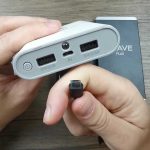
To charge a solar power bank quickly, simply place it in direct sunlight and connect your device using the USB port once it’s sufficiently charged. For faster results, use the original charging cable and ensure the solar panels are clean and unobstructed. Keep in mind, the best way to keep your solar power bank ready for use is by exposing it to sunlight daily, especially during sunny days.
A solar power bank charges by harnessing sunlight through its built-in solar panels, converting solar energy into electrical power stored in its battery. To charge it effectively, position the bank in direct sunlight and connect your devices once the power bank indicates it’s charged. Proper maintenance, such as cleaning the solar panels, can also boost charging efficiency.
Getting your solar power bank ready for your next adventure is easier than you think! Simply leave it exposed to sunlight during the day, especially in bright, direct sun, and it will slowly but steadily accumulate enough energy. When you need to power your devices, just connect them via USB, and enjoy the eco-friendly convenience of solar energy wherever you go!

How to Charge Solar Power Bank: A Complete Guide
Charging a solar power bank properly is essential to keep your devices powered up wherever you go. Solar power banks are eco-friendly and convenient, but understanding how to charge them effectively ensures they work efficiently for a long time. In this guide, you’ll learn step-by-step methods, tips, and important considerations for charging your solar power bank correctly.
Understanding Your Solar Power Bank
Before diving into charging techniques, it’s important to know your specific model’s features. Different solar power banks come with various specifications like capacity, input/output ports, and solar panel size. Check the user manual or manufacturer’s instructions for details about charging methods and limitations.
Key terms to remember include capacity measured in milliampere-hours (mAh) and watt-hours (Wh). A higher capacity generally means longer device usage but may require more time to fully charge. Recognizing the compatibility of your power bank with your devices ensures optimal charging.
Why Proper Charging Matters
Correct charging extends your power bank’s lifespan. Overcharging or improper methods can damage internal batteries and reduce efficiency. Proper charging also ensures your power bank maintains maximum capacity for emergency situations or outdoor adventures.
Additionally, correctly charging your solar power bank maximizes the use of solar energy, conserving battery health, and reducing the need for frequent recharges.
Methods to Charge Your Solar Power Bank
Using Solar Energy
This is the most eco-friendly and portable method. Place your solar power bank in direct sunlight for several hours. The solar panel absorbs sunlight and converts it into electrical energy, which charges the battery.
For optimal results, position the solar panel to face the sun directly. Keep the power bank in a clean, unobstructed area free from shade or dirt to maximize sunlight absorption.
Charging via Wall Outlet
Many solar power banks include an optional AC charging port. Connect the power bank to a wall socket using the provided charging cable for a quick and reliable recharge.
This method is suitable when sunlight is insufficient or during night time. It also helps when you need to fully charge your power bank in the shortest time possible.
Charging with USB Devices
Some models allow charging through a computer or other USB power sources. Simply connect your solar power bank to a USB port using the right cable and let it charge.
This method is slow but useful when other power sources are unavailable. It also helps top off the charge after initial solar or wall charging.
Factors Affecting Charging Efficiency
Solar Panel Size and Quality
The size and quality of the solar panel directly impact charging speed. Larger panels gather more sunlight, leading to a faster charge. Look for models with high-quality, monocrystalline panels for better efficiency.
Sunlight Intensity and Angle
Bright, direct sunlight provides the most energy for your solar panel. The angle of the panel relative to the sun matters—adjust the panel throughout the day for maximum exposure.
Weather Conditions
Cloudy, rainy, or snowy weather reduces sunlight exposure, slowing down the charging process. During such conditions, consider alternative charging methods.
Battery Temperature
Extreme temperatures can affect battery performance. Keep your power bank at room temperature for faster and safer charging.
Best Practices for Charging Your Solar Power Bank
- Charge in Direct Sunlight: Place your power bank in a sunny area, avoiding shade or obstructions.
- Use Appropriate Cables: Use the cables provided or recommended by the manufacturer for safe charging.
- Avoid Overexposure: Do not leave your power bank in the sun for extended periods beyond what is necessary.
- Maintain Solar Panel Cleanliness: Regularly clean the solar panel with a soft cloth to remove dirt, dust, or debris that can block sunlight.
- Monitor Charging Status: Use your power bank’s indicator lights or digital display to track charging progress.
Tips for Maximizing Solar Charging Efficiency
Optimize Sunlight Exposure
Place the solar panel at an angle that captures the most sunlight specific to your location and the time of day. Use adjustable mounts or stands to fine-tune the angle.
Charge During Peak Hours
The best sunlight occurs between 10 a.m. and 4 p.m. during these hours, your solar panel will mainly generate the maximum amount of electricity.
Combine Charging Methods
Use a hybrid approach by charging your power bank with solar energy during the day and plugging it into a wall outlet at night. This ensures your power bank remains ready to go at all times.
Safety Tips During Charging
- Avoid Damaging Cables: Inspect cables regularly and replace frayed or damaged ones to prevent electrical hazards.
- Keep Away from Water: Do not expose your power bank or its charging area to rain or moisture.
- Do Not Overcharge: Unplug your power bank once fully charged to prevent battery damage.
- Use Certified Products: Only use chargers and cables approved by the manufacturer.
Additional Considerations for Effective Charging
If your solar power bank has a capacity of more than 10,000 mAh, expect longer charging times, especially with solar alone. Patience is key—allow several hours for a full charge in optimal sunlight.
Consider purchasing a power bank with a fast-charging feature if you need quick recharges. Also, check if your device supports quick charging to maximize efficiency.
Summary of Charging Steps
| Step | Action | Notes |
|---|---|---|
| 1 | Place the solar power bank in direct sunlight | Ensure unobstructed exposure to sunlight for best results |
| 2 | Connect to a power source if available | Use wall outlets or USB cables for faster charging |
| 3 | Monitor the charging indicator | Stop charging once fully charged to prolong battery life |
| 4 | Maintain and clean the solar panel regularly | Ensure maximum efficiency over time |
Charging your solar power bank correctly involves understanding its features, choosing the right method based on circumstances, and maintaining it well. With patience and proper care, your device will serve you reliably whether you’re on a camping trip, hiking adventure, or simply away from power outlets. Remember, consistency in following best practices ensures your solar power bank remains functional and effective for all your power needs.
Solar recharging power bank! Lights, USB phone charger!
Frequently Asked Questions
What is the best way to connect my solar power bank to a power source for initial charging?
Use the provided charging cable and connect the solar power bank to a reliable power source such as a wall outlet or a USB port on your computer. Ensure the connection is secure, and allow the device to charge until it reaches full capacity, indicated by the status lights or an indicator on the device.
How long does it typically take to fully charge a solar power bank using an electrical outlet?
The charging time varies depending on the capacity of the power bank and the power source’s output. Generally, it takes between 4 to 8 hours to fully charge a typical solar power bank from a standard wall outlet. Check your device’s specifications for more precise timings.
Can I charge my solar power bank using sunlight directly, and if so, how should I do it?
Yes, you can charge your solar power bank with sunlight. Place it outdoors in direct sunlight, ideally during peak hours, ensuring the solar panels face the sun directly. Keep the device at an angle that maximizes sunlight exposure and avoid shading for the best charging efficiency.
Is it necessary to fully drain the power bank before charging it again?
No, it is not necessary to fully deplete the solar power bank before recharging. Regularly topping it up when needed helps maintain battery health. Avoid letting the battery stay completely discharged for long periods to preserve its lifespan.
What precautions should I take when charging my solar power bank outdoors?
Protect the device from extreme weather conditions like rain or snow, and avoid exposure to excessive heat or direct sunlight for extended periods during charging. Use the solar panels in optimal sunlight conditions and ensure the device is placed on a stable surface to prevent falls or damage.
Final Thoughts
Pour charger un power bank solaire, exposez-le à la lumière directe du soleil pendant plusieurs heures. Utilisez le câble fourni pour connecter le power bank à une source d’énergie si une charge rapide est nécessaire. Vérifiez régulièrement le niveau de batterie pour éviter une décharge totale.
Pour assurer une durée de vie optimale, évitez de charger votre power bank solaire sous des températures extrêmes. Veillez également à positionner le panneau solaire pour maximiser la captation de lumière.
En résumé, comment charger solar power bank repose sur une exposition fréquente à la lumière et une connexion appropriée. Suivez ces étapes simples pour maintenir votre appareil prêt à l’emploi.