Short Answer: Nope, not usually! For most Bluetooth speakers, the rumble from bass won’t mess with how they work or sound. They’re built tough! But, super loud bass on a flimsy speaker might cause tiny wobbles. We’ll dive into what really matters for great sound!
Hey there, tech explorer! So, you’re wondering about those awesome Bluetooth speakers and how they handle a good bass beat. It’s a great question, especially when you’re cranking up your favorite tunes or diving into an epic movie. We all love that deep, powerful sound that makes you feel the music, right?
Sometimes, when the bass hits hard, you might notice the speaker doing a little dance or feeling a bit… wobbly. It makes you think, “Is this hurting my speaker? Is the sound going to get weird?” It can be a bit confusing when you see all those technical specs and wonder what they really mean for your everyday listening.
Don’t sweat it! We’re here to clear things up. Think of me as your friendly guide to all things tech, making it simple and fun. We’ll break down exactly how bass vibrations play (or don’t play!) a role in your Bluetooth speaker’s performance. Let’s get started on this sound adventure!
Let’s Talk About Sound and Vibrations
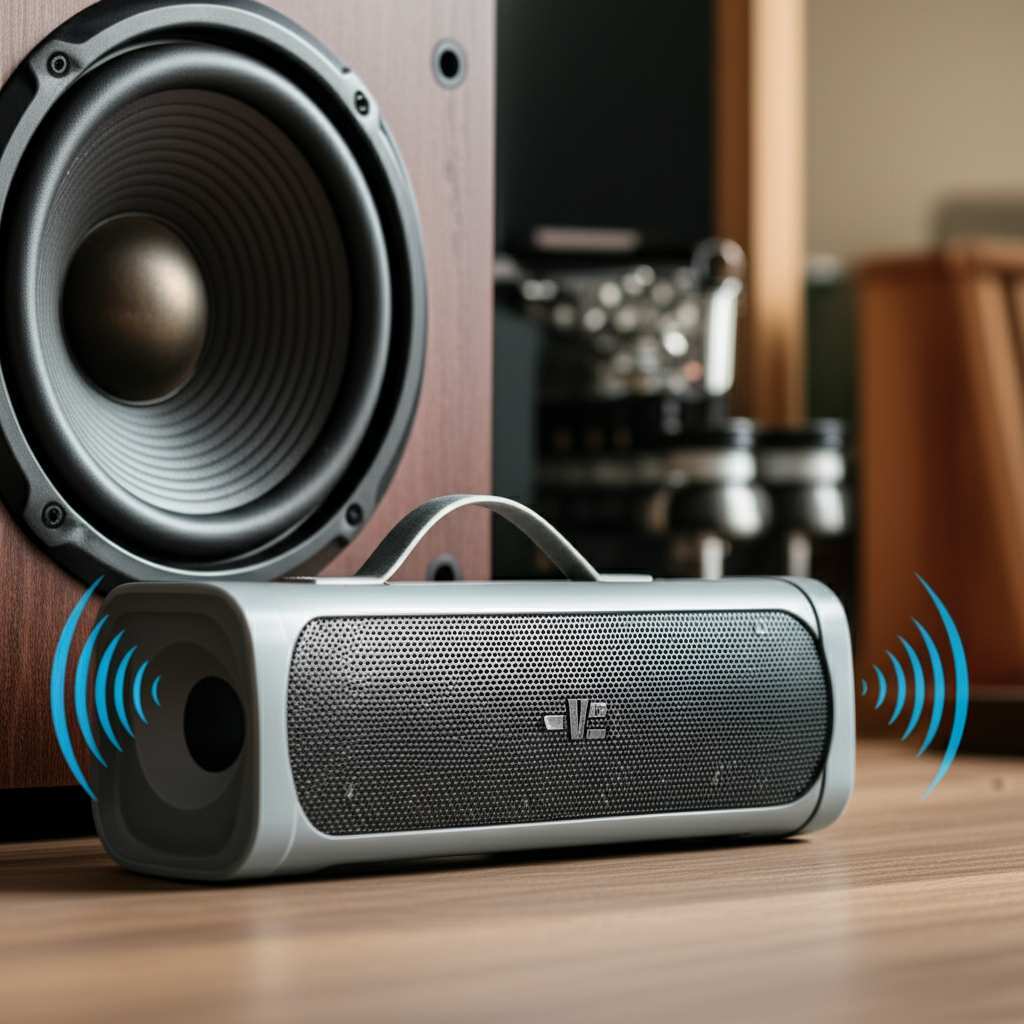
When a Bluetooth speaker plays music, it’s like a tiny orchestra inside. The speaker drivers are like the musicians. They move back and forth really fast to create sound waves. Low notes, like bass, need the drivers to move a lot more air.
This big movement can cause the whole speaker, or the surface it’s sitting on, to vibrate. It’s totally normal! It means the speaker is working hard to give you that deep, rich sound you love. Think of a subwoofer in a home theater system – it’s designed to shake things up a bit!
So, the vibration itself isn’t usually a bad thing. It’s a sign of power and good bass response. The real question is whether these vibrations can actually harm the speaker or degrade the sound quality in a noticeable way. Let’s dig deeper!
Why Bass Makes Things Vibrate
Bass notes are the lowest frequencies in music. They have longer sound waves. To reproduce these long waves, the speaker cone (the part that moves) has to move further and with more force than it does for higher notes.
Imagine pushing a swing. To make a big arc, you need to push harder and let it swing further. Speaker cones work similarly. When they push and pull air to create bass, they create pressure waves. These waves can make the speaker cabinet and the surface it’s on shake.
This is especially true for speakers that are designed for powerful bass. They often have larger drivers and more robust cabinets to handle the energy. Smaller, more portable speakers might show these vibrations more obviously because they have less mass to absorb them.
Can Bass Vibration Actually Hurt Your Bluetooth Speaker?
For the most part, no, your Bluetooth speaker is built to handle it. Manufacturers design these devices with durability in mind. They know you’ll want to blast your tunes, and that includes bass!
The internal components are usually well-secured. The drivers are mounted firmly. The casing is designed to be sturdy. So, the normal vibrations from bass won’t shake anything loose or break it.
However, there are a couple of edge cases. If a speaker is poorly made, or if you’re pushing it to extreme, unrealistic volumes for extended periods, then you might eventually cause some wear and tear. But for everyday listening at reasonable volumes, you’re perfectly safe.
When Vibration Might Be a Sign of Trouble
While rare, there are times when excessive vibration could hint at a problem. This usually isn’t just about the bass itself, but about how the speaker is put together or how it’s being used.
Distorted Sound: If the bass vibrations are accompanied by crackling, buzzing, or distorted sounds, something might be wrong. This could mean a driver is damaged, a connection is loose inside, or the speaker is being overloaded.
Physical Damage: If you see visible rattling or shaking that seems excessive, or if the speaker feels like it’s falling apart, that’s a clear sign something isn’t right. This could happen if the speaker has been dropped or mishandled.
Surface Resonance: Sometimes, the vibration isn’t from the speaker itself failing, but from the surface it’s on. A hollow or thin surface can amplify vibrations, making them seem worse than they are. This is like putting a phone on a hollow table – it rattles much more!
Factors Affecting How Much You Notice Vibration
Several things can make you notice bass vibrations more (or less!) from your Bluetooth speaker. It’s not just about the bass; it’s a mix of the speaker and its surroundings.
Speaker Design and Build Quality
This is a big one. A well-built speaker will feel more solid. It uses good materials for its casing and has sturdy internal mounting for its drivers.
- Cabinet Material: Speakers made from denser materials like wood or thick plastic tend to absorb vibrations better than thin, flimsy plastic.
- Driver Mounting: How securely the speaker drivers are attached to the cabinet matters. If they’re loose, they’ll rattle.
- Porting: Some speakers have ports (holes) to enhance bass. The design of these ports can sometimes affect how vibrations are perceived.
- Internal Damping: Higher-end speakers often have materials inside their cabinets to absorb unwanted sound waves and vibrations.
Speaker Size and Power
Larger speakers with bigger drivers can often produce more powerful bass. This naturally means they might vibrate more, but a larger, heavier cabinet can also absorb this better.
A small, portable speaker trying to produce very deep bass might vibrate more noticeably because it has less mass to counteract the forces from the driver. It’s physics!
Volume Level
The louder you play your music, the more your speaker drivers have to work. This means more movement and, consequently, more vibration. Pushing a speaker to 100% volume constantly can stress it more than playing it at 50%.
For example, a speaker might be perfectly stable at 70% volume, but at 100% with heavy bass, you might notice it vibrating more. This is normal behavior as it’s working at its maximum capacity.
The Surface It’s On
This is super important and often overlooked! A speaker placed on a solid, heavy surface will vibrate less noticeably than one on a thin, hollow, or wobbly surface.
- Solid Surfaces: A granite countertop or a sturdy wooden table will absorb vibrations well.
- Hollow Surfaces: An empty cardboard box or a thin metal shelf can amplify vibrations and make them seem much worse.
- Placement: Placing a speaker near the edge of a surface can also increase perceived vibration.
Does Vibration Affect Sound Quality Directly?
This is where things get interesting. For most everyday users, the vibrations you feel are unlikely to cause a noticeable drop in sound quality. The drivers are designed to move air to create sound, and that movement is vibration.
However, in very high-fidelity audio systems or for audiophiles, excessive cabinet vibration can technically affect sound. This is because the cabinet itself can start to resonate and produce its own unwanted sounds (called “coloration”).
Think of it like this: if a guitar body rattles while you play, it can add a strange hum to the music. In a good speaker, the cabinet is designed to be as inert as possible, meaning it doesn’t vibrate much itself. This allows the drivers to produce clean sound without interference.
For your typical Bluetooth speaker, especially portable ones, the cabinet is usually a compromise between cost, size, and sound. So, while a little cabinet vibration might happen, it’s usually not enough to ruin your listening experience.
Bluetooth Connectivity and Vibration
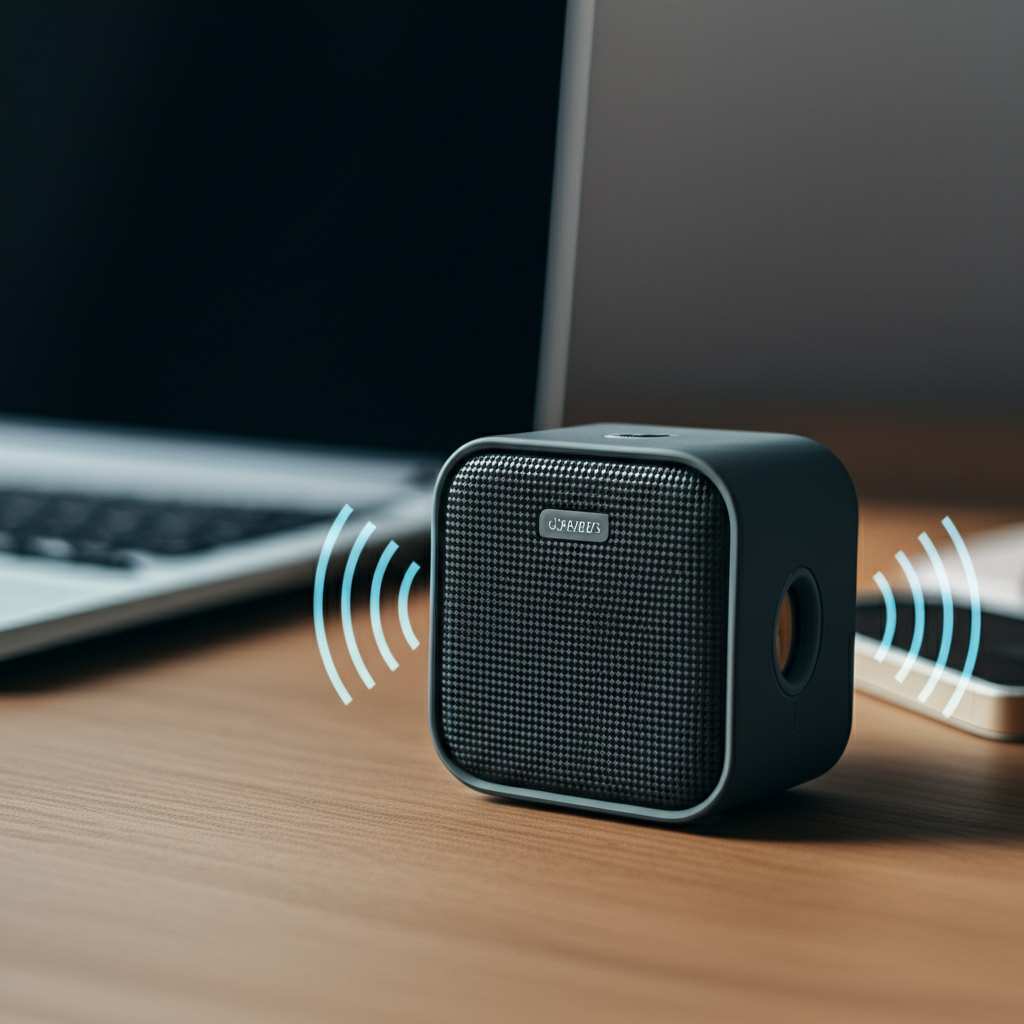
Now, let’s talk about the “Bluetooth” part. Does the physical vibration from bass affect the wireless connection? The short answer is: very, very unlikely.
Bluetooth technology works by sending radio waves. These waves are not affected by the physical shaking or rattling of the speaker. The connection is based on electronics and radio frequencies, not the physical movement of the speaker components.
So, you don’t need to worry about your music cutting out or the connection dropping just because the bass is pounding. The wireless signal is a separate system from the sound-producing parts.
What to Look for in a Speaker for Good Bass Performance
If you love bass, here are some things to consider when choosing a Bluetooth speaker. It’s all about balancing power with good design!
Key Features for Bass Lovers
- Driver Size: Larger drivers (e.g., 3 inches or more for the woofer) can often move more air, leading to deeper bass.
- Passive Radiators: Some speakers use passive radiators instead of or in addition to ports. These are unpowered cones that vibrate with the bass, enhancing the low-end response. They can sometimes be visible and might wobble.
- Power Output (RMS): Look for the RMS (Root Mean Square) wattage, which indicates continuous power handling. Higher RMS generally means more potential for strong bass.
- Frequency Response: A speaker with a lower minimum frequency (e.g., 50Hz or lower) will be able to reproduce deeper bass notes.
- Build Quality: As we discussed, a solid, well-constructed cabinet is crucial for managing vibrations.
Portable vs. Home Speakers
There’s a trade-off. Portable speakers are designed for convenience and battery life. They might sacrifice some bass depth or cabinet solidity for size and weight.
Home Bluetooth speakers (often larger and plugged into the wall) can typically offer much more powerful bass and better vibration management because they don’t have the same size and power constraints.
Real-World Scenarios: Bass on the Beach
You mentioned “on the beach” – that’s a great scenario! When you’re out and about, especially in open spaces like a beach, you might want a speaker that can really project sound and handle bass without being overpowering.
The Challenge: Sand, water, and wind are factors. Also, you might be placing your speaker on a towel or directly on the sand. These surfaces are not ideal for stable placement and can amplify any vibrations.
What to Expect: A good portable speaker designed for outdoor use will likely have decent bass. You might notice it vibrating more if it’s on a soft towel. The wind might also carry sound differently.
Tips for Beach Bass:
- Place your speaker on a stable, flat surface if possible (like a cooler lid or a beach chair).
- Consider speakers with good water and dust resistance (IP ratings).
- Look for models known for their robust build, even if they are portable.
For example, speakers like the JBL Charge or Flip series are popular for their durability and decent bass output for their size. They’re built to withstand some outdoor fun!
Quick Comparison: Speaker Types and Bass Vibration
Let’s look at how different types of Bluetooth speakers might handle bass vibration. This isn’t about specific models, but general trends.
| Speaker Type | Typical Bass Vibration | Notes |
|---|---|---|
| Ultra-Portable (e.g., <$50) | Noticeable, especially at higher volumes. | Often uses smaller drivers and lighter plastic. Bass can sound tinny or distorted if pushed. |
| Mid-Range Portable (e.g., $100-$200) | Moderate, well-managed. | Better build quality, larger drivers or passive radiators. Good balance of portability and bass. |
| Rugged/Outdoor Portable | Moderate, often designed to minimize rattle. | Focus on durability. Bass is usually present but might be tuned for clarity over sheer depth. |
| Larger Home Bluetooth Speaker | Minimal, well-controlled. | Heavier cabinets, more powerful amps, and larger drivers allow for deep bass without excessive cabinet vibration. Often plugged in. |
| High-Fidelity/Audiophile Bluetooth Speaker | Very minimal, almost imperceptible. | Premium materials, advanced engineering to prevent cabinet resonance. Focus on pure sound reproduction. |
As you can see, the size and intended use of the speaker play a big role! A bigger, more expensive speaker is generally engineered to handle bass vibrations more effectively, leading to cleaner sound.
Maximizing Your Speaker’s Performance
Want to get the best sound and keep your speaker happy? Here are some easy tips:
Placement is Key
This is probably the easiest way to improve sound and reduce perceived vibration.
- Avoid Corners: Placing a speaker in a corner can sometimes over-emphasize bass, making vibrations seem stronger.
- Solid Surfaces: Always put your speaker on a sturdy, flat surface.
- Use a Mat: A small piece of foam or a rubber mat under your speaker can significantly dampen vibrations.
Don’t Overdo It
While speakers are durable, constantly pushing them to their absolute limit can shorten their lifespan. Play your music loud enough to enjoy, but if you notice extreme distortion or rattling, it might be time to turn it down a notch.
Keep it Clean
Dust and debris can sometimes get into speaker grilles or ports. While unlikely to affect bass vibration directly, keeping your speaker clean ensures all its parts can function as intended.
Software Updates
Some Bluetooth speakers receive firmware updates. These can sometimes optimize sound profiles or improve performance. Check the manufacturer’s app or website!
Common Questions About Bass and Speakers
Let’s tackle some questions you might still have!
Q1: Will playing bass-heavy music damage my Bluetooth speaker?
A1: For most modern, well-built Bluetooth speakers, playing bass-heavy music at normal listening volumes won’t cause damage. They are designed to handle it. Extreme volumes for very long periods could cause wear, but it’s rare for typical use.
Q2: Why does my speaker rattle when the bass hits?
A2: This could be a few things! The surface it’s on might be amplifying vibrations. Or, the speaker itself might have a slightly less rigid cabinet or a loose internal component. It’s often more noticeable on smaller, lighter speakers.
Q3: Can I use my Bluetooth speaker underwater with bass?
A3: If your speaker is waterproof (check its IP rating!), you can use it near or even in water. However, sound travels differently underwater, and the bass performance might change. Also, water can muffle sound, so vibrations might seem less intense.
Q4: Does vibration affect the Bluetooth connection?
A4: No, the physical vibration of the speaker doesn’t impact the wireless Bluetooth signal. The connection is based on radio waves, which are unaffected by the speaker’s movement.
Q5: Should I worry if my speaker gets warm when playing loud bass?
A5: It’s normal for speakers to get a little warm, especially when working hard with loud bass. However, if it becomes excessively hot to the touch, that could indicate an issue. Always ensure good ventilation.
Q6: What’s the best way to test if a speaker has good bass without damaging it?
A6: Listen to a variety of music with known bass content at moderate volumes. Pay attention to clarity, depth, and whether the speaker sounds strained or distorted. Also, feel the cabinet – a solid feel is good!
Q7: How do passive radiators contribute to bass and vibration?
A7: Passive radiators are unpowered speaker cones that vibrate in response to the air pressure changes from the main woofer. They help boost bass output without needing more power or a bigger port. They are designed to vibrate, so seeing them move is usually a good sign they’re working!
Wrapping Up: Enjoy Your Bass!
So, there you have it! The rumble from bass in your Bluetooth speaker is usually a sign that it’s doing its job well. For the vast majority of speakers and listening situations, you don’t need to worry about bass vibrations causing harm or significantly degrading sound quality.
We’ve learned that speaker design, volume, and placement all play a part in how much you notice these vibrations. And remember, your Bluetooth connection is safe from the shake! If you want the best bass experience, focus on choosing a speaker with good build quality and consider where you place it.
Don’t be afraid to crank up those bass-heavy tracks. Whether you’re chilling on the beach or hosting a party, your speaker is likely ready for the challenge. Now go enjoy amazing sound and make every moment louder and better!