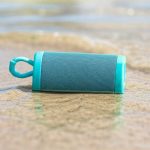
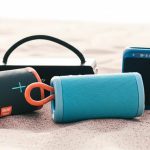
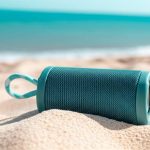
Looking for the perfect beach Bluetooth speaker? Focus on waterproof, dustproof, and shockproof features to keep the music going, no matter the sand, splashes, or accidental drops!
Hey there, tech explorer! You know that feeling when you’re at the beach, the sun is shining, and all you want is your favorite tunes to set the mood? Music just makes everything better, right? But then you think about bringing your speaker near the water, sand, or maybe even a clumsy moment. It can feel a little scary, like you need a degree in tech to pick the right one.
Don’t worry, my friend! Picking a great beach Bluetooth speaker doesn’t have to be complicated. We’re going to walk through it together, like we’re picking out ice cream on a hot day. I’ll explain all the cool features that matter most, so you can grab a speaker and just enjoy the good vibes.
Ready to dive in and find your perfect audio companion for sunny days? Let’s break it down, step by step!

Why Your Beach Speaker Needs to Be Tough
Imagine this: you’re setting up your beach spot. You’ve got your towel, your sunscreen, and your awesome new Bluetooth speaker. Then, a rogue wave comes a little too close, or maybe a gust of wind sends sand flying everywhere. Uh oh!
This is where special features really shine. A regular speaker might not survive these beach day adventures. But a speaker designed for the outdoors? That’s a whole different story. It’s built to handle a little (or a lot!) of rough and tumble.
Think of it like packing for a trip. You wouldn’t pack a fancy suit for a hiking trip, would you? You pack clothes that can handle the trail. The same goes for your beach speaker! It needs to be ready for sun, sand, and splashes.
Let’s Talk About Sound: What Matters Most
Before we get into the tough stuff, let’s touch on sound. After all, we want music that sounds great, not just survives the beach!

Sound Quality: Clear Tunes for Sunny Days
You want a speaker that plays your music loud and clear. Even with the sound of waves and chatter, your favorite songs should still sound amazing. Look for speakers that offer a good balance of bass, mids, and treble.
Some speakers might sound tinny or muddy. Others will fill your space with rich, full sound. Reading reviews can help you get an idea of how a speaker truly sounds in real-world situations, not just in a quiet lab.
Volume: Keeping the Party Going
At the beach, background noise can be a big problem. You need a speaker that can get loud enough to be heard over the crashing waves and happy chatter. Don’t just look at the wattage; sometimes, how a speaker is designed makes a big difference in how loud it can get without sounding distorted.
A speaker that can go from a chill background vibe to a party-starter volume is super handy. You’ll want to test this out if you can, or check what other users say about its maximum volume.

The Beach-Proof Essentials: Your Must-Have Features
Okay, now for the really important stuff for beach life! These features are what make a speaker truly “beach-ready.”
Waterproof Ratings: Your Speaker’s Superhero Cape
This is probably the most critical feature for any beach speaker. Water is everywhere at the beach – from accidental splashes to full submersion if it falls in the sand near the water.
You’ll see something called an “IP rating.” This looks like “IPX7” or “IP67.” The “IP” stands for “Ingress Protection.” The numbers tell you how well the speaker is protected from solids (like dust) and liquids (like water).
The First Number (Solids): This usually goes from 0 to 6. A ‘6’ means it’s totally dustproof. We’ll talk more about this in a bit!
The Second Number (Liquids): This is super important for water. It goes from 0 to 9.
IPX4: Protected against splashes from any direction. Good for light rain.
IPX5: Protected against water jets. Think a gentle hose.
IPX6: Protected against strong water jets. Like a powerful hose.
IPX7: Can be submerged in water up to 1 meter (about 3 feet) for 30 minutes. This is usually your sweet spot for beach speakers. It means if it takes a dip, it should be okay!
IPX8: Can be submerged deeper and for longer than IPX7. This is the ultimate in waterproofing.
Pro Tip: Always check the specific details of the IP rating. “Water-resistant” isn’t the same as “waterproof.” You want that solid “waterproof” rating, usually IPX7 or higher, for peace of mind.
Dustproof: Sand is Everywhere!
Beaches are notoriously sandy places. Sand can get into tiny openings and damage electronics. That’s why a dustproof rating is also a big deal.
If you see an IP rating with a ‘6’ as the first number (like IP67 or IP66), that means it’s totally dustproof. This is awesome because you can set your speaker down anywhere without worrying about sand sneaking in. No more cleaning out speaker grilles!
Shockproof and Rugged Design: For the Clumsy Moments
Let’s be honest, beach days can sometimes involve accidental bumps or drops. Maybe it slips off a picnic blanket, or someone trips nearby. A speaker with a shockproof or rugged design can handle these little mishaps.
This often means a rubberized exterior or a strong casing that can absorb impacts. It’s like giving your speaker a protective bumper. This feature can save your speaker from a cracked casing or internal damage.
Beyond the Beach Essentials: Other Handy Features
While waterproofing and durability are key, other features can make your beach speaker even better.
Battery Life: Music All Day Long
You don’t want your music to die halfway through your beach day! Look for speakers with long battery life. Many good beach speakers offer 10-20 hours of playtime on a single charge.
Some speakers even have a “power bank” feature. This means you can use your speaker to charge your phone! How cool is that? It’s like having a portable charger that also plays your tunes.
Portability and Size: Easy to Carry
You need to carry your speaker to and from the beach. Most beach Bluetooth speakers are designed to be portable. They are often compact and lightweight.
Some have built-in straps or carabiner clips. This makes it super easy to attach them to a beach bag or backpack. You can even hang them from an umbrella!
Connectivity: How You Pair Up
Most Bluetooth speakers use Bluetooth to connect to your phone or tablet. Look for Bluetooth 4.0 or higher for a more stable and efficient connection.
Some speakers also offer:
Multi-point connection: Connect two devices at once. You and a friend can take turns playing DJ!
Stereo Pairing: Connect two identical speakers for a true stereo sound experience. This really fills the space with music.
Built-in Microphone: Take Calls on the Go
Some speakers have a built-in microphone. This lets you take phone calls hands-free directly from your speaker. It’s a handy feature if you’re expecting important calls. Just make sure the speaker is in a safe, dry spot before you answer!
App Control: Fine-Tune Your Sound
A few higher-end speakers come with a companion app. This app lets you adjust EQ settings, update the speaker’s firmware, or even control multiple speakers. It’s a nice extra if you like to tinker with your audio settings.
Comparing Popular Beach Speaker Features
Let’s look at how some common features stack up. This table gives you a quick idea of what to expect and what’s important.
| Feature | Why It’s Great for the Beach | What to Look For |
|---|---|---|
| Waterproof Rating (IPX) | Protects against splashes, rain, and even full submersion. Essential for beach environments. | IPX7 or higher for submersion. IPX5/IPX6 for strong jets. |
| Dustproof Rating (IP#) | Keeps sand and fine dust out of speaker components. Beach sand is sneaky! | First number in IP rating should be 6 (e.g., IP67). |
| Shockproof/Rugged Design | Absorbs impacts from accidental drops or bumps. Beach terrain can be uneven. | Rubberized edges, reinforced corners, durable materials. |
| Battery Life | Ensures music plays all day without needing a recharge. Long beach days need long battery life. | 10-20+ hours is ideal. Look for fast charging too. |
| Portability | Easy to carry in your beach bag or clip onto gear. | Compact size, lightweight, carrying straps, carabiner clips. |
See? It’s all about balancing what you need. For the beach, those first three are your rockstars. The others are great bonuses that make your experience even smoother.
Here’s a little more detail on what those IP ratings really mean in practice:
| IP Rating | Protection Against | Beach Relevance |
|---|---|---|
| IPX4 | Splashes from any direction. | Minimal. Okay for a light mist, but not much else. |
| IPX5 | Water jets (like a gentle hose). | Better, but still not ideal for accidental drops in water. |
| IPX6 | Strong water jets. | Good for strong splashes, but still not submersion proof. |
| IPX7 | Immersion in up to 1 meter of water for 30 mins. | Excellent! This is what you want. Can handle accidental drops in shallow water. |
| IPX8 | Deeper and longer submersion than IPX7. | The best! Maximum peace of mind. |
When you see a speaker with a rating like IP67, it’s a real winner. The ‘6’ means it’s totally protected from dust, and the ‘7’ means it can take a dip. That’s a serious combo for beach fun!
Real-World Examples: Speakers That Shine
Many brands make fantastic beach Bluetooth speakers. You’ll find great options from companies like JBL, Sony, UE (Ultimate Ears), and Bose. For example, the JBL Charge series is often praised for its durability and sound quality. UE Boom speakers are known for their 360-degree sound and rugged design.
These speakers aren’t just about surviving the elements; they’re designed to enhance your outdoor experiences. Think about a speaker that can float if it falls in the water, or one that’s so loud it can be heard from your beach chair to the water’s edge. That’s the kind of magic these gadgets offer!
For more in-depth reviews and comparisons, sites like CNET and TechRadar are fantastic resources. They test speakers rigorously, so you can trust their findings.
Tips for Keeping Your Beach Speaker Happy
Even the toughest speaker needs a little care. Here are some quick tips:
Rinse After Use: After a day at the beach, rinse your speaker with fresh water to remove any salt or sand residue.
Dry Thoroughly: Make sure the speaker is completely dry before charging it, especially if it has exposed ports.
Check Ports: Keep charging ports and aux ports covered when not in use to prevent sand and water from getting in.
* Read the Manual: Every speaker is a little different. Your manual will have specific care instructions.
Frequently Asked Questions (FAQ)
Got more questions? Here are some common ones beginners ask!
Q1: Can I really dunk my beach speaker in water?
A: If your speaker has an IPX7 or IPX8 rating, then yes! It’s designed to handle being submerged in water for a certain amount of time and depth. Always check the specific rating to be sure.
Q2: What does “rugged” mean for a speaker?
A: “Rugged” usually means the speaker is built tough. It often has a rubberized exterior, reinforced corners, and materials that can withstand drops and impacts better than a standard speaker. It’s made for outdoor adventures!
Q3: How do I know if my speaker is dustproof?
A: Look for an IP rating where the first digit is a ‘6’. So, something like IP67 or IP66. This means it’s completely sealed against dust and fine particles.
Q4: Do I need a speaker that floats?
A: It’s not essential for all beachgoers, but if you spend a lot of time near the water or are worried about dropping your speaker in, a floating speaker is a great safety feature! It prevents it from sinking to the bottom.
Q5: Can I use my beach speaker in the shower?
A: Absolutely! If your speaker has a good waterproof rating (like IPX5 or higher), it’s perfect for bringing music into the shower. Just make sure it’s not directly hit by a powerful stream of water for too long, unless it has a very high rating.
Q6: How can I make my speaker sound better at the beach?
A: Position your speaker facing you, ideally off the sand and slightly elevated. If it has 360-degree sound, placing it in the center of your group works well. Also, if it has EQ settings via an app, boost the mids and treble a bit to cut through background noise.
Q7: What’s the difference between waterproof and water-resistant?
A: “Water-resistant” means it can handle some exposure to water, like light rain or splashes. “Waterproof” means it’s designed to be submerged in water for a specified time and depth. For the beach, you really want “waterproof” (IPX7 or higher).
Ready for Your Next Beach Adventure!
So there you have it! Picking out an amazing beach Bluetooth speaker is all about understanding a few key features. You want something that can handle the water, the sand, and maybe a little bump here and there.
Remember to look for those IP ratings – especially IPX7 for waterproofing and that ‘6’ for dustproofing. A rugged design is a big bonus for those unpredictable beach moments. And of course, great sound and long battery life will make your music experience even better.
You’ve got the knowledge now to choose a speaker that’s not just a gadget, but a reliable friend for all your sunny adventures. Go out there, explore your options, and get ready to fill your beach days with fantastic sound!
Now go enjoy amazing sound and make every moment louder and better!