Looking for the perfect beach Bluetooth speaker? This guide makes it super easy! We’ll show you what to look for – think waterproof, tough, and with great sound – so you can blast your tunes by the waves without any worries. Let’s dive in!
Hey there, tech explorers! Max here from AffTechy.com. You know how music just makes everything better? Especially at the beach! Imagine this: the sun is shining, the waves are crashing, and your favorite playlist is filling the air. But then comes the worry – will my speaker survive the sand and splashes? Picking the right Bluetooth speaker for beach days can feel like a puzzle, with all those different features and terms.
Don’t sweat it! That’s exactly why I’m here. I love gadgets, and I want to make sure you can enjoy yours without any stress. We’re going to break down exactly what makes a Bluetooth speaker awesome for beach adventures. No confusing jargon, just clear, friendly advice.
So, grab your shades and get ready. We’re going to walk through this together, step by step. Let’s make sure your next beach trip has the perfect soundtrack!
Why Your Beach Speaker Needs Special Powers
The beach is a fun place, but it’s tough on electronics. Sand gets everywhere, salty water can cause damage, and the sun can be pretty intense. Your regular indoor speaker might not handle all that. That’s why beach speakers are built differently. They’re made to be tough and resilient.
Think about it: a speaker that can handle a splash from a rogue wave or survive a tumble in the sand is a lifesaver. You want a speaker that’s a party companion, not a source of anxiety. We’re looking for that sweet spot where great sound meets rugged durability.
This guide will help you find that perfect beach buddy. We’ll cover everything from how to keep sand out to how to get the best tunes going. You’ll be a beach speaker pro in no time!
What Makes a Speaker “Beach-Ready”? Key Features to Look For
When you’re shopping for a speaker to take to the beach, some features are more important than others. It’s not just about sound quality. You need it to be able to handle the elements. Let’s break down the must-haves for any beach-worthy Bluetooth speaker.
Waterproof and Dustproof Ratings: Your Speaker’s Super Suit
This is probably the most important thing for beach use. You’ll see numbers like “IPX7” or “IP67” on speaker descriptions. What do these mean? The “IP” stands for “Ingress Protection.” The first number is for dust, and the second is for water.
Here’s a simple breakdown:
IPX7: This means the speaker can be submerged in up to 1 meter (about 3 feet) of water for about 30 minutes. That’s great for accidental drops or splashes!
IP67: This is even better. The “6” means it’s totally protected against dust and sand. The “7” means it can handle submersion in water just like IPX7. This is your top pick for the beach!
Why is this so crucial? Sand is tiny and can get into speaker components, damaging them. Saltwater is even worse; it’s corrosive. A high IP rating means your speaker is sealed against these beach invaders. It’s like giving your speaker a superhero shield!
Durability and Build Quality: Ready for Adventure
Beyond water and dust, think about how tough the speaker’s body is. Is it made of sturdy plastic? Does it have rubberized edges or corners that can absorb shock if it gets dropped? Beach trips can be active, with kids running around or accidental bumps.
A speaker with a robust build will last longer and withstand the occasional mishap. Some speakers even float, which is a fun bonus if you plan on being near the water. Imagine your music floating along with you!
Battery Life: Keeping the Music Going All Day
Nothing kills a beach vibe faster than a dead speaker. You want a speaker that can last for your entire beach day, from your morning setup to your sunset chill. Look for speakers that advertise a long battery life, ideally 10-15 hours or more.
Some speakers also have a cool feature called “power bank” functionality. This means you can use your speaker to charge your phone or other devices. That’s super handy when you’re away from outlets and need to keep your phone alive for photos or calls.
Sound Quality: Louder and Clearer by the Sea
While durability is key, you still want your music to sound good! The sound of the ocean is great, but sometimes you want your tunes to be just as epic. For beach use, consider speakers that can get loud without distorting. The ambient noise of the beach – waves, wind, chatter – can drown out quieter speakers.
Also, think about bass. A good amount of bass can make your music feel more alive, even outdoors. Some smaller speakers struggle with this, so if deep bass is important to you, look for reviews that mention it.
Portability and Size: Easy to Carry
You’ll be carrying this speaker from your car to the sand, maybe to a picnic spot. It shouldn’t be too heavy or bulky. Many great beach speakers are compact and lightweight. They often have a carrying strap or loop, making them easy to hang from a beach chair or backpack.
Consider how you’ll transport it. Does it come with a protective case? Is it small enough to fit in your beach bag easily? These little things add up to a more convenient beach experience.
Let’s Talk Sound: What to Listen For
When you’re picking a speaker, how do you know if the sound is actually good? It’s more than just “loud.” Here’s a simple way to think about it.
Good sound means you can hear all the different parts of the music clearly. The vocals should be crisp, the instruments should sound distinct, and the bass should feel present without being muddy. For the beach, you want a speaker that projects sound well. This means the sound travels far and doesn’t get lost in the wind or waves.
Some speakers use special designs to help with this. For instance, 360-degree sound fills the area around the speaker with music. This is great for sharing music with a group on the sand. Others might have passive radiators, which are little things that help boost the bass.
Don’t be afraid to read reviews! Tech sites often describe the sound quality in detail. Look for descriptions like “clear highs,” “balanced mids,” and “punchy bass.” This gives you a good idea of what to expect before you buy.
Connectivity: How to Hook Up Your Music
Most speakers these days use Bluetooth to connect to your phone or tablet. This is super convenient because there are no messy wires. But there are a few things to keep in mind.
Bluetooth Version: Faster and More Stable
You’ll see numbers like Bluetooth 4.2 or Bluetooth 5.0. Newer versions are generally better. Bluetooth 5.0, for example, offers a longer range and a more stable connection. This means your phone can be further away from the speaker without the music cutting out.
A stable connection is vital at the beach. You don’t want your music to skip every time someone walks by. A longer range means you can leave your phone under your umbrella while the speaker sits closer to the water.
Pairing: Easy Does It
The process of connecting your phone to the speaker is called pairing. Most speakers are very easy to pair. You usually just turn the speaker on, put it in pairing mode (often by holding a button), and then select it from the Bluetooth list on your phone.
Some speakers have NFC (Near Field Communication) for even faster pairing. You just tap your phone to the speaker, and they connect. This is a neat little trick if your phone supports it!
Comparing Beach Speaker Features: What Stands Out?
To help you visualize what makes a great beach speaker, let’s look at a comparison table. This shows how different features stack up.
| Feature | Why it Matters for the Beach | What to Look For |
|---|---|---|
| Waterproof Rating | Protects against splashes, rain, and accidental drops in water. | IPX7 (good) or IP67 (best) |
| Dustproof Rating | Keeps sand and dust out of the speaker’s internal components. | A “6” in the IP rating (e.g., IP67) |
| Battery Life | Ensures music plays all day without needing a recharge. | 10+ hours for a full day out. |
| Durability | Withstands bumps, drops, and general beach activity. | Rubberized edges, sturdy casing, sometimes floating designs. |
| Sound Output | Needs to be loud enough to overcome ambient noise. | Look for clear sound, good bass, and potentially 360° audio. |
| Portability | Easy to carry to and from your beach spot. | Compact size, lightweight, carrying strap or handle. |
| Bluetooth Version | Stable connection and good range for your device. | Bluetooth 5.0 or higher recommended. |
See how many things go into making a speaker perfect for the beach? It’s a blend of resilience and performance. The IP rating is your first line of defense against the beach’s natural elements. Then, long battery life ensures the fun doesn’t stop.
Extra Features That Are Pretty Cool
Some speakers offer even more than the basics. Here are a few to keep an eye out for:
Stereo Pairing: Some speakers can connect to another identical speaker to create a true stereo sound. This means music sounds fuller and richer, like you’re at a concert.
Built-in Microphone: This allows you to use the speaker for hands-free calls. If your phone rings, you can answer it right through the speaker.
App Control: Some brands have smartphone apps that let you control EQ settings (bass, treble), update firmware, or manage multiple speakers.
Floating Capabilities: As mentioned, some speakers are designed to float. This is a fun and practical feature if you plan on spending time in the water.
Putting It All Together: How to Choose the Right One
Now that you know what to look for, let’s talk about how to actually pick your speaker. It’s a process, but a fun one!
Step 1: Set Your Budget
Bluetooth speakers come in all price ranges. You can find decent ones for under $50, while premium models can cost several hundred dollars. Decide how much you’re willing to spend before you start looking. This will help narrow down your options quickly.
Remember, sometimes paying a little more for a rugged, waterproof speaker means it will last longer and perform better in the long run. It’s an investment in your beach fun!
Step 2: Prioritize Key Features
Based on what we’ve discussed, rank the features by importance for your beach trips.
Is it absolutely essential that it’s fully waterproof (IP67)?
How long do you need the battery to last?
Is powerful bass a must-have, or is clear sound enough?
Your personal priorities will guide you. For instance, if you have young kids who are rough with things, durability and a high IP rating are probably at the top of your list. If you’re a music lover who wants the best sound, you might lean towards models known for audio quality, while still ensuring they’re beach-proof.
Step 3: Read Reviews and Watch Videos
Once you have a few potential speakers in mind, dive into reviews. Websites like CNET, TechRadar, and Wirecutter offer in-depth reviews of Bluetooth speakers. They often test them in real-world conditions, which is super helpful.
Pay attention to what reviewers say about sound quality, battery life, and how well the speaker holds up to water and dust. Videos can also be great to see the speaker’s size and build quality in person.
Step 4: Check the Specs Carefully
Don’t just look at the headline features. Dig into the product’s specifications.
Dimensions and Weight: Is it truly portable for you?
Bluetooth Version: Is it up-to-date (5.0 or higher is good)?
Driver Size: Larger drivers often mean better bass and fuller sound.
Power Output (Watts): This gives a general idea of how loud it can get, though it’s not the only factor.
Step 5: Consider Your Listening Habits
Do you usually listen to music alone, or do you host beach parties? If you’re often with a group, a speaker with 360-degree sound or the ability to pair with another speaker will be a big plus. If it’s just for you, a more directional speaker might be fine.
Think about the types of music you listen to. If you love bass-heavy genres like hip-hop or electronic music, seek out speakers known for strong low-end performance. If you prefer acoustic or classical music, clarity and detail might be more important.
Popular Beach-Friendly Speaker Brands and Models (Examples)
To give you some concrete ideas, here are a few types of speakers that are often great for the beach. Keep in mind that specific models change, but these brands consistently make solid choices.
JBL: Known for their rugged, portable speakers with good sound. Models like the Flip and Charge series are very popular for outdoor use and often have excellent water resistance.
UE (Ultimate Ears): These speakers are famous for being super durable and waterproof. They often have a distinctive cylindrical shape and deliver 360-degree sound. The BOOM and MEGABOOM lines are great examples.
Sony: Sony offers a range of portable speakers, some with impressive battery life and deep bass. Look for their EXTRA BASS line for punchy sound, and check their IP ratings carefully.
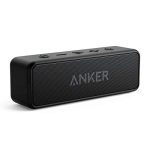
Anker: Anker is known for offering great value. Their Soundcore line often includes waterproof and durable options at a more budget-friendly price point.
Let’s imagine a quick comparison of two popular styles:
| Speaker Type | Key Strengths for Beach | Potential Downsides | Best For… |
| Compact & Rugged (e.g., JBL Flip, UE Wonderboom) | Highly portable, excellent water/dust proofing, durable. | May have less deep bass, can be outshined by larger speakers in very noisy environments. | Solo listening, casual beach outings, easy transport. |
| Larger & More Powerful (e.g., JBL Charge, UE Megaboom) | Louder output, often better bass, longer battery life. | Less portable, can be more expensive, might require more careful handling. | Group gatherings, beach parties, wanting to fill a larger space with sound. |
This table shows that the “best” speaker really depends on what you plan to do. The compact ones are super convenient, while the larger ones offer more oomph for a crowd.
Keeping Your Speaker Sand-Free and Happy
Even with the best IP ratings, a little care goes a long way. Here are some quick tips to keep your beach speaker in top shape:
Shake it Out: Before packing up, gently shake out any loose sand from speaker grilles or ports.
Rinse (if waterproof): If your speaker is rated IPX7 or higher, a quick rinse with fresh water after a beach day can remove salt and sand residue. Make sure to let it air dry completely.
Avoid Direct Sun for Too Long: While most speakers can handle the sun, prolonged, intense heat can potentially affect the battery or plastic over time. Consider keeping it in the shade when not in use.
* Don’t Bury It: Even if it’s waterproof, burying your speaker in the sand to keep it cool is not a good idea. Sand can still get into tiny openings and ports.
Taking these small steps will help ensure your speaker sounds great and works reliably for many beach trips to come.
Frequently Asked Questions (FAQs)
Got more questions? That’s totally normal! Here are answers to some common beginner queries about beach Bluetooth speakers.
Q1: Do I really need a waterproof speaker for the beach?
A1: It’s highly recommended! The beach environment is tough with sand, salt, and water. A waterproof speaker (look for IPX7 or IP67) can handle splashes, accidental drops in the sand, or even a quick dip in the water, saving your speaker from damage.
Q2: What does “IPX7” mean on a speaker?
A2: It means the speaker is protected against immersion in water. Specifically, it can survive being submerged in up to 1 meter (about 3 feet) of fresh water for up to 30 minutes. It’s great for peace of mind against splashes and spills.
Q3: How loud do I need my beach speaker to be?
A3: Louder than you might think! Beaches have a lot of ambient noise from waves, wind, and people. A speaker with a good volume output (often measured in Watts, though that’s not the only factor) will ensure your music can be heard clearly over the din.
Q4: Can I use my speaker to charge my phone at the beach?
A4: Some Bluetooth speakers have a “power bank” function. This means they can store power and use it to charge your phone or other USB devices. It’s a super handy feature for a long day out! Just check the speaker’s description to see if it offers this.
Q5: How far away can my phone be from the speaker?
A5: This depends on the Bluetooth version. Bluetooth 4.2 typically has a range of about 30 feet (10 meters). Newer versions, like Bluetooth 5.0, can offer up to 80 feet (25 meters) or more in open spaces. For the beach, a longer range is always a plus.
Q6: Are floating speakers worth it?
A6: If you plan on being in or very near the water, a floating speaker is a fantastic idea! It eliminates the worry of losing it if it falls in. Plus, it can be a fun centerpiece for your group out on the water.
Q7: How do I clean sand off my speaker?
A7: Gently brush off loose sand when dry. If your speaker is waterproof (IPX7/IP67), you can carefully rinse it with fresh water to remove salt and any stubborn sand. Always let it air dry completely before storing or using it again.
Conclusion: Your Perfect Beach Soundtrack Awaits!
So there you have it! Choosing a Bluetooth speaker for the beach doesn’t have to be complicated. By focusing on what truly matters – like waterproofing, durability, and long battery life – you can find a speaker that’s ready for all your sunny adventures.
Remember to consider your own needs: do you need something super portable, or something to power a big party? Reading reviews and checking those IP ratings will be your best friends in the process.
Now you’re equipped with all the knowledge to pick a speaker that will bring the beats to your beach days. Go out there, find your perfect audio companion, and get ready to make some amazing memories with fantastic sound. Now go enjoy amazing sound and make every moment louder and better!