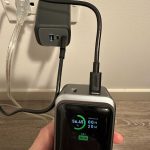
Yes, you can overcharge a power bank, but it’s usually not a big problem thanks to built-in safety features. Overcharging occurs when a device continues to draw power even after reaching full capacity, which can potentially damage the battery over time. However, most modern power banks are designed with protection circuits that prevent overcharging and keep your device safe. These features automatically stop charging once the battery hits 100%, so you don’t need to worry too much, but it’s still good practice not to leave your power bank plugged in endlessly. Understanding how these safety mechanisms work can help extend your power bank’s lifespan and keep your devices secure.
In essence, while most power banks are built to prevent overcharging, it’s always better to unplug your device once fully charged. Overcharging can still lead to reduced battery health in the long run if done repeatedly. Proper charging habits will ensure your power bank remains reliable and efficient for years to come.

Can You Overcharge a Power Bank? Everything You Need to Know
Understanding How Power Banks Work
Power banks are portable devices that store electrical energy to charge smartphones, tablets, and other gadgets. They contain a rechargeable battery, usually lithium-ion or lithium-polymer, which can be replenished multiple times. When you connect your device, the power bank supplies power until either the device is fully charged or the power bank runs out of stored energy.
Is Overcharging a Power Bank Possible?
Many people wonder if leaving a power bank plugged in can harm it. Modern power banks are designed with safety features to prevent overcharging. These features include automatic shut-off when the battery reaches full capacity, ensuring the device doesn’t continue to charge unnecessarily. So, in most cases, you cannot overcharge a power bank in the traditional sense.
How Do Power Banks Prevent Overcharging?
Power banks typically incorporate several safety mechanisms:
- Automatic Cut-Off: When the battery reaches 100%, the power bank stops supplying power.
- Charge Controllers: These regulate the flow of electricity, preventing excess current.
- Temperature Sensors: They monitor heat levels to avoid overheating during charging.
Because of these features, leaving a power bank plugged in for extended periods generally doesn’t cause damage or overcharge.
Can You Damage a Power Bank by Overcharging?
Although modern devices are equipped with safeguards, repeatedly leaving your power bank plugged in can have some long-term effects. Over time, constant exposure to high voltage may reduce the battery’s overall capacity. This means your power bank might not hold a charge as long as it used to. Nonetheless, actual damage from overcharging is rare thanks to built-in protections.
What Happens if a Power Bank Overcharges?
In scenarios where the safety features fail or are absent, overcharging could lead to:
- Overheating: Excess heat can cause damage to the battery or pose safety risks.
- Battery Swelling: Overcharged batteries may swell or bulge, which compromises device safety.
- Reduced Battery Life: Repeated overcharging can accelerate battery degradation.
However, these situations are uncommon with quality power banks from reputable brands.
How to Properly Charge and Maintain Your Power Bank
To ensure your power bank remains in good condition, follow these tips:
- Use the Correct Charger: Always use the charger provided or one recommended by the manufacturer.
- Avoid Overcharging: Disconnect the power bank once it’s fully charged, if your device doesn’t have an auto shut-off feature.
- Charge in a Cool Environment: Keep your power bank away from heat sources to prevent overheating.
- Store Properly: When not in use, store your power bank in a dry, cool place and avoid long periods of disuse without charging.
Proper maintenance can extend the lifespan of your power bank and ensure safe usage.
Signs That Your Power Bank Might Be Failing
It’s important to recognize when your device isn’t working correctly. Watch out for:
- Reduced Charging Capacity: Your power bank charges devices more slowly or holds less power.
- Overheating During Charging: Excessive heat indicates potential issues.
- Physical Damage: Swelling or cracks suggest battery degradation.
- Unusual Sounds or Odors: These can signal internal faults.
If you notice any of these signs, consider replacing your power bank to ensure safety.
Related Topics: Quick Tips for Safe Power Bank Usage
To maximize safety and efficiency, consider the following:
- Always buy power banks from reputable manufacturers.
- Check for safety certifications like UL, CE, or FCC.
- Avoid charging your power bank overnight or while sleeping.
- Keep your device away from water and extreme temperatures.
By following these simple tips, you could prolong the life of your power bank and avoid potential hazards.
Summary of Key Points
| Aspect | Details |
|---|---|
| Can you overcharge a power bank? | Modern power banks prevent overcharging through safety features, making it unlikely to damage them by leaving them plugged in. |
| Potential risks if safety fails | Overheating, swelling, reduced capacity, or safety hazards. |
| Best practices for charging | Use the right charger, disconnect after full charge, avoid heat, store properly. |
| Signs of failure | Slow charging, overheating, physical damage, unusual smells. |
Understanding how your power bank functions and taking proper care can help you avoid problems and get the most out of your device. Remember, thanks to modern technology, overcharging issues are largely preventable, but good habits always matter for safety and longevity.
Pass-Through Charging Explained
Frequently Asked Questions
Is it possible to damage a power bank by leaving it plugged in after it’s fully charged?
Leaving a power bank plugged in after it reaches full capacity can potentially cause long-term damage. While most modern power banks include circuitry to prevent overcharging, continuous exposure to a plugged-in state can lead to overheating and degrade battery health over time. It’s best to unplug your power bank once it is fully charged to maintain its longevity and optimal performance.
Can charging a power bank multiple times a day harm its battery life?
Charging your power bank multiple times a day generally doesn’t harm the battery if you follow proper charging practices. However, frequent shallow charges can cause minor wear over time, similar to other rechargeable devices. To extend the lifespan of your power bank, avoid unnecessary recharges and allow the battery to drain slightly before recharging when possible.
Does using the power bank while it charges increase the risk of overcharging?
Using your power bank while it charges does not increase the risk of overcharging because most models have safety mechanisms that prevent it. Nonetheless, operating the power bank during charging can generate additional heat, which may affect battery health. To ensure safety and prolong battery life, try to avoid intensive use during the charging process whenever possible.
What signs indicate that a power bank has been overcharged or damaged due to improper charging?
If your power bank overheats frequently, shows reduced battery capacity, or fails to hold a charge, it might have been damaged from improper charging. Swelling, leaking, or unusual odors are also signs that the battery has been compromised. If you notice any of these symptoms, stop using the power bank immediately and consider replacing it to prevent safety hazards.
Final Thoughts
Overcharging a power bank is a common concern among users. Many worry it could damage the device or shorten its lifespan. Modern power banks often include protective features to prevent overcharging.
Can you overcharge a power bank? Generally, no. Most models automatically stop charging once they reach full capacity, ensuring safety and longevity.
In summary, while it’s unlikely to overcharge a power bank thanks to built-in protections, always use quality chargers and follow manufacturer instructions to keep your device safe and efficient.