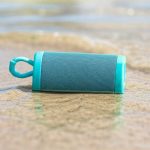
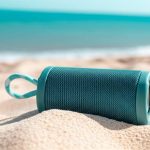
Short Answer: It’s a big NO! Leaving a regular Bluetooth speaker on the beach all day can seriously damage it. Sand, sun, and water are its worst enemies. Look for special beach-friendly or waterproof speakers for worry-free fun!
Hey there, tech adventurer! Max here, your go-to guy for making gadgets simple and fun. You know how much we love our music, right? Whether it’s for a backyard party, a chill afternoon in the park, or a vibrant beach day, a Bluetooth speaker is our trusty sidekick. It fills our lives with awesome tunes, making every moment better.
But let’s be real, sometimes picking the right gadget can feel like navigating a maze. All those specs and features can get a bit much! You just want to enjoy your music without a headache. That’s where I come in!
Today, we’re diving into a question many of us have asked, especially when the sun is shining and the waves are calling: “Can you leave a Bluetooth speaker on the beach all day?” It’s a common worry, and the answer might surprise you. Let’s break it down step by step, the easy way.

The Beach: A Speaker’s Worst Nightmare?
Imagine this: you’ve got the perfect spot on the sand. The sun is warm, the ocean breeze is gentle, and your favorite playlist is ready to go. You set up your Bluetooth speaker, excited for a day of tunes. But then, a little voice in your head whispers, “Is this really a good idea?”
The beach is beautiful, but it’s also a tough environment for electronics. Think about it. There’s fine sand everywhere. There’s the bright, hot sun. And, of course, there’s the salty water from the ocean. These elements can team up to cause some serious trouble for your beloved speaker.
So, can your everyday speaker handle a full day out in the elements? Let’s explore why it’s a risky move and what makes the beach so challenging for our audio pals.
Why the Beach is Tricky for Electronics
Sand, sun, and water are the big three villains when it comes to your Bluetooth speaker’s well-being at the beach. Each one poses a unique threat, and together, they can spell disaster for your device.

The Sand Menace
Fine grains of sand are sneaky. They can get into every nook and cranny of your speaker. This includes speaker grilles, charging ports, buttons, and even internal components if they get inside. Sand can clog up ports, making them unusable. It can also scratch surfaces and damage delicate speaker cones. Imagine tiny sandpaper working away at your speaker all day!
The Sun’s Scorching Rays
Direct sunlight, especially for extended periods, can overheat your Bluetooth speaker. Most speakers aren’t built to withstand high temperatures for hours on end. Overheating can damage the battery, degrade the plastic casing, and even harm the internal electronics. A hot speaker is an unhappy speaker!
The Water and Salt Threat
Even if you’re careful, splashes from waves, unexpected dips, or even high humidity can affect your speaker. Saltwater is particularly corrosive. It can rust metal components, damage circuitry, and leave a sticky residue that’s hard to clean. A little bit of moisture might be okay for some speakers, but a full day at the beach means a much higher risk of contact.
What Happens If You Leave It Out?
Let’s paint a picture of what could go wrong if you decide to leave a regular Bluetooth speaker out on the beach all day without protection. It’s not pretty, but it’s good to know!

- Internal Damage: Sand getting inside can mess with the speaker drivers (the parts that make sound) and other delicate electronics. This can lead to distorted sound or complete failure.
- Battery Issues: Overheating from the sun can significantly shorten your battery’s lifespan. It might not hold a charge as well, or it could even swell up, which is dangerous.
- Corrosion: Salt and moisture are a recipe for rust. Metal parts, connectors, and circuit boards can corrode, leading to connection problems or failure.
- Physical Wear: The sun’s UV rays can fade and degrade the plastic. Sand can scratch up the speaker’s finish, making it look old and worn out much faster.
- Sound Quality Degradation: Even if it doesn’t completely break, sand or moisture can affect the speaker cones or ports, leading to muffled or distorted sound.
The Shocking Truth: Not All Speakers Are Created Equal!
Here’s the real kicker: the answer to “Can you leave a Bluetooth speaker on the beach all day?” really depends on the speaker itself! While most standard speakers aren’t designed for this kind of abuse, there’s a whole category of speakers built specifically for outdoor adventures. These are often called rugged, outdoor, or waterproof speakers.
These special speakers come with features that make them beach-proof. They are designed to handle the elements that would destroy a regular speaker. So, while your average home speaker would definitely suffer, a purpose-built outdoor speaker might just thrive!
Features to Look For in a Beach-Ready Speaker
If you’re dreaming of a speaker that can handle your beach days without you constantly worrying, you need to know what to look for. These features are like a speaker’s superhero cape, protecting it from the harsh beach environment.
Waterproof Ratings (IP Codes)
This is super important! You’ll see something like “IPX7” or “IP67” on the speaker’s box or description. This code tells you how well the speaker is protected against water and dust. Let’s break it down:
- The “IP” part: Stands for “Ingress Protection.” It’s a standard way to rate how protected something is against solids (like dust) and liquids (like water).
- The first digit: This is for solids (dust). A ‘6’ means it’s totally dustproof – perfect for sandy beaches!
- The second digit: This is for liquids (water). A ‘7’ means it can be submerged in water up to 1 meter for about 30 minutes. An ‘8’ is even better, meaning it can be submerged deeper or for longer.
So, a speaker with an IP67 rating is dustproof AND waterproof. This is usually your sweet spot for beach use!
Dustproof Construction
Beyond the IP rating, look for speakers that are specifically designed to keep dust and sand out. This often means sealed ports and a robust grille design. Some speakers even have special membranes that let air escape but keep sand particles out.
Durable Casing
Beach speakers need tough shells. They are often made from rubberized materials or tough plastics that can withstand bumps, drops, and scratches. This physical protection is crucial when you’re moving around on uneven terrain or if the speaker accidentally tumbles.
Sunlight Resistance
While not always explicitly rated, many outdoor speakers use UV-resistant materials. This helps prevent the casing from fading, cracking, or becoming brittle when exposed to prolonged sunlight. It’s like sunscreen for your speaker!
Buoyancy
Some speakers are designed to float! This is a fantastic feature for beach or pool use. If it accidentally falls in the water, it won’t sink to the bottom, making it easy to retrieve and less likely to suffer water damage.
Comparing Beach-Ready Bluetooth Speakers
To help you get a clearer picture, let’s look at a few types of speakers and how they might fare at the beach. Remember, this is a general guide, and specific models will vary!
| Speaker Type | Waterproof Rating (Typical) | Dustproof | Durability | Beach Suitability |
|---|---|---|---|---|
| Standard Indoor Speaker | None or IPX0 | No | Low | Very Poor – High risk of damage |
| Basic Outdoor Speaker | IPX5 or IPX6 | Limited | Medium | Fair – Okay for light splashes, but sand is a big issue |
| Rugged Outdoor Speaker | IP67 or IP68 | Yes (IP6X) | High | Excellent – Designed for sand, water, and drops |
| Floating Speaker | IPX7 or higher | Often | High | Excellent – Great for water activities, handles sand well |
As you can see from the table, a speaker with a high IP rating (like IP67) and rugged construction is your best bet for a day at the beach. These are built to take a beating and keep the music playing, even when things get a little wild!
Setting Up Your Speaker for Beach Day Success
Even with a beach-ready speaker, a little preparation goes a long way. Here’s how to ensure your audio companion has the best possible day while you soak up the sun.
1. Charge It Up!
Before you leave home, make sure your speaker is fully charged. You don’t want to be caught with a dead battery halfway through the day. Most outdoor speakers have decent battery life, but a full charge is always best.
2. Pack It Smart
If your speaker isn’t fully waterproof or dustproof, consider a protective case. Even for rugged speakers, a case can add an extra layer of defense against fine sand. A waterproof dry bag is also a great option for keeping your speaker (and other valuables) safe and dry.
3. Choose Your Spot Wisely
Even with a rugged speaker, it’s wise to position it away from the immediate splash zone. Place it on a towel or a small portable stand rather than directly in the sand if possible. This minimizes direct contact with sand and water.
4. Keep Ports Covered
If your speaker has a charging port or other openings, make sure they are securely covered when not in use. Many rugged speakers have rubber flaps or seals for this purpose. This is your first line of defense against sand infiltration.
5. Be Mindful of Heat
While many outdoor speakers can handle some sun, avoid leaving them in direct, intense sunlight for too long, especially if they are dark-colored (dark colors absorb more heat). If possible, find a spot with partial shade or place it where it gets a nice breeze.
6. Post-Beach Care
When you get home, give your speaker a good clean. Use a soft, dry brush to remove any sand. If it got wet, wipe it down with a slightly damp (not wet!) cloth. Never use harsh chemicals or submerse it in water for cleaning unless the manual specifically says it’s okay for cleaning.
A Quick Look at Top Beach Speaker Features
Let’s get a little more specific about what makes a speaker truly beach-worthy. Here are some key features you’ll find in the best outdoor speakers:
- IPX7 or Higher Rating: Essential for surviving splashes and accidental dunks.
- Dustproof (IP6X): Crucial for keeping sand out of all the important bits.
- Shock Resistance: Built to withstand drops and bumps on sand or uneven ground.
- Floating Capability: A fun bonus for pool or calm ocean use.
- Long Battery Life: Aim for 10+ hours so your music lasts all day.
- Bluetooth 5.0 or Higher: For a stable, long-range connection, so your phone doesn’t have to be right next to the speaker.
- Carabiner Clip or Handle: Makes it easy to attach to a bag or beach chair.
Real-World Examples: Speakers Built for Adventure
You might be wondering, “Which speakers actually do this?” Well, brands like JBL, Ultimate Ears (UE), and Bose offer fantastic options. For instance, the JBL Charge series and the Ultimate Ears BOOM and MEGABOOM speakers are known for their impressive waterproofing (often IP67) and rugged designs.
These speakers are designed with outdoor life in mind. They are built tough, sound great, and can handle a bit of roughhousing. You can read more about great outdoor speaker options on sites like CNET or TechRadar.
Can You Leave Any Bluetooth Speaker on the Beach All Day?
Let’s circle back to the main question with a bit more clarity. Can you leave any Bluetooth speaker on the beach all day? The honest, shocking truth is: No, you absolutely cannot leave a standard, non-ruggedized Bluetooth speaker on the beach all day without risking serious damage.
Think of it this way: you wouldn’t wear your best suit to go swimming, right? It’s the same principle. You need the right gear for the right environment. A regular Bluetooth speaker is like that suit – great for certain places, but definitely not for the beach.
However, if you have a speaker specifically designed for outdoor use, with high waterproof and dustproof ratings (like IP67), then yes, you absolutely can. These speakers are engineered to withstand sand, sun, and splashes, allowing you to enjoy your music worry-free. The “shocking truth” is really about understanding that not all speakers are built for the same conditions!
Frequently Asked Questions About Beach Speaker Use
Got more questions buzzing in your head? Let’s clear them up!
Q1: My speaker says “water-resistant.” Is that good enough for the beach?
A: “Water-resistant” can mean different things. If it’s just splash-proof (like IPX4), it might be okay for a few light splashes, but it’s not ideal for a full day on a sandy beach where sand and more water are likely. Look for “waterproof” with a good IP rating like IPX7 or IP67 for true beach peace of mind.
Q2: What if I just keep my speaker in its case all day?
A: Keeping it in a case is a good idea for extra protection, especially if the case is padded and water-resistant. However, if the case isn’t fully sealed, sand can still get in. Plus, the speaker can still overheat inside a closed case if it’s in direct sun for too long. It helps, but it’s not a perfect solution for a whole day.
Q3: How do I clean sand out of my speaker’s charging port?
A: First, make sure the speaker is turned off and unplugged. Use a dry, soft brush (like a clean makeup brush or a very soft toothbrush) to gently brush away loose sand. You can also try a can of compressed air, holding it at a distance and using short bursts. Never use water or sharp objects, as this can cause more damage.
Q4: Can I use my speaker in the ocean?
A: If your speaker has a high waterproof rating (IPX7 or IP67/68) and is designed for submersion, it might handle being in calm ocean water for a short time. However, saltwater is corrosive. It’s best to rinse it with fresh water immediately after, and avoid prolonged submersion. Floating speakers are great for calm waters, but always keep an eye on them!
Q5: My speaker got really hot. What should I do?
A: If your speaker feels excessively hot, turn it off immediately and move it to a cooler, shaded spot. Let it cool down completely before trying to use it again. Avoid placing it in direct sunlight or near heat sources. Overheating can damage the battery and internal components.
Q6: Is it okay to leave my speaker plugged in on the beach?
A: Generally, no. Most Bluetooth speakers are designed to run on battery power outdoors. Leaving them plugged in can increase the risk of electrical issues if they get wet or overheat. Plus, you’re limiting yourself by needing a power source. Stick to the battery for beach days!
Conclusion: Beach Beats Without the Worry!
So, can you leave a Bluetooth speaker on the beach all day? The surprising answer is that it depends entirely on the speaker! A standard speaker is a no-go, but a specially designed rugged, waterproof, and dustproof speaker is your perfect beach companion.
You’ve learned what makes the beach a tough place for electronics – sand, sun, and salt. You also know the key features to look for in a beach-ready speaker, like those important IP ratings. With the right speaker and a few smart precautions, you can enjoy your favorite tunes from sunrise to sunset without a single worry.
Now go forth and choose wisely! Pick a speaker built for adventure, and make every beach day sound amazing. Your tunes deserve a speaker that can keep up with your fun!