Protect your Bluetooth speaker from sand and water at the beach with these easy tips! Keep your music playing and your gadgets safe, no matter the sandy adventure.
Hey there, tech adventurers! Max here from AffTechy.com. You know, there’s nothing quite like the feeling of a perfect beach day. The sun is shining, the waves are crashing, and your favorite tunes are playing from your trusty Bluetooth speaker. It’s pure bliss, right? But let’s be honest, beaches and electronics can be a tricky combo. Sand gets everywhere, and a little splash of water can turn your music party into a silent movie. It can feel a bit overwhelming trying to figure out how to keep your awesome gadgets safe from all that fun. That’s why I’m here! We’re going to dive deep into making your Bluetooth speaker beach-proof. Think of me as your friendly guide, ready to share some secrets so you can enjoy your beach trips without any worries. Let’s make sure your sound system survives the surf and sand!
Why Beach-Proofing Your Speaker Matters
Imagine this: you’re at the beach, the perfect playlist is on, and suddenly, a rogue wave comes a little too close, or a gust of wind sends sand flying right into your speaker. It’s a bummer, right? Water damage and sand infiltration are the arch-nemeses of portable electronics. They can clog up ports, mess with the internal components, and even ruin your speaker for good. That’s why taking a few simple steps to protect your Bluetooth speaker before you head out is super important. It’s like giving your speaker a little superhero cape for its beach adventure!
What Makes a Speaker “Beach-Ready”?
Not all Bluetooth speakers are built the same. Some are designed with rough-and-tumble adventures in mind, while others are best left for cozy indoor listening. When we talk about beach-proofing, we’re often looking for speakers that have specific features. These features are like little shields and armor for your gadget. Let’s break down what to look for.
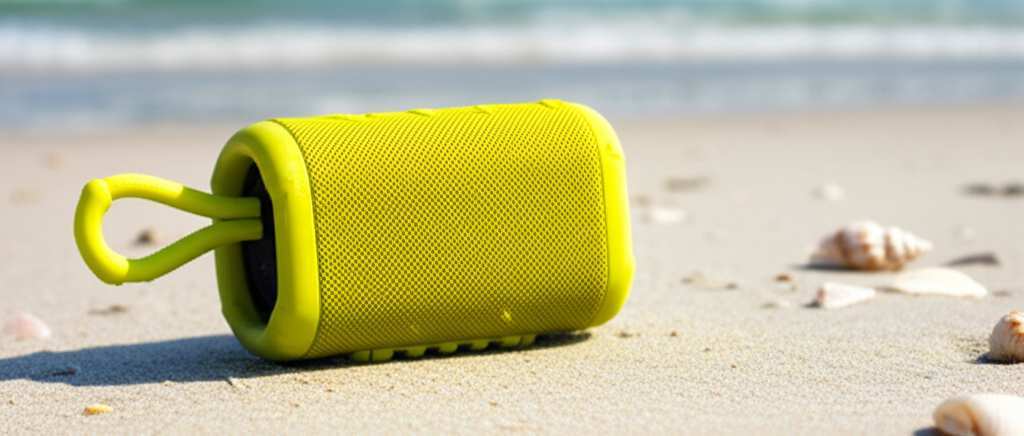
Understanding Those Important Ratings: IP Scores Explained
You might have seen numbers like “IPX7” or “IP67” on speaker boxes or online descriptions. These are called IP ratings, and they’re super helpful! IP stands for “Ingress Protection.” It’s a fancy way of saying how well something is protected against solid objects (like dust and sand) and liquids (like water).
Here’s a simple breakdown of what those numbers mean:
The first digit: This tells you how well the speaker is protected from solid stuff, like dust and sand.
0: No protection.
1-4: Protected from large objects.
5: Protected from dust, but not completely dust-tight.
6: Dust-tight! This is what you want for beach conditions.
The second digit: This tells you how well it’s protected from water.
0: No protection.
1-3: Protected from splashing water.
4: Protected from water splashes from any direction.
5: Protected from low-pressure water jets.
6: Protected from high-pressure water jets.
7: Protected if submerged in water up to 1 meter for about 30 minutes. This is awesome for accidental drops!
8: Protected from continuous immersion in water under conditions specified by the manufacturer. This is the highest level of water protection.
So, a speaker with an IP67 rating is dust-tight (yay for sand!) and can handle being submerged in water. A speaker with IPX7 means it’s water-resistant to a certain level, but the “X” means they haven’t specifically tested or rated it for dust protection. For the beach, aim for that first digit to be a 6!
Top Features for Beach-Proof Speakers
Beyond the IP rating, a few other features make a speaker a better beach buddy.
Durable Build: Look for speakers made from tough materials. Rubberized edges and a sturdy grille can handle bumps and scrapes.
Floating Ability: Some speakers are designed to float! This is a lifesaver if your speaker takes a tumble into the water.
Carabiner Clip: A built-in clip makes it easy to attach your speaker to your beach bag or umbrella, keeping it off the sand.
Long Battery Life: You don’t want your music to die halfway through your beach day. A speaker with a battery that lasts 10-20 hours or more is ideal.
Protecting Your Existing Speaker: DIY Beach-Proofing Secrets
What if you already have a Bluetooth speaker that isn’t exactly built for the beach? Don’t worry, there are still ways to protect it! Think of these as clever hacks to keep your current gear safe and sound.
The Ultimate Sand and Water Defense Strategy
Here’s a step-by-step guide to creating a protective bubble for your speaker:
1. The “Dry Bag” Method: This is your first line of defense. Get a waterproof dry bag or a sturdy, sealable plastic bag (like a Ziploc freezer bag).
Make sure the bag is large enough for your speaker.
Carefully place your speaker inside.
Seal the bag tightly, pressing out as much air as possible. This helps prevent condensation and keeps out fine dust.
2. The “Speaker Cover” Trick: For extra protection, you can use a specialized speaker cover or even a small, padded pouch.
Many companies make neoprene covers that offer a bit of water resistance and padding.
If you don’t have one, a thick sock or a small drawstring bag can offer some cushion.
3. Placement is Key: Where you put your speaker matters a lot.
Avoid placing it directly on the sand. Sand is like fine powder, and it can get into every tiny crevice.
Keep it on your towel, a beach chair, or a small portable table.
Always keep it away from the edge of the water. Tides can be sneaky!
4. Beware of the Wind: A strong breeze can carry sand and salt spray everywhere.
Try to position your speaker behind a cooler or an umbrella to shield it from direct wind.
5. Charging Smart: Always charge your speaker indoors, in a dry environment.
Never charge it on the beach, even if it seems dry. Sand can easily get into the charging port.
Once you’re done, make sure the charging port is clean and dry before plugging it in again.
Quick Tips for Sand and Water Damage Prevention
Here’s a handy list of things to remember:
Never submerge a non-waterproof speaker. It’s tempting, but it’s a quick way to ruin it.
Keep speakers away from food and drinks. Spills can be sticky and attract insects.
Rinse with fresh water (gently!) after beach use. If your speaker is waterproof and got salt water on it, a gentle rinse with fresh water can help prevent corrosion. But only do this if its IP rating allows for water exposure!
Dry thoroughly. After any water exposure, let your speaker air dry completely before storing it.
Check ports regularly. Look for any sand or debris in the charging or auxiliary ports. You can use a soft brush or compressed air (held at a distance) to clean them.
Bringing Your Speaker to the Beach: A Checklist
Before you pack your beach bag, run through this quick checklist to ensure your speaker is ready for action:
Is it charged? A full battery means more music!
Is it in a protective bag? A waterproof dry bag is best.
Is it protected from direct sun? Too much heat can damage electronics.
Do you have a plan for where to put it? Keep it elevated and away from the water’s edge.
Do you know how to clean it afterward? A quick wipe-down is usually all it needs.
Comparing Beach-Friendly Bluetooth Speakers
If you’re in the market for a new speaker that’s ready for your next beach trip, here are a few types to consider. These are generally built to handle a bit more adventure.
| Speaker Type | Typical IP Rating | Key Beach Features | Best For… |
| :—————— | :—————- | :————————————————- | :———————————————- |
| Rugged Outdoor | IP67 or higher | Dust-proof, waterproof, shock-resistant, floating | Adventurous beach-goers, boat trips, kayaking |
| Water-Resistant | IPX5 to IPX7 | Splash-proof, some water resistance | Casual beach lounging, light rain protection |
| Standard Portable | Usually IPX0-IPX4 | No special water or dust protection | Indoor use, picnics in dry parks |
When looking at specs, always prioritize that first digit in the IP rating being a 6 if you plan on being around sand. The second digit is also crucial for water safety. For example, a speaker with IP67 is a fantastic choice for the beach because it’s both dust-tight and can survive accidental submersion. You can find great reviews and comparisons on tech sites like CNET to help you choose.
Real-Life Scenarios: Protecting Your Speaker
Let’s talk about a few situations you might encounter and how to handle them.
Scenario 1: The Accidental Drop in the Sand
You’re setting up your towel, and oops! Your speaker slips out of your hand and lands right in the sand.
If it has an IP6X rating: Great! It’s dust-tight, so the sand is unlikely to get inside. Just give it a quick wipe down.
If it doesn’t have a good IP rating: Gently pick it up. Try not to shake it too much, as this could push sand further in. If you have a dry bag with you, immediately put it inside. At home, use compressed air (from a safe distance) or a soft brush to clean any visible sand away from ports and grilles.
Scenario 2: A Splash from the Waves
You’re jamming out, and a sneaky wave washes up a bit further than expected, splashing your speaker.
If it has IPX7 or higher: It should be fine! Most speakers rated for submersion can handle a splash easily. Just wipe it dry with a soft cloth.
If it has IPX4 or lower: This is where you need to be more careful. Immediately dry it off with a towel. Check the charging port for any moisture. If it feels damp, let it air dry completely before trying to charge it.
Scenario 3: Salt Spray on a Windy Day
The wind is blowing, and you can feel the salty mist in the air. Salt can be corrosive.
For any speaker: Try to shield it from the direct wind. A dry bag offers good protection against salt spray.
After use (for waterproof speakers): If your speaker is rated for water exposure, give it a gentle rinse with fresh water. This helps remove any salt residue. Dry it thoroughly with a soft cloth.
Maintaining Your Speaker for Longevity
Protecting your speaker at the beach is part of a bigger picture of good maintenance. Here are a few extra tips:
Clean Regularly: Even when not at the beach, keep your speaker clean. Dust and grime can affect sound quality and even port functionality.
Handle with Care: Avoid dropping it or exposing it to extreme temperatures.
Update Firmware: Some Bluetooth speakers can be updated with new software. Check the manufacturer’s app or website for updates, as they can sometimes improve performance or connectivity.
Store Properly: When not in use, store your speaker in a cool, dry place. Avoid damp basements or hot attics.
Frequently Asked Questions About Beach-Proofing Speakers
Got more questions? I’ve got you covered!
Q1: Can I just put my regular speaker in a plastic bag?
A: Yes, a sturdy plastic bag (like a Ziploc freezer bag) is a great temporary solution to protect a non-waterproof speaker from sand and light splashes. Just make sure it’s sealed well!
Q2: What does “water-resistant” mean for a speaker?
A: “Water-resistant” means it can handle some exposure to water, usually splashes or light rain. The specific level of resistance is shown by its IP rating. It doesn’t mean it’s waterproof enough to be submerged.
Q3: How do I clean sand out of speaker ports?
A: The best way is to use compressed air, holding the can at a safe distance and using short bursts. You can also try a very soft brush or a dry cotton swab. Never use water or anything wet to clean ports unless the speaker is specifically designed for it.
Q4: Do I need to worry about salt water damaging my waterproof speaker?
A: While a speaker rated for submersion (like IPX7 or IPX8) can handle salt water, it’s always a good idea to rinse it with fresh water afterward and dry it thoroughly. This helps prevent long-term corrosion and keeps it looking its best.
Q5: What’s the best way to keep my speaker from falling into the ocean?
A: Use a speaker with a carabiner clip to attach it to something secure. Or, place it on a stable surface away from the water’s edge, like on a picnic blanket or a beach chair. Some speakers even float, which is a great safety feature!
Q6: Can I leave my speaker in the sun on the beach?
A: It’s best not to. Prolonged exposure to direct sunlight can overheat your speaker, potentially damaging the battery or internal components. Try to keep it in the shade or cover it when not in use.
Conclusion: Enjoy Your Music, Worry-Free!
So there you have it! Protecting your Bluetooth speaker from the sand and surf doesn’t have to be complicated. Whether you’re investing in a rugged, beach-ready model or using a few smart tricks to safeguard your current speaker, you’re setting yourself up for a much more enjoyable beach experience. Remember those IP ratings, use a dry bag, pick your spot wisely, and always give your speaker a little TLC after its sandy adventures.
Now go forth and make those beach days even more epic! With your speaker safe and sound, you can focus on soaking up the sun, enjoying the waves, and, of course, blasting your favorite tunes. Happy listening, and happy beaching!