
Yes, you absolutely can connect to more than one Bluetooth speaker at once! It’s a fantastic way to fill your space with sound and make your music or movie experience even better. Let’s explore how this magic happens!
Hey there, tech adventurer! Ever found yourself wishing your music could follow you around the house, or that your movie’s sound could be all around you? It’s a common wish, right? Sometimes, one speaker just doesn’t cut it. Maybe you’re hosting a party and want music everywhere, or you’re setting up a cozy movie night and want immersive sound. It can feel a bit confusing when you start looking at all the gadgets and features, wondering if you can actually make your tech do what you dream it can. But don’t worry, that’s exactly why I’m here!
We’re going to dive into the awesome world of connecting multiple Bluetooth speakers. Think of it as turning your single speaker into a whole sound system, all without messy wires. It’s easier than you might think, and it can totally change how you enjoy your favorite tunes or shows. Ready to unlock this amazing sound superpower? Let’s break it down step by step.
Let’s Talk About Sound and Your Options
Music, movies, podcasts – they all sound so much better with good audio. A single Bluetooth speaker is great for personal listening or small gatherings. But what if you want that sound to reach every corner of your room, or even spill out into your backyard? That’s where connecting multiple speakers comes in. It’s like upgrading from a single spotlight to a whole stage lighting system for your audio!
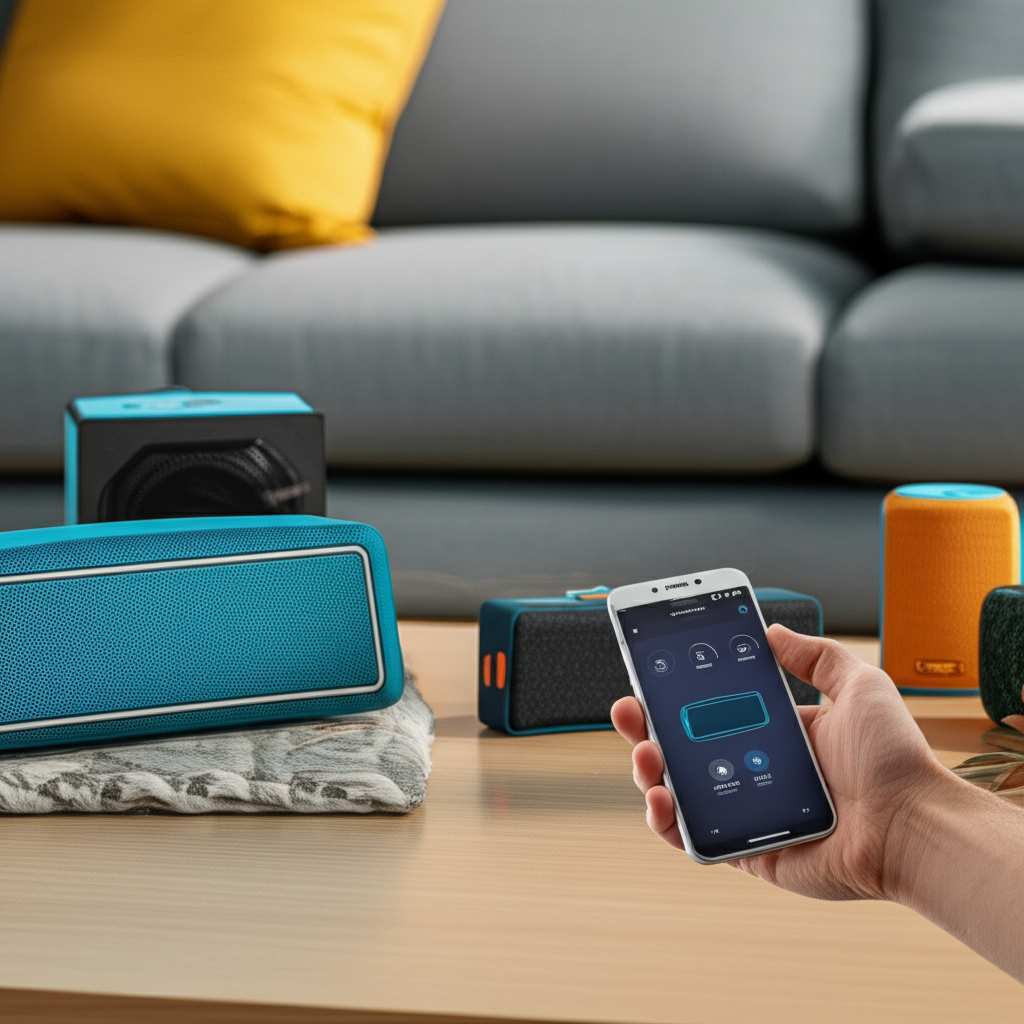
You might be thinking, “Is this some complicated tech wizardry?” Nope! For a long time, Bluetooth was pretty much one-to-one. You’d pair your phone to one speaker, and that was it. But technology loves to surprise us with cool new tricks. Brands have been working hard to make our listening experiences richer, and connecting multiple speakers is one of the best upgrades.
The Magic of Bluetooth: How It Works (Simply!)
Bluetooth is like a tiny, invisible radio wave that lets devices talk to each other. Your phone, tablet, or computer sends out a signal, and your Bluetooth speaker listens for it. It’s super handy because it’s wireless – no more tripping over cords! When you connect to one speaker, your device is having a direct chat with that specific speaker.
Now, to connect to more than one, your device needs to be able to manage multiple conversations at once. This is where things get interesting and depend a bit on the devices you’re using. Some phones and speakers are built with this multi-speaker capability, while others might need a little help. But the good news is, it’s becoming more common!
Understanding “Stereo Pairing” vs. “Multi-Speaker Sync”
This is where it can get a tiny bit technical, but I promise to keep it super simple. You’ll often hear two terms:
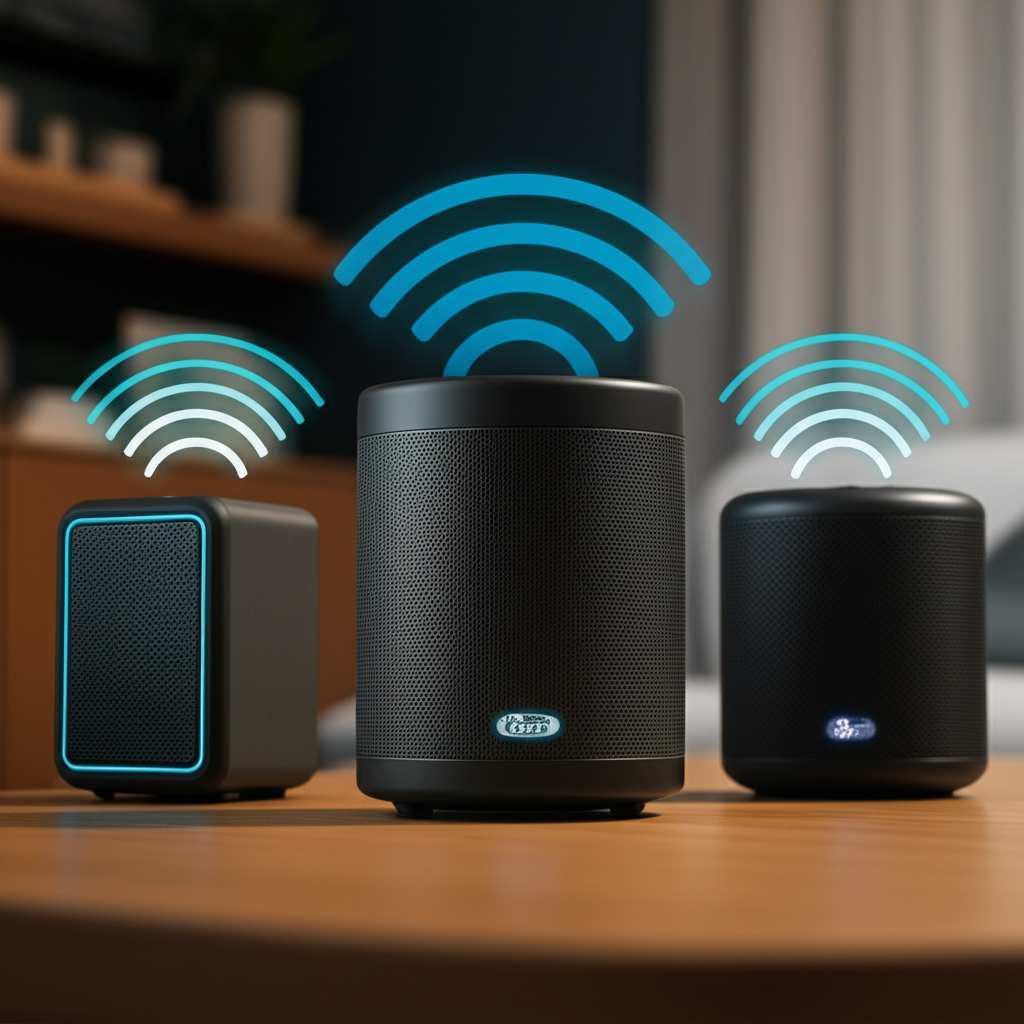
Stereo Pairing: This is when you connect two identical speakers together to create a true left and right stereo sound. It’s like having two separate speakers that work together to give you a fuller, more immersive soundstage. One speaker handles the left channel, and the other handles the right. It’s awesome for music!
Multi-Speaker Sync (or similar names): This is when you connect three or more speakers, or two different types of speakers, to play the same audio source simultaneously. This is perfect for parties or when you want sound to reach every part of a larger area.
Some speakers can do both, while others are designed for just one. It’s good to know the difference!
Connecting Two Speakers: The Most Common Scenario
Let’s start with the most popular way to use multiple speakers: connecting two. This is often how you achieve that sweet stereo sound.
Method 1: Using Your Speaker’s Built-in Pairing Feature
Many modern Bluetooth speakers are designed to pair with each other. This is usually the easiest and best-sounding method.
Here’s a general idea of how it works:
1. Turn on both speakers. Make sure they are both powered up and ready to go.
2. Put one speaker into pairing mode. This is usually done by holding down a specific button (often marked with a Bluetooth symbol or a “+” sign) until you hear a beep or see a flashing light. Check your speaker’s manual for the exact button.
3. Connect your audio device (phone, tablet, etc.) to that first speaker. Once paired, you should see it listed as a connected device.
4. Now, initiate the stereo pairing between the speakers. While the first speaker is connected to your device, you’ll typically press a different button (or a combination of buttons) on either speaker. This tells them to find each other. Again, consult your manual!
5. Wait for confirmation. You should hear a sound or see a light change on both speakers to confirm they are now paired as a stereo pair.
6. Play your audio! Your phone will now send audio to both speakers, usually one as the left channel and the other as the right.
Pro Tip: For the best stereo effect, try to place the speakers a few feet apart. This creates a wider soundstage.
Method 2: Using Your Phone or Device’s Audio Output Settings
Some smartphones and tablets have a built-in feature that allows you to output audio to multiple Bluetooth devices simultaneously. This is less common than speaker-to-speaker pairing but can be super handy if your speakers don’t have that feature.
Here’s how you might find it (steps can vary slightly by device):
On iOS (iPhones/iPads):
1. Connect your first Bluetooth speaker.
2. Go to Settings > Bluetooth.
3. Tap the “i” icon next to your connected speaker.
4. You should see an option to connect to another audio device. Tap on the second speaker you want to connect.
5. Alternatively, when audio is playing, swipe down from the top right corner (or up from the bottom on older iPhones) to access the Control Center. Tap the AirPlay icon (it looks like a triangle with a circle above it) in the Now Playing widget. You’ll see a list of available audio devices, and you can select multiple.
On Android:
1. Connect your first Bluetooth speaker.
2. Go to Settings > Connected devices > Bluetooth.
3. Look for an option like “Media audio” or “Audio output.”
4. You might see a button to “Connect multiple devices” or a similar option. Tap on your second speaker.
5. Some Android versions also allow this through the Quick Settings panel. Swipe down to reveal it, tap and hold the Bluetooth icon, and look for an “Advanced” or “Dual Audio” option.
Important Note: This method might not always provide true stereo separation. Often, both speakers will play the same audio stream. Also, the quality and stability can sometimes be a bit less refined than dedicated stereo pairing.
Connecting Three or More Speakers: Party Mode Activated!
Want to fill a whole house or a big outdoor space with sound? Connecting three or more speakers is your ticket! This is usually achieved through a “multi-speaker sync” feature.
How to Achieve Multi-Speaker Sync
This feature is typically built into the speakers themselves, not your phone. It’s common in speakers designed for outdoor use, parties, or larger portable sound systems.
1. Check Speaker Compatibility: Not all speakers can join a multi-speaker group. You’ll usually need speakers from the same brand and often the same model line that explicitly support this feature. Some brands have specific apps that help you manage these connections.
2. Connect Your First Speaker: Pair your phone or audio source to one of the speakers as you normally would.
3. Initiate the Group Sync: This is where it gets a bit different from stereo pairing. You’ll usually press a specific button on one speaker (often called a “Group” or “Party” button) to start searching for other compatible speakers.
4. Add Other Speakers: Once the first speaker is in “grouping” mode, you’ll go to the other speakers and press their respective “add to group” or “sync” buttons. They will then try to connect to the first speaker.
5. Confirm the Group: You should hear a confirmation sound or see indicator lights on all speakers when they have successfully joined the group.
6. Play Your Music! Now, all the speakers in the group will play the same audio from your device.
Example: Brands like JBL (with Connect+ or PartyBoost), Bose (with Bose SimpleSync), and Sony (with Party Connect) offer these multi-speaker capabilities on many of their portable models. Always check the product description or manual for confirmation!
What to Look For When Buying Speakers for Multi-Room Sound
If you’re planning to build a multi-speaker setup, here are some things to consider:
Brand and Model Consistency: For the easiest experience, stick to speakers from the same brand that support their proprietary multi-speaker linking technology.
App Support: Some brands offer companion apps that make it super simple to group speakers, assign channels (for stereo), and manage settings.
Battery Life: If you’re using portable speakers, remember that running multiple speakers will drain batteries faster. Look for speakers with good battery life or consider portable power banks.
Sound Quality: While having more speakers is great, ensure they offer good sound quality on their own. A group of mediocre speakers will still sound mediocre.
Water Resistance (if applicable): If you plan to use speakers outdoors or by the pool, look for models with good water and dust resistance ratings (like IPX4 or higher).
A Quick Comparison: Popular Multi-Speaker Capable Speakers
To give you an idea, here’s a look at how some popular brands handle multi-speaker connections.
| Feature | JBL Charge 5 (Connect+) | Bose SoundLink Revolve+ II (SimpleSync) | Sony SRS-XB43 (Party Connect) |
| :——————- | :———————- | :————————————– | :————————— |
| Max Speakers | 100+ (Connect+) | 2 (SimpleSync to Bose Soundbars) | Up to 100 (Party Connect) |
| Stereo Pairing | Yes (with another Charge 5) | Not applicable for speaker-to-speaker stereo | Yes (with another SRS-XB43) |
| Multi-Speaker Sync | Yes | Not for multiple speakers playing same audio | Yes |
| App for Management | Yes (JBL Portable App) | Yes (Bose Music App) | Yes (Sony Music Center App) |
| Typical Use Case | Parties, Large Areas | Pairing with Bose Soundbars, small groups | Parties, Large Areas |
Note: Specific features and compatibility can vary by model and firmware updates. Always check the latest product details.
This table shows that while many brands offer ways to connect multiple speakers, the how and how many can differ. JBL and Sony are often great for linking many speakers for a big party vibe. Bose tends to focus on simpler pairing, sometimes with their soundbars.
Tips for a Seamless Multi-Speaker Experience
Getting multiple speakers to play nicely together is rewarding! Here are some tips to make it even smoother:
Read Your Manuals: Seriously, this is the golden rule. Each speaker model has its own quirks. Your manual will tell you exactly which buttons to press and in what order.
Keep Firmware Updated: Manufacturers often release updates that improve Bluetooth connectivity and add features. Check your speaker’s companion app or the manufacturer’s website for updates.
Minimize Obstacles: Bluetooth signals can be blocked by walls, large metal objects, or even thick furniture. For the best connection, keep your speakers and audio device relatively close and with a clear line of sight if possible.
Manage Your Bluetooth Connections: If you’re having trouble, try turning off Bluetooth on your phone, then turning it back on. You might also need to “forget” the speakers in your phone’s Bluetooth settings and re-pair them.
Charge Up! As mentioned, running multiple speakers is a power hog. Make sure all your speakers are fully charged before a long listening session.
Test Before the Event: If you’re setting up for a party, do a test run a day or two before. Make sure all speakers connect, play together, and the sound is balanced. This saves a lot of last-minute stress!
Troubleshooting Common Issues
Even with the best intentions, sometimes tech throws a curveball. Here are a few common problems and how to fix them:
Speakers Won’t Pair:
Ensure both speakers are discoverable (in pairing mode).
Make sure they are close enough to each other and your device.
Turn off Bluetooth on other nearby devices that might be trying to connect.
Restart both speakers and your audio device.
Try forgetting the speakers in your device’s Bluetooth list and re-pairing.
Audio is Choppy or Skips:
This usually means the Bluetooth signal is weak or being interfered with.
Move your audio device closer to the speakers.
Remove any physical obstructions.
Close other Bluetooth connections or unnecessary apps on your device.
If using stereo pairing, ensure the speakers aren’t too far apart from each other.
Only One Speaker is Playing:
Double-check that you have successfully initiated stereo pairing or multi-speaker sync according to your speaker’s instructions.
If using your phone’s output settings, ensure you have selected both devices.
Restart the pairing process from the beginning.
Frequently Asked Questions (FAQ)
Here are some common questions people have about connecting more than one Bluetooth speaker.
Can I connect two different brands of Bluetooth speakers?
Generally, no, not for stereo pairing or multi-speaker sync. Most brands’ multi-speaker features only work with identical or compatible models from the same brand. However, some phones (like certain Android models) might let you send audio to two different speakers simultaneously, but it won’t be true stereo and might not be stable.
Will connecting two speakers drain my phone’s battery faster?
Yes, slightly. Your phone’s Bluetooth radio will be working harder to maintain connections with multiple devices. However, the biggest battery drain will likely be the speakers themselves drawing power.
Is the sound quality better with two speakers?
For stereo pairing (two identical speakers), yes! It creates a much fuller, more immersive soundstage. For multi-speaker sync (playing the same audio on all), it’s more about volume and coverage than enhanced quality.
Do I need a special app to connect multiple speakers?
Often, yes. Many manufacturers provide companion apps that help you manage speaker groups, check battery levels, and update firmware. Some phones also have built-in features for managing multiple audio outputs.
Can I connect Bluetooth speakers to my TV?
Some TVs have built-in Bluetooth. If yours does, you can usually connect one speaker directly. To connect two, you’ll typically need a TV that supports connecting multiple Bluetooth audio devices, or you might need an external Bluetooth transmitter that supports multi-device connections.
What is the maximum number of Bluetooth speakers I can connect?
This varies greatly by brand and technology. Some systems allow you to connect dozens or even hundreds of speakers (like JBL’s Connect+ or Sony’s Party Connect), while others are limited to just two for stereo pairing.
Can I control the volume of each speaker individually when they are paired?
This depends on the system. For true stereo pairing, usually adjusting the volume on your phone adjusts both speakers together, or you might be able to adjust them individually through a companion app. For multi-speaker sync, it’s often a single volume control for the whole group.
The Future of Wireless Audio
It’s amazing how far Bluetooth technology has come! What started as a way to connect a headset to a phone has evolved into a robust system for creating complex audio setups. As technology advances, we can expect even more seamless ways to connect our devices and enjoy rich, immersive sound everywhere. We’re seeing improvements in range, stability, and the ability to handle more complex audio streams.
This means more opportunities for fantastic audio experiences, whether you’re a music lover, a movie buff, or just someone who enjoys filling their home with great sound. It’s all about making technology work for you and enhancing your everyday life.
Go Forth and Amplify Your Sound!
So there you have it! Connecting to more than one Bluetooth speaker is not just possible – it’s a fantastic way to elevate your listening experience. Whether you’re aiming for that perfect stereo sound for your favorite album or creating a party atmosphere with music echoing through your space, you’ve got the knowledge to make it happen.
You’ve learned about stereo pairing, multi-speaker sync, how to set them up, and what to look for when buying. Don’t be afraid to experiment with your existing speakers or consider an upgrade if you’re ready to dive deeper into the world of synchronized sound. Now go enjoy amazing sound and make every moment louder and better!


