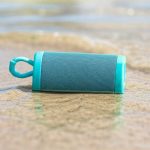
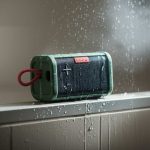
Yes, many Bluetooth speakers can totally handle splashes while you’re paddling! Look for water-resistance ratings like IPX4 or higher, and you’ll be good to go for poolside tunes or lakeside adventures.
Hey there, fellow tech adventurer! Max here from AffTechy.com, ready to dive into a question that’s probably crossed your mind if you love music and the great outdoors. Imagine this: you’re out on the water, maybe kayaking, paddleboarding, or just chilling by the pool. You want your favorite playlist to be the soundtrack, right? But then that little worry pops up – what if some water splashes your speaker?
It’s a super common question, and honestly, understanding speaker specs can feel like trying to decode an alien language sometimes. We all want to enjoy our gadgets without constant fear of them getting ruined. That’s where I come in! My mission is to make tech simple, fun, and totally stress-free for you. No confusing jargon, just clear, friendly advice.
So, can your trusty Bluetooth speaker survive a little (or maybe a bit more than a little) water when you’re out on the water? The short answer is a resounding “yes,” but there are a few important things to know. Let’s break down exactly what you need to look for and why. Get ready to make your next water adventure sound amazing!
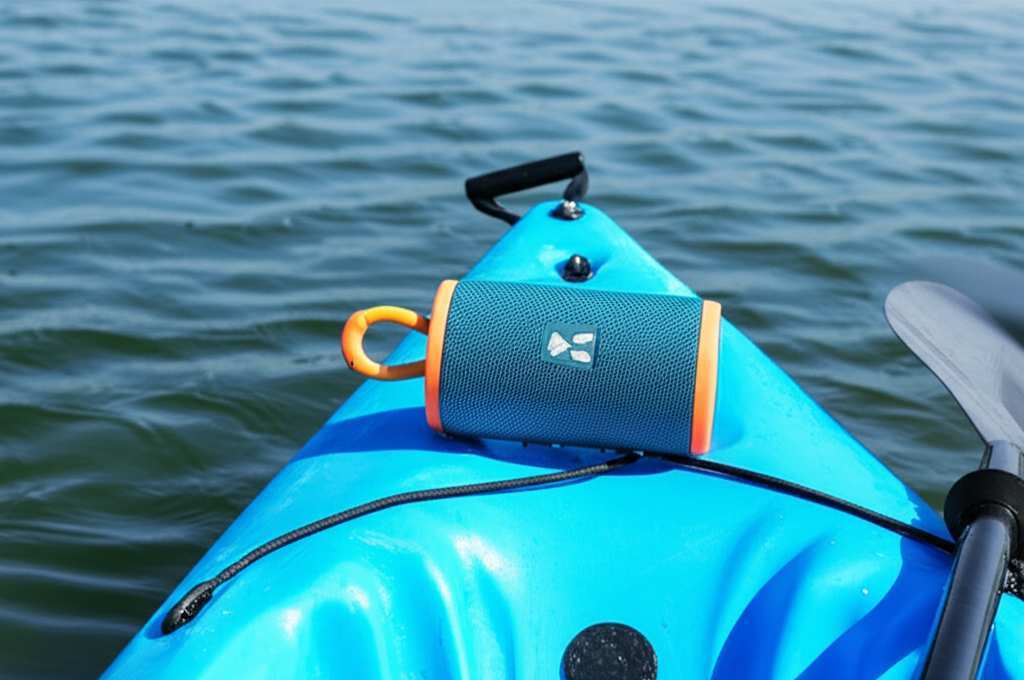
Let’s Talk About Splashes and Sound
We’ve all been there. You’re having an awesome time, the sun is shining, and your portable Bluetooth speaker is pumping out the tunes. Suddenly, a wave crashes a little too close, or someone does a happy splash that sends water droplets flying. Your heart might skip a beat as you wonder if your speaker is okay. It’s natural to worry!
The good news is that speaker manufacturers know we take our music everywhere, including near water. That’s why they’ve started making speakers that can handle a bit of moisture. It’s not just about surviving a few drops; it’s about letting you enjoy your music without constantly hovering over your speaker, afraid of every little splash.
But not all speakers are created equal when it comes to water. Some are completely fine with a light sprinkle, while others can even be submerged for a short time! The key is knowing what to look for. We’re going to explore the secret codes (they’re called IP ratings) that tell you just how waterproof or water-resistant your speaker really is.
What’s an IP Rating, Anyway?
You’ll see these little codes, like “IPX7” or “IP67,” on the packaging or in the product description for many speakers. These aren’t just random letters and numbers; they’re super important! They’re like a secret handshake that tells you how well your gadget is protected against dust and water.

IP stands for “Ingress Protection.” It’s an international standard that tells you how sealed a device is. The first digit after “IP” usually tells you about protection against solid objects like dust. The second digit is the one we’re really interested in for water protection. It tells you how well it can keep water out.
Here’s a quick rundown of what those water ratings mean, from least to most protected. This will help you figure out if your speaker is ready for your paddling trip.
Understanding the IP Code for Water Resistance
- IPX0: No protection against water. Basically, keep it dry!
- IPX1: Protected against vertically falling water drops. A very light sprinkle might be okay, but don’t count on it for much.
- IPX2: Protected against water drops falling at a 15-degree angle. A little better than IPX1, but still very basic.
- IPX3: Protected against water spray from any direction. This is where things start getting useful for light rain or mist.
- IPX4: Protected against water splashes from any direction. This is a big one for outdoor use! It means it can handle splashes from rain, pool water, or even you shaking water off your hands. This is often the minimum you’d want for paddling.
- IPX5: Protected against low-pressure water jets from any direction. Think of a garden hose on a gentle setting.
- IPX6: Protected against high-pressure water jets. This means it can handle more powerful streams of water.
- IPX7: Can be submerged in water up to 1 meter (about 3 feet) for up to 30 minutes. This is pretty awesome for poolside or if you accidentally drop it in shallow water.
- IPX8: Can be submerged in water deeper than 1 meter for extended periods. Manufacturers specify the exact depth and time.
When you’re paddling, the most common risk is splashes. So, anything with an IPX4 rating or higher is generally a good bet. If you’re a serious adventurer and sometimes find yourself in rougher conditions, or if you’re clumsy and prone to dropping things, aiming for IPX7 or higher is even better.
What “Water-Resistant” Really Means for Paddling
So, you’ve spotted an IPX4 rating on a speaker. Awesome! This means it’s designed to withstand splashes. Think about when you’re paddling: you might get spray from your paddle, a little water from an oar drip, or even a splash from a small wave. An IPX4 speaker should be perfectly fine with that.
It’s important to remember that “water-resistant” doesn’t mean “waterproof.” A speaker with an IPX4 rating is not meant to be fully submerged in water. If you drop it in the lake, it might not survive, even if it’s just for a moment. That’s where IPX7 and IPX8 come in handy!
For most casual paddling trips, like a calm day on a lake or a gentle river float, an IPX4 speaker is usually enough. It gives you peace of mind that a little water won’t kill your vibe. If you’re more into whitewater rafting or prone to tipping your kayak, you’ll definitely want to aim for higher ratings like IPX7.
Key Features to Look For in a Paddling Speaker
Besides the water-resistance rating, there are a few other things that make a Bluetooth speaker perfect for life on the water. These features can make your experience much more enjoyable and less stressful.
Essential Features for Your Water Adventures
- Robust Build Quality: Look for speakers made with durable materials. A rubberized casing can help absorb minor bumps and provide a better grip, even when wet.
- Buoyancy: Some speakers are designed to float! This is a game-changer if you’re worried about dropping your speaker in deeper water. It’s like a little life jacket for your music.
- Loudness and Clarity: You’ll be outdoors, possibly with wind and water noise. You need a speaker that can play loud enough and clearly enough to be heard over these distractions.
- Long Battery Life: Paddling trips can last for hours. You don’t want your music to die halfway through. Look for speakers with at least 10-12 hours of battery life, or even more.
- Easy Controls: Buttons that are easy to press, even with wet fingers, are a lifesaver. Some speakers even have voice control features, which can be handy if your hands are full.
- Carabiner Clip or Lanyard Loop: A built-in clip or loop lets you attach the speaker to your backpack, kayak, or paddleboard, keeping it secure and accessible.
Think about how you use your gear. If you’re a solo paddler who likes to explore remote areas, buoyancy and a long battery life might be top priorities. If you’re often with friends and want to share the tunes, loudness and a good splash-proof rating are key. It’s all about matching the speaker’s features to your adventure style!
Popular Speaker Features and What They Mean for You
Let’s dive a little deeper into some of these features. Understanding what they do can help you make a smarter choice when you’re shopping around. It’s not just about the brand name; it’s about what the speaker can do for you on your adventures.
Feature Breakdown for Outdoor Speakers
- Waterproof vs. Water-Resistant: As we discussed, IPX4 is splash-proof, good for light water exposure. IPX7 means you can dunk it briefly. Higher ratings mean more protection, but remember, no speaker is invincible.
- Dustproof (IP6X): The “6” in an IP rating like IP67 means it’s totally dustproof. This is great if you’re also hiking or spending time in sandy areas.
- Bluetooth Version: Newer versions (like Bluetooth 5.0 or 5.1) offer a more stable connection over longer distances and use less battery. This means your music won’t cut out as easily if your phone is a bit further away.
- Stereo Pairing: Some speakers can be paired with another identical speaker to create a stereo sound experience. If you want immersive sound for a group, this is a cool feature to look for.
- Built-in Microphone: This allows you to use the speaker as a speakerphone for calls. It can be super handy if you need to take a quick call while you’re out and about.
It’s like picking the right tools for a job. You wouldn’t use a butter knife to chop wood, right? Similarly, you want a speaker that’s built for the environment you’ll be using it in. A speaker designed for a dorm room might not be the best choice for a day on the lake.
Comparing Water-Resistant Bluetooth Speakers
To give you a better idea, let’s look at a few examples of how different speakers stack up. This isn’t an exhaustive list, but it shows you the range of options and what to expect. Remember, always check the latest specs before you buy!
| Speaker Model (Example) | Water/Dust Rating | Battery Life (Approx.) | Buoyant? | Extra Features |
|---|---|---|---|---|
| JBL Flip Series | IP67 | 12 Hours | No (but floats reasonably well) | Stereo pairing, built-in mic |
| Ultimate Ears BOOM Series | IP67 | 15 Hours | Yes | 360° sound, stereo pairing, app control |
| Sony SRS-XB Series | IP67 | 14 Hours | No | Extra Bass feature, speakerphone |
| Anker Soundcore Series | IPX7 | 24 Hours | No | Good value, stereo pairing |
As you can see, many popular brands offer speakers with excellent water and dust protection (IP67 is a fantastic rating!). Some even float, which is a huge bonus for water activities. The battery life on these speakers is also impressive, meaning you can enjoy your music all day long.
When you’re looking at these tables or product pages, don’t just glance at the numbers. Think about what they mean for your specific use. If you’re a casual paddler who might accidentally splash the speaker, IP67 is more than enough. If you’re always worried about dropping things, a floating speaker like some from Ultimate Ears might be your best bet. It’s all about finding that perfect balance for your needs.
How to Care for Your Water-Ready Speaker
Even if your speaker is designed to handle water, a little bit of care goes a long way. Treating it right will help it last for many adventures to come. Think of it like taking care of any other piece of gear you rely on.
Tips for Keeping Your Speaker in Top Shape
- Rinse After Saltwater or Pool Use: If you’ve been near the ocean or a chlorinated pool, rinse your speaker with fresh water afterward. Salt and chlorine can be harsh on the materials and seals over time.
- Dry Thoroughly: After rinsing or getting it wet, gently wipe down your speaker with a soft cloth. Let it air dry completely before charging or storing it.
- Check Ports and Grilles: Make sure any charging ports or speaker grilles are clear of debris and fully dry. Sometimes a little bit of water can get trapped.
- Avoid High Pressure or Submersion (Unless Rated): Even with higher IP ratings, it’s best to avoid intentionally blasting it with a hose or leaving it submerged for longer than recommended.
- Store Properly: When not in use, store your speaker in a dry place. Extreme temperatures, hot or cold, can also affect its performance and lifespan.
Taking these simple steps means your speaker will keep sounding great and resisting water for a long time. It’s like giving your favorite tool a little TLC. A quick rinse and dry after a beach day can prevent damage you might not see right away but could affect it later.
Real-World Scenarios: Paddling and Speaker Safety
Let’s paint a picture. You’re on your paddleboard, cruising along a calm lake. You have a speaker with an IPX7 rating clipped to the front of your board. A playful dog jumps in the water nearby, sending a few splashes your way. No worries! Your speaker shrugs it off.
Later, you decide to take a break and float. You accidentally knock your speaker into the water. Because it has an IPX7 rating and is perhaps even buoyant, it either survives the brief submersion or floats on the surface, waiting for you to scoop it up. Your music never has to stop!
Now, imagine you took a speaker with only an IPX2 rating. Those same splashes could cause it to short out or stop working. Or if you dropped it, it would likely be a goner. This is why understanding those IP ratings is so crucial. It’s the difference between a great day with music and a disappointing one with a broken gadget.
It’s also worth noting that these ratings are usually tested under specific conditions. A brand-new speaker might perform perfectly, but if it’s old, has been dropped, or the seals are worn, its water resistance might be compromised. So, while an IPX4 is generally safe, always use common sense.
Frequently Asked Questions (FAQ)
Got more questions? That’s what friends are for! Here are some common things people ask about using Bluetooth speakers near water.
-
Do all Bluetooth speakers need to be waterproof for paddling?
No, not all of them! Many are not designed for water at all. But if you want to use your speaker while paddling, you’ll definitely want one that is water-resistant or waterproof, at least with an IPX4 rating.
-
What’s the difference between water-resistant and waterproof?
Water-resistant means it can handle some water exposure, like splashes (IPX4+). Waterproof means it can be submerged in water for a set time and depth (IPX7+). For paddling, water-resistant is often enough, but waterproof offers extra peace of mind.
-
Can I use my speaker in the ocean?
Yes, if it has a good water-resistance rating (IPX7+ is recommended). However, it’s super important to rinse it with fresh water afterward to get rid of salt and sand, which can damage it over time.
-
If my speaker floats, can I leave it in the water indefinitely?
While floating speakers are great for not sinking, it’s still best not to leave them floating in the water for too long, especially in rough conditions. It’s more of a safety feature to prevent loss if it falls in.
-
What does IP67 mean for my speaker?
IP67 means your speaker is dustproof (the ‘6’) and can be submerged in up to 1 meter of water for about 30 minutes (the ‘7’). This is an excellent rating for paddling and general outdoor use!
-
How do I know if my current speaker is water-resistant?
Check the product’s manual, the original packaging, or the manufacturer’s website. Look for the IP rating code. If there’s no IP rating mentioned, it’s usually safest to assume it’s not water-resistant.
-
Can I charge my speaker while it’s wet?
Never! Always make sure your speaker and its charging port are completely dry before plugging in a charger. Charging a wet device can cause damage and is a safety risk.
Ready to Paddle with Perfect Sound!
So there you have it! The answer to “Can Bluetooth speakers handle splashes while paddling?” is a big, enthusiastic YES, as long as you choose wisely. Understanding those IP ratings is your superpower for picking the right gear.
You’ve learned that an IPX4 rating is your minimum for splashes, while IPX7 and above offer even more security for accidental dips. You also know to look for features like buoyancy, long battery life, and robust build quality to make your water adventures even better. Don’t forget that little bit of care after use, especially with saltwater, to keep your speaker in top shape.
Now you’re equipped with the knowledge to choose a Bluetooth speaker that’s ready for anything your paddling trip throws at it. No more worrying about a little water ruining your soundtrack. It’s time to hit the water and enjoy your music!
Now go forth and make every paddle session an epic audio experience! Happy listening and happy paddling!