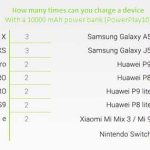
A higher mAh rating means your power bank can charge your devices more times before needing a recharge. In short, if you want your power bank to last longer and keep your gadgets powered up on the go, choosing a higher mAh capacity is the way to go.
The mAh (milliampere-hour) of a power bank indicates its energy storage capacity. Generally, higher mAh means more charging power, making it ideal for heavy users or multiple devices. However, it also adds to the size and weight of the power bank. Understanding what mAh is good for helps you pick the right balance between portability and capacity based on your needs, whether you’re traveling, working remotely, or just want fewer recharges throughout the day.

What mAh Is Good for a Power Bank?
Understanding mAh and Its Importance
mAh stands for milliampere-hour, a measurement of a power bank’s capacity. It shows how much charge a power bank can store and deliver to your devices. The higher the mAh, the more energy the power bank can provide before needing a recharge.
Choosing the right mAh depends on your device usage. Smaller devices like smartphones require less capacity, while larger gadgets like tablets or multiple devices need more mAh. Knowing what mAh is suitable helps you pick a power bank that fits your needs and saves you from frequent recharging.
How to Determine the Right mAh for Your Devices
To find the appropriate mAh, examine your device’s battery capacity, usually listed in its settings or specifications. For example, a smartphone might have a 3000mAh battery, and a tablet could have a 7000mAh battery.
As a rule, choose a power bank with a capacity at least 1.5 to 2 times your device’s battery capacity. This ensures your device can be fully charged once or even twice without needing to refill the power bank. For multiple devices or heavy usage, opt for even higher capacity power banks.
Common mAh Ranges and Use Cases
| Capacity Range | Ideal Use |
|---|---|
| Up to 2000mAh | Quick top-ups for smartphones, minimal travel |
| 2000mAh to 5000mAh | New smartphones, daily use, short trips |
| 5000mAh to 10000mAh | Multiple device charges, longer trips, camping |
| 10000mAh and above | Powering tablets, multiple devices, emergency backup |
Why Capacity Matters for Different Devices
Smartphones typically last a day but may need a recharge during heavy usage. A power bank with 5000mAh to 10000mAh can comfortably handle one or two charges.
Tablets and larger gadgets consume more power, so they benefit from capacities over 10000mAh. For users with multiple devices or remote work, larger power banks prevent interruptions and ensure continuous connectivity.
Balancing Size, Weight, and Capacity
Higher mAh power banks tend to be heavier and bulkier. If portability is key, consider a power bank with lower capacity but lightweight design.
For extended trips or heavy device usage, prioritize capacity over size. Remember, a good balance improves convenience without sacrificing portability or functionality.
Important Factors When Selecting a Power Bank
- Capacity (mAh): matches your daily needs
- Size and weight: ease of carrying
- Charging Speed: look for fast-charging features
- Number of Output Ports: charge multiple devices simultaneously
- Battery Type: lithium-polymer or lithium-ion batteries for better lifespan
Practical Examples of Power Bank Usage Based on mAh
- Light User: A 3000mAh power bank can give a smartphone a full charge once, perfect for daily commutes.
- Moderate User: A 10000mAh power bank can recharge a smartphone 2-3 times, suitable for day trips or workdays away from power sources.
- Heavy User or Traveler: A 20000mAh or higher power bank supports multiple device charges for several days, ideal for camping or long journeys.
Additional Considerations for mAh Selection
Always consider future needs along with current requirements. If you plan to buy a power bank for years to come, choosing a slightly higher capacity than you currently need can be a good idea.
Battery efficiency also impacts how much of the stored capacity is actually usable. Some energy is lost during the conversion process, so opt for a capacity that accounts for this loss.
Impact of Charging Speed and Output Power
While mAh measures capacity, charging speed depends on the output power, measured in volts and amperes. Power banks with higher output current (like 2A or more) can charge devices faster. Ensure your power bank’s output matches your device’s charging requirements for optimal performance.
Durability and Longevity of Power Banks
Higher capacity power banks with quality batteries last longer over multiple charge cycles. Proper care, such as avoiding complete discharges and using compatible chargers, prolongs lifespan and maintains capacity.
Summary of Key Points
- Choose a capacity based on your device’s battery size and usage needs
- Balance portability with capacity for convenience
- Consider future needs to select a higher capacity if necessary
- Check for charging speed and compatibility for effective use
Related Topics to Explore
- Best power banks for travel
- Understanding fast-charging technology
- How to extend the life of your power bank
- Choosing between lithium-ion and lithium-polymer batteries
This detailed overview of what mAh is good for a power bank highlights the importance of understanding your device needs and how capacity influences your choice. Selecting the right capacity ensures you stay connected, whether during daily routines or extended adventures.
What Battery Bank Should You Buy?
Frequently Asked Questions
How does the capacity of a power bank influence its usability?
The capacity of a power bank, measured in milliampere-hours (mAh), determines how many charges it can provide for your devices. A higher mAh capacity allows you to charge your devices multiple times before needing to recharge the power bank itself. For regular daily use and multiple device charges, selecting a power bank with at least 10,000mAh is advisable. If you need to charge larger devices or require extensive usage when away from power sources, opting for 20,000mAh or more ensures sufficient power supply.
What is the ideal mAh range for a power bank used during travel?
For travel purposes, a power bank with a capacity between 10,000mAh and 20,000mAh offers the best balance. It provides enough power to charge smartphones several times, supports tablets, and remains portable enough to carry comfortably. Smaller capacities may require frequent recharging, while larger capacities tend to be bulkier and heavier, making this range ideal for travelers who want portability without sacrificing power.
How does battery capacity affect charging speed and device safety?
Higher capacity power banks generally have larger batteries and can deliver more total energy, but the charging speed depends on the output power (measured in amps). Many power banks with high capacity also include safety features such as overcharge protection, preventing damage to your devices. It’s important to choose a power bank with suitable output specifications to ensure rapid, safe charging without risking overheating or damaging your devices.
Is it better to have a power bank with a higher or lower mAh for everyday use?
For everyday use, a power bank with a capacity between 5,000mAh and 10,000mAh usually suffices. It offers enough power to top up your phone once or twice while remaining lightweight and easy to carry. Higher capacities are beneficial if you need to charge multiple devices or longer-lasting power during extended outings, but they might add extra weight and size to your daily carry options.
How does choosing a specific mAh rating impact the overall cost of a power bank?
Generally, power banks with higher mAh ratings tend to cost more due to their larger batteries and additional features. While a 10,000mAh power bank might be affordable and suitable for light usage, investing in a 20,000mAh or higher capacity device provides more power at a higher price point. Consider your usage needs and budget to find the best balance between capacity and cost.
Final Thoughts
A power bank’s capacity, measured in mAh, determines how much charge it can store. For daily use, a power bank with 5,000 to 10,000 mAh works well to keep your devices powered on the go. If you need to charge multiple devices or larger gadgets like tablets, consider 20,000 mAh or higher.
What mah is good for a power bank depends on your specific needs and usage frequency. Choose a suitable capacity to ensure your devices stay charged without carrying unnecessary weight.