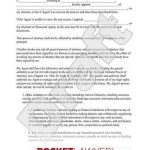
To use a power of attorney at a bank, you’ll need to present the authorized document along with your identification. This allows the designated person to manage banking transactions on your behalf. Whether you’re out of town or unable to handle your finances personally, a power of attorney simplifies the process and ensures your banking needs are covered smoothly.
A power of attorney (POA) is a legal document that grants someone else the authority to act on your behalf. Using it at a bank involves providing the bank with the POA form and proof of identity, enabling the designated person to perform transactions like deposits, withdrawals, or account management. It’s a straightforward process that, with the right documentation, makes managing your finances more flexible and accessible.
If you need to use a power of attorney at a bank, start by ensuring you have the correct POA form signed and notarized. Visit your bank with the original document and your ID, and notify the bank staff about the authorized person. They may require additional verification, but once approved, your agent can carry out the necessary banking tasks seamlessly.

How to Use a Power of Attorney at a Bank
Understanding the Power of Attorney (POA) and Its Purpose
A Power of Attorney is a legal document that allows one person, called the principal, to authorize another person, called the agent or attorney-in-fact, to handle financial or personal matters. This document is useful when the principal cannot be present or is unable to manage their affairs.
Banks often recognize a POA to let an agent access accounts, make transactions, and perform other banking activities on behalf of the principal. It’s essential to understand the scope of the POA—whether it grants broad authority or is limited to specific tasks.
Types of Power of Attorney Relevant to Banking
There are different types of POA that affect banking activities:
- General Power of Attorney: Grants broad authority to handle all financial transactions.
- Special or Limited Power of Attorney: Allows only specific actions, such as paying bills or managing certain accounts.
- Durable Power of Attorney: Remains in effect even if the principal becomes incapacitated.
- Springing Power of Attorney: Becomes active only under specific conditions, such as the principal’s incapacity.
Knowing which type you have helps determine what banking actions are permitted under your POA.
Preparing the Power of Attorney for Bank Use
Before visiting the bank, ensure the POA document is correctly prepared:
- Make sure the document explicitly grants banking authority.
- Confirm it is signed and notarized according to your state’s laws.
- Keep multiple copies—one for the bank and others for personal records.
- Review the POA to ensure it covers all necessary banking activities.
Having a properly prepared POA reduces complications during banking transactions.
How to Present the Power of Attorney at the Bank
When using the POA at the bank, follow these steps:
- Visit the bank branch during business hours with your POA document.
- Bring valid identification, such as a driver’s license or passport.
- Speak with a bank officer or manager familiar with POA procedures.
- Submit the original POA document for review; some banks may ask for copies.
- Complete any required bank forms related to your transaction.
- Allow the bank to verify the document and your authority to act as the agent.
Patience and clear communication help ensure a smooth process.
Bank Policies and Limitations on Power of Attorney Use
Banks may have specific policies about accepting POA documents:
- Some banks require that the POA be on their approved form or include specific language.
- Limited or springing POAs might not be accepted for certain transactions.
- If the POA is outdated or improperly executed, the bank can refuse service.
- Not all banks recognize all types of POA; it’s best to check beforehand.
Understanding these policies can prevent surprises.
What Transactions Can a POA Perform at the Bank?
Depending on the scope granted, a POA can allow:
- Depositing and withdrawing funds.
- Writing checks from the principal’s account.
- Managing online banking activities.
- Closing or opening accounts on behalf of the principal.
- Handling loan payments or applying for new loans.
- Requesting account information and statements.
Always verify what actions are permitted within the POA to avoid exceeding your authority.
Limitations and Prohibited Actions
While a POA provides broad authority, some actions are generally restricted:
- Cannot change or revoke the POA unless explicitly authorized.
- Cannot create or modify the principal’s will.
- Cannot sign documents related to the principal’s health or personal welfare unless specified.
- Cannot access safe deposit boxes unless specifically authorized.
Being aware of these restrictions helps prevent legal issues.
Duration and Termination of Power of Attorney
A POA remains in effect until:
- The principal revokes it in writing.
- The principal passes away.
- The specified end date, if any, is reached.
- The court invalidates the document.
It’s important to understand how and when a POA can be terminated to ensure proper legal steps are taken.
Handling Challenges or Disputes with the POA
Sometimes, banks or family members may question the POA’s validity.
- Ensure the document is properly executed and notarized.
- Maintain copies and records of transactions performed under the POA.
- Consult with a legal professional if disputes arise.
- Be prepared to provide additional proof of authority if requested.
Clear documentation and legal advice can help resolve conflicts efficiently.
Choosing the Right Agent for Banking Powers
Select an agent who is trustworthy and responsible.
- Discuss expectations and responsibilities beforehand.
- Ensure they understand the scope of authority granted.
- Preferably, choose someone who is organized and attentive to detail.
- Have a backup agent listed in case the primary agent is unavailable.
Proper selection safeguards your financial well-being and ensures smooth transactions.
Related Topics and Additional Resources
Consider exploring these related topics for a better understanding:
- How to Create a Power of Attorney
- Differences Between Durable and Springing POA
- Legal Requirements for POA Documents
- Revoking or Changing a POA
- Handling POA Disputes and Court Challenges
Having comprehensive knowledge helps you manage your legal and financial affairs effectively.
Final Tips for Using a Power of Attorney at Your Bank
Always keep your POA up-to-date and review your legal documents regularly.
- Communicate clearly with your agent about your wishes.
- Inform your bank in advance about your POA and any special instructions.
- Maintain organized records of all transactions made under the POA.
- Consult a legal professional for guidance if you face complex situations.
Adopting these practices ensures that your banking needs are met smoothly and securely.
Power of Attorney Explained
Frequently Asked Questions
What documents should I bring to use a power of attorney at the bank?
When using a power of attorney at the bank, you need to bring the original signed document granting you authority, along with valid identification such as a driver’s license or passport. Some banks may also require additional forms or identification specific to their policies, so it’s best to contact your bank beforehand to confirm their requirements.
How can I ensure the bank recognizes my power of attorney?
To have the bank recognize your authority, ensure the power of attorney document is properly drafted, clearly states your authority, and is signed according to state laws. It’s helpful to bring a certified copy of the document and, if necessary, have it notarized or legalized. Inform the bank in advance and present the document to a bank officer when you visit so they can verify its validity.
Are there specific actions I can perform at the bank using a power of attorney?
Yes, with a valid power of attorney, you can perform a variety of actions such as depositing or withdrawing funds, managing accounts, signing checks, and closing or opening accounts. However, certain transactions like obtaining a loan or modifying account ownership may require additional approval or documentation, depending on the bank’s policies.
What should I do if the bank refuses to accept my power of attorney?
If the bank refuses your power of attorney, ask for a clear explanation and review the document to ensure it meets their requirements. You can request to speak with a bank manager or legal representative. Sometimes, banks need additional documentation or clarification. Consider consulting a legal professional to verify the document’s validity or to draft a new one that complies with their policies.
Can I use a power of attorney for online banking transactions?
Many banks allow authorized individuals to perform online banking activities if the power of attorney explicitly grants such authority. Contact your bank to confirm whether they permit online transactions under a power of attorney and if you need to register or set up any special access. Always ensure your documentation is in order to avoid issues during digital transactions.
Final Thoughts
Using a power of attorney at a bank involves submitting the signed document along with valid identification. Visit the bank and inform staff of your authority. They will verify the document and your identity before proceeding.
Ensure all transactions comply with the scope granted by the power of attorney. Stay aware of any restrictions or specific instructions outlined in the document.
In conclusion, understanding how to use a power of attorney at a bank simplifies managing accounts on someone else’s behalf. Follow proper procedures and verify your authority to ensure smooth banking operations.