Don’t let water ruin your portable sound box! This guide provides practical strategies to shield your device from splashes, rain, and submersion. From using waterproof cases to choosing the right location, we cover everything you need to know to keep your music playing, come rain or shine.
Summer days, beach trips, pool parties, or even just a sudden downpour – life happens, and often, it involves water. And if you’re someone who loves to bring your portable sound box along for the ride, then protecting it from the elements becomes a top priority. Nobody wants their music to abruptly stop because of a rogue wave, a spilled drink, or a passing shower. But how do you ensure your trusty audio companion stays safe and sound, no matter the aquatic adventure? This comprehensive guide will walk you through everything you need to know to protect your portable sound box from water.
We’ll explore various methods, from understanding your device’s built-in features to employing external protective measures. Whether you’re a seasoned outdoor enthusiast or just enjoy casual gatherings, these tips will help you keep your music alive and your sound box damage-free. Let’s dive in and learn how to keep your portable sound box from succumbing to the dreaded water damage.
Key Takeaways
- Check for IP Ratings: Understand your sound box’s water resistance level (IPX rating) to know its capabilities.
- Invest in Waterproof Cases: Durable, sealed cases offer the best physical protection against moisture.
- Strategic Placement is Crucial: Avoid placing your sound box near water sources like pools, open drinks, or in direct rain.
- Dry Thoroughly After Exposure: If your sound box gets wet, dry it completely with a soft cloth and allow it to air dry before use.
- Be Mindful of Ports and Buttons: Ensure charging ports, auxiliary inputs, and buttons are protected from water ingress.
- Consider Protective Covers: Small, simple covers can shield vulnerable parts from light splashes.
- Regular Maintenance: Keep your sound box clean and its seals intact to maintain its water resistance.
📑 Table of Contents
Understanding Your Portable Sound Box’s Water Resistance
Before you even think about taking your sound box out and about, it’s crucial to know what you’re working with. Not all portable sound boxes are created equal when it comes to water resistance. Many modern devices boast some level of protection, but understanding the specifics is key. This is where the IP rating comes into play.
What is an IP Rating?
IP stands for “Ingress Protection.” An IP rating is a standardized system that classifies the degree of protection a device’s enclosure offers against the intrusion of solid objects (like dust) and liquids (like water). For portable sound boxes, the most relevant part of the IP rating is the second digit, which indicates water resistance.
Decoding the IPX Number
You’ll often see ratings like IPX4, IPX5, IPX7, or even IP67. The “X” signifies that the dust protection hasn’t been specifically tested or is not a primary feature. The number following the “X” tells you about water resistance:
- IPX0: No protection against water.
- IPX1: Protected against vertically falling water droplets. (Minimal protection)
- IPX2: Protected against vertically falling water droplets when the device is tilted up to 15 degrees. (Slightly better)
- IPX3: Protected against water spray from any direction. (Can withstand light rain)
- IPX4: Protected against splashes from any direction. (Good for poolside or kitchen use)
- IPX5: Protected against water jets from any direction. (Can withstand more forceful splashes, like from a hose on a low setting)
- IPX6: Protected against strong water jets. (Can handle more intense water exposure)
- IPX7: Protected against the effects of temporary immersion in water (up to 1 meter for 30 minutes). (Excellent for accidental drops in shallow water)
- IPX8: Protected against continuous immersion in water under conditions specified by the manufacturer. (Designed for prolonged submersion, but always check manufacturer specs)
Why It Matters for Your Sound Box
Knowing your sound box’s IP rating is the first step in protecting your portable sound box from water. A device with an IPX4 rating might be fine near a sprinkler, but it will likely be damaged if submerged. Conversely, an IPX7 rated speaker can survive a dip, but that doesn’t mean you should intentionally drop it in the ocean. Always refer to your sound box’s manual for the exact specifications and limitations. If your sound box doesn’t have an IP rating, treat it as if it has no water protection at all.
Practical Waterproofing Solutions
Once you understand your sound box’s capabilities, you can implement practical solutions to keep it dry. These range from simple, affordable methods to more robust, specialized gear.
Using Waterproof Cases and Bags
This is arguably the most effective way to protect your portable sound box from water, especially if it doesn’t have a high IP rating.
- Dedicated Speaker Pouches: Many brands offer soft, water-resistant pouches designed to fit specific speaker models. These are great for protecting against light splashes and dust.
- Universal Waterproof Phone Bags: These are inexpensive and can work for smaller portable sound boxes. They usually have a secure seal and a lanyard, making them easy to carry. Ensure the sound box fits comfortably and that the bag’s seals are intact.
- Hard-Shell Waterproof Cases: For maximum protection, especially when traveling or in high-risk environments, consider a hard-shell case. These are often designed for cameras or other electronics and offer excellent protection against both water and impact. Look for models with a tight seal and a pressure-release valve for altitude changes.
**Pro Tip:** Always test the waterproofness of any case or bag *before* putting your sound box inside. Place a dry paper towel inside the empty case, seal it, and submerge it in water for a few minutes. Check the paper towel for any signs of moisture.
DIY Protective Measures
If you’re in a pinch or on a budget, a few common household items can offer temporary protection:
- Plastic Bags and Rubber Bands: A heavy-duty Ziploc bag can be a lifesaver. Place your sound box inside, squeeze out as much air as possible, and seal it tightly. Use multiple bags for extra security. Secure the opening with a strong rubber band or tape.
- Plastic Wrap: For very light protection against mist or fine spray, several layers of plastic wrap tightly secured around the speaker can offer a barrier. This is not a solution for splashes or submersion.
- Plastic Containers: A sturdy plastic food container with a tight-fitting lid can serve as a makeshift waterproof enclosure for smaller sound boxes.
Remember, DIY solutions are best for short-term, low-risk situations. They are not a substitute for proper waterproof gear.
Strategic Placement and Environmental Awareness
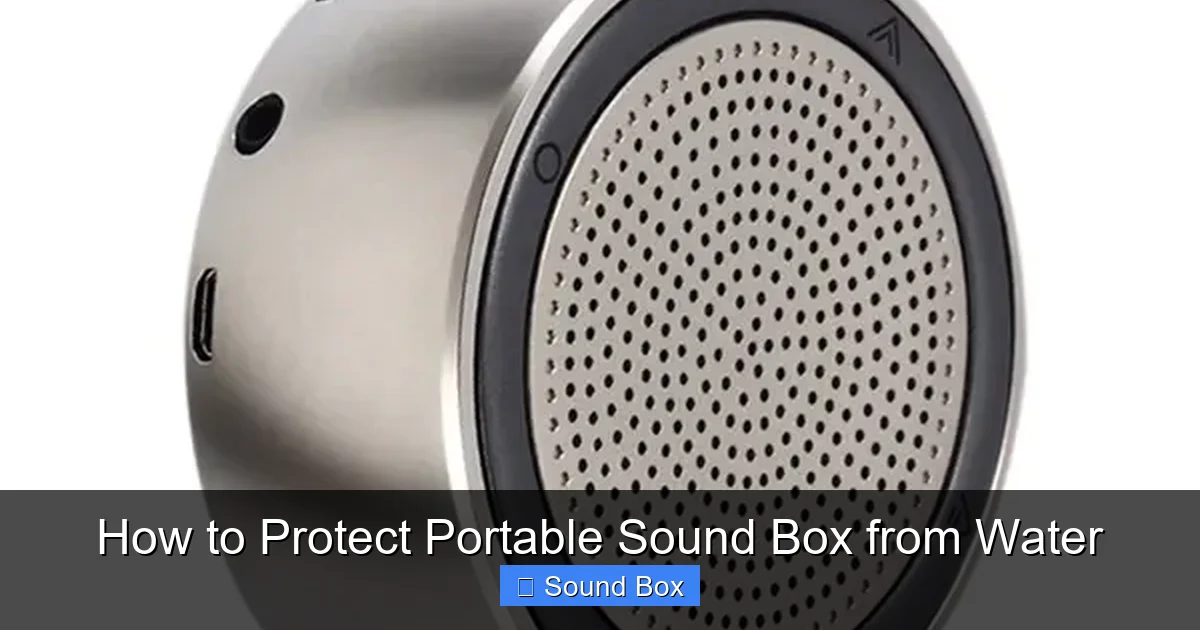
Visual guide about How to Protect Portable Sound Box from Water
Image source: canary.contestimg.wish.com
Sometimes, the best way to protect your portable sound box from water is to simply be smart about where you put it and what’s happening around it. This involves a keen awareness of your surroundings.
At the Beach or Poolside
The beach and pool are prime locations for water-related accidents.
- Elevate Your Speaker: Keep your sound box off the sand or wet deck. Use a beach towel, a small stool, or a cooler as a raised platform.
- Distance is Your Friend: Don’t place your sound box right at the edge of the pool or where waves might crash. Maintain a safe distance to avoid accidental splashes.
- Beware of Splashes: Even if your speaker is water-resistant, avoid direct, forceful splashes. This is especially important if you’re in a chlorinated pool, as chlorine can damage certain materials over time.
During Outdoor Activities and Events
Whether you’re hiking, camping, or having a backyard barbecue, weather can be unpredictable.
- Check the Weather Forecast: Before heading out, always check the forecast. If rain is expected, consider leaving your sound box at home or packing it in a dedicated waterproof bag. For longer trips, a portable solar charger can keep it powered without needing to find an outlet, but it won’t protect it from rain.
- Shelter Your Speaker: During light rain or mist, try to place your sound box under an overhang, a tent, or an umbrella.
- Be Mindful of Drinks: At parties, keep your sound box away from open containers of drinks. A misplaced elbow or a playful dog can easily send liquid flying.
Avoiding Condensation
Even without direct water exposure, condensation can be a sneaky threat, especially during temperature changes. For instance, leaving a sound box outside overnight in cool, damp air can lead to moisture buildup. This is particularly relevant if you’re using your speaker in a tent or in humid environments. Always ensure your speaker is in a dry, ventilated area when not in use, and allow it to acclimatize to temperature changes before powering it on if it’s been exposed to significant humidity.
Protecting Ports and Buttons
Visual guide about How to Protect Portable Sound Box from Water
Image source: techsynchron.com
The most vulnerable parts of any electronic device are its ports and buttons. Water can easily seep in through these openings, causing internal damage.
Charging Ports and Auxiliary Inputs
Most portable sound boxes have USB ports for charging and sometimes an auxiliary (AUX) input for wired connections.
- Keep Them Covered: Many water-resistant speakers come with rubberized or silicone covers for these ports. Ensure these covers are always firmly in place when the ports are not in use.
- Inspect Regularly: Periodically check these covers for any signs of wear or damage. A worn-out seal won’t provide adequate protection.
- Dry Immediately: If any moisture gets into the ports, do not attempt to charge the device. Dry the area thoroughly with a soft, absorbent cloth and allow it to air dry completely before plugging anything in.
Physical Buttons
While buttons are generally designed to be more robust, water can still find its way around them, especially with prolonged exposure or strong jets.
- Gentle Operation: Avoid pressing buttons aggressively when wet.
- Cleanliness: Keep the area around buttons clean. Dirt and debris can interfere with seals.
What to Do If Your Sound Box Gets Wet
Accidents happen, and sometimes, despite your best efforts, your portable sound box might get wet. Knowing how to react quickly can make a significant difference in preventing permanent damage.
Immediate Steps to Take
- Power Off Immediately: The very first thing you should do is turn off the sound box. Do not attempt to play music or charge it while it’s wet.
- Disconnect Any Cables: If a charging cable or AUX cable is connected, unplug it immediately.
- Shake Out Excess Water: Gently shake the speaker to remove any excess water from the exterior and any accessible openings.
Drying Your Sound Box
This is where patience is key.
- Wipe Down: Use a clean, soft, absorbent cloth (like microfiber) to wipe down the entire exterior of the sound box.
- Air Dry: Place the sound box in a dry, well-ventilated area and let it air dry completely. You can place it upright, or on its side, to allow any trapped moisture to escape. Avoid direct sunlight or heat sources, as these can damage the components.
- Be Patient: Drying can take anywhere from a few hours to a couple of days, depending on how wet the speaker got and the ambient humidity. Do not be tempted to use a hairdryer on a hot setting or place it in an oven, as this can cause severe damage. A gentle stream of cool air from a fan might help speed up the process.
- Check Ports and Grilles: Pay attention to drying any water that might have entered the speaker grilles or ports. You can use a cotton swab to gently wick away moisture from ports, but be careful not to push it further in.
**Important Note:** If your sound box has been exposed to salt water or chlorinated water, rinse it gently with fresh water (if its IP rating allows for submersion) *after* turning it off and shaking off excess water. Then proceed with the drying process. Salt and chlorine are highly corrosive. If you’re unsure about submersion, just wipe it down thoroughly with a damp cloth using fresh water.
Maintenance and Long-Term Care
Protecting your portable sound box from water isn’t just about emergency situations; it’s also about ongoing care to ensure its longevity.
Regular Cleaning
Keeping your sound box clean helps maintain its seals and prevent debris from compromising water resistance.
- Wipe Down Regularly: After each use, especially if it’s been exposed to dust or minor splashes, wipe down the exterior with a dry or slightly damp cloth.
- Clean Ports and Grilles: Use a soft brush or compressed air to gently clean out dust and debris from speaker grilles and port covers. Refer to your manual for specific cleaning instructions. For sandy environments, learning how to clean sand from your speaker is essential.
Inspecting Seals and Covers
- Check for Damage: Regularly examine the rubber seals around ports, buttons, and seams. Look for cracks, tears, or signs of degradation.
- Replace Worn Parts: If any seals or covers are damaged, try to find replacements from the manufacturer. Using a sound box with compromised seals is risky.
Storage
- Dry Location: Store your sound box in a cool, dry place away from direct sunlight and extreme temperatures. Avoid damp basements or garages if possible.
- Protective Gear: When storing for extended periods, consider keeping it in its original packaging or a protective bag to prevent dust accumulation and accidental damage.
By taking these preventative measures and understanding how to respond to accidents, you can significantly extend the life of your portable sound box and continue to enjoy your music wherever life takes you. Whether you’re using it for a quiet afternoon in the garden or a lively party by the lake, knowing how to protect your portable sound box from water will give you peace of mind and ensure your soundtrack never gets cut short.
Frequently Asked Questions
What is the best way to protect a portable sound box from rain?
The best way to protect your portable sound box from rain is to check its IP rating. If it’s not highly water-resistant, use a dedicated waterproof case or bag. Always place it under shelter if possible and consider leaving it indoors during heavy downpours.
Can I use my portable sound box in the shower?
Only if your portable sound box has a high IP rating, typically IPX5 or higher, indicating it can withstand water splashes. Even then, avoid direct jets of water and ensure all ports are properly sealed. It’s always best to err on the side of caution.
What should I do if my portable sound box falls into water?
Immediately turn it off, disconnect any cables, and shake out excess water. Then, wipe it down with a soft cloth and allow it to air dry completely in a well-ventilated area. Do not try to charge or use it until it’s fully dry.
Are all portable sound boxes waterproof?
No, not all portable sound boxes are waterproof. Many have some level of water resistance (splash-proof or shower-proof), but true waterproofing, meaning it can be submerged, is less common and indicated by higher IP ratings like IPX7 or IPX8.
How can I improve the sound quality of my portable sound box outdoors?
To improve sound quality outdoors, consider positioning your speaker strategically, using reflective surfaces, and ensuring you have good Bluetooth range. You might also explore connecting multiple speakers for a fuller sound experience, especially in larger areas.
Does chlorine water damage portable sound boxes?
Yes, chlorine water can be damaging to the materials of some portable sound boxes over time, even if they are rated as water-resistant. It’s best to avoid prolonged exposure and rinse the speaker with fresh water if it comes into contact with pool water.