Protect your Bluetooth speaker from chlorine and water with these simple tips to keep your poolside tunes safe and sound. It’s easier than you think!
Hey there, tech lover! I’m Max Donovan, your guide to making gadgets easy and fun over at AffTechy.com. Isn’t it awesome how a little Bluetooth speaker can turn a boring afternoon into a party? Whether you’re chilling by the pool, jamming in the shower, or just enjoying some tunes on a sunny day, your speaker brings the soundtrack to life. But let’s be honest, sometimes our favorite gadgets end up in tricky situations. We love using them everywhere, but what happens when water, especially pool water with its chlorine, gets involved? It can be a bit worrying, right?
You might be thinking, “My speaker sounds great, but can it handle a splash?” Or maybe you’re wondering if you need a super-fancy, super-expensive speaker just to use it near the water. I get it! Tech specs can sometimes sound like a secret language. But don’t sweat it! My goal is to make technology simple, useful, and totally stress-free for you. We’re going to dive into how to keep your Bluetooth speaker safe from chlorine and water, no confusing jargon, just plain old common sense and smart tips.
Think of this as your friendly guide to happy speaker adventures, no matter where life takes you. We’ll cover everything from understanding what makes a speaker water-resistant to simple habits that can save your speaker from a watery fate. Ready to learn how to protect your audio buddy and keep the music flowing, splash after splash? Let’s break it down step by step!
Why Worry About Water and Chlorine?
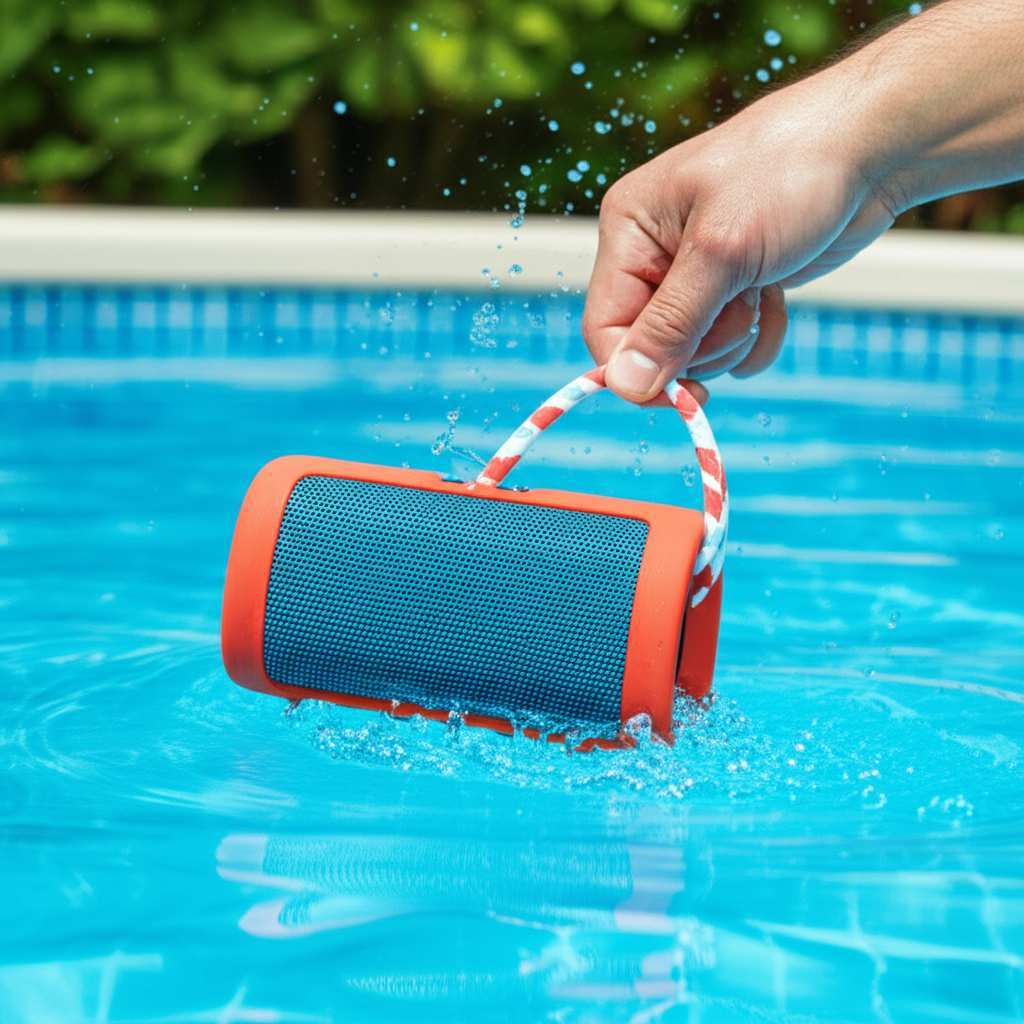
It’s pretty simple, really. Water and electronics don’t always play nicely together. Even a little bit of moisture can cause serious damage. Think about it: water can get into the speaker’s tiny components. It can short-circuit the delicate electronics inside. This can lead to crackling sounds, or worse, your speaker just stops working altogether.
And chlorine? Well, pool water is great for swimming, but it’s not so great for gadgets. Chlorine is a chemical designed to disinfect and clean. When it comes into contact with the sensitive materials in your speaker, like the speaker cones, grille, or even the casing, it can cause damage over time. It can degrade plastics, corrode metal parts, and leave behind residue that affects sound quality. So, while your speaker might survive a tiny splash, repeated exposure to chlorinated water can be a real problem.
Is My Bluetooth Speaker Already Water-Resistant?
This is the first big question many people ask. Not all Bluetooth speakers are created equal when it comes to water. Some are built tough, ready for anything, while others are best kept far away from any moisture. The key thing to look for is something called an “IP rating.”
IP stands for “Ingress Protection.” It’s a standard used to classify the degree of protection an electronic device offers against intrusion from solid objects (like dust) and liquids (like water). You’ll see it as “IP” followed by two numbers. The second number is the one that tells you about water protection.
Here’s a quick cheat sheet for the water rating:
- IPX0: No special protection against water.
- IPX1: Protected against vertically falling water drops.
- IPX2: Protected against water drops falling at a 15° angle.
- IPX3: Protected against water sprayed at any angle up to 60° from vertical.
- IPX4: Protected against water splashed from any direction. This is common for many portable speakers.
- IPX5: Protected against low-pressure water jets from any direction. Think rain or a gentle hose spray.
- IPX6: Protected against high-pressure water jets from any direction. A stronger hose spray.
- IPX7: Can be immersed in water up to 1 meter for 30 minutes. Perfect for accidental drops in the pool!
- IPX8: Can be immersed in water under conditions agreed upon by the manufacturer, usually deeper or longer than IPX7.
The higher the second number, the better the speaker is protected against water. For poolside or shower use, you’ll want at least an IPX4, but IPX5 or higher is even better. Speakers with IPX7 or IPX8 ratings are often labeled as “waterproof,” meaning they can handle submersion.
You can usually find the IP rating printed on the speaker itself, in the user manual, or on the product’s packaging and online listing. Always check this before you decide where to use your speaker!
Smart Ways to Protect Your Speaker from Water and Chlorine
Even if your speaker has a great IP rating, there are always smart things you can do to keep it in top shape. It’s all about being a little mindful and taking a few easy precautions.
1. Know Your Speaker’s Limits
This is the golden rule. Just because a speaker is rated IPX7 doesn’t mean you should go scuba diving with it. These ratings are tested under specific lab conditions. Real-world use can be a bit different.
For example, if your speaker is rated for splashes (IPX4), don’t dunk it in the pool. If it’s rated for submersion (IPX7), it’s usually in fresh water. Chlorine can be harsher, so it’s always best to err on the side of caution.
2. Keep it Away from Direct Splashes
The easiest way to protect your speaker is to keep it out of harm’s way. Position it on a stable surface that’s well away from the edge of the pool or shower.
A little planning goes a long way. If you’re at a party, place your speaker on a table or shelf, not right next to the drinks or the splash zone. When you’re in the shower, hang it away from the direct spray of the water.
3. Use a Waterproof Case or Pouch
If your speaker isn’t very water-resistant, or if you’re extra worried about chlorine, consider a waterproof pouch. These are like little waterproof bags that you can put your speaker inside.
You can still control your speaker through the pouch, and it offers a great barrier against water and chlorine. It’s a simple and affordable solution for extra peace of mind. Just make sure the pouch is sealed properly before you put your speaker in it!
4. Dry It Off Properly After Use
Even if your speaker is water-resistant, it’s a good habit to dry it off after it gets wet. Use a soft, dry cloth to wipe away any water droplets.
Pay attention to any ports or charging areas. While they might be designed to keep water out, it’s always best to ensure they are dry before plugging in a charger. This prevents any potential corrosion or electrical issues.
5. Avoid Harsh Cleaning Agents
When it comes to cleaning, stick to plain water and a soft cloth. Avoid using harsh chemicals, especially those containing alcohol or ammonia, as they can damage the speaker’s materials.
Chlorine is already a harsh chemical. You don’t want to add more to the mix. If you’ve been using your speaker near a chlorinated pool, a gentle rinse with fresh water and then drying it thoroughly is usually sufficient.
6. Check the Seals and Grilles
Over time, the seals around buttons or charging ports can wear out. Similarly, speaker grilles can get clogged with debris. Regularly inspect your speaker for any signs of wear and tear.
If you notice any cracks in the rubber seals or damage to the grille, it might be time to consider a new speaker or at least be extra careful with it near water. A damaged seal means water can get in where it shouldn’t.
Let’s Look at Some Speaker Features
When you’re shopping for a new Bluetooth speaker, especially if you plan to use it outdoors or near water, keep an eye out for these helpful features.
Here are some features to consider:
- High IP Rating (IPX5+): As we discussed, this is your primary indicator of water resistance.
- Floating Design: Some speakers are designed to float! This is amazing for pool parties. If your speaker accidentally falls in, it just bobs on the surface.
- Durable Casing: Look for speakers with robust, shock-absorbent materials like rubber or tough plastics. These can withstand bumps and drops.
- Sealed Ports: Ensure charging ports and auxiliary inputs are well-sealed or covered with a flap. This is crucial for preventing water entry.
- Submersible Capability (IPX7/IPX8): If you’re a serious water enthusiast, a speaker that can be submerged is the ultimate protection.
A Quick Comparison: Water-Resistant Speaker Options
Choosing a speaker that fits your needs can be tricky. Here’s a little table to give you an idea of what you might find in different types of water-resistant speakers. Remember, “waterproof” often means resistant to submersion, while “water-resistant” usually means protection against splashes and light sprays.
| Speaker Type | Typical IP Rating | Best For | Chlorine Tolerance | Example Use Cases |
|---|---|---|---|---|
| Basic Portable Speaker | IPX4 | Light splashes, accidental drips | Low (avoid direct contact) | Kitchen counter, desk, gentle outdoor breeze |
| Rugged Outdoor Speaker | IPX5 – IPX6 | Rain, spray, light hose wash | Moderate (rinse after use) | Camping, beach picnics, gardening, light shower use |
| Poolside/Shower Speaker | IPX7 | Submersion up to 1 meter for 30 mins | Moderate (rinse thoroughly) | Pool parties, boat trips, shower singing sessions |
| Extreme Adventure Speaker | IPX8 | Deeper or prolonged submersion | Moderate (rinse thoroughly) | Kayaking, intense water sports, accidental drops in water |
As you can see, the IP rating is super important! For regular poolside use where splashes are likely, an IPX5 or IPX7 rating is your sweet spot. If your speaker is going to be directly in the line of fire, like right next to the pool edge, you’ll want to be extra careful, even with a good IP rating. Always remember to rinse with fresh water after exposure to chlorinated water and dry it completely.
Common Mistakes to Avoid
We all make mistakes, but avoiding these common pitfalls can seriously extend the life of your Bluetooth speaker.
Here are a few things to steer clear of:
- Assuming “Waterproof” means Indestructible: No speaker is truly indestructible. Treat it with care.
- Using it in Hot Tubs: Hot water and steam can be more damaging than regular cold water. Plus, the chemicals can be more concentrated.
- Ignoring the Manual: The manufacturer knows their product best. Read the manual for specific care instructions.
- Charging a Wet Speaker: Never plug in a charger if the speaker or its ports are wet. This is a recipe for disaster.
- Leaving it in Direct Sunlight for Too Long: While not directly water-related, excessive heat can damage battery life and internal components, making it more vulnerable to water damage later.
Fun Fact Time!
Did you know that some of the earliest portable radios were made to be water-resistant for use by the military? They needed gear that could withstand tough conditions, and that included moisture! This idea of making electronics more robust for specific environments has really driven innovation in speaker design over the years.
Taking Care of Your Speaker After a Splash
So, your speaker took an accidental dip or got splashed more than you expected. Don’t panic! Here’s what you can do right away.
Here are the steps to take:
- Immediate Action: If it was submerged, pull it out right away. Don’t try to turn it on or use it.
- Dry the Exterior: Use a soft, lint-free cloth to gently wipe down the entire speaker.
- Shake Out Excess Water: If water got into any openings, gently shake the speaker to let excess water drain out. Aim the ports downwards.
- Air Dry Thoroughly: Place the speaker in a well-ventilated area and let it air dry completely for at least 24-48 hours. Patience is key here!
- Check Ports: Ensure all charging ports and any other openings are completely dry before attempting to charge or use the speaker. You can even use a dry cotton swab to gently clean inside ports if needed.
- Test Carefully: Once you’re sure it’s dry, try turning it on. If it works, great! If not, it might be time to contact the manufacturer or consider a repair.
For more in-depth advice on waterproof electronics, check out this guide from CNET. They’ve got some great insights into IP ratings and what they really mean!
Frequently Asked Questions (FAQ)
Q1: Can I use my regular Bluetooth speaker at the beach?
A1: If your speaker has at least an IPX4 rating, it can handle light splashes and sea spray. However, sand and salt water can still be abrasive and damaging. It’s best to keep it on a towel away from direct contact and wipe it clean with fresh water afterwards.
Q2: My speaker is rated IPX7. Can I leave it in the pool all day?
A2: IPX7 means it can be submerged in up to 1 meter of fresh water for 30 minutes. While it can handle accidental drops and short periods in the pool, prolonged submersion, especially in chlorinated water, is not recommended and could still cause damage over time. Always check the manufacturer’s guidelines.
Q3: What’s the difference between water-resistant and waterproof?
A3: Water-resistant means it can withstand some exposure to water, like splashes or rain (usually IPX4 to IPX6). Waterproof means it can be submerged in water for a specific amount of time and depth without damage (usually IPX7 or IPX8). Think of water-resistant as “splash-proof” and waterproof as “submersible.”
Q4: How do I clean chlorine off my speaker?
A4: The best way is to rinse it gently with fresh, cool water immediately after it’s been exposed to chlorine. Then, dry it thoroughly with a soft cloth. Avoid using any cleaning chemicals, as they can damage the speaker’s materials.
Q5: My speaker got wet and now it sounds muffled. What should I do?
A5: First, turn it off immediately and dry it as much as possible. Then, let it air dry completely for at least 24-48 hours. If the sound is still muffled, water might have seeped into the speaker cone or grille. You can try gently tapping the speaker against your hand to dislodge any trapped moisture. If the problem persists, it might require professional attention or indicate internal damage.
Q6: Can I use a portable charger with my water-resistant speaker?
A6: Yes, you can use a portable charger, but ensure both the speaker’s charging port and the charger’s connector are completely dry before plugging them in. Never charge a wet device.
Q7: Are there specific speakers designed for shower use?
A7: Absolutely! Many speakers are marketed as shower speakers. These typically have at least an IPX5 rating and often come with suction cups or hooks for easy mounting. They are designed to handle steam and direct water spray, making them perfect for your singing sessions!
Your Speaker, Your Soundtrack, Protected!
So there you have it! Protecting your Bluetooth speaker from chlorine and water doesn’t require a degree in engineering. It’s all about being aware of your speaker’s capabilities, taking a few smart precautions, and giving it a little TLC. From checking that crucial IP rating to giving it a quick dry-off after a splash, these simple steps can make a huge difference.
Remember, the goal is to keep the music playing and your tech happy. Whether you’re poolside, at the beach, or belting out tunes in the shower, you can do it with confidence. By following these tips, you’re not just protecting your speaker; you’re ensuring countless more moments of awesome audio enjoyment.
Now go forth and make every moment louder and better, worry-free! Happy listening!