
Keep your Bluetooth speaker safe and sound with these easy tips! Protect it from drops, spills, and the elements so you can enjoy your music worry-free, anywhere you go.
Hey there, fellow music lovers! Ever feel like your Bluetooth speaker is your trusty sidekick for every adventure? I know I do! Whether it’s blasting tunes at a backyard BBQ, setting the mood for a cozy night in, or even accompanying you on a beach trip, these little sound machines are awesome. They bring our favorite songs, podcasts, and even movie soundtracks to life, making every moment a bit more fun.
But let’s be real, sometimes taking our gadgets out and about can feel a little nerve-wracking. You wonder, “What if I drop it?” or “Oh no, is that water splash going to ruin everything?” It’s easy to get overwhelmed by all the technical specs and worry about keeping our tech in tip-top shape. That’s where I come in! Think of me as your friendly guide to making sure your Bluetooth speaker stays happy and healthy.
We’re going to dive into some super simple, brilliant tips to keep your speaker safe and sound. No confusing jargon, just clear, easy advice. We’ll cover everything from accidental spills to protecting it from the great outdoors. Get ready to learn how to make your speaker last longer and keep the good vibes flowing.
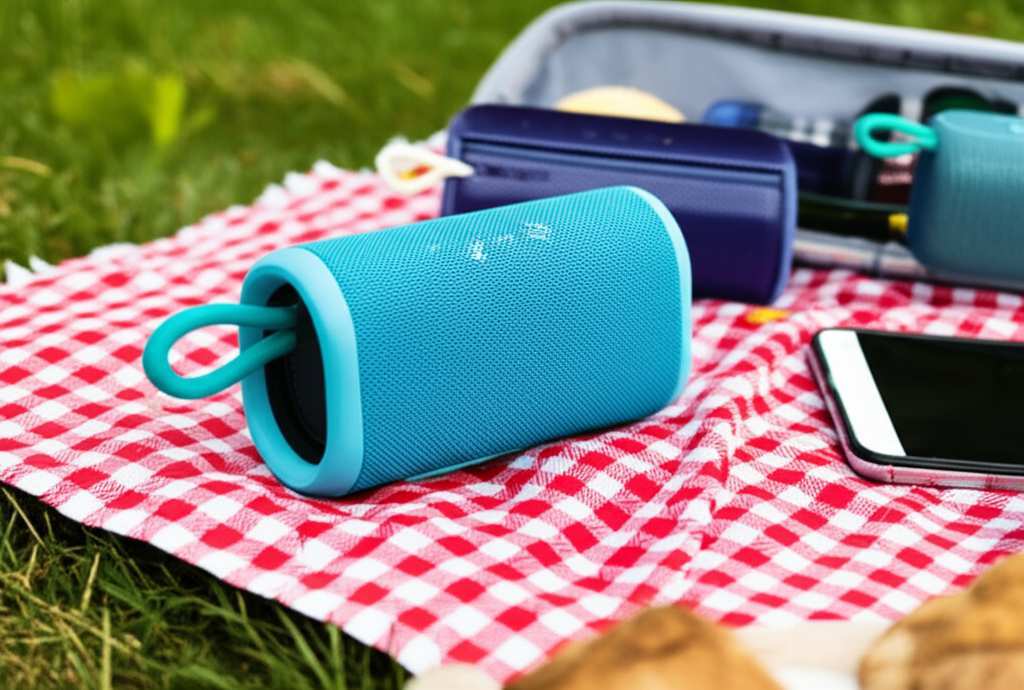
So, grab your favorite drink, get comfy, and let’s make sure your speaker can handle whatever life throws its way!
Why Keeping Your Bluetooth Speaker Safe Matters
Your Bluetooth speaker is more than just a gadget; it’s a gateway to enjoyment. It’s the soundtrack to your parties, the chill vibe for your relaxation time, and the crisp audio for your movie nights. When it’s working well, it really enhances your life.
But these speakers, especially the portable ones, can be a bit delicate. They’re often carried around, exposed to different environments, and sometimes, accidents just happen. A little bit of care goes a long way in making sure your speaker keeps delivering those awesome tunes for years to come.
Think about it: a damaged speaker means no music. That’s a bummer! By taking a few simple precautions, you can avoid costly repairs or replacements. Plus, you get to keep enjoying that reliable sound quality you love.
Protecting Your Speaker from the Elements
So, you want to take your speaker to the beach, the park, or even by the pool? Awesome! But the great outdoors can be tough on electronics. Sand, water, and extreme temperatures are the usual suspects when it comes to causing trouble.
Sand: The Tiny Invader
Sand is sneaky. It can get into every little crevice, jam up buttons, and even scratch the speaker grille or casing. If you’re heading to a sandy spot, here’s how to keep that grit away.
Tip 1: Use a Protective Case or Pouch.
Many speakers come with a basic case, or you can buy a separate one. A soft pouch is perfect for keeping sand out when you’re not actively using the speaker. It’s like a cozy sleeping bag for your gadget!
Tip 2: Designate a “Clean Zone.”
When you’re at the beach, set up a towel or blanket away from the water’s edge. Keep your speaker on this clean surface. This creates a barrier between your speaker and the most sandy areas.
Tip 3: Avoid Direct Placement on Sand.
Never put your speaker directly on the sand, especially if it’s windy. Even a light breeze can blow sand all over it. A small portable table or even a sturdy beach bag can act as a safe platform.
Tip 4: Gentle Cleaning is Key.
If some sand does get on your speaker, don’t just wipe it with a dry cloth. This can scratch the surface. Use a soft brush (like a makeup brush or a clean paintbrush) to gently sweep away loose sand first. Then, a slightly damp cloth can be used for any remaining residue.
Water Woes: Keeping It Dry
Water and electronics don’t mix well, unless your speaker is specifically designed to be waterproof. Even then, it’s good to know its limits.
Tip 1: Check the IP Rating.
Many modern Bluetooth speakers have an IP (Ingress Protection) rating. This tells you how well it’s protected against dust and water. For example, an IPX7 rating means it can be submerged in up to 1 meter of water for 30 minutes. Always check your speaker’s manual or the product description to know its water resistance level.
A quick peek at what IP ratings mean:
| Rating | Protection Against | Example Use Case |
|---|---|---|
| IPX4 | Splashing water (rain, sweat) | Workout sessions, light rain |
| IPX5 | Low-pressure water jets | Near a sprinkler, car wash (with caution) |
| IPX7 | Immersion up to 1 meter for 30 minutes | Poolside, accidental drops in shallow water |
| IP67 | Dust tight and immersion up to 1 meter for 30 minutes | Beach, dusty environments, poolside |
See? That IPX7 rating is super handy for poolside fun! It means if it accidentally falls in, it has a good chance of surviving.
Tip 2: Keep it Away from Direct Water Contact.
Even if your speaker is waterproof, try to avoid dunking it or spraying it directly with a hose. Use it responsibly. If it gets wet, dry it off thoroughly before charging or playing it at high volumes.
Tip 3: Secure Charging Ports.
Charging ports are often weak spots. Make sure any protective covers are securely closed when not in use. If water gets into the port, it can cause serious damage.
Tip 4: Dry Immediately After Exposure.
If your speaker gets splashed or rained on, wipe it down with a soft, dry cloth right away. Pay attention to seams and buttons. If it gets salt water on it, rinse it gently with fresh water (if the IP rating allows) and then dry it thoroughly.
Temperature Troubles
Extreme heat or cold can also harm your speaker’s battery and internal components.
Tip 1: Avoid Direct Sunlight for Long Periods.
Leaving your speaker in a hot car or directly under the scorching sun can cause it to overheat. This can damage the battery and affect sound quality. Find a shady spot!
Tip 2: Don’t Leave it in Freezing Conditions.
Extremely cold temperatures can also be bad for the battery. If you’re out in the snow, keep your speaker in a warm bag or pocket when you’re not using it.
Protecting Your Speaker from Physical Damage
Beyond the elements, good old-fashioned drops and bumps are common hazards. Here’s how to prevent those accidental tumbles from turning into a disaster.
Tip 1: Invest in a Durable Case.
A good, shock-absorbent case is one of the best investments you can make. It acts like a cushion if your speaker falls. Many are made of rugged materials that can take a beating.
Tip 2: Use the Strap Wisely.
If your speaker has a carrying strap, use it! Attach it to your wrist or bag. This reduces the chance of it slipping out of your hand.
Tip 3: Secure Placement.
When you set your speaker down, make sure it’s on a stable, flat surface. Avoid placing it near the edge of tables, counters, or shelves where it could easily be knocked off.
Tip 4: Be Mindful of Pets and Kids.
Little hands and curious paws can sometimes be a threat. Keep your speaker out of reach if you have very young children or pets who might chew on cords or knock it over. A designated safe spot is a good idea.
Tip 5: Travel Smart.
When transporting your speaker, especially in a backpack or luggage, make sure it’s protected. Nestling it amongst soft clothing or using a dedicated compartment can prevent it from getting crushed or scratched by other items.
Maintaining Your Bluetooth Speaker for Longevity
Keeping your speaker safe also involves regular care. A little bit of maintenance can keep it sounding great and working smoothly.
Cleaning Your Speaker
A clean speaker not only looks better but also functions better. Dust and grime can affect sound quality and port connectivity.
Step 1: Power Down and Unplug.
Always turn off your speaker and unplug it from any power source before cleaning. Safety first!
Step 2: Dust the Exterior.
Use a soft, dry microfiber cloth to wipe down the speaker’s body. For stubborn dust in crevices, a clean, dry paintbrush or a can of compressed air (used carefully from a distance) can be very effective.
Step 3: Clean the Grille.
The speaker grille can accumulate dust and debris. Gently use a soft brush to dislodge particles. If it’s very dirty, you can use a slightly damp cloth, but ensure no moisture gets into the speaker itself.
Step 4: Clean Ports and Buttons.
Use a dry cotton swab to gently clean around buttons and in charging ports. Be very careful not to push debris further in. For charging ports, ensure they are completely dry before plugging in a cable.
Battery Care
The battery is the heart of your portable speaker. Taking care of it means longer playtime.
Tip 1: Avoid Full Drains.
Modern lithium-ion batteries, like those in most Bluetooth speakers, don’t suffer from “memory effect” like older batteries. However, it’s generally better for the battery’s long-term health to avoid letting it drain completely to 0% regularly.
Tip 2: Don’t Overcharge Constantly.
While most speakers have overcharge protection, leaving them plugged in 24/7 isn’t ideal. Unplug it once it’s fully charged, especially if you’re not using it.
Tip 3: Charge in Moderate Temperatures.
As mentioned before, avoid charging your speaker in extreme heat or cold. This can degrade the battery faster.
Software and Connectivity
Sometimes, keeping your speaker “safe” also means keeping it updated and connected properly.
Tip 1: Firmware Updates.
Some speakers allow for firmware updates. These can improve performance, fix bugs, and even enhance battery life. Check your manufacturer’s app or website for updates.
Tip 2: Proper Pairing.
Ensure you’re pairing your speaker correctly. Sometimes, connection issues can arise from improper pairing. If you have trouble, try “forgetting” the speaker on your device and re-pairing it.
Choosing a Speaker Built for Durability
If you’re in the market for a new Bluetooth speaker and know you’ll be taking it on adventures, consider models known for their ruggedness.
Here’s a quick look at some features to consider:
- Waterproof/Water-Resistant Rating: Look for IPX5 or higher if you plan on using it near water.
- Dustproof: Essential for beach or camping trips. An IP6X rating is great for this.
- Shockproof/Rugged Design: Some speakers have reinforced corners, rubberized exteriors, or built-in grilles designed to withstand drops.
- Long Battery Life: This isn’t directly about safety, but it means less frequent charging, which can reduce the risk of charging port damage over time.
Let’s compare a couple of hypothetical speaker types based on these features:
| Speaker Type | Key Features | Best For | Considerations |
|---|---|---|---|
| “Outdoor Adventurer” | IP67 waterproof & dustproof, shock-absorbent casing, floating capability | Beaches, camping, hiking, poolside parties | Can be bulkier, sound quality might be tuned for outdoor projection |
| “Home Comfort” | Sleek design, premium audio drivers, good connectivity | Indoor use, casual listening, home office | Limited water/dust resistance, more prone to damage from drops |
| “Portable Powerhouse” | IPX5 water-resistant, robust build, good battery life | Backyard gatherings, picnics, travel | May not withstand full submersion, good all-rounder |
This table shows that if you’re planning on hitting the beach a lot, the “Outdoor Adventurer” type with its IP67 rating is probably your best bet. It’s built to handle sand and water like a champ!
For more in-depth reviews and comparisons of rugged speakers, sites like CNET often have great guides.
Troubleshooting Common Issues
Even with the best care, sometimes things go wrong. Here are a few common issues and quick fixes.
Speaker Won’t Turn On
Check the Battery: Make sure it’s charged. Try plugging it in for a while.
Reset the Speaker: Some speakers have a small reset button or a combination of buttons you need to press. Check your manual.
Sound is Distorted or Low
Lower the Volume: Pushing some speakers too hard can cause distortion.
Check the Source: Is the audio file or streaming service producing clear sound?
Clean the Grille: Dust can muffle sound.
Connection Problems
Turn Bluetooth Off and On: On both your speaker and your device.
Forget and Re-pair: Remove the speaker from your device’s Bluetooth list and pair it again.
Check Distance: Make sure your device and speaker are close enough.
Frequently Asked Questions
Q1: Can I use my Bluetooth speaker in the shower?
A: Only if your speaker has a high waterproof rating, like IPX7 or higher. Even then, it’s best to keep it away from direct steam and water spray. Check your speaker’s manual!
Q2: What should I do if my speaker gets sand in the charging port?
A: Never insert anything into the port! Gently tap the speaker to dislodge loose sand. You can also try a can of compressed air from a safe distance. If it persists, contact the manufacturer.
Q3: How long should a Bluetooth speaker battery last?
A: Battery life varies greatly by speaker model, from 6 hours to over 24 hours. Higher volume and features like lights can drain the battery faster. Check the product specs for an estimate.
Q4: Is it okay to leave my speaker plugged in all the time?
A: Most modern speakers have protection against overcharging, but it’s generally best for battery health to unplug it once it’s fully charged. Don’t leave it plugged in for weeks on end if you’re not using it.
Q5: My speaker fell in water. What’s the first thing I should do?
A: If your speaker is waterproof, retrieve it immediately and dry it thoroughly with a soft cloth. Do NOT try to charge it until you are absolutely sure it’s dry. If it’s not waterproof, the damage might be permanent.
Q6: How do I clean the speaker grille if it’s really dirty?
A: For light dust, a soft brush works well. If there’s grime, you can use a slightly damp microfiber cloth, but be extremely careful not to let water seep into the speaker. Always allow it to air dry completely afterwards.
Q7: What does “water-resistant” mean versus “waterproof”?
A: “Water-resistant” usually means it can handle splashes or light rain (like IPX4 or IPX5). “Waterproof” means it can be submerged in water for a specific amount of time and depth (like IPX7 or IP67). Always check the specific IP rating for clarity.
Conclusion: Your Speaker, Protected and Ready!
So there you have it! Keeping your Bluetooth speaker safe doesn’t have to be complicated. By being mindful of sand, water, and physical bumps, and by giving your speaker a little regular TLC, you can ensure it keeps pumping out your favorite tunes for a long, long time.
Remember those simple steps: use a protective case, be smart about where you place it, check those IP ratings, and clean it gently. These little habits add up to a much longer, happier life for your portable sound system.
Now you’re equipped with the knowledge to take your speaker on any adventure, from a day at the beach to a backyard party, without a worry in the world. Go ahead, crank up the volume, and enjoy every beat with confidence! Now go enjoy amazing sound and make every moment louder and better!


