Easily kick someone off your Bluetooth speaker! This guide shows you simple ways to stop unwanted connections and take back control of your sound, perfect for anyone wanting a quick fix.
Hey there, tech adventurer! So, you’ve got a sweet Bluetooth speaker. Maybe it’s blasting your favorite tunes at a party, or perhaps it’s powering your movie night with epic sound. It’s amazing how these little gadgets can fill a room with sound, right? Sometimes, though, things get a little… crowded. You might have someone connect to your speaker without you realizing it, or maybe a previous connection just won’t let go. It can be a bit of a head-scratcher when you just want to play your own music. Don’t worry, it’s totally normal to run into these little tech hiccups. We’ve all been there, wondering how to manage who’s in charge of the music. The good news? It’s usually a super simple fix. I’m here to guide you through it, step by step, so you can get back to enjoying your audio exactly how you like it. Let’s make your speaker work for you!
Why You Might Need to Disconnect Someone
Imagine you’re finally settling in for a relaxing evening, ready to stream your favorite podcast. You press play, and… nope. Someone else’s music starts blaring from your speaker! It’s a common, and sometimes annoying, situation. Maybe a friend borrowed your speaker and forgot to disconnect, or a neighbor accidentally paired with your device. It could even be that your speaker is just holding onto an old connection. Whatever the reason, knowing how to quickly disconnect someone is a real game-changer. It means you’re always in control of your sound experience, no matter what.
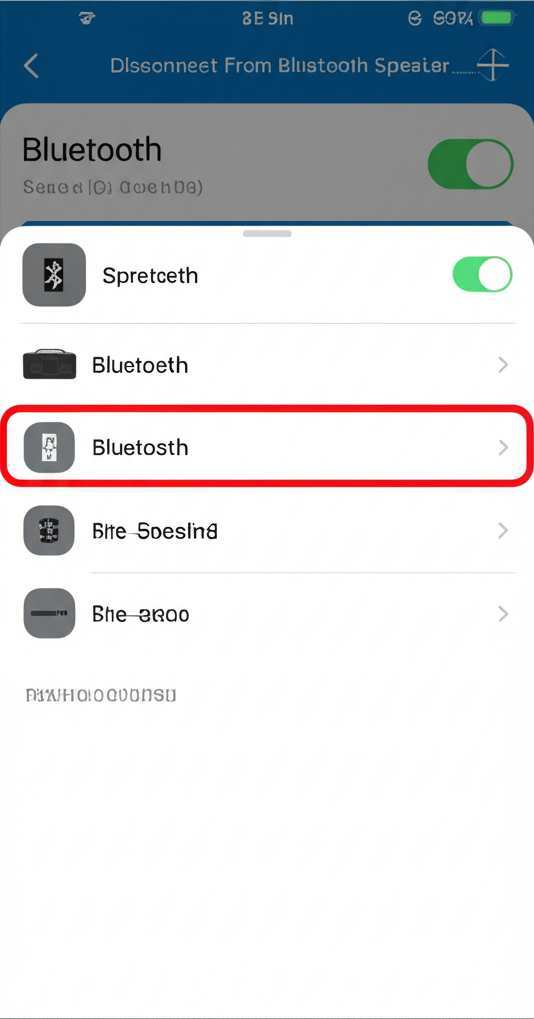
Think about it: your speaker is your personal sound hub. Whether it’s for work calls, chill vibes, or intense gaming sessions, you want it to connect to your devices. When an unexpected connection pops up, it can interrupt your flow and be a bit frustrating. But fear not! This isn’t a tech mystery that requires a genius. We’re talking about simple button presses and menu swipes that anyone can do. It’s all about understanding how your speaker talks to your gadgets and how to manage those conversations. So, let’s get your speaker back under your command!
Understanding Bluetooth Connections
Before we jump into disconnecting, let’s quickly chat about how Bluetooth works. Think of Bluetooth like a short-range radio signal. Your speaker and your phone (or tablet, or laptop) both have tiny radios that can talk to each other. When you pair them, they create a secure link. This link lets them send and receive audio signals wirelessly. It’s pretty neat, right? It means no messy wires, just pure sound freedom.
Most Bluetooth speakers can remember a few devices. This is super handy because you don’t have to re-pair every single time. Your phone knows your speaker, and your speaker knows your phone. Easy peasy. However, this “memory” can sometimes cause confusion. If a speaker has too many devices saved, or if it’s trying to connect to a device that’s already playing music, it can get a bit mixed up. Understanding this helps us figure out the best way to manage connections and keep things smooth.
How to Disconnect Someone: The Easy Fixes
Okay, let’s get to the good stuff! Here are the most common and easiest ways to disconnect someone from your Bluetooth speaker. We’ll start with the simplest methods and move on to slightly more involved ones.
Method 1: Turn Off Bluetooth on Your Device
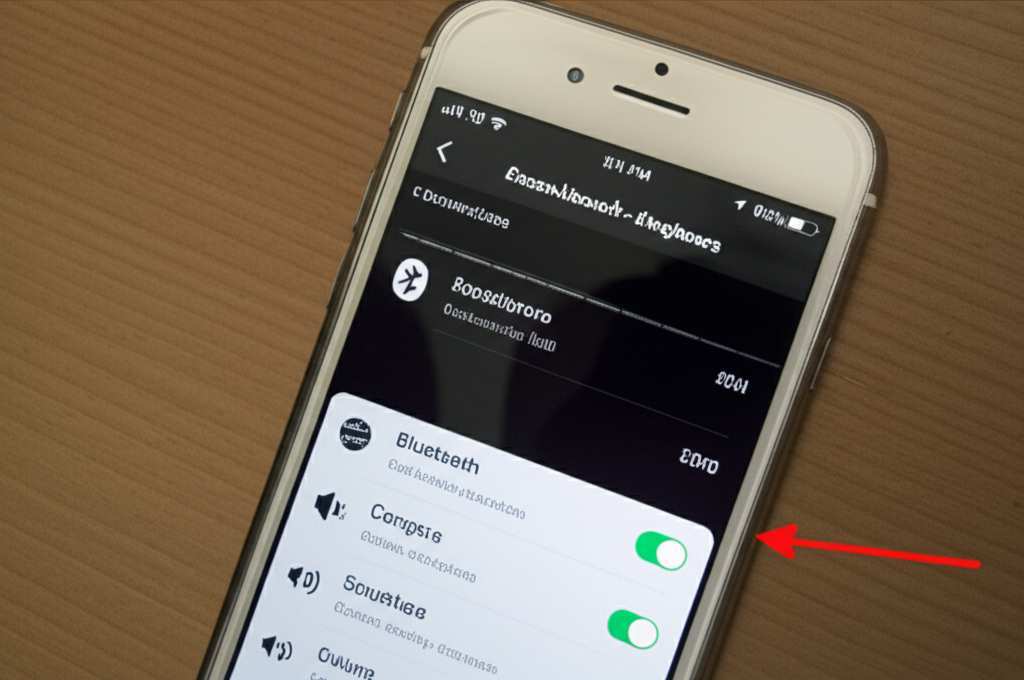
This is the absolute quickest way to break the connection. If someone else’s device is connected and playing through your speaker, simply turn off Bluetooth on your phone or tablet. This instantly disconnects your device from the speaker. If their device was the only one connected, the speaker will usually go into pairing mode or simply turn off if there are no other connections. It’s like hitting the mute button on the connection itself!
- How to do it:
- Go to your phone or tablet’s settings.
- Find the Bluetooth menu.
- Toggle the Bluetooth switch to “Off.”
This is great if you want to temporarily stop all Bluetooth audio from your device, or if you suspect an unwanted connection and want to quickly stop the audio. It’s a bit like putting up a temporary “Do Not Disturb” sign for your speaker.
Method 2: Disconnect from Your Device’s Bluetooth Settings
This method is a bit more targeted. Instead of turning off Bluetooth completely, you can specifically tell your device to forget or disconnect from the speaker. This is useful if you still want to use Bluetooth for other things, like your headphones or car, but want to stop audio from the speaker.
- How to do it:
- Open your phone or tablet’s settings.
- Go to the Bluetooth menu.
- You’ll see a list of paired devices. Find your speaker’s name.
- Tap on the speaker’s name or the info icon next to it.
- You should see an option to “Disconnect” or “Forget Device.” Tap “Disconnect.”
Choosing “Disconnect” will temporarily break the link. The devices will still be paired, so they can reconnect easily later. “Forget Device” will remove the speaker from your device’s memory entirely, meaning you’ll have to pair them again from scratch next time. For simply kicking someone off, “Disconnect” is usually the way to go.
Method 3: Disconnect from the Speaker Itself
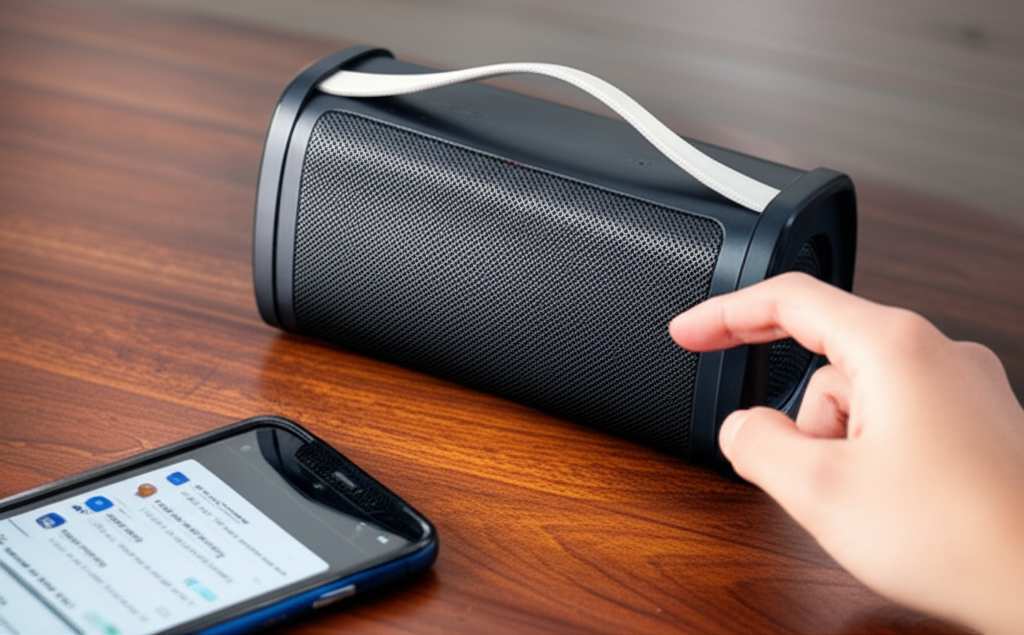
Many Bluetooth speakers have a built-in way to manage connections. Some speakers have a dedicated Bluetooth button. Pressing and holding this button can often put the speaker into pairing mode or disconnect the current device. Others might have a multi-function button that can cycle through connection modes.
This is super handy because you don’t even need your phone! You can just walk up to the speaker and handle it directly. Check your speaker’s manual if you’re unsure about specific buttons. It’s a bit like having a remote control for who gets to listen!
- What to look for on your speaker:
- A dedicated Bluetooth icon button.
- A power button that might have a dual function when held.
- A “Pairing” or “Connect” button.
Pro Tip: Holding down the Bluetooth button for about 5-10 seconds often initiates a re-pairing process or disconnects the current device. It’s like a hard reset for the speaker’s connection!
Method 4: Re-Pairing the Speaker
If the other methods don’t work, or if you want to ensure a clean slate, you can simply re-pair your speaker with your device. This process essentially tells your speaker to forget all previous connections and start fresh with yours. It’s a bit like a digital “reset” for your speaker’s Bluetooth memory.
- Steps to re-pair:
- On your speaker, put it into pairing mode. This usually involves pressing and holding the Bluetooth button until a light flashes or you hear a sound.
- On your phone or tablet, go to Bluetooth settings and turn Bluetooth off and then back on.
- Scan for new devices.
- Select your speaker from the list when it appears.
- Confirm any pairing codes if prompted.
This method is a bit more thorough and can resolve stubborn connection issues. It guarantees that only your device is actively paired with the speaker.
Method 5: Turn Off the Speaker
This is the ultimate disconnect! If all else fails, or if you simply don’t want anyone connected anymore, just turn the speaker off. This will immediately end any active Bluetooth connection. When you turn it back on, it will likely go into pairing mode or try to connect to the last paired device, giving you a chance to manage the connection from the start.
It’s the simplest solution for immediate silence. Plus, it saves battery power! Think of it as a quick power nap for your speaker that resets its social connections.
When Your Speaker Connects to Multiple Devices
Some advanced Bluetooth speakers can connect to two devices at once. This is great for switching between your phone and laptop, for example. But it can also lead to confusion if you’re not sure which device is controlling the audio. If you want to disconnect one of these devices, you’ll usually need to disconnect it from that specific device’s Bluetooth settings (Method 2).
Here’s a quick look at how multi-device pairing often works:
| Feature | Description | How It Helps You |
|---|---|---|
| Multi-Point Pairing | Connects to two devices simultaneously. | Seamlessly switch between music on your phone and a call on your laptop. |
| Device Priority | Some speakers prioritize audio from the device that started playing first or last. | Helps manage which device takes control when both are active. |
| Manual Disconnect | You typically need to disconnect from the specific device you want to remove. | Gives you direct control over which device is active. |
If your speaker supports multi-point, you’ll want to be mindful of which device is actively playing. If you notice audio coming from an unexpected source, check the Bluetooth settings on both devices you’ve paired to it. You can then disconnect the one you don’t want to use.
Troubleshooting Common Connection Issues
Sometimes, even with these steps, you might run into a snag. Don’t get discouraged! Tech glitches happen. Here are a few common problems and how to tackle them:
- Speaker won’t disconnect: Try turning off Bluetooth on all nearby devices that might have paired with it. Then, try Method 3 (disconnect from speaker) or Method 5 (turn off speaker).
- Speaker keeps re-connecting to the wrong device: This usually means the speaker is trying to auto-connect to a device that’s already paired and in range. You might need to “Forget Device” on the unwanted device (Method 2) or re-pair your desired device to the speaker.
- Speaker is not discoverable: Make sure the speaker is actually in pairing mode. Check its manual for the correct button sequence. Also, ensure no other device is actively connected, as some speakers won’t enter pairing mode if already linked.
For more in-depth troubleshooting, you can always check the manufacturer’s website or support forums. Reputable sites like CNET’s speaker reviews often have helpful tips too!
Speaker Features That Affect Connections
Did you know that different speakers handle connections in slightly different ways? It’s true! The model and brand of your speaker can influence how easy or difficult it is to manage connections. Some speakers are designed for super-simple pairing and disconnection, while others might have more complex settings.
Here’s a quick rundown of features that matter:
| Feature | What It Does | Impact on Disconnecting |
|---|---|---|
| Bluetooth Version | Higher versions (e.g., 5.0, 5.1, 5.2) offer faster, more stable connections. | Generally leads to smoother pairing and fewer dropped connections, making disconnects cleaner. |
| Number of Paired Devices Stored | How many devices the speaker remembers. | Speakers that store fewer devices might disconnect older pairings more easily to make room for new ones. |
| Companion App | Some speakers come with an app for advanced settings. | An app can offer a user-friendly interface to manage connections, disconnect devices, and update firmware. |
| NFC (Near Field Communication) | Tap-to-pair technology. | While great for initial pairing, it doesn’t directly help with disconnecting others. |
So, if you’re shopping for a new speaker, think about how you’ll use it. If you often have friends over or switch between multiple devices, a speaker with good multi-point support and an easy-to-use app might be perfect for you. Brands like Bose, Sony, and JBL often have user-friendly interfaces for managing connections.
A Little Story About Bluetooth Hiccups
I remember this one time, I was at a friend’s barbecue, and we were all trying to play music from our phones on his big outdoor speaker. It was a chaotic mix of rock, pop, and some questionable 90s hits! Every few minutes, someone’s playlist would take over. We spent more time fumbling with our phones trying to disconnect than actually enjoying the music. Then, someone figured out that if you just held down the Bluetooth button on the speaker for about 10 seconds, it would reset the connection. Suddenly, we had a clear pathway to connect our own devices. It was a simple fix, but it saved the party from descending into a playlist war!
That experience really showed me how important it is to know these little tricks. It’s not just about convenience; it’s about taking control of your audio experience. Whether you’re at home, at a friend’s place, or hosting your own get-together, knowing how to manage your Bluetooth speaker connections can make all the difference. It turns a potentially annoying situation into a simple, manageable task.
Frequently Asked Questions (FAQ)
Got more questions about disconnecting your Bluetooth speaker? Here are some common ones:
Q1: Can someone else connect to my Bluetooth speaker without my permission?
A1: Yes, if your speaker is in pairing mode or already connected to a device that’s out of range, another person nearby might be able to connect to it, especially if they have their Bluetooth on. Always keep an eye on your speaker’s status lights and be mindful of who is around.
Q2: How do I know if someone is connected to my speaker?
A2: The most obvious sign is if music or audio is playing that you didn’t start! Some speakers also have indicator lights that show when a device is connected. If you’re unsure, check your phone’s Bluetooth settings to see what devices are actively connected.
Q3: Will disconnecting someone delete them from my speaker’s memory?
A3: It depends on how you disconnect. If you simply “disconnect” from your device’s settings, the device will still be paired. If you “forget” the device, or if you reset the speaker, then it will be removed from the memory. Turning off the speaker also temporarily breaks the connection.
Q4: My speaker is connected to my old phone. How do I disconnect it?
A4: The easiest way is to turn off Bluetooth on your old phone. If you no longer have that phone, you’ll likely need to reset the speaker to its factory settings or disconnect it directly from the speaker itself (check your manual for how to do this). Then, you can pair it with your new phone.
Q5: Can I disconnect a device if I’m not near the speaker?
A5: Generally, no. You need to be within Bluetooth range of the speaker to control its connections, either through your device’s settings or directly on the speaker. If you’re far away and someone else is connected, you might need to ask them to disconnect.
Q6: What if my speaker has a password or PIN?
A6: Some older Bluetooth devices might ask for a PIN like “0000” or “1234.” If you’ve set a custom PIN and forgotten it, you might need to reset the speaker to factory defaults to remove it. Consult your speaker’s manual for factory reset instructions.
Conclusion: Take Control of Your Sound!
See? Disconnecting someone from your Bluetooth speaker is usually a breeze. Whether it’s a quick toggle of your Bluetooth settings, a press of a button on the speaker itself, or even just turning it off and on again, you’ve got the power to manage who’s listening. Knowing these simple fixes means you can avoid those awkward audio interruptions and keep your sound experience exactly how you want it.
Don’t let confusing connections get you down. You’ve learned the easy ways to take charge, from turning off Bluetooth on your device to understanding your speaker’s unique features. So go ahead, experiment a little, and find the method that works best for you. Now go enjoy amazing sound and make every moment louder and better!