Connecting your iHome Bluetooth speaker is super simple! Just follow a few easy steps to pair it with your phone or device, and you’ll be jamming to your favorite tunes in no time.
Hey there, tech explorers! Max here from AffTechy.com, your go-to buddy for making gadgets feel less like puzzles and more like fun tools. You know, those moments when you just want to blast your favorite playlist, power up a game with awesome sound, or make movie night epic? A good speaker is key for that! But sometimes, getting that speaker connected can feel like a secret mission.
Maybe you’ve just unboxed a shiny new iHome Bluetooth speaker, or perhaps you’re trying to connect an old favorite again. You might be wondering, “How does this little magic box actually talk to my phone?” It’s totally normal to feel a bit lost when new tech shows up. There are so many buttons and settings!
But don’t you worry! I’m here to make it super clear and easy. We’re going to break down how to connect your iHome Bluetooth speaker step-by-step. Think of it like learning a simple recipe – a few easy ingredients, a straightforward process, and delicious results. Get ready to unlock amazing sound without any fuss! Let’s make this connection happen.
Why Connecting Your iHome Speaker is Awesome
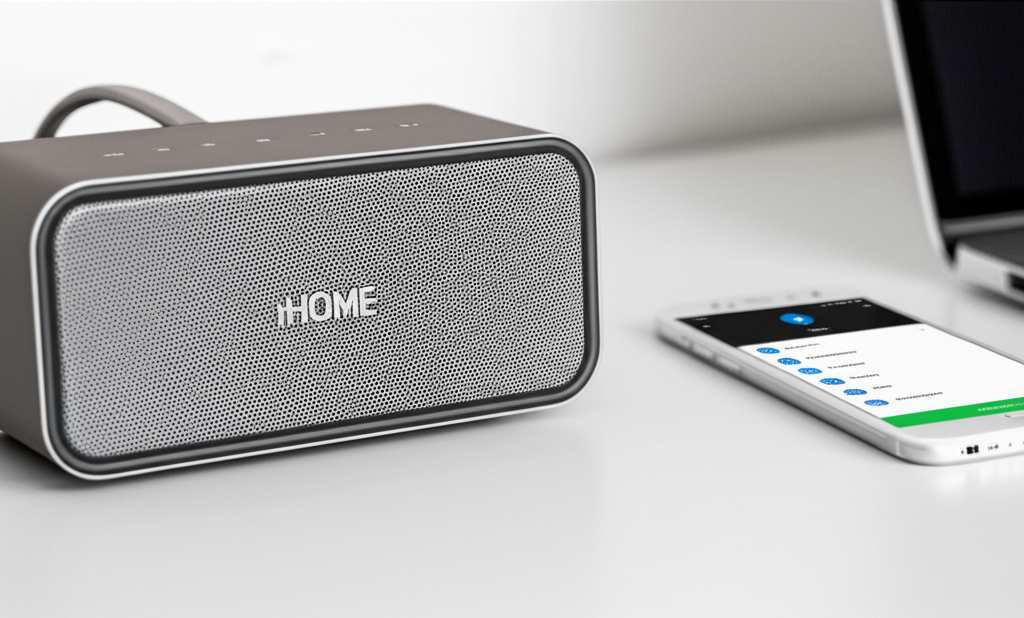
Having a Bluetooth speaker is like having a portable party in your pocket. It means your music isn’t trapped on tiny phone speakers anymore. You can take your tunes to the park, the beach, or just make your living room sound amazing. iHome speakers are known for being pretty user-friendly, which is a big win!
Imagine this: you’re getting ready for a picnic. You’ve got all your snacks and drinks, and now you want the perfect soundtrack. If your iHome speaker is connected in a jiffy, your picnic instantly goes from good to great. It’s those little tech wins that make life more fun, right?
What is Bluetooth, Anyway? (The Super Simple Version)
Before we dive into connecting, let’s quickly touch on what Bluetooth is. Think of Bluetooth as invisible radio waves. These waves let different devices talk to each other wirelessly over short distances. It’s how your speaker finds your phone, or how your wireless headphones connect to your computer.
It’s super convenient because you don’t need any wires! This means fewer tangled messes and more freedom to move around. It’s a technology that’s become a huge part of our daily lives, making things like streaming music and using hands-free devices so much easier. It’s like a secret handshake for your gadgets.
Getting Your iHome Speaker Ready
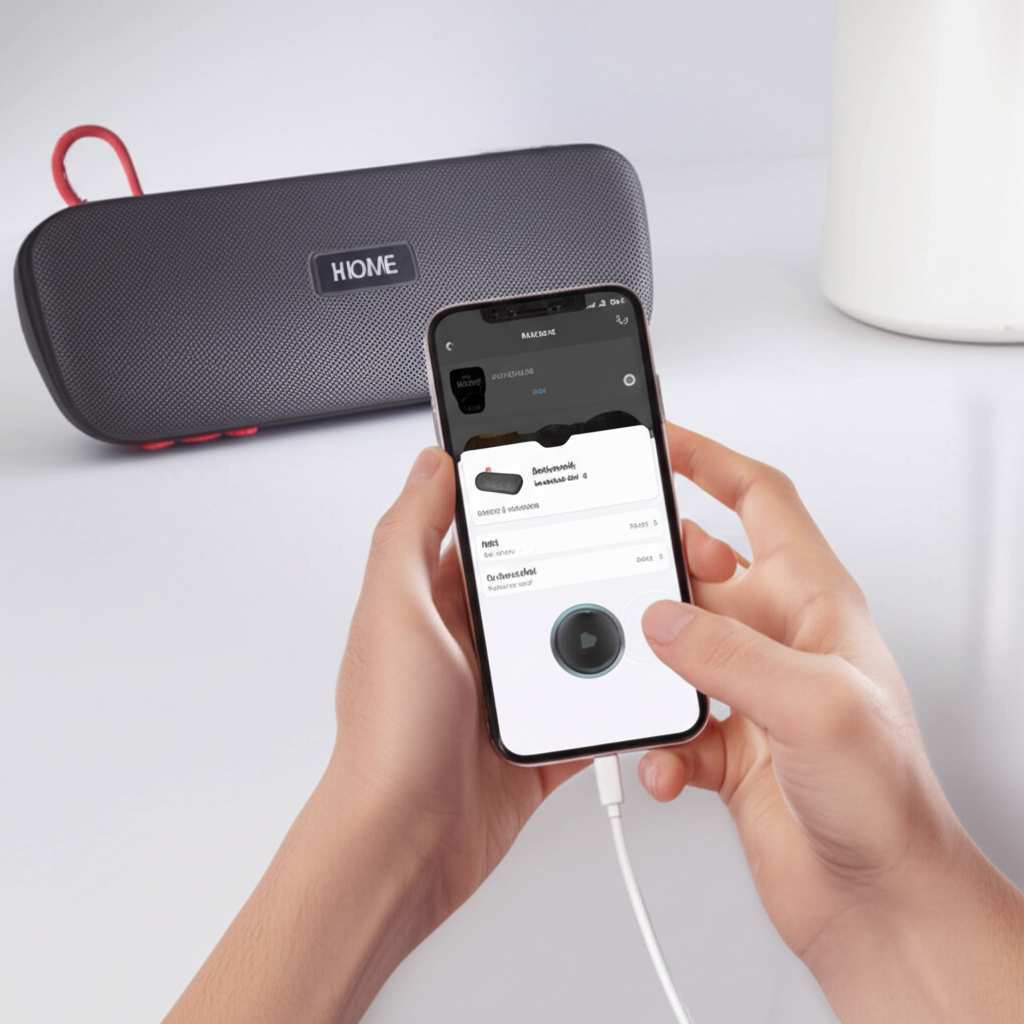
First things first, let’s make sure your iHome speaker is all set to go. This usually involves a couple of simple checks. It’s like prepping your ingredients before you start cooking.
Step 1: Charge It Up!
Most Bluetooth speakers run on battery power. So, the very first thing you should do is make sure your iHome speaker is charged. Find the charging port, which is usually on the back or bottom, and plug it in using the cable that came with it.
Some iHome speakers have indicator lights that show you when they’re charging or when they’re fully charged. It’s a good idea to let it charge for at least an hour or two, especially if it’s brand new or has been sitting unused for a while. A full charge means longer listening time!
Step 2: Power On
Once it’s charged, it’s time to turn your speaker on. Look for a power button. It’s often a small button with a power symbol (a circle with a line through it) or might be labeled “Power.” Press and hold it for a few seconds until you hear a sound or see a light indicating it’s on.
Your speaker is now awake and ready to do its thing! You might hear a little chime or see a light turn on. This means it’s powered up and waiting for instructions.
The Magic Word: Pairing!
Connecting your speaker to your phone or tablet is called “pairing.” It’s like introducing two friends who have never met. Once they’re introduced, they can easily recognize each other in the future.
Step 3: Put Your Speaker in Pairing Mode
This is the most important step! Your iHome speaker needs to be discoverable so your phone can find it. Look for a button that’s usually labeled “Bluetooth,” “Pair,” or has the Bluetooth symbol (a stylized “B”). You might need to press and hold this button for a few seconds.
How do you know it’s in pairing mode? Your speaker will usually make a specific sound, or a light will start blinking rapidly. This blinking light is the speaker’s way of saying, “I’m looking for a friend!” If you’re unsure, check your iHome speaker’s manual – it’ll tell you exactly which button to press.
Step 4: Find Bluetooth Settings on Your Device
Now, grab your smartphone, tablet, or computer. You need to go into its Bluetooth settings.
On an iPhone or iPad: Go to “Settings,” then tap on “Bluetooth.” Make sure the Bluetooth toggle is switched on.
On an Android Phone or Tablet: Go to “Settings,” then look for “Connections” or “Connected devices.” Tap on “Bluetooth” and make sure it’s turned on.
On a Computer: The steps vary slightly, but generally, you’ll go to “Settings” or “System Preferences” and find the “Bluetooth” option.
Your device is now also looking for new Bluetooth connections. It’s like both friends are looking across the room for each other.
Step 5: Select Your iHome Speaker
Once your device’s Bluetooth is on and your speaker is in pairing mode, your phone or tablet should show a list of available devices. Look for the name of your iHome speaker in this list. It might be something like “iHome iBT75” or “iHome PlayBulb.”
Tap on the name of your iHome speaker. Your device will then try to connect. If it asks for a PIN or passcode, try “0000” or “1234.” Most iHome speakers don’t require a passcode, but it’s good to know just in case.
Step 6: Confirmation!
If the pairing is successful, you’ll usually hear a confirmation sound from your iHome speaker, and the blinking light will turn solid or stop blinking. Your device will also show that the speaker is “Connected.” Congratulations, you’ve officially paired your speaker!
Now you can play music, podcasts, or anything else from your device through your iHome speaker. It’s that simple!
Troubleshooting: When Things Don’t Connect
Sometimes, tech can be a little stubborn. If your iHome speaker isn’t connecting, don’t panic! Here are some common fixes that usually do the trick. Think of these as quick tune-ups.
Problem 1: Speaker Not Showing Up in Device List
Is it in pairing mode? Double-check that your speaker is actively in pairing mode. That blinking light is key! Try holding the Bluetooth button again.
Is Bluetooth on your device turned on? Make sure the Bluetooth setting on your phone or tablet is actually switched on.
Too far away? Bluetooth has a range. Make sure your speaker and your device are close to each other, ideally within a few feet for the initial pairing.
Problem 2: Connection Fails or Drops
Restart everything. Turn off your speaker and your device. Then, turn them back on and try pairing again. This is the classic “turn it off and on again” fix, and it works wonders!
Forget the device. On your phone or tablet, go back to the Bluetooth settings. Find your iHome speaker in the list of “Paired Devices,” and tap “Forget” or “Unpair.” Then, put your speaker back in pairing mode and try connecting again. This clears out any old connection data.
Too many devices? Some speakers can only connect to one device at a time. Make sure your speaker isn’t already connected to another phone or tablet.
Problem 3: Sound is Choppy or Distorted
Check the distance. Walls and other electronic devices can sometimes interfere with the Bluetooth signal. Try moving your device and speaker closer together.
Close other apps. Sometimes, too many apps running in the background can slow down your device and affect the Bluetooth connection.
Update your device. Ensure your phone or tablet’s operating system is up to date. Software updates often include improvements for Bluetooth connectivity.
Problem 4: Speaker Won’t Turn On
Is it charged? This might seem obvious, but ensure it’s properly plugged in and charging. Check the charging cable and the power source.
Try a different cable/adapter. Sometimes the charging cable or adapter can be faulty.
Here’s a quick checklist for common iHome Bluetooth speaker models and their typical pairing behavior:
| Speaker Model (Example) | Pairing Button | Pairing Indicator | Passcode (if needed) |
|---|---|---|---|
| iHome iBT75 | Bluetooth button (often marked with a ‘B’ symbol) | Flashing blue light | 0000 |
| iHome iBT29 | Bluetooth button | Flashing blue light | 0000 |
| iHome iBT371 | Bluetooth button | Flashing blue light | 0000 |
Note: Always refer to your specific iHome model’s manual for the most accurate information, as features can vary.
This table is a handy reference. See how the “Pairing Indicator” is usually a flashing light? That’s your cue that the speaker is ready to be found. If you see that light, you’re on the right track!
Advanced Tips for Better Bluetooth Sound
Once you’ve mastered the basics, here are a few extra tips to get the most out of your iHome Bluetooth speaker. These little tricks can make a big difference!
Keep Firmware Updated: Some iHome speakers have companion apps that allow you to update their firmware. This can improve performance and add new features. Check the iHome website for your model.
Positioning Matters: Where you place your speaker can affect sound quality. Placing it on a flat, stable surface away from walls can often produce clearer sound. Experiment with different spots!
Use the Right Audio Source: High-quality audio files or streaming services will sound better than low-quality ones. If your music sounds muffled, try playing a song from a different source or app.
Understand Multipoint Pairing:** Some iHome speakers can connect to two devices at once (multipoint pairing). This is handy if you want to switch between music on your tablet and calls on your phone without re-pairing. You usually activate this by pairing a second device while the first is still connected.
Here’s a look at some popular iHome Bluetooth speaker features you might find:
| Feature | What it Means | Why It’s Cool |
|---|---|---|
| Bluetooth 5.0 | A newer, faster, and more stable version of Bluetooth. | Better range, faster connection, and less likely to drop. |
| Water Resistance (IPX Rating) | The speaker can withstand splashes or even submersion. | Perfect for the bathroom, pool, or beach! |
| Built-in Microphone | Allows you to take calls through the speaker. | Hands-free calls without picking up your phone. |
| Aux-In Port | A standard headphone jack input. | Connect older devices that don’t have Bluetooth. |
| Stereo Pairing | Connect two identical speakers for true stereo sound. | Makes music sound richer and more immersive. |
Features like water resistance are fantastic! Imagine taking your speaker to the beach – if it accidentally gets splashed, you don’t have to worry. That’s a huge plus for outdoor adventures. Always check the IPX rating on your specific model to know its limits.
Frequently Asked Questions (FAQ)
Got more questions? We’ve got answers! Here are some common things beginners wonder about when connecting their iHome speakers.
-
My iHome speaker won’t pair. What should I do?
First, make sure your speaker is in pairing mode (usually indicated by a blinking light). Then, ensure Bluetooth is on on your device. Try restarting both your speaker and your device, and then attempt to pair again. If it still doesn’t work, try “forgetting” the speaker in your device’s Bluetooth settings and then re-pairing.
-
How do I know when my iHome speaker is charged?
Most iHome speakers have an indicator light. This light usually turns red or orange while charging and might turn off, turn green, or turn solid blue when fully charged. Check your speaker’s manual for the specific light indicators.
-
Can I connect my iHome speaker to more than one device at a time?
Some iHome models support “multipoint pairing,” meaning they can connect to two devices simultaneously. However, many simpler models can only connect to one device at a time. If you want to switch devices, you’ll usually need to disconnect from the first device before connecting to the second.
-
Why does my music sound choppy when playing from my iHome speaker?
Choppy audio can be caused by interference or the distance between your speaker and device. Try moving them closer together and away from other wireless devices or thick walls. Restarting both devices can also help clear up the connection.
-
Do I need a special app to connect my iHome Bluetooth speaker?
No, you don’t need a special app just to connect your iHome speaker. The connection is made directly through your device’s built-in Bluetooth settings. Some iHome models might have optional companion apps for extra features like EQ settings or firmware updates, but these are not required for basic pairing.
-
How do I reset my iHome Bluetooth speaker?
The reset process varies by model. Often, it involves holding down a specific button or combination of buttons for an extended period, or sometimes there’s a small reset button that requires a paperclip. Consult your speaker’s user manual for the exact reset instructions for your model. A reset can often fix persistent connection issues.
-
My iHome speaker is connected, but there’s no sound. What’s wrong?
First, check the volume on both your device and your speaker. Make sure neither is muted or turned all the way down. Also, confirm that your device’s audio output is set to the iHome speaker (sometimes it might default back to the phone speaker). Try playing audio from a different app to see if the issue is with a specific app.
Bringing the Boom!
There you have it! Connecting your iHome Bluetooth speaker is really that straightforward. You’ve learned how to get it charged, powered up, put it into pairing mode, and successfully connect it to your favorite device. We’ve also covered some handy troubleshooting tips for those rare moments when tech needs a little nudge.
Remember, the goal is to enjoy your music, podcasts, or whatever audio brings you joy, without the hassle. iHome makes it easy, and now you know exactly how to make it happen. You’re all set to experience richer sound and more freedom!
So go ahead, pair up that speaker, crank up the volume (responsibly, of course!), and fill your space with amazing sound. You’ve got this! Now go enjoy amazing sound and make every moment louder and better!