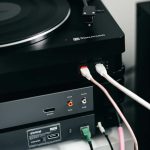
Choosing the best Bluetooth speaker for your turntable setup is all about balancing vintage charm with modern convenience. This guide makes it simple to find a speaker that complements your vinyl sound perfectly, enhancing your listening experience without the fuss.
Hey there, fellow music lover! You know that feeling when you drop the needle on a classic vinyl record? It’s something special. That warm, rich sound is hard to beat. But what if you want to enjoy that amazing vinyl sound without being tied down by wires? That’s where Bluetooth speakers come in.
It can feel a little tricky, right? You’ve got your beloved turntable, and you want to connect it to a cool, modern Bluetooth speaker. But where do you even start? There are so many speakers out there, and all those technical terms can make your head spin.
Don’t worry, though! I’m here to help. We’re going to break down exactly what you need to look for. We’ll go through it step-by-step, so by the end, you’ll feel totally confident picking out the perfect Bluetooth speaker for your turntable. Let’s make your vinyl sound even better, wirelessly!

Why Bluetooth Speakers and Turntables Make a Great Pair
Imagine this: you’ve just spun your favorite album. The music fills the room, warm and inviting. Now, picture yourself moving around the house, or even stepping out onto the patio, and the music follows you. That’s the magic of pairing your turntable with a Bluetooth speaker! It’s the best of both worlds – the classic sound of vinyl meets the freedom of wireless technology.
It’s like having your cake and eating it too, but for your ears! You get that authentic analog warmth from your records, but you also get the convenience of easy streaming and placement flexibility. No more fiddling with long cables that limit where you can put your speakers.
This combination is fantastic for parties, casual listening, or just enjoying your music in any room. You can easily share your vinyl discoveries with friends without them having to huddle around your turntable. It’s about making your music experience more enjoyable and less complicated.
First Things First: Does Your Turntable Have a Built-in Preamp?
This is a super important question to answer before you even start looking at speakers. Think of a preamp like a little amplifier and signal booster for your turntable. It takes the very weak signal from your turntable’s needle and makes it strong enough for a regular speaker to play.

Some modern turntables have this built-in, which is super handy! Others don’t. If yours doesn’t have a built-in preamp, you’ll need to get an external one. You can usually find these as a small box that connects between your turntable and your Bluetooth speaker.
So, how do you check? Look at your turntable’s back panel. If you see a switch or a setting labeled “Phono” and “Line,” it likely has a switchable preamp. If it only says “Phono,” you’ll need an external preamp. If it has “Line Out” or “Aux Out” directly, it probably has a built-in preamp.
What About Your Bluetooth Speaker? Does it Have an AUX Input?
Here’s where the connection really happens. Most Bluetooth speakers are designed to connect wirelessly, but many also have a physical port. This is usually a small, round jack, often labeled “AUX” or “Line In.”
This AUX input is your secret weapon for connecting non-Bluetooth devices, like a turntable (especially one that needs an external preamp). You’ll need a special cable, usually a 3.5mm audio cable, to plug into this port. It’s a simple plug-and-play situation once you have the right cable.
Why is this important? If your turntable has a preamp (or you’re using an external one), you can often connect it directly to the Bluetooth speaker’s AUX input. This bypasses the Bluetooth connection entirely for a direct audio feed. It’s a great way to ensure the best possible sound quality.
Understanding Connectivity: Bluetooth vs. AUX Input
So, we’ve got two main ways to connect your turntable to your Bluetooth speaker: wirelessly via Bluetooth, or wired using an AUX cable. Each has its own perks and drawbacks.
Bluetooth is super convenient. You just pair your devices, and you’re good to go. No wires to worry about! This gives you a lot of freedom in where you place your speaker. However, Bluetooth can sometimes compress the audio signal a little, which might slightly affect the super-fine details of your vinyl.
The AUX input, on the other hand, provides a direct wired connection. This usually means a cleaner, more robust signal. For audiophiles who want the absolute best sound quality from their vinyl, a wired connection might be the preferred method. But, of course, you’re limited by cable length.
Key Features to Look For in a Bluetooth Speaker for Turntables
Now that we know how to connect, let’s talk about what makes a Bluetooth speaker great for your vinyl setup. It’s not just about volume; it’s about sound quality and features that complement your turntable experience.
Sound Quality is King
This is the most important part! You want a speaker that can reproduce the warm, detailed sound of vinyl. Look for speakers with:
Good Bass Response: Vinyl often has a rich, deep bass. Your speaker should be able to handle this without sounding muddy.
Clear Mids and Highs: Vocals and instruments need to sound crisp and natural. You don’t want anything sounding tinny or muffled.
Balanced Soundstage: This means the speaker creates a sense of space and depth, making it sound like the music is happening all around you.
Many reviews will talk about “frequency response.” A wider range, like 50Hz to 20kHz, is generally better. The lower the first number (bass), the deeper the bass. The higher the second number (treble), the more detailed the highs.
Connectivity Options (We’ve covered this, but it’s worth repeating!)
Make sure the speaker has the connectivity you need.
Bluetooth Version: Newer versions like Bluetooth 5.0 or 5.1 offer better range and a more stable connection.
AUX Input: As we discussed, this is crucial for wired connections or if your turntable lacks a built-in preamp.
RCA Input (Less Common): Some higher-end speakers might have RCA inputs, which are the classic red and white jacks used for audio. This is perfect if your external preamp has RCA outputs.
Build Quality and Design
You want a speaker that looks good and sounds good.
Materials: Solid, well-built speakers often sound better because they don’t vibrate as much. Wood enclosures, for instance, can add warmth to the sound.
Aesthetics: Choose something that fits your style and your room. Do you prefer a retro look, or something sleek and modern?
Portability and Power
Are you planning to move the speaker around a lot?
Battery Life: If it’s portable, check how long the battery lasts. You don’t want the music to stop halfway through your favorite album side.
Power Output (Watts): This determines how loud the speaker can get. For a small room, 10-30 watts might be enough. For a larger space or outdoor use, you might want 50 watts or more.
Additional Features
Some speakers offer extra goodies.
Stereo Pairing: Can you connect two identical speakers for true stereo sound? This is amazing for creating an immersive listening experience.
App Control: Some speakers come with apps that let you adjust EQ settings or manage connections.
Comparing Popular Bluetooth Speaker Features for Turntable Setups
Let’s look at a few types of Bluetooth speakers that work well with turntables. This table gives you a quick snapshot of what to expect.
| Speaker Type | Typical Sound Profile | Connectivity Focus | Best For | Potential Drawbacks |
|---|---|---|---|---|
| Bookshelf Speakers (Active/Powered) | Rich, detailed, often balanced | Often AUX, sometimes Bluetooth, maybe RCA | Dedicated listening space, audiophiles | Less portable, can be pricier |
| Portable Bluetooth Speakers | Varies widely, some bass-heavy | Primarily Bluetooth, often AUX | Versatile use, moving around the house | Sound quality can be compromised, less dynamic bass |
| Retro/Vintage-Style Speakers | Often warm, analog sound | Bluetooth, AUX (check model) | Aesthetics, warm vinyl sound | Features might be basic, price can vary |
As you can see, there’s a lot of variety! Active bookshelf speakers, which have amplifiers built-in and often come as a pair, are fantastic for a more permanent setup. They usually offer excellent sound quality and multiple connection options. Portable speakers offer convenience, but you’ll want to research specific models for their audio fidelity. Retro styles can bring a cool vibe to your room and often aim for that classic sound.
How to Connect Your Turntable to a Bluetooth Speaker: Step-by-Step
Okay, let’s get down to business! Connecting your turntable to your chosen Bluetooth speaker is usually pretty straightforward. We’ll cover both wired and wireless methods.
Method 1: Wired Connection (Recommended for Best Quality)
This method is best if your speaker has an AUX input and your turntable has a preamp (built-in or external).
1. Check Your Turntable Output: Make sure your turntable is set to “Line Out” or “Phono” if it has a built-in preamp. If you’re using an external preamp, connect your turntable to the preamp first.
2. Get the Right Cable: You’ll need a cable that matches your turntable’s output and your speaker’s input.
If your turntable/preamp has a 3.5mm output, you need a 3.5mm to 3.5mm audio cable.
If your turntable/preamp has RCA (red and white) outputs, you need an RCA to 3.5mm audio cable.
3. Connect the Cable:
Plug one end of the cable into the audio output of your turntable or external preamp.
Plug the other end into the “AUX In” or “Line In” port on your Bluetooth speaker.
4. Set Speaker Input: On your Bluetooth speaker, select the “AUX” or “Line In” input source. You might need to press a button or use a remote.
5. Play Your Record: Start playing your vinyl. The sound should now come through your Bluetooth speaker! You can adjust the volume on both the speaker and your turntable (if it has a volume control).
Method 2: Wireless Bluetooth Connection
This method works if your turntable has a built-in Bluetooth transmitter, or if you’re using a separate Bluetooth transmitter connected to your turntable’s output.
1. Ensure Bluetooth Capability:
Turntable: Check if your turntable has Bluetooth output built-in.
External Transmitter: If not, you can buy a small Bluetooth transmitter. Connect your turntable (via preamp if needed) to this transmitter using an audio cable.
2. Power On & Pairing Mode: Turn on your Bluetooth speaker and put it into pairing mode. This usually involves pressing and holding a Bluetooth button until a light flashes or you hear a sound.
3. Activate Transmitter: If using a turntable’s built-in Bluetooth or an external transmitter, put that into pairing mode as well.
4. Pair Devices: Your speaker and transmitter should find each other and pair automatically. You might hear a confirmation sound. If not, you may need to select the speaker from a list on your transmitter’s display (if it has one).
5. Play Your Record: Once paired, start playing your vinyl. The sound will stream wirelessly to your speaker.
A Quick Tip: For the absolute best sound quality with vinyl, a wired connection (Method 1) is generally preferred over Bluetooth. Bluetooth is fantastic for convenience, but a direct cable connection minimizes any potential signal degradation.
Tips for Getting the Best Sound from Your Turntable and Bluetooth Speaker
Once you’re set up, a few little tweaks can make a big difference in how your vinyl sounds through your Bluetooth speaker. It’s all about creating that sweet spot for your music.
Speaker Placement Matters: Don’t just shove your speaker in a corner. Try placing it on a solid surface, away from walls if possible, to reduce unwanted bass boom. Experiment with positioning to find where it sounds best in your room.
Adjust EQ Settings: If your speaker has an equalizer (EQ) or a companion app, play with the settings. You might want to slightly boost the bass or treble to match the warmth of vinyl. Start with small adjustments!
Use a Good Quality Cable: If you’re using a wired connection, a decent audio cable can make a difference. Cheap, flimsy cables can sometimes introduce noise or reduce sound quality.
Clean Your Records and Stylus: This is fundamental for great vinyl sound! Dust and grime can cause pops, clicks, and muffled audio. Regularly clean your records and your turntable’s stylus (needle).
Consider Stereo Pairing: If you can get two of the same Bluetooth speaker and pair them for stereo sound, do it! This creates a much more immersive and realistic listening experience, much like a traditional stereo system.
Understanding Bluetooth Codecs: The Techy Bit (Simplified!)
You might hear about things like “SBC,” “AAC,” or “aptX” when people talk about Bluetooth audio. These are called “codecs,” and they’re like tiny translators that compress and decompress the audio data for Bluetooth.
SBC (Subband Coding): This is the standard, universal codec. It works on almost all Bluetooth devices but isn’t known for the highest quality.
AAC (Advanced Audio Coding): This is what Apple devices (iPhones, iPads) primarily use. It generally offers better sound quality than SBC.
aptX, aptX HD, aptX Adaptive: These are higher-quality codecs developed by Qualcomm. They offer significantly better sound, closer to CD quality, with lower latency (less delay).
Why does this matter for your turntable? If your turntable (or transmitter) and speaker both support a higher-quality codec like aptX HD, you’ll likely get a richer, more detailed wireless audio experience. However, most turntables will be connected via AUX anyway, bypassing these codecs! If you are going wireless, looking for speakers that support AAC or aptX is a good idea.
Here’s a quick look at codec support, though always check the specific product specs:
| Codec | Typical Use | Sound Quality | Latency (Delay) |
|---|---|---|---|
| SBC | Universal | Basic to Good | Moderate |
| AAC | Apple Devices, some Android | Good to Very Good | Moderate |
| aptX | Many Android Devices, some speakers | Very Good | Lower |
| aptX HD | Higher-end Android Devices, some speakers | Excellent | Lower |
| aptX Adaptive | Newer Devices | Dynamic (adjusts quality) | Very Low |
Most modern Bluetooth speakers will support SBC and AAC at minimum. If you’re investing in a premium speaker and want the best wireless audio, look for aptX HD support. But remember, for turntables, the wired AUX connection often trumps even the best Bluetooth codecs for pure audio fidelity.
Popular Bluetooth Speaker Recommendations for Turntables
Choosing a speaker is personal, but here are a few types of speakers that often get rave reviews for their versatility and sound quality, making them great candidates for your turntable setup.
For the Audiophile on a Budget: Edifier R1280DBs Powered Bookshelf Speakers
These powered bookshelf speakers are fantastic. They offer a warm, balanced sound that’s perfect for vinyl. They have both Bluetooth connectivity and an AUX input, plus even optical and RCA inputs! This gives you tons of flexibility. You can connect your turntable directly via AUX or RCA if you have a preamp, or enjoy wireless convenience.
For Portability and Style: JBL Charge 5
The JBL Charge series is known for its robust sound, surprising bass for its size, and durability. It has Bluetooth and an AUX input. While it’s primarily a portable speaker, its sound quality is good enough for casual listening with a turntable, especially if convenience is your top priority. Plus, it doubles as a power bank!
For a Retro Vibe: Marshall Stanmore II or Kilburn II
Marshall speakers capture that classic rock aesthetic and often deliver a punchy, warm sound. They usually feature Bluetooth and an AUX input. The Stanmore II is a larger home speaker, while the Kilburn II is portable. If you love the vintage look and feel, these are excellent choices that sound great too.
For Immersive Sound: Audioengine A2+ Wireless
These are premium powered desktop speakers that offer incredible detail and clarity. They have both Bluetooth and analog inputs. While they are more of a desktop solution, their sound quality is superb and would do justice to your vinyl collection. They are pricier but deliver exceptional audio.
Always check the latest reviews and compare specs for the most up-to-date information. Websites like CNET and TechRadar are great resources for detailed speaker reviews.
Frequently Asked Questions (FAQ)
Got more questions? We’ve got answers!
Q1: Do I really need a preamp for my turntable with a Bluetooth speaker?
A1: It depends on your turntable. If it has a “Phono” output only, you’ll need a preamp. If it has a “Line Out” or “Phono/Line” switch, it likely has a built-in preamp and might not need an external one. Always check your turntable’s manual!
Q2: Can I connect my turntable directly to any Bluetooth speaker?
A2: Yes, as long as your turntable has a preamp and the speaker has an AUX input, you can connect them with an audio cable. If you want to go wireless, your turntable (or a separate transmitter) needs to have Bluetooth output.
Q3: Will Bluetooth lower the sound quality of my vinyl?
A3: It can, a little. Bluetooth compresses audio signals. However, with modern codecs like aptX HD and good quality speakers, the difference might be barely noticeable to most listeners. For the absolute purest sound, a wired AUX connection is best.
Q4: What’s the difference between a powered speaker and a passive speaker?
A4: Powered speakers (also called active speakers) have amplifiers built into them, so they can be plugged directly into your audio source. Passive speakers need a separate amplifier to power them. For Bluetooth setups, powered speakers are usually what you’ll want.
Q5: How do I connect two Bluetooth speakers to my turntable for stereo sound?
A5: This requires specific features. Some Bluetooth speakers can be paired together using a “TWS” (True Wireless Stereo) function. You’d pair one speaker to your turntable (or transmitter) and then wirelessly connect the second speaker to the first. Not all speakers support this, so check the product details!
Q6: My Bluetooth speaker has a USB port. Can I connect my turntable to that?
A6: Usually, no. A USB port on a speaker is often for firmware updates, playing music from a USB drive, or sometimes for connecting to a computer as a sound card. It’s rarely for direct audio input from a turntable. Always look for an AUX or Line In port.
Ready to Rock Your Vinyl Experience!
So there you have it! Choosing the best Bluetooth speaker for your turntable setup doesn’t have to be overwhelming. You’ve learned about preamps, connectivity options, key features, and even a little about Bluetooth codecs.
Remember, the goal is to find a speaker that brings you joy and makes your vinyl sound fantastic. Whether you prioritize convenience with a wireless connection or the purest sound with a wired AUX hookup, there’s a perfect speaker out there for you.
Don’t be afraid to experiment! Try different placements, adjust settings, and most importantly, enjoy the music. You’ve got the knowledge now to make a great choice. Now go enjoy amazing sound and make every moment louder and better!