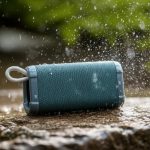
The short answer is: it depends! Not all sound boxes are created equal when it comes to rain. Many are not waterproof and can be damaged by moisture. Always check the IP rating of your device. For those with higher IP ratings, light rain might be okay, but heavy downpours and submersion are usually a no-go unless specifically designed for it.
Can I Use Sound Box in Rain
Imagine this: you’re having a fantastic outdoor gathering, the music is pumping, and suddenly, the skies open up. Your first thought might be about your guests, but if you’ve got a sound box blasting tunes, another question quickly pops into your head: “Can I use my sound box in the rain?” It’s a common concern, especially if you love to bring your music with you wherever you go, be it a backyard BBQ, a picnic in the park, or even a beach day where a sudden shower isn’t out of the question.
The short, simple answer is often “it depends.” Using a sound box in the rain isn’t a black and white issue. Many factors come into play, and unfortunately, many people discover the hard way that their beloved audio device isn’t as resilient as they hoped. Moisture and electronics generally don’t mix well, and rain presents a direct threat. However, with the right knowledge and the right type of sound box, enjoying your music through a bit of drizzle might be perfectly fine. Let’s dive into what you need to know to keep your tunes flowing, rain or shine.
- IP Rating is Crucial: The Ingress Protection (IP) rating is the most important factor. An IPX4 rating means it’s splash-proof, while IPX7 means it can be submerged.
- Not All Sound Boxes Are Equal: Basic indoor speakers will be severely damaged by rain. Even “outdoor” speakers have varying levels of water resistance.
- Light Rain vs. Downpour: Some speakers can handle a light drizzle, but heavy rain can overwhelm their protection and cause damage.
- Consider the Environment: Wind can drive rain into openings. Humidity can also be a long-term issue even if the speaker isn’t directly rained on.
- Listen Responsibly: Even if a speaker is water-resistant, prolonged exposure or immersion can degrade its performance or lifespan.
- Protect Your Investment: When in doubt, err on the side of caution. Bring your sound box inside or use a protective cover.
- Read the Manual: The manufacturer’s guidelines are your best bet for understanding your specific sound box’s capabilities.
📑 Table of Contents
Understanding Water Resistance: The IP Rating Explained
When we talk about using electronics in wet conditions, the most important thing to look for is something called an “IP rating.” This is like a secret code that tells you how well your device is protected against solid objects (like dust) and liquids (like water). The “IP” stands for “Ingress Protection.” For our purposes today, we’re most concerned about the second digit, which relates to water.
What the Numbers Mean
The second digit in an IP rating ranges from 0 to 9. Here’s a quick rundown of what these numbers mean for water resistance:
* **IPX0:** No special protection against water.
* **IPX1:** Protected against vertically falling water drops.
* **IPX2:** Protected against water drops falling at a 15-degree tilt.
* **IPX3:** Protected against water sprayed at an angle up to 60 degrees. This is where things start to get a bit more robust.
* **IPX4:** Protected against water splashed from any direction. This is a common rating for many “splash-proof” devices. It means a light sprinkle or accidental splash shouldn’t be a problem.
* **IPX5:** Protected against low-pressure water jets from any direction. Think of a garden hose on a low setting.
* **IPX6:** Protected against high-pressure water jets. This is tougher and can handle more direct water streams.
* **IPX7:** Protected against the effects of temporary immersion in water, up to 1 meter for 30 minutes. This is where you get into truly waterproof territory.
* **IPX8:** Protected against continuous immersion in water under conditions specified by the manufacturer. This is the highest level and means it can handle prolonged submersion.
So, when you’re looking at a sound box and wondering if you can use it in the rain, the first step is always to check its IP rating. A device with an IPX4 or IPX5 rating might be okay for a light shower, but anything rated IPX7 or higher is designed to handle much more.
Types of Sound Boxes and Their Rain Capabilities

Visual guide about Can I Use Sound Box in Rain
Image source: aisdeindia.com
Not all sound boxes are created equal, and their intended use dictates their resilience to the elements. What works for a speaker meant for your living room is vastly different from one designed for outdoor adventures.
Indoor Speakers: A Definite No-Go
If your sound box is designed for indoor use only, then using it in the rain is a very bad idea. These speakers have no protection against water. Even a little bit of moisture can get into the internal components, like the circuits, drivers, and power supply, causing short circuits, corrosion, and permanent damage. You might as well leave it out there to rust! If you’re looking for audio solutions for your home, you might be interested in learning how to use a Bluetooth speaker for your TV to enhance your viewing experience.
Outdoor Bluetooth Speakers: The Usual Suspects
This is where things get interesting. Many speakers are marketed as “outdoor speakers.” This doesn’t automatically mean they are waterproof. Many are water-resistant to varying degrees.
* **Splash-Proof (IPX4/IPX5):** These are common for many portable Bluetooth speakers. They can handle a light drizzle or being splashed by a poolside. If you’re caught in a brief, light shower, it might survive. However, don’t expect it to handle a downpour or being left out overnight in the wet. These speakers are designed to resist accidental exposure, not prolonged immersion or heavy rain. It’s important to know the limits, similar to understanding if you can use outdoor Bluetooth speakers permanently in your backyard.
* **Waterproof (IPX7/IPX8):** These are the true contenders for rain-duty. Speakers with these ratings are built to withstand submersion. If you plan on using your sound box near pools, at the beach, or in environments where it might get very wet, investing in one of these is your best bet. You can even find floating Bluetooth speakers for your swimming pool, which are designed for direct water contact and even submersion. Safety is key here, so also check out how safe they are.
Specialty Speakers
There are also speakers designed for extreme environments, like those used in marine applications or construction sites. These often have the highest levels of water and dust resistance.
Practical Tips for Using Sound Boxes in the Rain
Visual guide about Can I Use Sound Box in Rain
Image source: thumbs.dreamstime.com
So, you’ve checked your IP rating, and you think your sound box might be up for the challenge. Here are some practical tips to keep in mind:
1. Always Check the Manual
The IP rating is a great guide, but the manufacturer’s manual is the ultimate authority. It will specify exactly what the rating means for that particular model, any limitations, and recommended usage conditions. Some manuals might even have specific instructions for cleaning or drying the device after exposure to water.
2. Position is Key
Even with a water-resistant speaker, placement matters.
* **Avoid Direct Downpours:** Try to place your sound box under an overhang, awning, or other shelter if possible. This provides an extra layer of protection, even for waterproof speakers.
* **Keep it Elevated:** Don’t place your sound box directly on wet ground or in puddles. Water can seep in from the bottom, even if the top is protected. Using a small stand or even a stable, dry surface can make a difference.
* **Consider Wind:** Wind can carry rain sideways, potentially driving it into openings that might otherwise be safe. Be mindful of wind direction and strength.
3. Dry it Off Promptly
If your sound box does get wet, even if it’s rated for it, dry it off as soon as you can with a soft, dry cloth. Pay attention to any ports, buttons, or speaker grilles where water might collect. Ensure it’s completely dry before you charge it or connect it to your device.
4. Port Protection is Important
Many sound boxes have charging ports or auxiliary inputs. These are often the most vulnerable points for water ingress. If your speaker has a protective cover for these ports, make sure it’s securely closed before exposing the device to rain. If the cover is damaged or missing, it’s best to avoid using the speaker in wet conditions.
5. Understand “Water-Resistant” vs. “Waterproof”
There’s a big difference. “Water-resistant” typically means it can handle splashes or light rain. “Waterproof” means it can be submerged. Don’t confuse the two. A speaker that’s splash-proof might survive a light shower, but it’s not designed to be left out in a storm.
6. Charge it Safely
Never attempt to charge a sound box that is wet or even damp. Moisture in the charging port can cause serious damage. Always ensure both the port and the charger are completely dry. If you’re concerned about power, you might want to explore options like using a power bank as a power source for your devices, ensuring they are kept safe from the elements.
The Risks of Using a Sound Box in the Rain
Visual guide about Can I Use Sound Box in Rain
Image source: techsynchron.com
Even with the best intentions and the most robust IP ratings, there are still risks associated with using your sound box in the rain. It’s good to be aware of these to make informed decisions.
1. Gradual Degradation of Components
While a speaker might survive a few rain showers with a good IP rating, repeated exposure can still lead to gradual degradation. Seals can wear out over time, and constant moisture can contribute to corrosion of internal components, even if it doesn’t cause an immediate failure. This is similar to how prolonged exposure to saltwater can affect electronics, as discussed in whether you can use a Bluetooth speaker near saltwater.
2. Speaker Grille and Driver Damage
The speaker grille is designed to protect the delicate drivers inside. While it might have some water-repellent properties, heavy or prolonged rain can saturate the grille material, potentially affecting sound quality. Water getting directly onto the speaker cones can cause distortion or even damage if the cone material isn’t designed for it.
3. Compromised Connectivity
While Bluetooth itself is generally quite resilient, water can interfere with the signal. More importantly, moisture around the device’s Bluetooth antenna or within its circuitry can cause connection dropouts or prevent it from pairing altogether. If you’re trying to use your speaker for an outdoor movie, a stable connection is essential, and rain can be a big obstacle.
4. Long-Term Battery Issues
Moisture getting into battery compartments or charging circuitry can lead to corrosion, which can degrade the battery’s performance and lifespan. In severe cases, it can cause a battery to fail completely or even pose a safety hazard.
5. Reduced Lifespan
Ultimately, even water-resistant speakers have a finite lifespan. Pushing them beyond their intended limits, especially by regularly exposing them to rain, will likely shorten their operational life. It’s always better to be a little more cautious to enjoy your sound box for longer.
When to Call It Quits and Bring it Inside
There are times when even a tough sound box should be kept safe and dry.
1. Heavy Downpours and Storms
If the rain is coming down hard, with strong winds, lightning, or thunder, it’s time to pack up. No portable speaker is truly designed to withstand a full-blown storm. The risks of damage significantly increase under these conditions.
2. Submersion (Unless Specifically Designed For It)
If your speaker isn’t rated IPX7 or IPX8, any significant submersion in water is going to cause damage. This includes dropping it in a pond, a pool (unless it’s a floating waterproof speaker), or a flooded area.
3. When in Doubt, Bring it Inside
This is the golden rule. If you’re unsure about your sound box’s capabilities, or if the conditions seem a bit too extreme, it’s always safer to bring it inside or store it in a dry, protected place. There are many fantastic guides on different uses for Bluetooth speakers, such as using them in the shower (with proper caution!), but the shower is a controlled environment compared to the unpredictability of outdoor rain.
Conclusion: Enjoy Your Music, But Be Smart About It
So, can you use a sound box in the rain? Yes, but only if it’s designed for it, and even then, with caution. The IP rating is your best friend here. Look for IPX4 at a minimum for any outdoor use where splashes or light rain are possible, and aim for IPX7 or higher if you want true peace of mind near water.
Always read the manufacturer’s specifications, position your speaker thoughtfully, and dry it off promptly if it gets wet. Remember that even water-resistant devices have their limits, and pushing them too far can lead to premature failure. By understanding the risks and taking sensible precautions, you can continue to enjoy your music in almost any environment, rain or shine, ensuring your sound box lasts for many seasons of outdoor fun. And if you’re looking for speakers that can handle more demanding environments, consider exploring options designed for outdoor or even marine use.
Frequently Asked Questions
Can any Bluetooth speaker be used in the rain?
No, definitely not. Most standard indoor Bluetooth speakers are not designed to handle moisture and will be damaged by rain. Only speakers with specific water-resistance ratings (like IPX4 or higher) can be safely used in rainy conditions.
What does an IPX4 rating mean for my sound box?
An IPX4 rating means your sound box is protected against water splashes from any direction. It’s suitable for light rain or accidental spills, but it cannot be submerged in water.
Is it safe to leave a waterproof sound box outside in the rain all the time?
While a waterproof sound box (IPX7 or IPX8) can withstand submersion, prolonged exposure to the elements, even in rain, can still degrade seals and components over time. It’s generally best practice to store your speaker indoors when not in use to maximize its lifespan.
What should I do if my sound box gets wet?
If your sound box gets wet, turn it off immediately. Dry it thoroughly with a soft cloth, paying attention to ports and buttons. Allow it to air dry completely before attempting to charge or turn it back on. Never try to charge a wet device.
How does humidity affect a sound box?
High humidity, even without direct rain, can still be detrimental to electronics. Moisture in the air can condense on internal components over time, leading to corrosion and potential performance issues. It’s best to keep sensitive electronics in dry environments.
Are there any special considerations for using a sound box near the ocean?
Yes. Saltwater is much more corrosive than freshwater. Even if a speaker is waterproof, prolonged exposure to saltwater and the salt residue left behind can cause significant damage. It’s essential to rinse and dry it thoroughly immediately after any saltwater exposure, if the manufacturer permits it for your specific model.