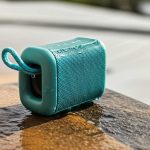
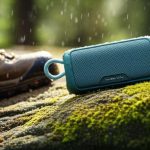
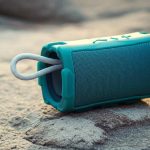
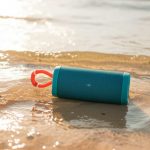
Yes, many Bluetooth speakers are built tough enough to handle dust and dirt on trails! Look for rugged, water-resistant, and dustproof models designed for outdoor adventures.
Hey there, tech explorers! Max here from AffTechy.com, your go-to buddy for making gadgets simple and fun. We all love taking our tunes on the go, right? Whether it’s a backyard BBQ, a beach day, or even a hike through some beautiful trails, music just makes everything better. But let’s be honest, sometimes our adventures get a little… dusty. And that’s where a big question pops up: can our trusty Bluetooth speakers actually survive the great outdoors?
It’s a worry many of us have. You’re out there, enjoying nature, and you don’t want to stress about a little grit or grime ruining your sound system. Picking the right gear can feel like a puzzle with all those technical terms. But don’t sweat it! I’m here to break it all down for you. We’ll figure out how to choose a speaker that’s as ready for adventure as you are.
We’ll dive into what makes a speaker “trail-ready” and what those confusing numbers and ratings actually mean. Think of this as your friendly guide to outdoor audio. Let’s make sure your music keeps playing, no matter where your feet take you!
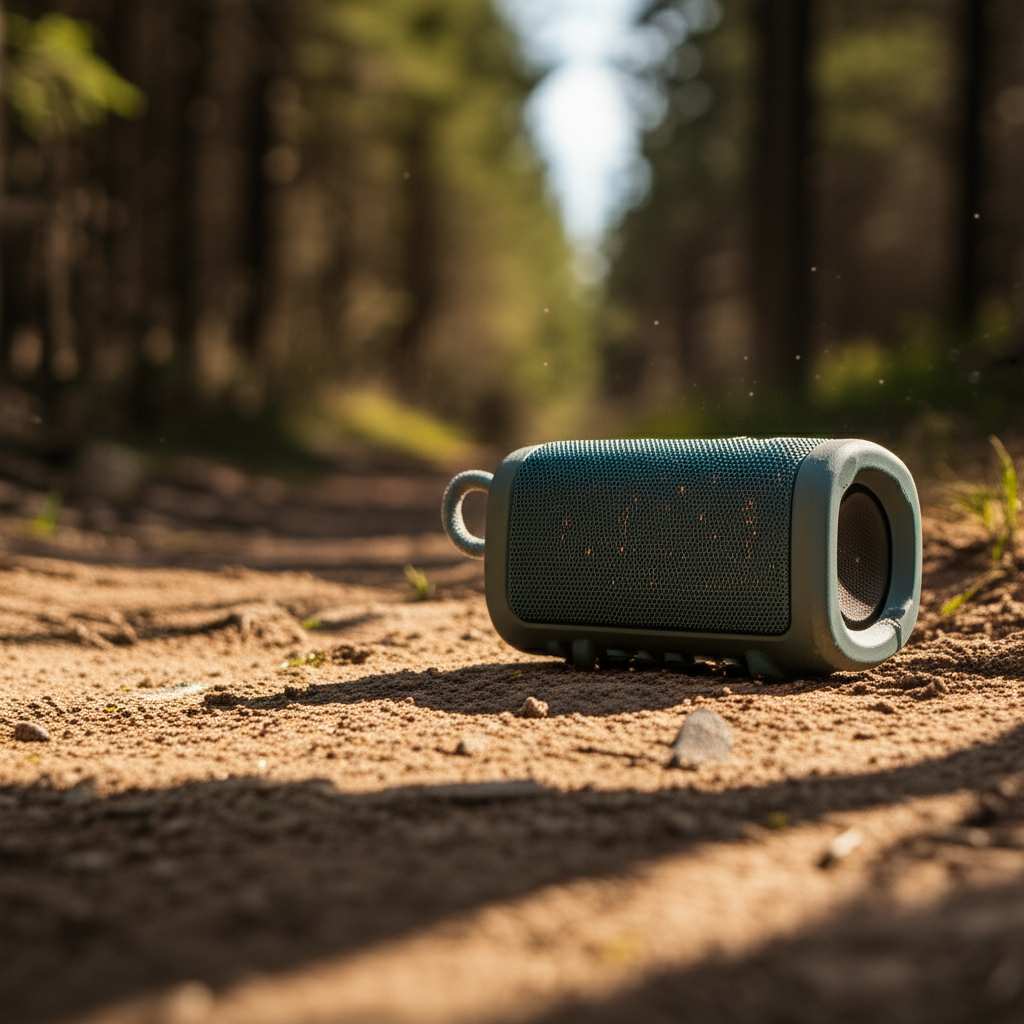
Let’s Talk About Trails and Tech
Imagine this: you’re hiking a beautiful trail, the sun is shining, and you’ve just reached a breathtaking viewpoint. You pull out your Bluetooth speaker to play your favorite adventure anthem. But then you notice the dust swirling around, or maybe you accidentally set it down on some damp earth. Suddenly, you’re wondering, “Is my speaker going to be okay?”
It’s a valid concern! We often think of speakers as delicate electronics meant for cozy indoor listening. The idea of them braving the elements might seem a bit far-fetched. But the world of portable audio has come a long way. Manufacturers know we want to take our music everywhere, and that includes places where dust, dirt, and even splashes are part of the scenery.
So, can they? Absolutely! The key is knowing what to look for. It’s not about if they can, but which ones are designed to handle it. We’ll unpack the features that make a speaker a true trail companion.
What Makes a Speaker “Rugged”?
When we talk about a speaker being “rugged,” we mean it’s built to withstand more than just a gentle dusting. It’s designed to take a few knocks and get a little messy. Think of it like a trusty backpack versus a fancy handbag; both carry things, but one is made for tougher jobs.
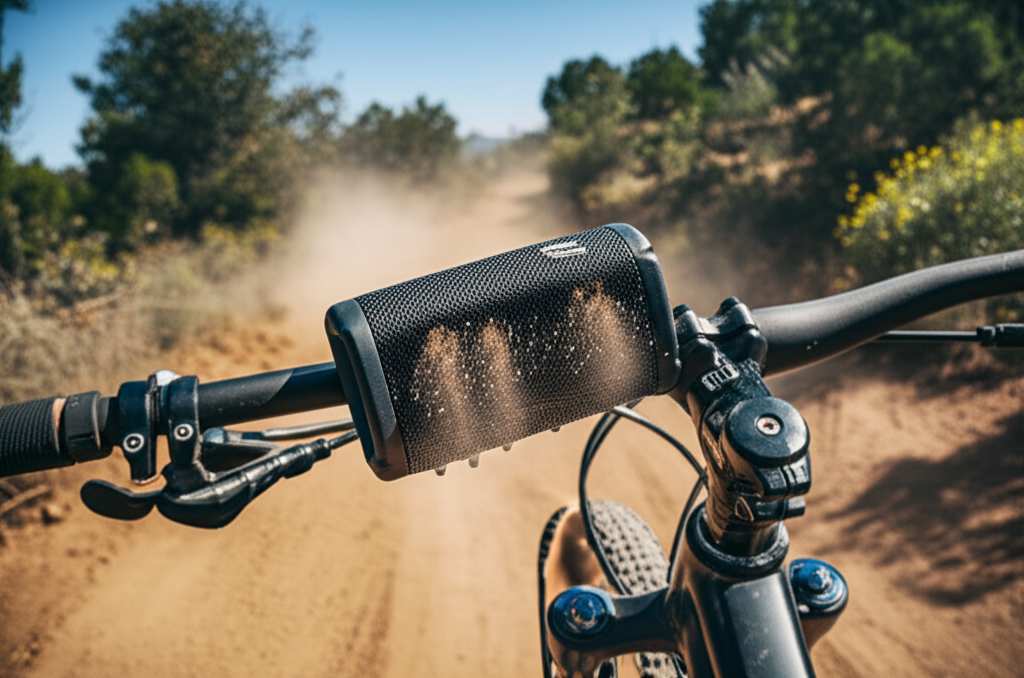
For Bluetooth speakers, “rugged” usually means a few key things. It’s often about the materials used, the way it’s constructed, and special protective features. This can include things like rubberized edges to absorb shocks and sealed ports to keep out unwanted guests like dust. It’s all about making sure the delicate bits inside are safe and sound.
These speakers are built with active lifestyles in mind. They’re for people who love camping, hiking, kayaking, or just hanging out at the park without worrying about their gear. They offer peace of mind so you can focus on the fun!
Decoding the Dust and Dirt Ratings: IP Ratings Explained
This is where things can get a little technical, but don’t worry, I’ll make it super simple! You’ll often see ratings like “IP67” or “IPX5” on speaker descriptions. These are called IP ratings, and they tell you exactly how well a speaker is protected against solids (like dust) and liquids (like water).
IP stands for “Ingress Protection.” The first number after “IP” tells you about protection against solid objects, like dust and sand. The second number is for protection against liquids, like water. It’s like a secret code that tells you how tough the speaker really is!
The Solid Protection Number (The First Digit)
This number ranges from 0 to 6. Here’s what they mean:
- 0: No protection at all.
- 1: Protected against large objects (like a hand touching it).
- 2: Protected against medium-sized objects (like fingers).
- 3: Protected against small tools (like a screwdriver).
- 4: Protected against small objects (like wires).
- 5: Protected against dust. A little bit of dust might get in, but it won’t stop the speaker from working.
- 6: Dust-tight. No dust can enter, no matter what!
So, if you see a speaker with an IP rating starting with a 5 or a 6, you’re in good shape for dusty trails. An IP6 rating is the gold standard for dust protection!
The Liquid Protection Number (The Second Digit)
This number ranges from 0 to 9. Here’s a quick rundown:
- 0: No protection from water.
- 1: Protected against condensation (water vapor).
- 2: Protected against water spray from any direction (light rain).
- 3: Protected against water spray when tilted up to 60 degrees.
- 4: Protected against splashing water from any direction.
- 5: Protected against low-pressure water jets from any direction.
- 6: Protected against high-pressure water jets from any direction.
- 7: Protected against immersion in water up to 1 meter for 30 minutes.
- 8: Protected against continuous immersion in water under conditions specified by the manufacturer (often deeper or longer than level 7).
- 9: Protected against high-temperature, high-pressure water jets.
For trail use, an IPX5 or higher is usually great for splashes or light rain. If you think you might be near a stream or a waterfall, an IPX7 or IPX8 rating is even better!
Putting It Together: What to Look For
When you’re shopping for a trail-ready speaker, aim for ratings like:
- IP56: Good dust protection and strong protection against water jets.
- IP66: Excellent dust protection and strong protection against water jets.
- IP67: Excellent dust protection and can handle being submerged in water for a short time.
A rating like IP55 is also quite good for general outdoor use. It means it can handle dust and water splashes. Remember, the higher the number, the better the protection!
Key Features for Trail-Ready Speakers
Beyond the IP rating, there are other things that make a Bluetooth speaker a fantastic companion for your outdoor adventures. These features add to its durability and usability when you’re out in the wild.
1. Durable Construction
Look for speakers with a sturdy build. Many rugged speakers have a rubberized or silicone casing. This material not only feels good in your hand but also helps absorb shocks if you accidentally drop the speaker. It’s like a built-in protective bumper!
The speaker grille (the part that covers the speaker cones) is also important. Metal grilles are stronger than fabric ones and offer better protection against impacts. Some designs might even have reinforced corners to handle bumps and scrapes.
2. Portability and Design
Trails mean movement, so a speaker that’s easy to carry is a must. Many rugged speakers are compact and lightweight. Some even come with a carabiner clip or a strap, so you can easily attach them to your backpack. This keeps your hands free and your speaker accessible.
Consider the shape too. A cylindrical or somewhat rounded shape can be easier to hold and fit into various carrying spots. Think about where you’ll be placing it – will it sit stably on uneven ground?
3. Battery Life
When you’re out on a trail, you don’t have access to a power outlet. That’s why long battery life is crucial. Look for speakers that offer at least 10-15 hours of playback time on a single charge. Some high-end models can even go for 20-30 hours!
A quick charging feature is also a bonus. If you only have a short time to juice up before your next leg of the journey, fast charging can be a lifesaver. Some speakers can even act as power banks to charge your phone!
4. Sound Quality in Open Spaces
While ruggedness is key, you still want your music to sound good! Outdoor environments can be noisy with wind and other sounds. Speakers designed for outdoor use often have features to help their sound cut through the noise. This can include a louder maximum volume and a bass that’s tuned to perform well outdoors.
Some speakers offer 360-degree sound, which is great for sharing music with a group. Others have stereo pairing, allowing you to connect two speakers for an even fuller sound experience.
5. Connectivity
Bluetooth is standard, of course. But look for the latest Bluetooth version (like Bluetooth 5.0 or higher) for a more stable connection and better range. This means your phone or device can be a bit further away without the music cutting out.
Some speakers might also have an auxiliary (AUX) input. This is handy if your device doesn’t have Bluetooth or if you want to save your phone’s battery by using a wired connection.
Top Picks for Trail-Ready Bluetooth Speakers (Example Comparison)
To give you a better idea, let’s look at a few popular types of rugged Bluetooth speakers. These aren’t specific model recommendations (as models change!), but they represent common features you’ll find. This table shows what you might compare when choosing:
| Feature | Speaker Type A (Compact Rugged) | Speaker Type B (Larger Outdoor) | Speaker Type C (Ultra-Rugged) |
|---|---|---|---|
| IP Rating | IP67 | IPX5 | IP67 |
| Dust Protection | Excellent (Dust-tight) | Good (Water jets only) | Excellent (Dust-tight) |
| Water Protection | Waterproof (submersible) | Splashproof | Waterproof (submersible) |
| Battery Life | 12-15 hours | 18-20 hours | 10-12 hours |
| Portability | Very High (lightweight, clip) | High (handle, moderate size) | Moderate (durable, heavier) |
| Sound | Clear, balanced | Loud, bass-heavy | Durable, good for outdoors |
| Price Range (USD) | $50 – $100 | $100 – $200 | $80 – $150 |
See how the IP ratings differ? Speaker Type A and C offer excellent dust protection, making them ideal for trails where dust is a major concern. Type A is super portable, while Type C might be even more robust but potentially heavier. Type B is great for splashes, but might not be the best choice if you’re hiking through a desert!
When you’re looking at actual products, always check the full IP rating details. A speaker with an IP67 rating, for instance, means it’s not just protected from dust but can also survive a dip in a shallow stream – how cool is that for an accidental drop?
How to Care for Your Trail Speaker
Even the toughest speakers need a little TLC to keep them performing at their best, especially after a dusty adventure. Taking good care of your speaker ensures it lasts longer and continues to deliver great sound.
Cleaning After a Dusty Hike
After you return from a dusty trail, give your speaker a good clean. Here’s a simple way to do it:
- Brush off loose dirt: Use a soft, dry brush (like a paintbrush or a soft toothbrush) to gently remove any caked-on dust or dirt from the speaker’s exterior. Pay attention to speaker grilles and port covers.
- Wipe down: Dampen a soft, lint-free cloth with plain water. Gently wipe down the speaker’s surfaces. Avoid using harsh chemicals or abrasive cleaners, as these can damage the materials.
- Clean ports carefully: If there’s dust in charging ports or auxiliary inputs, use a dry cotton swab or compressed air (held at a distance) to carefully remove it. Never stick anything sharp into the ports.
- Dry thoroughly: Make sure the speaker is completely dry before charging or using it again, especially if it has a low IPX rating for water resistance.
Protecting Against Extreme Conditions
While rugged speakers are tough, they still have limits. Avoid exposing them to extreme temperatures for extended periods, as this can affect battery performance and internal components.
If your speaker is waterproof but not necessarily dust-tight (e.g., IPX5), try to keep it away from direct dust storms or very sandy areas. Always check the manufacturer’s guidelines for specific care instructions.
Are There Any Downsides to Rugged Speakers?
While rugged Bluetooth speakers are fantastic for trails, they aren’t always perfect for every situation. It’s good to know the trade-offs so you can make the best choice for your needs.
Potential Trade-offs:
- Sound Quality Nuances: Sometimes, the focus on durability means a slight compromise in audio fidelity compared to non-rugged speakers. The extra protective layers or sealed designs might subtly alter the sound. However, for casual listening on the go, this difference is often unnoticeable.
- Size and Weight: Rugged speakers can sometimes be bulkier and heavier than their more delicate counterparts. This is because they need thicker casings, rubberized bumpers, and more robust internal components.
- Cost: Speakers with high IP ratings and robust construction often come with a higher price tag. The engineering and materials required for true durability add to the manufacturing cost.
- Aesthetics: Some rugged designs might look a bit utilitarian or “tough” rather than sleek or stylish. If you prefer a speaker that blends into a more formal setting, a rugged model might not be your first pick.
Despite these potential downsides, for anyone planning to take their music on dusty trails, the benefits of a rugged, dust-resistant speaker far outweigh the drawbacks. It’s about getting the right tool for the job!
Where to Find More Information
If you’re curious to learn more about specific speaker models and their performance in real-world tests, reputable tech review sites are a great resource. They often put speakers through their paces, testing durability, sound quality, and battery life.
Websites like CNET and TechRadar offer in-depth reviews and comparisons of portable speakers. They’ll tell you if a speaker lives up to its rugged claims and how it performs in various conditions. You can often find tables comparing features and performance metrics there too, helping you make an informed decision.
Frequently Asked Questions (FAQ)
Q1: Can I wash my dusty Bluetooth speaker with soap and water?
A: It’s best to stick to plain water for cleaning unless the manufacturer specifically says otherwise. Harsh soaps can damage the speaker’s finish or seals. Always check the IP rating – if it’s high enough for water immersion, a gentle wipe down with a damp cloth is usually fine. Make sure it’s completely dry afterward!
Q2: What does IP67 really mean for dust and dirt?
A: An IP67 rating means the speaker is “dust-tight.” Absolutely no dust or solid particles can get inside. This is fantastic for hiking on dusty trails, as you don’t have to worry about grit getting into the speaker components.
Q3: How far can I place my phone from a rugged Bluetooth speaker on a trail?
A: Most Bluetooth speakers have a range of about 30-50 feet (9-15 meters) in open spaces. However, if the speaker uses a newer Bluetooth version like 5.0 or higher, the connection might be more stable and reliable even at the longer end of that range, which is great for keeping your phone safely in your pocket or pack.
Q4: Do waterproof speakers also mean they are sandproof?
A: Generally, yes! Speakers rated for dust protection (like IP56 or IP67) are also highly resistant to sand. The tight seals that keep dust out also prevent sand from getting in. However, it’s always a good idea to rinse off sand with water after exposure, especially if it gets into crevices.
Q5: Will the battery life be shorter in cold or hot weather on the trail?
A: Yes, extreme temperatures can affect battery performance. Very cold or very hot weather can cause batteries to drain faster or not hold a charge as effectively. It’s best to keep your speaker at moderate temperatures when possible.
Q6: Can I use my speaker in light rain?
A: If your speaker has an IPX4 rating or higher, it can handle light rain or splashes. For heavier rain, you’ll want a speaker with a higher rating, like IPX6 or IPX7, for better protection.
Your Trail Soundtrack Awaits!
So, there you have it! The answer to whether Bluetooth speakers can resist dust and dirt on trails is a resounding “absolutely!” It all comes down to choosing the right speaker. By understanding those IP ratings and looking for features like durable construction and long battery life, you can find a fantastic audio companion that’s ready for any adventure you throw at it.
Don’t let the fear of dust or a little water hold you back from enjoying your favorite music outdoors. With the right rugged Bluetooth speaker, you can bring your soundtrack to the summit, the campsite, or wherever your path leads. Go ahead, explore, and make every moment louder and better!